


Victorian Brass Furniture
Victorian brass furniture brings together robust utility and polished metal work, spanning beds, campaign chests, and decorative stands.
Victorian Brass Furniture
Victorian brass furniture encompasses a practical range of items designed for domestic use, travel, and display, drawing on periods from the nineteenth century into the early twentieth. Pieces frequently combine brass with hardwoods such as mahogany, walnut, teak, and rosewood, alongside iron and leather.
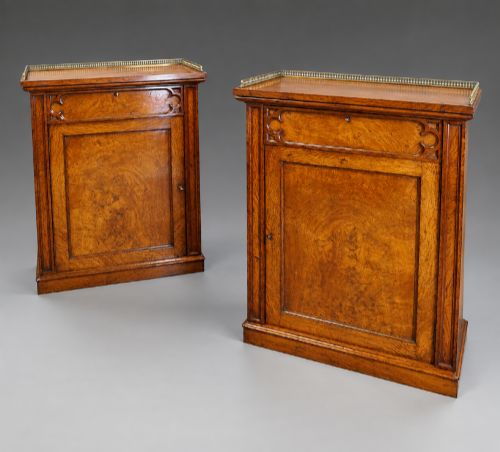
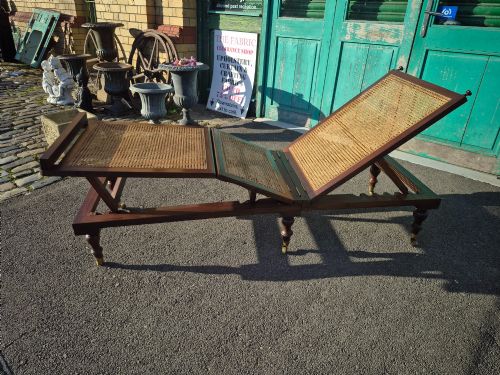
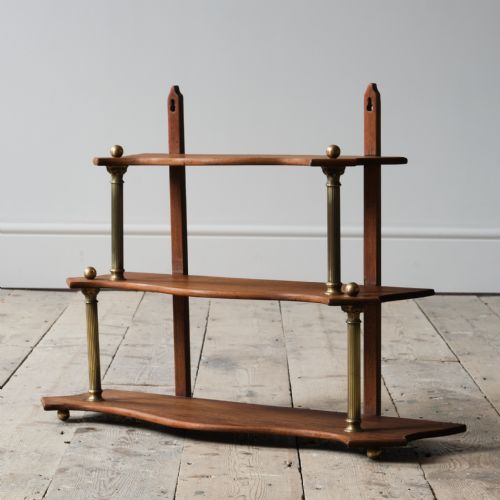
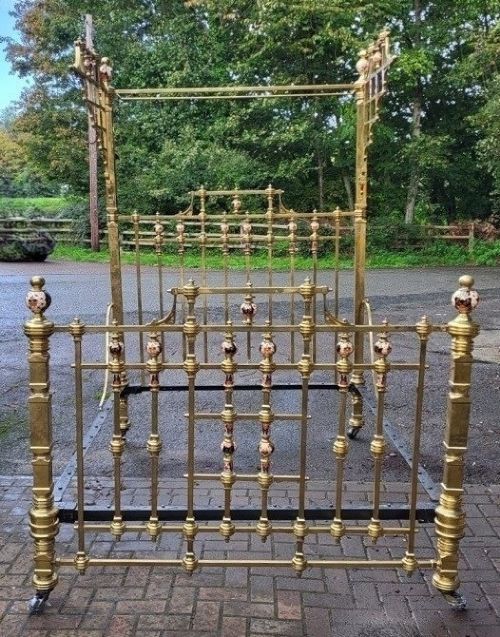
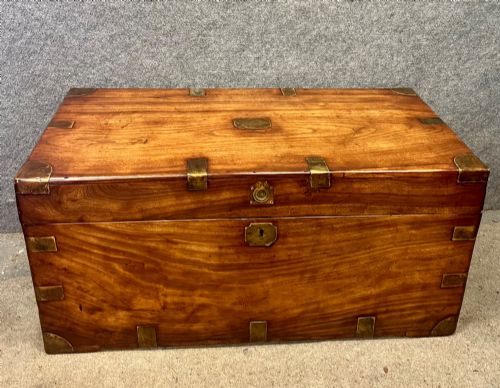
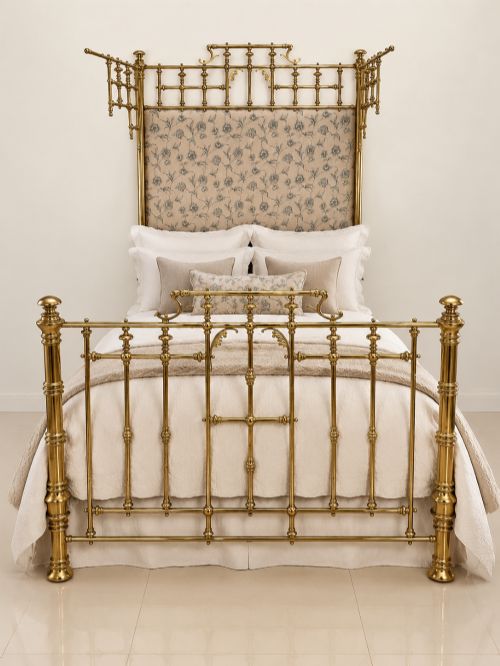
The selections available range from solid brass half tester bedsteads and campaign chests of drawers to umbrella stands, door knockers, and side tables. Forms vary from British campaign equipment intended for transport to decorative domestic items including wall-mounted coat racks and writing tables.
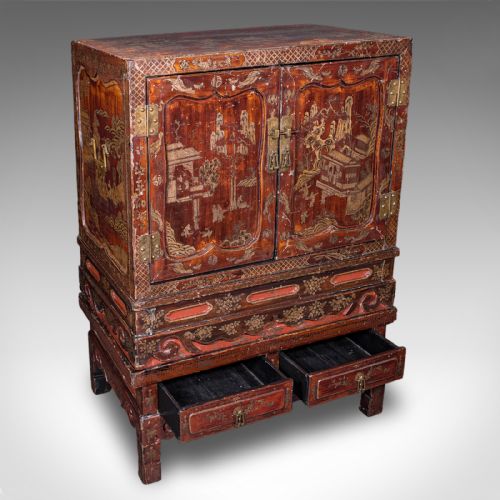
Buyers encounter diverse stylistic influences within these pieces, including Anglo-Indian woodwork, French rosewood designs, and Egyptian Revival details. The primary forms met on this page combine structural timber frameworks with functional metal mounts, hinges, and handles.
Materials and Construction
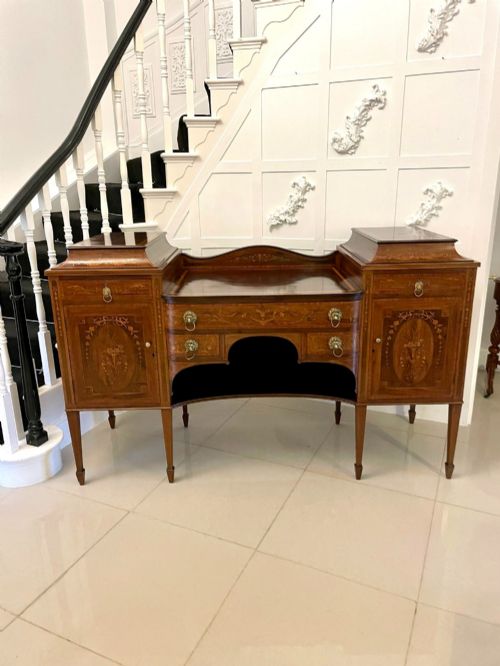
Construction relies upon combining heavy timbers like mahogany, teak, camphor wood, and walnut with durable brass fittings, castors, and corner brackets. Metal components are integrated into wooden frames to provide structural reinforcement, particularly for items intended for travel or heavy daily use.
Techniques include brass inlay, marquetry, and the joining of cast iron with brass elements in items such as umbrella stands and bed frames. Timber surfaces are polished, ebonised, or inlaid to contrast with the warm tone of the metal mounts.
Dog tooth trays on umbrella stands provided early Victorian visitors a designated spot to drop stray items before stepping inside.
Evaluating Quality
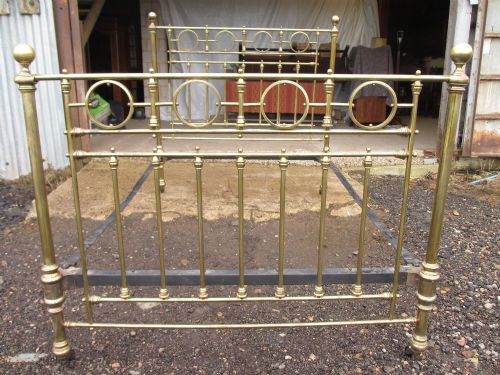
Quality rests upon the weight and finish of the brass components, the selection of dense timbers like rosewood and mahogany, and the precision of joinery. Solid brass bedsteads and exhibition pieces demonstrate higher standards of metal casting and finishing than standard domestic items.
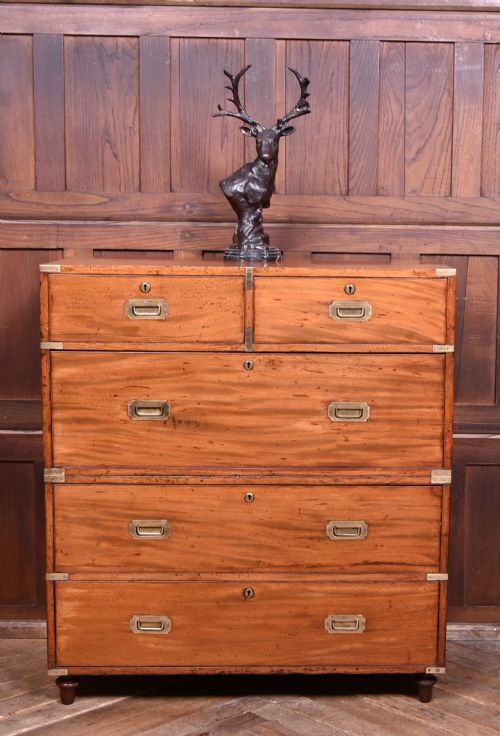
The integrity of integrated fittings, such as flush-mounted brass handles on campaign chests and original castors on beds or seats, distinguishes superior examples. Integration of decorative inlay work and the preservation of original timber surfaces also set finer items apart.
Poix Blin·Hewetsons·Trollope & sons·Shoolbred & Co·Jas Shoolbred·Howard and Sons·Maple & Co·Gillow
The Victorian Brass Furniture Glossary
- Campaign Chest
- A chest of drawers built in two or more sections for easy transport, typically fitted with recessed brass handles and corner brackets.
- Half Tester Bed
- A bed featuring a partial canopy extending from the headboard, supported by posts or wall brackets.
- Étagère
- A set of open shelves for displaying small objects, often constructed in rosewood or mahogany during the nineteenth century.
- Marquetry
- Decorative woodwork where pieces of veneer are fitted into a timber ground to form geometric or floral patterns.
- Partners Desk
- A large double-sided desk designed for two people to work opposite each other, often featuring leather inserts and drawers.
Victorian Brass Furniture: Frequently Asked Questions
What is Victorian brass furniture?
Victorian brass furniture includes items made during the nineteenth century that incorporate brass for structural support, hardware, or decoration. These pieces range from solid metal bedsteads to wooden campaign chests fitted with brass corners.
Materials commonly paired with the brass include mahogany, walnut, teak, and rosewood. The category embraces both practical travel equipment and decorative indoor furnishings.
How should I clean brass fittings?
Brass components can be maintained using a soft cloth and a dedicated metal cleaner to remove tarnish. Care should be taken to avoid getting cleaning agents onto surrounding timber surfaces.
Unlacquered period brass develops a natural patina over time that many collectors prefer to preserve. Regular dusting and gentle wiping are sufficient for routine upkeep.
Can I use an antique brass bed daily?
Antique brass beds are robustly constructed and suitable for everyday use when fitted with modern supportive frames. Many nineteenth-century bedsteads have been adapted to accommodate standard contemporary mattress sizes.
Checking the stability of joints and castors ensures the bed remains safe and level. Iron slot-in frames provide additional structural support for regular sleeping arrangements.
What distinguishes Anglo-Indian pieces?
Anglo-Indian pieces combine traditional British furniture forms with indigenous craftsmanship from the Indian subcontinent. They frequently feature dense hardwoods, elaborate brass inlay, and carved details.
These items were often commissioned or purchased by families serving abroad during the nineteenth century. Their distinctive ornamentation sets them apart from standard domestic British production.