
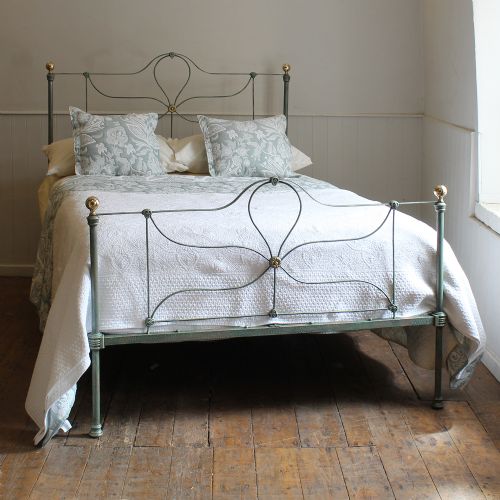
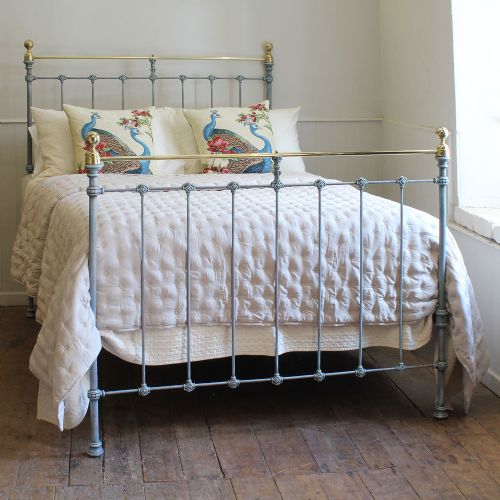
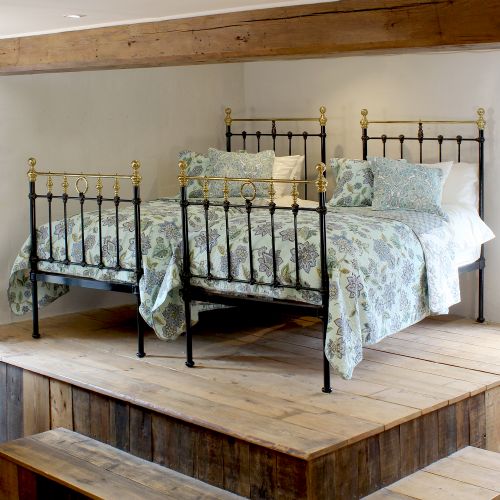
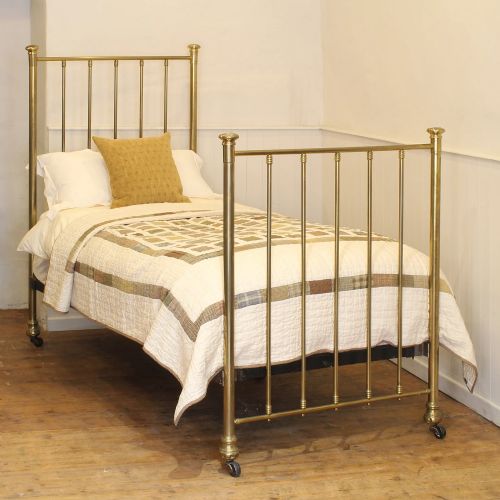

Traditional Brass Bed Frame
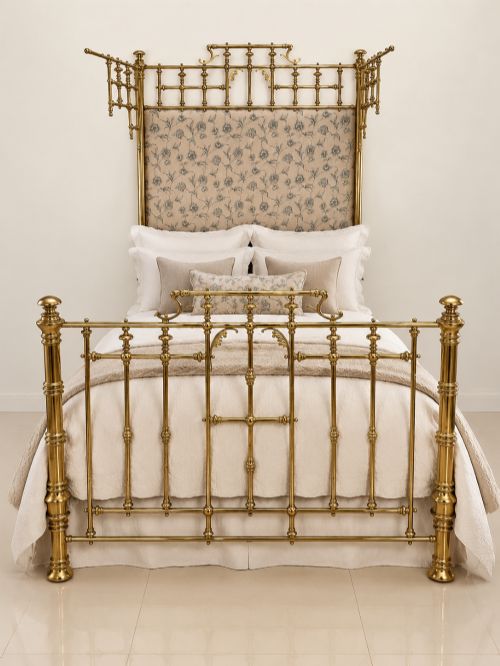
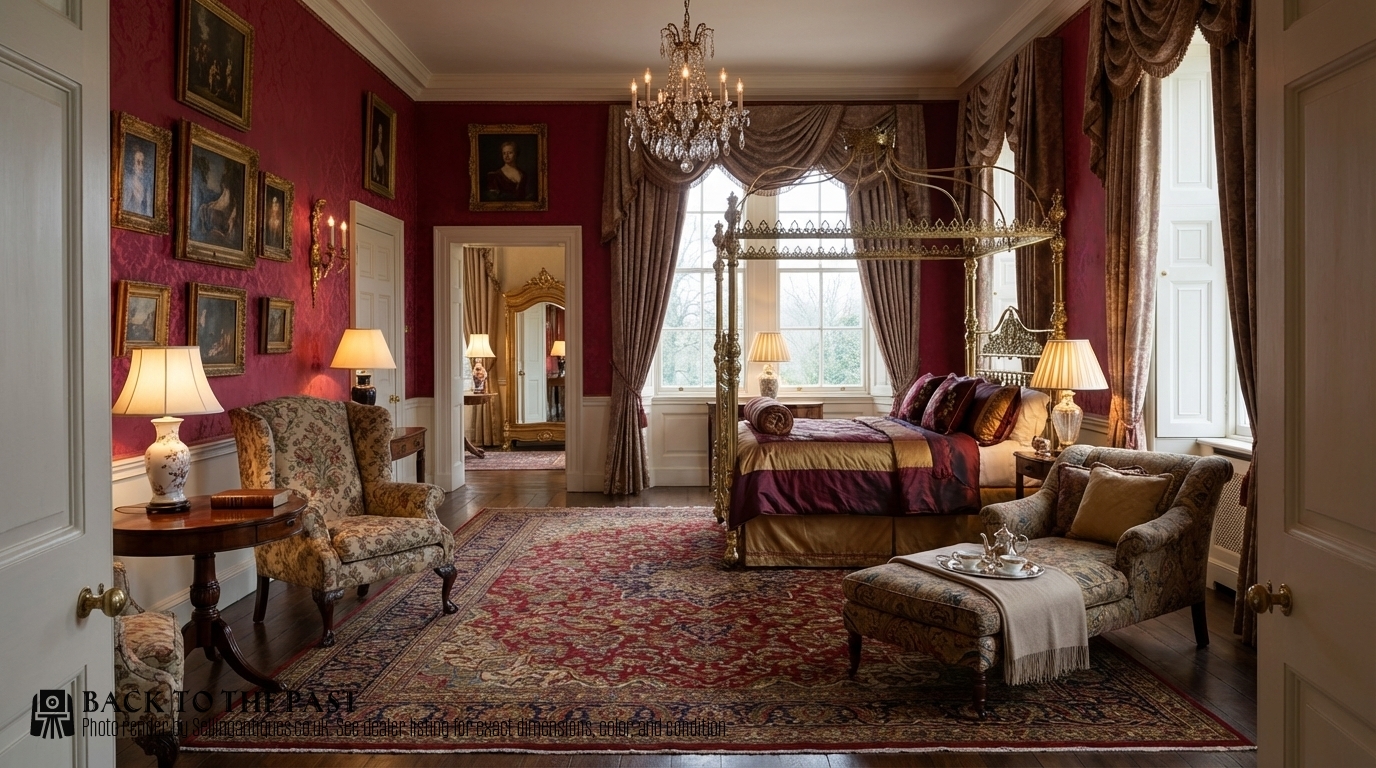
A traditional brass bed frame brings nineteenth-century presence to a bedroom through polished metalwork and solid structural form.
Traditional Brass Bed Frame
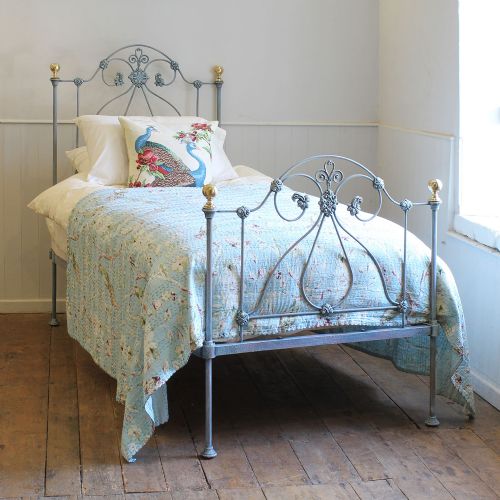
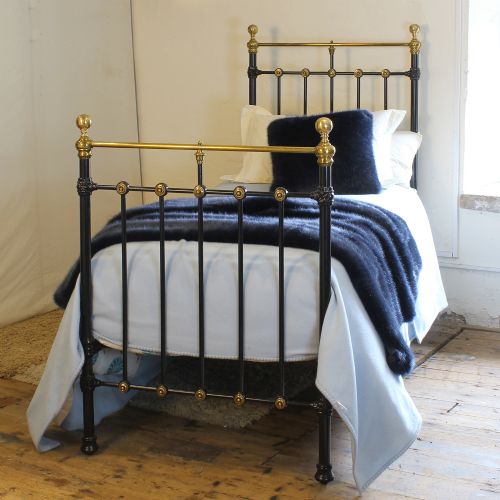
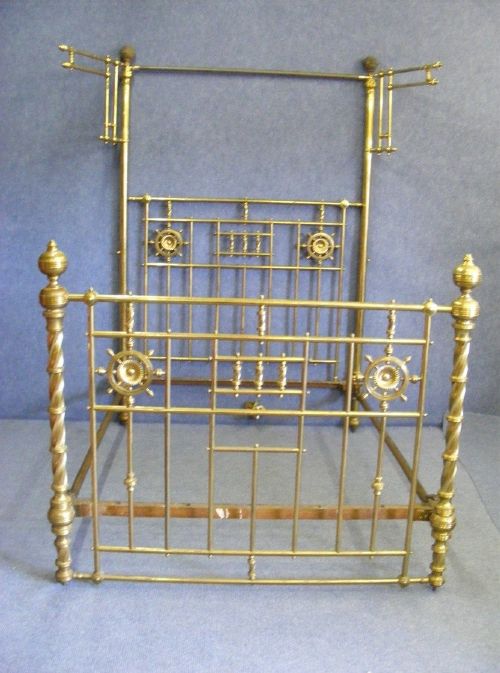
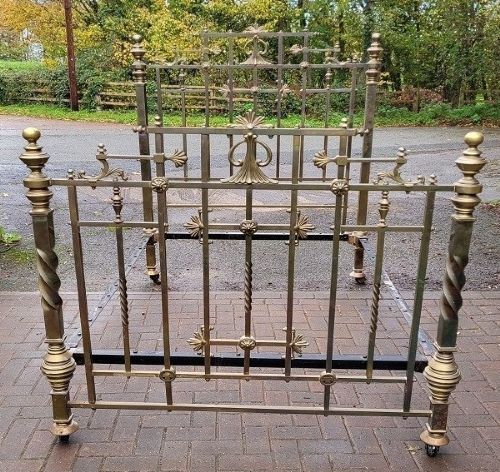
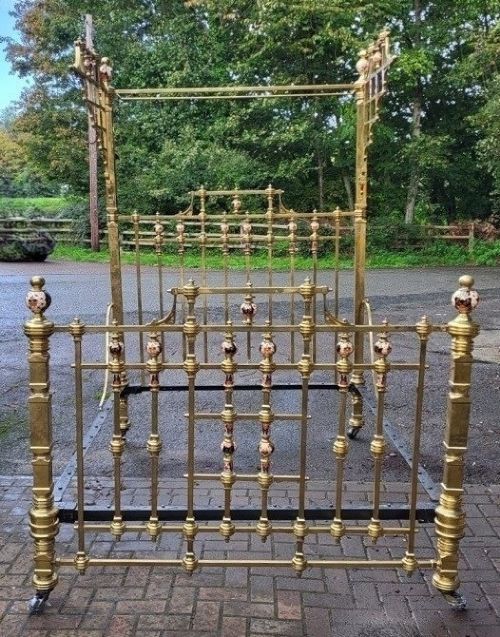
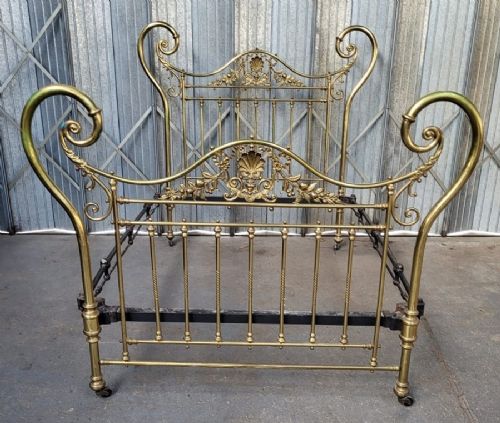
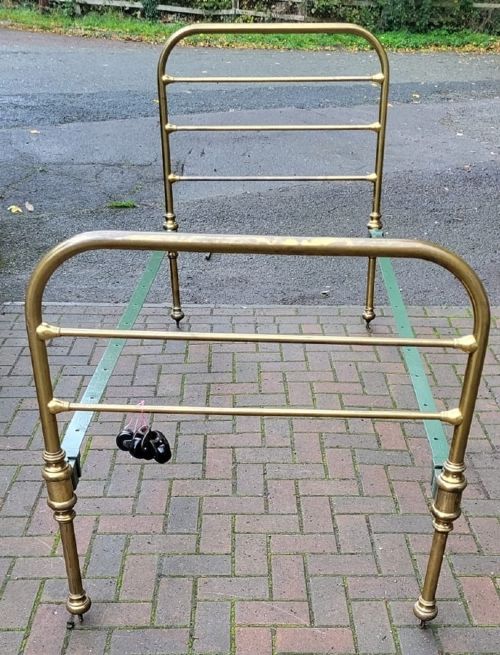
A traditional brass bed frame appears predominantly in Victorian and Edwardian iterations across single, double, king, and super king sizes. These pieces combine structural metalwork with period design styles ranging from Gothic Revival to French Provincial, with Victorian double and king sizes forming the majority of encounters on this page.
Makers such as Winfield, Hoskins and Sewell, and Maple and Co produced these bedsteads alongside unmarked workshops, utilising durable iron alongside polished brass components. Buyers encounter half testers, standard head and footboards, and no end variants configured for contemporary mattresses.
Materials and Technique
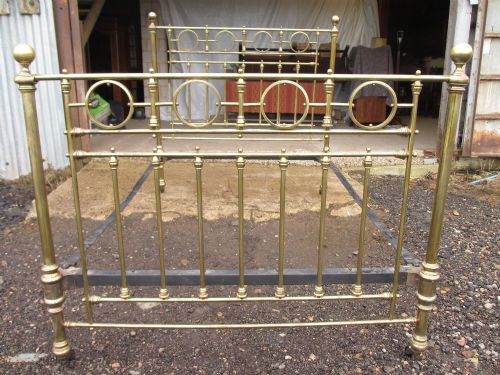
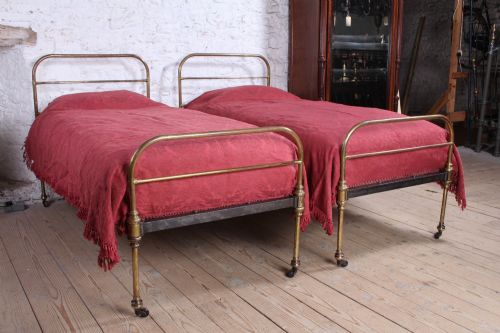
Makers constructed these frames using combinations of solid brass, cast iron, and wrought iron, frequently pairing brass tubing with iron side rails and slot-in frames set on castors. Decorative details incorporate ceramic elements, paint finishes, fabric, and occasional mother of pearl inlays.
Foundries produced ornamental details via cast metalwork, attaching decorative brass castings to tubular metal frames. Joints relied on secure iron slot-in mechanisms that allowed the headboards, footboards, and side rails to dismantle easily.
Traditional Brass Bed Frame Retail Price Guide 2026
Typical asking prices for traditional brass bed frame among the pieces listed under this phrase on Sellingantiques today, from the lower quarter to the upper quarter. They describe what is for sale here now, not the wider market.
Listings span the Victorian and Edwardian eras, incorporating materials such as solid brass, cast iron, ceramic, and mother of pearl.
Judging Quality
Quality rests in the crispness of the brass castings, the weight of the iron frame, and the presence of maker marks from firms like Winfield or Hoskins and Sewell. Exhibition quality pieces demonstrate superior decorative detail and substantial metal gauges compared to standard utility models.
The integrity of the original joints, smoothness of the castors, and retention of original components separate standard examples from finer production. Preservation of original brass surfaces without excessive modern polishing preserves the physical character of the period.
Winfield·Maple and Co·Hoskins and Sewell
The Traditional Brass Bed Frame Glossary
- Half Tester
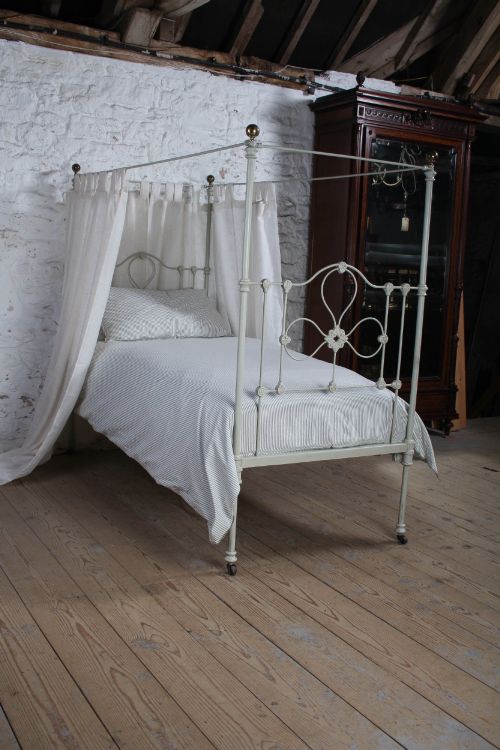
- A bedstead featuring a partial canopy extending only partway over the head of the bed, often hung with fabric curtains. This form appeared frequently in Victorian bed designs.
- Castings
- Decorative metal components poured in moulds and affixed to the main frame of the bed. Attractive castings define the aesthetic quality of Victorian iron and brass pieces.
- Dip Rail
- A footboard or headboard rail featuring a downward curve towards the centre. This configuration characterises specific Edwardian and Victorian styles.
- Winfield
- A notable nineteenth-century manufacturing firm known for producing marked iron and brass bedframes. Their pieces often exhibit tapered posts and exhibition quality construction.
Traditional Brass Bed Frame: Frequently Asked Questions
Will a traditional brass bed frame fit a modern mattress?
Many of these antique frames accommodate standard modern mattress sizes, though exact historical dimensions can occasionally vary from contemporary standards.
Buyers should verify internal length and width measurements before purchase to ensure a correct fit for modern bases and mattresses.
How do I assemble these antique metal beds?
Most pieces utilise an iron slot-in frame design where side rails drop securely into receiving brackets on the headboard and footboard posts.
This simple mechanical assembly requires no tools, though having two people helps steady the upright posts during connection.
How should I clean polished brass and iron frames?
Routine maintenance involves dusting with a dry microfibre cloth and avoiding harsh chemical abrasives that strip historical patination.
Preserving the metal surface requires gentle cleaning methods suitable for nineteenth-century lacquered or unlacquered brass.
What distinguishes Victorian styles from Edwardian ones?
Victorian frames frequently display ornate castings, Gothic Revival motifs, or half tester canopies alongside robust proportions. Edwardian examples often favour simpler lines, dip rails, and lighter visual weights.