

Cast Iron Brass Bed
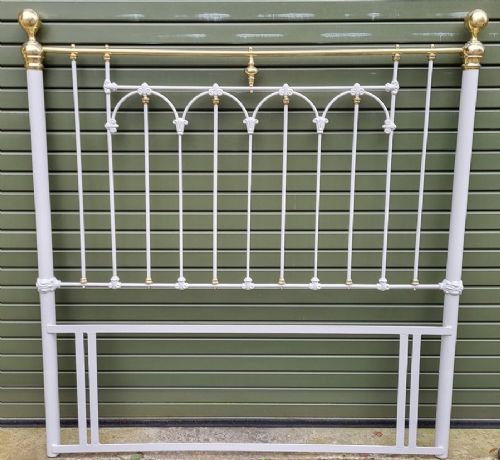
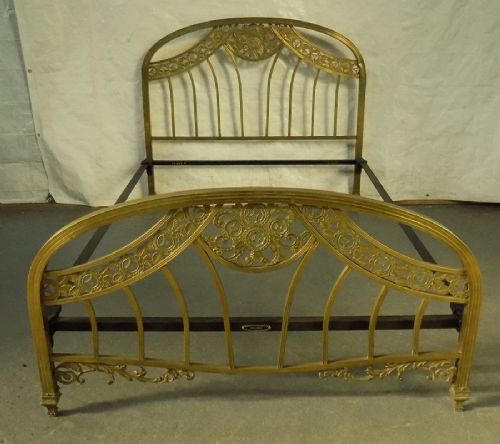
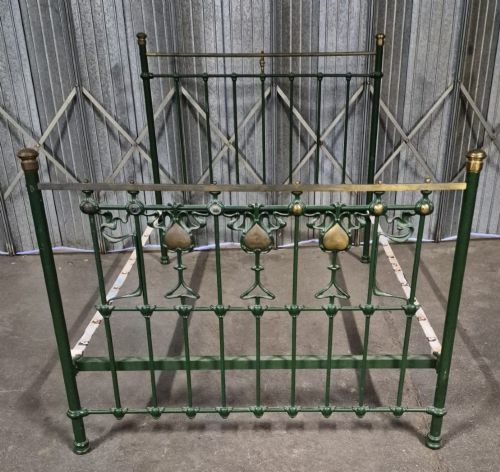
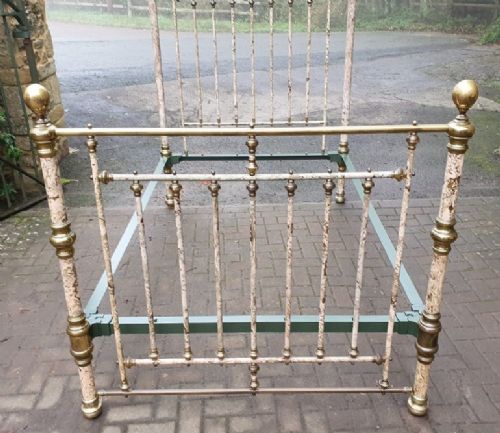
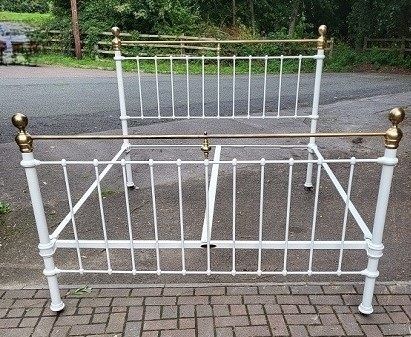
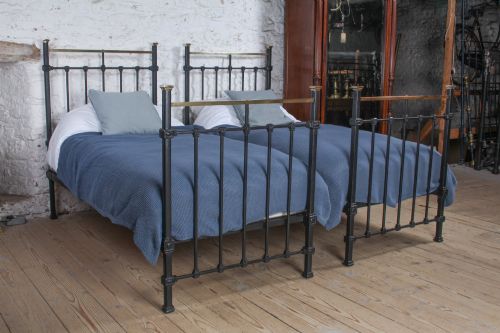
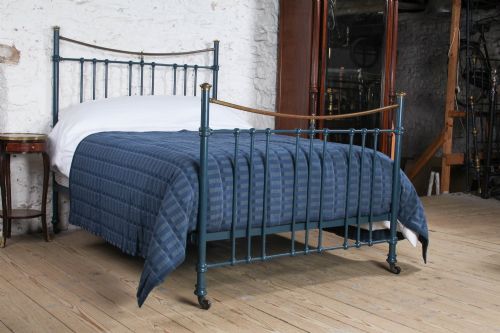
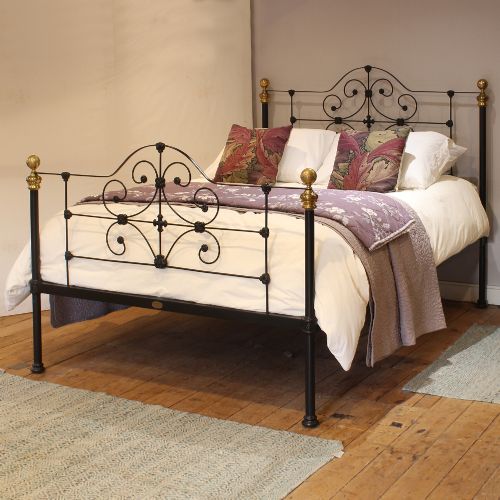
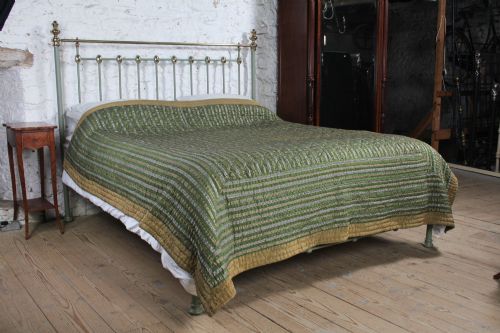
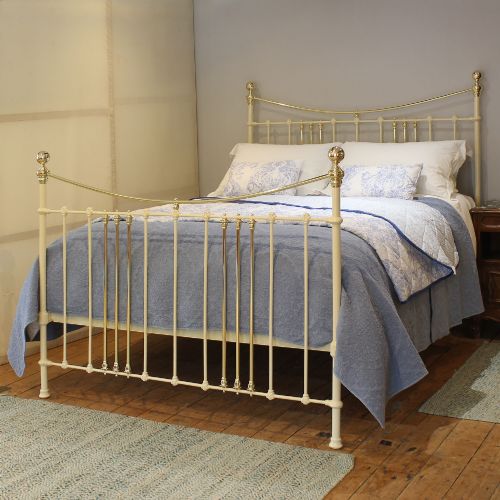
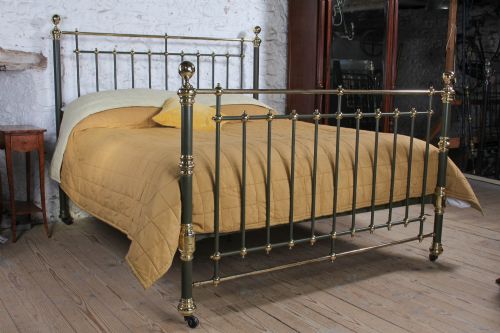
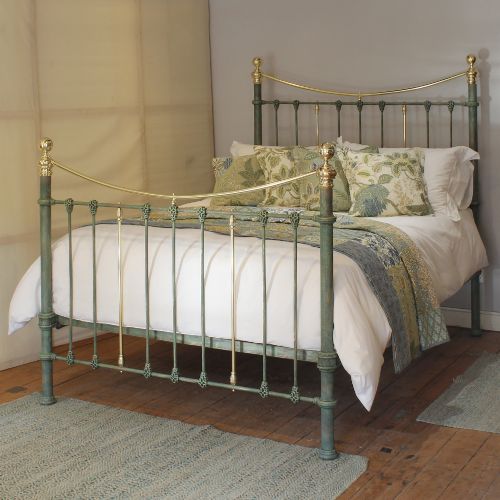
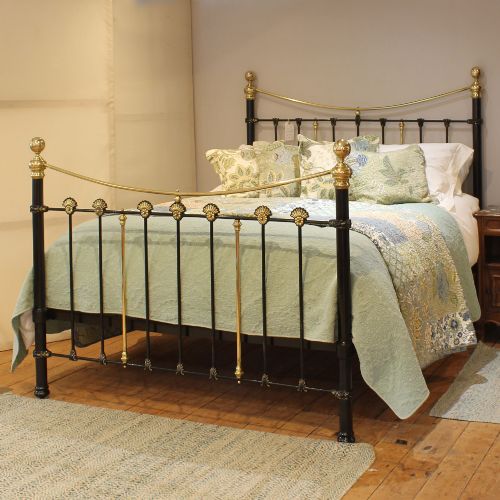
When you search for a cast iron brass bed, you find robust structural frames paired with bright metallic finials dating mainly from the Victorian and Edwardian eras.
Cast Iron Brass Bed
A cast iron brass bed combines a heavy metal frame with decorative copper-alloy components, predominantly originating from the Victorian period through to the early twentieth century. You will encounter various sizes on this page, ranging from single and double dimensions up to king and super king proportions.
Many examples incorporate specific structural forms such as half tester canopies, dip rails, or low footboards known as no end beds. The listings reflect regional origins including French and Irish variations alongside standard British pieces, often fitted with original castors.
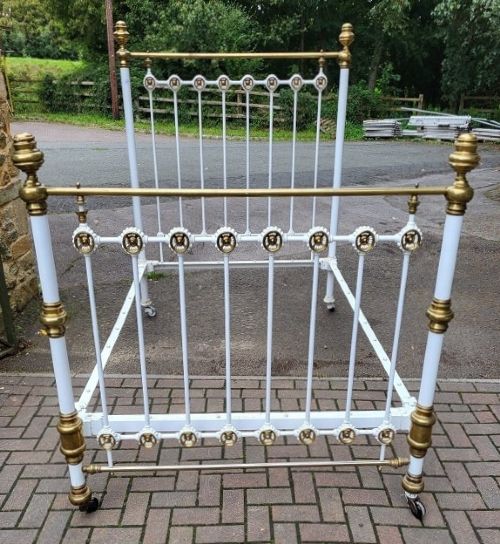
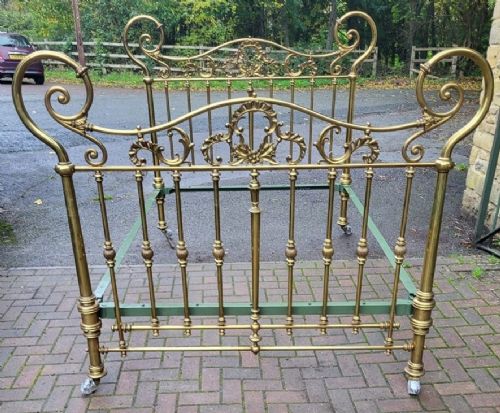
The aesthetic vocabulary spans simple straight rails to ornate curly ironwork, occasionally featuring ceramic elements, painted surfaces, or mother of pearl inlay. These pieces serve as functional bedroom furniture that brings substantial nineteenth-century presence into a modern interior.
How they were made
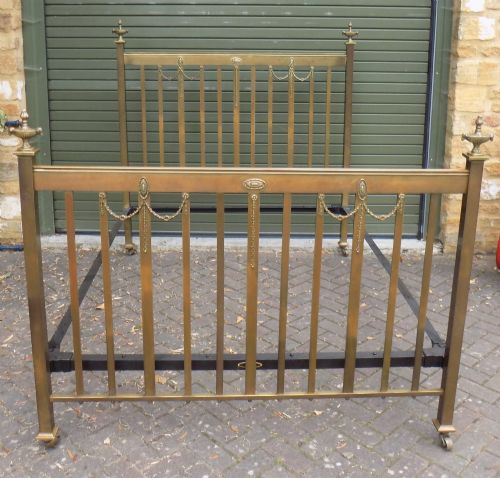
The primary construction relies on cast iron and wrought iron for the main frame, providing structural rigidity through slot-in joints and iron sides. Brass components, including spun brass tubing, knobs, and decorative vase-shaped castings, are fitted over or incorporated into the iron framework.
Surface decoration is achieved through applied paint finishes in colours such as green or black, complemented by brass clamps and detailed metal castings. Some variants include supplementary materials like ceramic inserts and mother of pearl detailing set into the metallic structure.
Cast Iron Brass Bed Retail Price Guide 2026
Typical asking prices for cast iron brass bed among the pieces listed under this phrase on Sellingantiques today, from the lower quarter to the upper quarter. They describe what is for sale here now, not the wider market.
Materials documented across the inventory include cast iron, wrought iron, brass, ceramic, paint, wood, and mother of pearl.
What varies in quality
The distinction between standard production and exhibition quality lies in the crispness of the castings and the weight of the brass components used. Finer examples display intricate detailing, superior proportions, and named maker marks such as Winfield, indicating higher workshop standards.
Structural integrity and originality also separate pieces, with fully original frames retaining their matching iron sides and castors offering greater desirability. The presence of specialised decorative elements, such as intricate brass vases or mother of pearl embellishments, elevates the standing of an individual bedstead.
Winfield
The Cast Iron Brass Bed Glossary
- Bedstead
- A framework of a bed, consisting of the headboard, footboard, and side rails designed to support a mattress. These metal examples utilise iron and brass construction rather than traditional timber.
- Half Tester
- A wall-mounted or bed-attached canopy that projects over the head of the bed, supporting a partial fabric tester. This form appears on grander Victorian examples listed in the inventory.
- Castor
- A small wheel mounted on a swivel assembly attached to the legs of the bed for ease of movement. Many period pieces retain their original castors on the foot and head posts.
- Dip Rail
- A horizontal top rail on a headboard or footboard that curves downward in the centre. This style is frequently observed on Edwardian and Victorian frames.
- No End Bed
- A bed frame featuring a full-height headboard paired with a low or absent footboard. This configuration suits rooms where a lower profile at the foot of the bed is preferred.
Cast Iron Brass Bed: Frequently Asked Questions
How do I choose the right size?
Bed sizes range from single and three-quarter dimensions up to double, king, and super king formats. Measure your bedroom space carefully, keeping in mind that nineteenth-century sizing conventions can differ slightly from modern mattress dimensions.
Check whether the frame has been adapted or retains its original iron side rails to ensure standard modern mattresses will fit securely between the posts.
Are these beds structurally sturdy?
These frames rely on heavy cast iron and robust brass components designed to support substantial weight. The side rails typically slot securely into the head and foot posts, creating a rigid assembly when properly bolted.
Over decades of use, the metal remains durable, though you should verify that the slot-in joints and iron frames are complete and straight before assembly.
How do I care for brass and iron?
Maintenance involves dusting the metal regularly with a soft cloth to prevent the accumulation of grit. Avoid harsh chemical cleaners that can strip protective lacquers or damage painted iron surfaces.
Unlacquered brass may develop a natural patina over time, which many collectors prefer, while painted iron surfaces simply require gentle wiping with a damp cloth.
Can I use modern mattresses?
Most of these antique frames accommodate standard modern mattress sizes, provided you verify the internal length and width dimensions given in individual listings. Some frames may require bespoke mattress sizing if they conform to older three-quarter or non-standard proportions.
Adding a modern slatted base or suitable support platform inside the iron frame ensures your mattress remains level and properly ventilated.