



Gold Metal Bedstead
A gold metal bedstead brings warmth and weight to a bedroom, offering a classic brass framework that anchors the room.
What these beds are
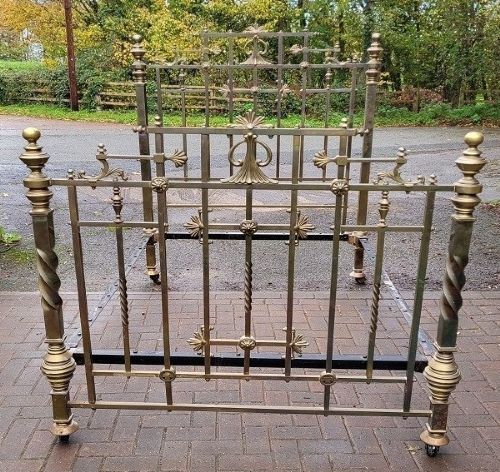
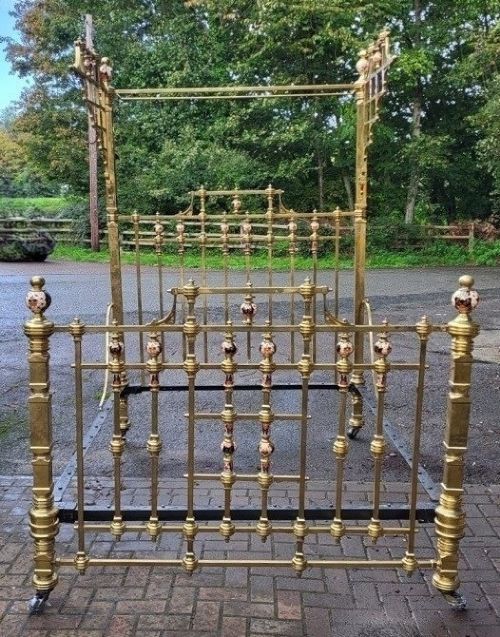
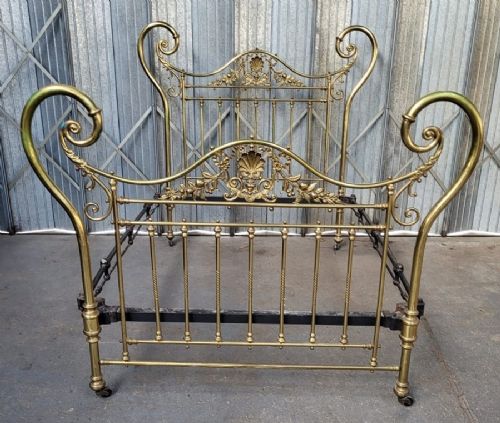
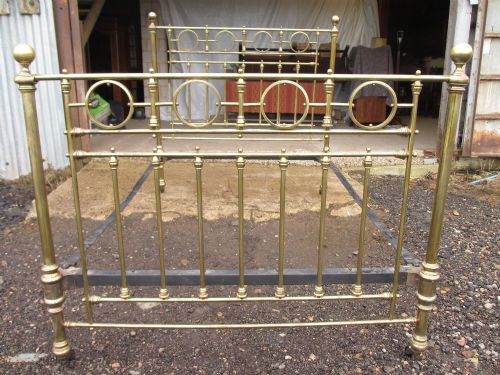
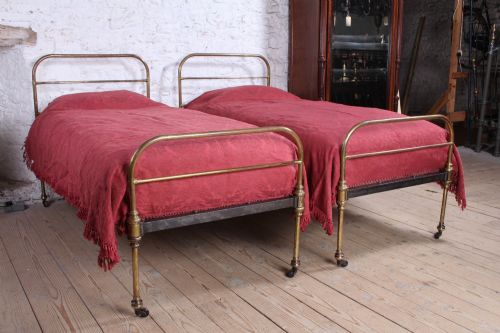
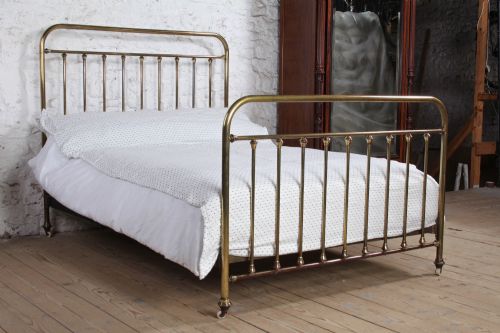
A gold metal bedstead typically refers to brass and brass-mounted frames dating from the Victorian and Edwardian eras. These pieces provide a sturdy sleeping platform while introducing a distinct metallic warmth through polished or antiqued brass finishes.
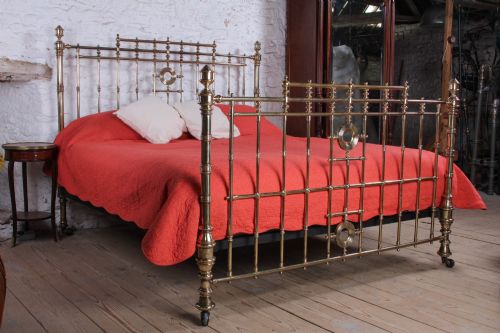
Buyers will encounter single, double, and king-size formats across this selection. The designs span from simple nineteenth-century iron-and-brass hybrids to large, highly detailed constructions.
Originating predominantly from the nineteenth and early twentieth centuries, these bedsteads represent a period of robust metalworking. They survive in various sizes, often accommodating standard modern mattresses with the help of modern or included bed bases.
Materials and construction
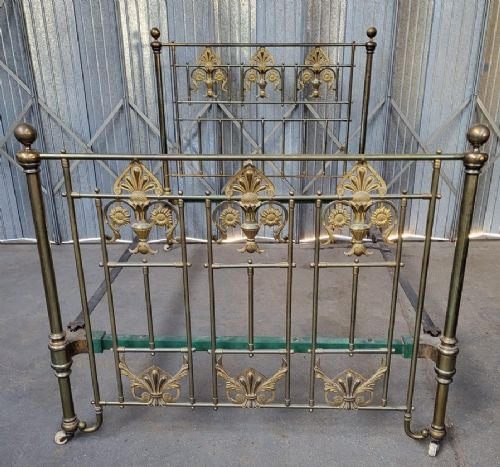
The construction relies on heavy cast iron and structural iron frames wrapped or adorned with brass components and cast brass fittings. Makers utilised heavy metal casting techniques to form robust headboards and footboards.
Surface details often include turned brass tubing, decorative cast brass collars, and joint mounts. These elements were assembled using mechanical fasteners and rigorous foundry methods typical of the period.
Retail Price Guide 2026
Typical UK retail prices for gold metal bedstead, calculated from the Sellingantiques database of over a million retail prices indexed since 2003. This retail price guide relies exclusively on Sellingantiques data; no external sources or auction records are used, so the figures do not describe the wider market.
Early makers sometimes stamped their brass tubing with secret batch numbers to keep rival foundries guessing.
Understanding quality
Quality rests in the weight and integrity of the casting rather than surface polish alone. Finer examples feature substantial brass tubing and crisply cast decorative details that remain tight at every joint.
Proportion and scale distinguish the range, with larger king-size pieces and marked maker items holding greater presence. The distinction lies in the architectural ambition of the frame and the heft of the metal components.
Shoolbred·Winfield
The Gold Metal Bedstead Glossary
- Bedstead
- The complete framework of a bed, including the headboard, footboard, and side rails, excluding the mattress. This term distinguishes the structural support from the bedding itself.
- Cast brass
- Molten brass poured into a mould to create decorative components with complex relief patterns. It provides the ornate junctions and collars seen on nineteenth-century frames.
- King size
- A larger proportion of bed frame designed to accommodate wider mattresses. In antique pieces, these require careful verification of internal dimensions.
- Iron and brass
- A mixed-metal construction method pairing structural iron for strength with visible brass for decoration. This combination defines the visual appeal of many Victorian sleeping frames.
Frequently Asked Questions
Will a modern mattress fit?
Most antique bedsteads accommodate modern mattresses when paired with a suitable supportive base. Some listings include the bed base to ensure proper fit.
It remains wise to check the internal length and width dimensions against your specific mattress size before purchase.
How do I care for brass?
Regular dusting with a soft, dry cloth preserves the finish of nineteenth-century brass components. Avoid harsh chemical cleaners that strip the aged patina.
Gentle maintenance keeps the metal stable without erasing the character accumulated over decades.
Are these beds easy to assemble?
These frames typically utilise heavy slot-in side rails and bolted joints that require basic spanners for setup. The substantial weight of cast iron and brass makes a two-person assembly essential.
Once locked together, the heavy components create a rigid and stable structure.
How do I date a metal bed?
Dating relies on stylistic clues, casting techniques, and specific Victorian or Edwardian proportion markers. Earlier nineteenth-century examples often feature simpler, heavier iron cores with robust brass mounts.
Maker marks, where present on the iron frame, provide a precise point of origin.