
Antique Brass Furniture
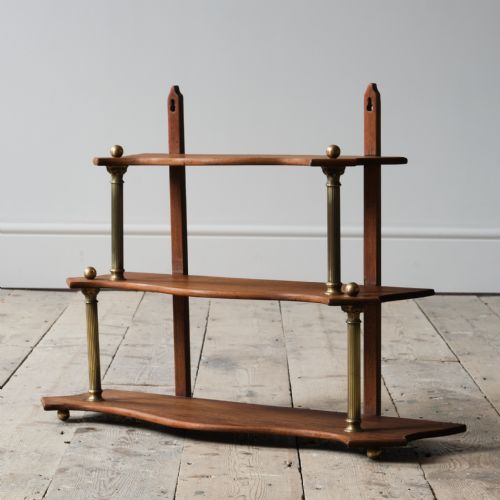
Antique brass furniture brings tactile warmth and structural clarity to a room, using metal mounts, handles and inlays to accent cabinet timbers.
Antique Brass Furniture
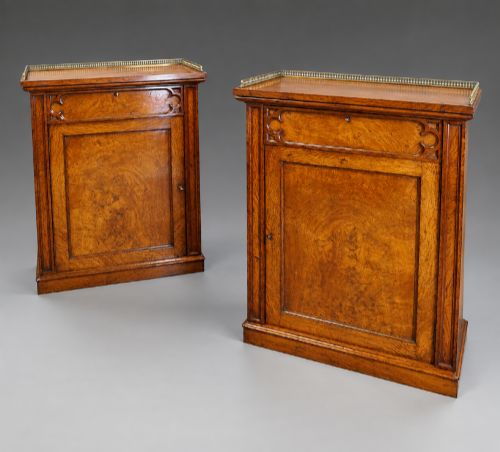
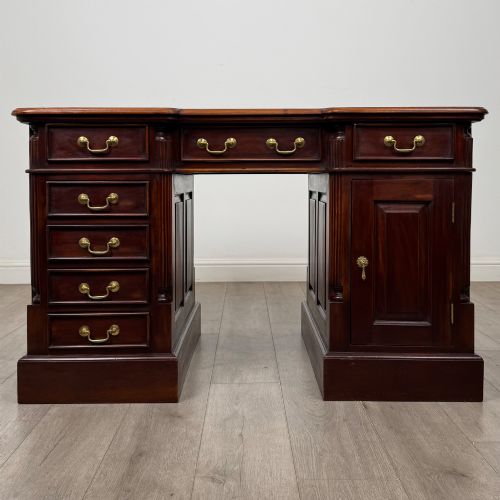
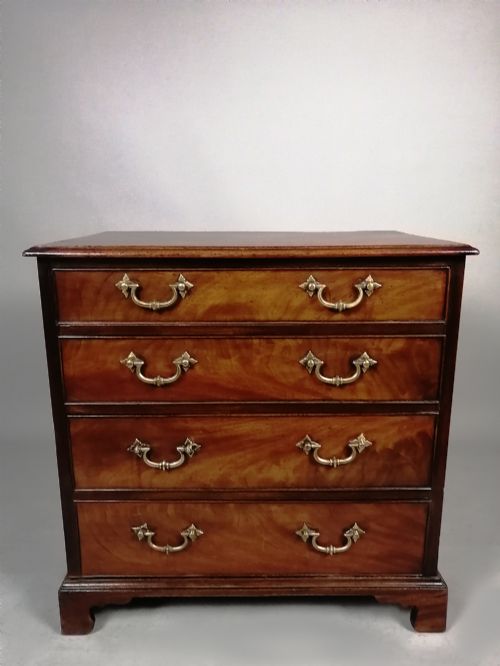
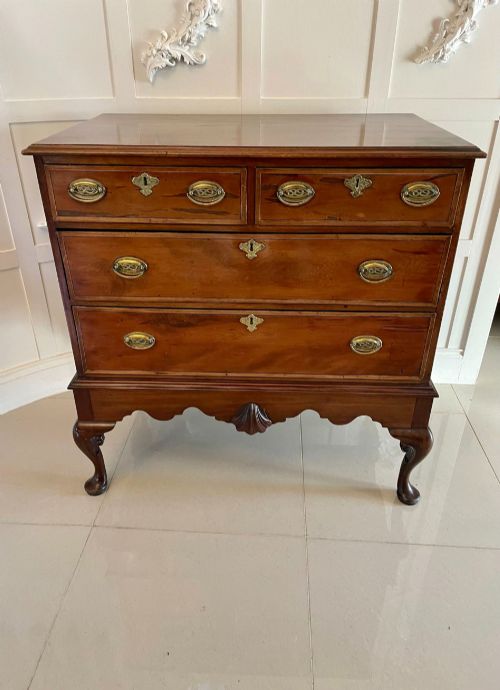
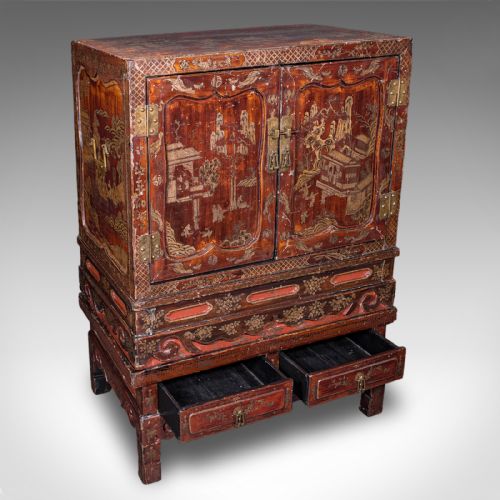
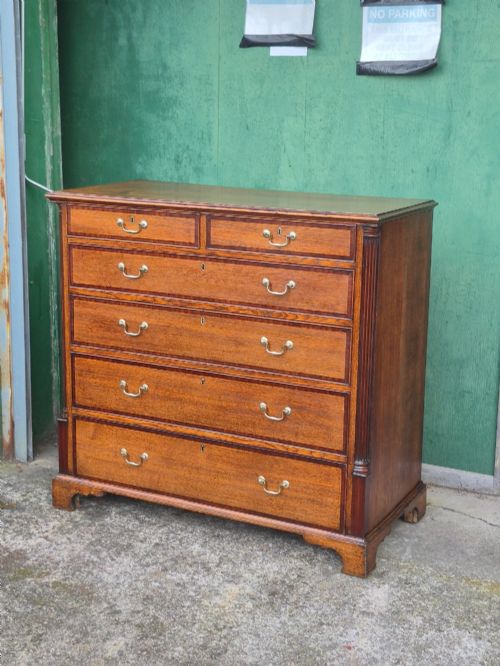
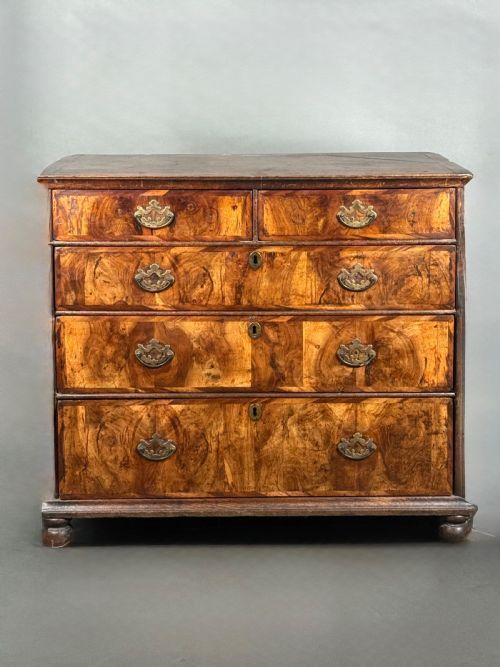
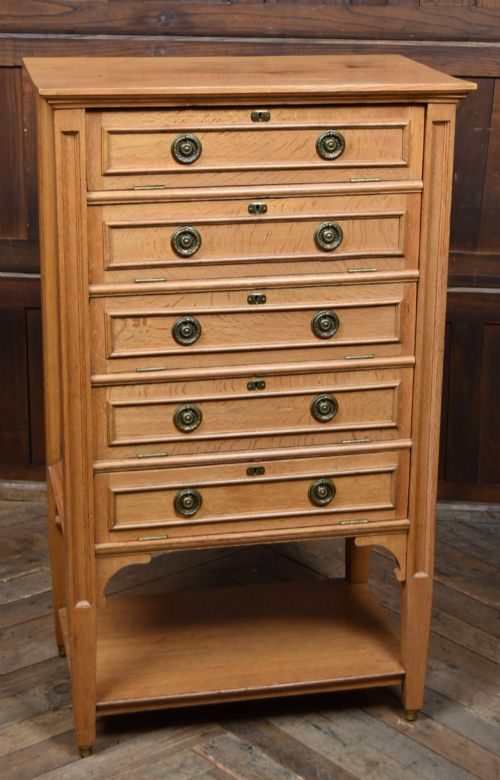
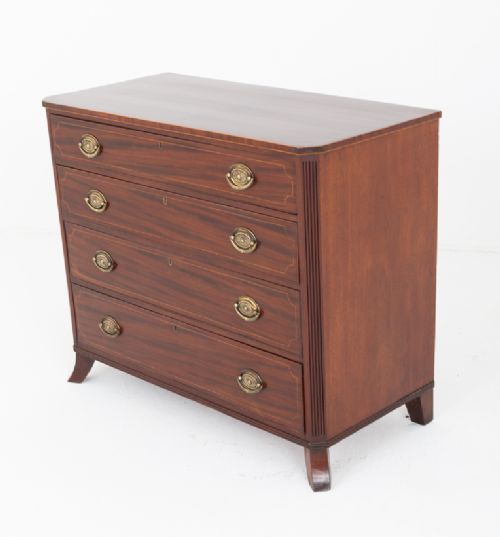
When you search for antique brass furniture, you are looking at items where brass hardware, handles, escutcheons or structural inlays define the piece. The selection here leans heavily towards case furniture and desks, particularly chests of drawers, writing tables and campaign pieces originating from the eighteenth and nineteenth centuries.
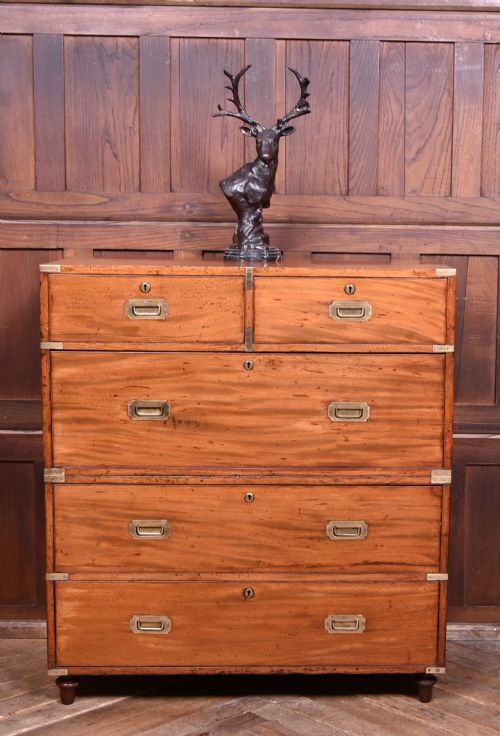
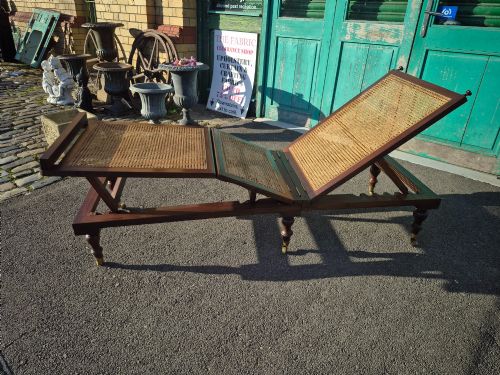
The timber frames supporting these brass elements are predominantly mahogany, oak and walnut, spanning Georgian, Regency, Victorian and Edwardian periods. You will encounter campaign chests fitted with brass corners and flush handles designed for travel, alongside refined writing tables and dressers finished with original brass mounts.
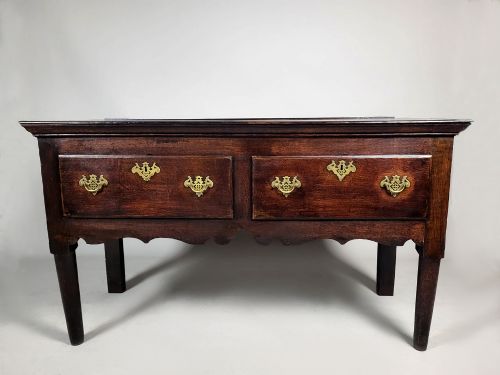
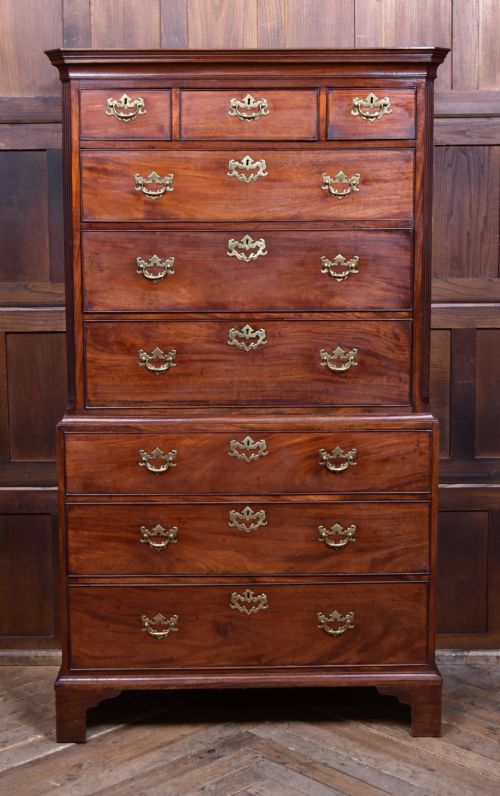
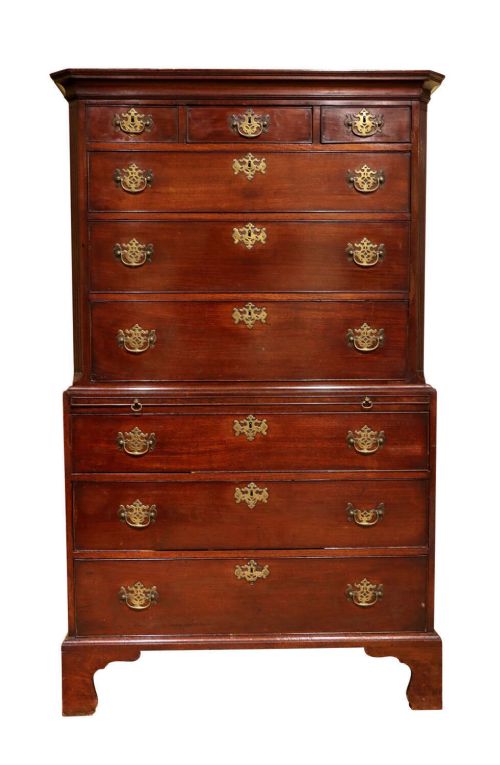
Many of these pieces integrate brass as both utility and ornament, from the pierced brasses on George III chests to the delicate brass stringing inlaid into Regency rosewood. The variety ranges from vernacular oak dresser bases to grand walnut chests and desks associated with notable cabinet makers.
How they were made
The construction relies on dense cabinet timbers such as mahogany, oak, walnut and rosewood, joined with traditional methods like dovetailing for drawers and mortise and tenon frames. Brass was cast, hand-beaten or rolled into sheets before being shaped into decorative appliques, drop handles, locks and corner brackets.
Metalwork was integrated into the woodwork through careful chiselling and mortising so that plates, escutcheons and inlaid stringing sat flush with the timber surface. Campaign pieces required specialised brass binding screwed firmly into corners and edges to withstand the rigours of transit.
Listings feature eighteenth and nineteenth-century periods, showcasing oak, mahogany, walnut and rosewood furniture accented with brass hardware and inlay.
What varies in quality
The distinction between tiers rests upon the crispness of the brass casting and the integrity of its retention. Superior pieces retain their original pierced brasses, locks and handles, whereas lesser examples feature later replacements or poorly fitted mounts that disrupt the line of the wood.
Timber selection and secondary wood usage also dictate the grade of a piece, with figured veneers, solid mahogany drawer linings and meticulous brass inlay separating standard utility items from top-tier workshop productions.
Whytock and Reid·Gillows Oxford Street Workshop·Hewetsons London·Trollope and Sons·George Bullock·Dubois of Lyon
The Antique Brass Furniture Glossary
- Escutcheon
- A protective plate surrounding a keyhole, frequently cast in brass with decorative pierced outlines. It prevents the timber around the lock from splitting through repeated use.
- Campaign chest
- A portable set of drawers split into sections for military travel, fitted with recessed brass drop handles and protective brass corners. This construction protected the edges during transport.
- Brass stringing
- Thin lines of brass inlaid into grooves cut in the timber surface to form geometric or linear borders. It is characteristic of fine Regency and nineteenth-century cabinet work.
- Brassing
- The application or appearance of brass alloy, though in antique contexts it more commonly refers to the patinated metal mounts and hardware found on period cabinetry.
Antique Brass Furniture: Frequently Asked Questions
How do I care for antique brass hardware?
Keep brass mounts clean with a dry cloth and avoid harsh chemical polishes that strip away the historical patina. Natural age darkening is desirable and protects the metal.
Ensure the surrounding wood is conditioned with appropriate wax rather than silicone sprays, keeping furniture away from direct heat sources to prevent timber shrinkage around metal inlays.
What defines campaign furniture?
Campaign items were built for officers on military campaigns, featuring modular designs that dismantled easily. Recessed brass handles and corner brackets prevented snagging during transit.
These pieces use durable timbers like mahogany and camphor wood, combining structural portability with the refined finish expected in domestic settings.
Are brass handles original?
Check the interior of the drawer timber for filled holes that indicate previous handle configurations. Original brasses usually leave consistent impression rings and match the period of the piece.
Replacement hardware is common in antique furniture due to heavy daily use, though matched period replacements are acceptable if executed with historical sympathy.
How do I date a brass-mounted chest?
Examine the construction of the drawers, including hand-cut dovetails and the choice of secondary woods like oak or pine. Earlier pieces from the eighteenth century often feature distinct cast brasses and simpler internal mechanics.
Nineteenth-century examples introduce machine-rolled brass, flush campaign fittings and more complex veneering techniques on carcases of mahogany or walnut.