
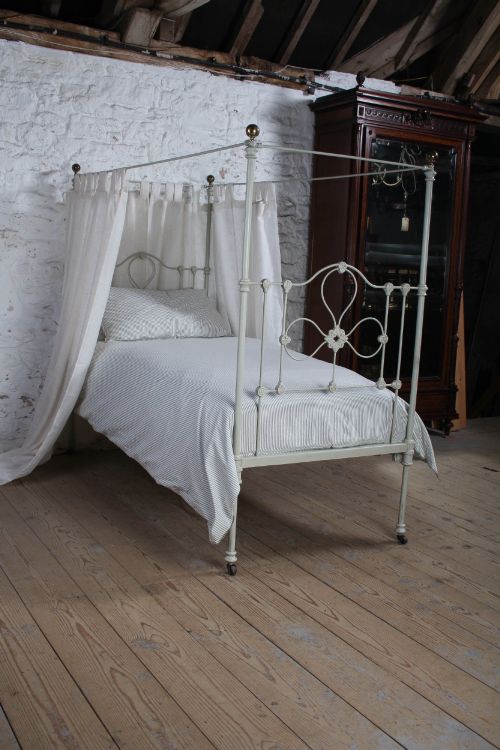
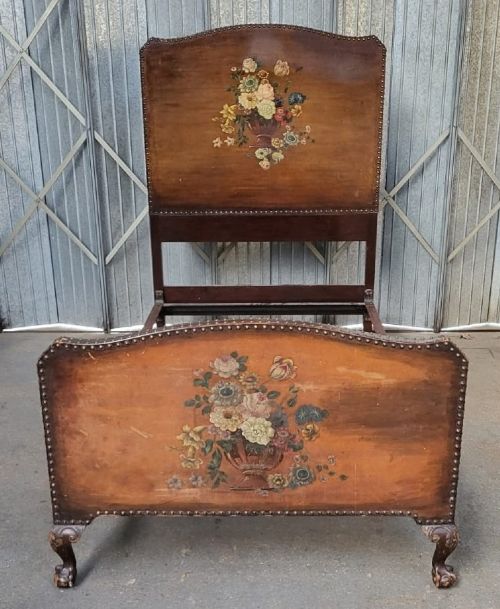
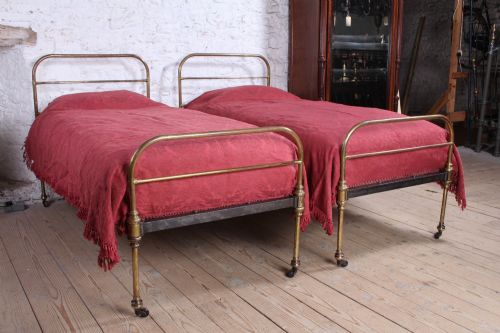
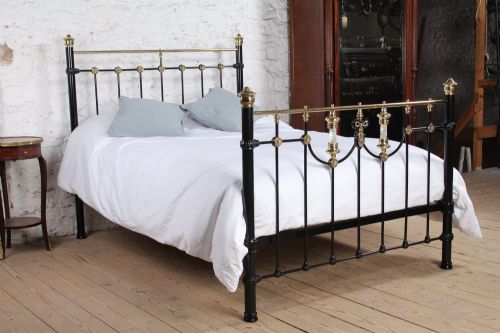


Edwardian Brass Bedstead
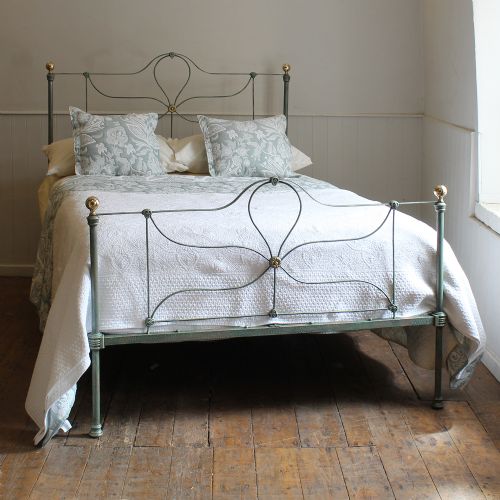
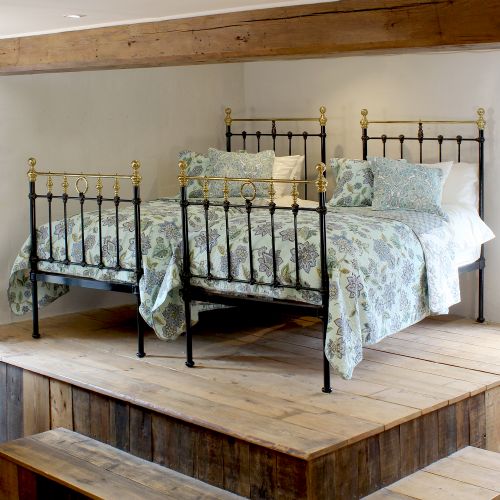
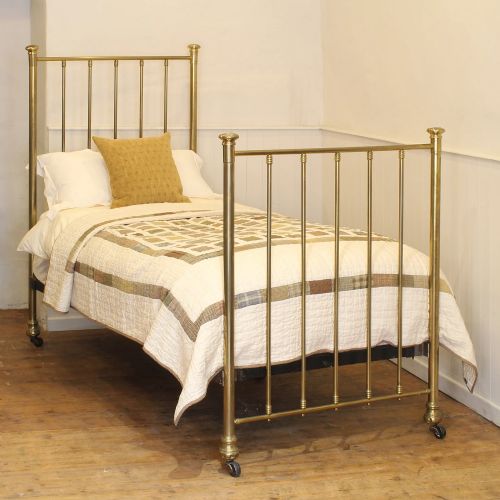
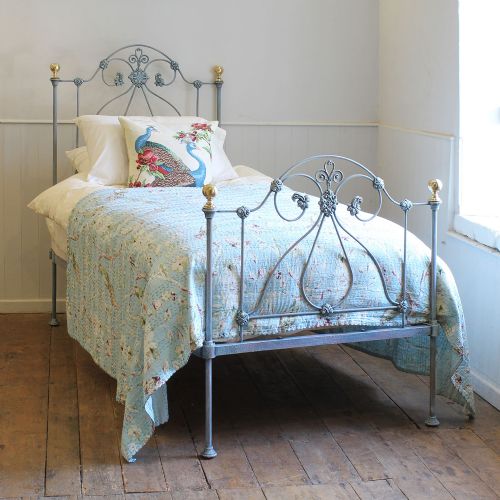
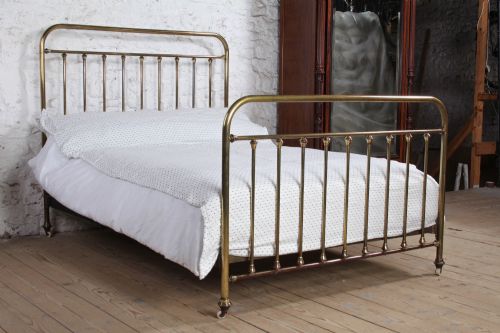
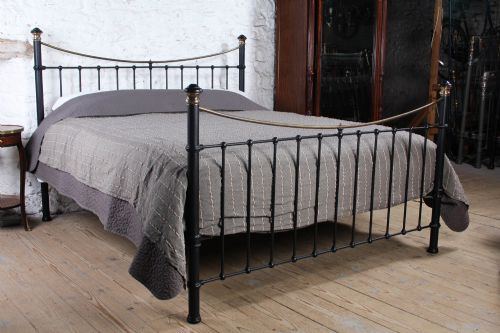
An edwardian brass bedstead brings solid construction and warm metal polish to a bedroom, offering a sturdy frame with period character.
Edwardian Brass Bedstead
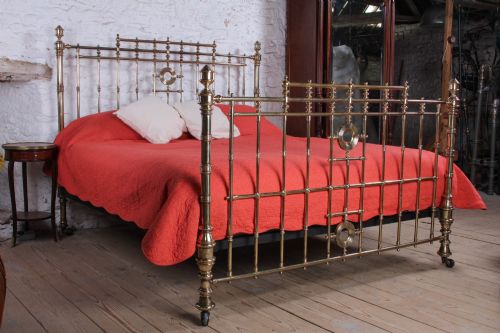
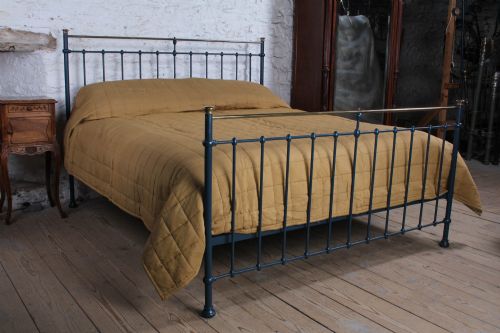
When you search for an edwardian brass bedstead, you encounter metal frames spanning single, double, king and super king sizes, often paired with iron or wood. These pieces combine structural metal strength with decorative metal tubing, casting and detailing typical of the early twentieth century.
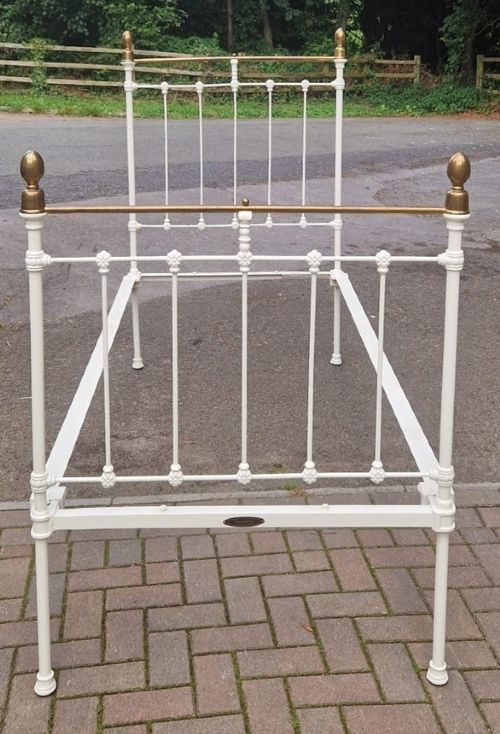
The versions most common in these listings include iron and brass combinations, dip rail designs, and examples featuring painted or polished finishes. Makers of the period produced both simple domestic sleepers and ornate frames featuring mother of pearl or marquetry details.
Originating from the Edwardian era alongside late Victorian and early twentieth century periods, these frames reflect robust domestic manufacturing. Buyers select them for guest rooms and master suites where historic metalwork provides a focal point.
How they were made
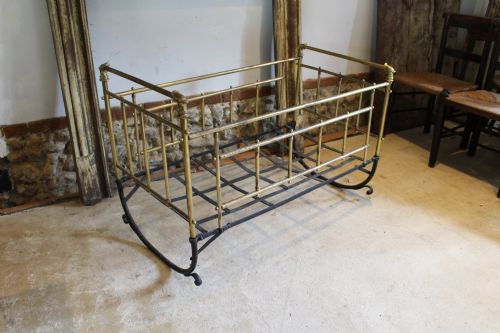
Makers constructed these frames using solid brass tubing, cast iron and wrought iron, frequently combining black or cream painted iron components with polished brass spindles and caps. Timber elements such as maple or walnut also appear alongside the metalwork.
Techniques relied on metal casting, hand forging and tube bending to create secure joints and decorative bed ends. Brass components were polished and lacquered or left to age naturally, while iron parts received durable painted finishes.
Edwardian Brass Bedstead Retail Price Guide 2026
Typical asking prices for edwardian brass bedstead among the pieces listed under this phrase on Sellingantiques today, from the lower quarter to the upper quarter. They describe what is for sale here now, not the wider market.
Materials recorded include mother of print, leather, timber, maple and walnut paired with metal framework.
What varies in quality
Quality in these metal beds rests on the heaviness of the casting, the gauge of the brass tubing and the integrity of the structural joints. Superior examples feature crisp casting details, heavy gauge metal and original matching components without replacement parts.
The refinement of decorative elements, from tapered posts to hand painted panels or mother of pearl inlay, distinguishes standard domestic models from more elaborate commissions. The preservation of original surface finishes, whether japanned iron or bright brass, also dictates the standing of a piece.
Maple and Co·Winfield
The Edwardian Brass Bedstead Glossary
- Dip rail
- A top rail on a headboard or footboard that dips downward in the centre, characteristic of Edwardian bedstead design. This contour softens the silhouette of the metal frame.
- Cast iron
- Iron poured into a mould to form rigid structural parts and decorative motifs for bed frames. It provides the heavy base weight needed for stability.
- Japanned
- A style of hard, glossy dark finish applied to iron framework, mimicking traditional Japanese lacquer. It offers a durable protective coating on antique metal furniture.
- Half tester
- A bedstead featuring a canopy that extends only partway over the head of the bed rather than covering the full length. This form provides a commanding architectural presence.
- Four poster
- A bed with four vertical columns supporting an upper tester or standing alone as tall corner posts. This substantial form creates a strong vertical emphasis in a room.
Edwardian Brass Bedstead: Frequently Asked Questions
How do I clean a brass bedstead?
Dust the metal regularly with a soft dry cloth to prevent the accumulation of grime on the polished surfaces. Avoid abrasive cleaners that might strip historic lacquers or scratch the brass.
For unlacquered sections requiring attention, use a mild metal polish applied sparingly with a soft cloth. Buff gently to restore the shine without removing the underlying character of the metal.
How do I assemble a metal bed?
Most antique metal beds utilise side rails that lock into the headboard and footboard posts using tapered wedge joints or bolts. Align the side rails carefully with the slots on the posts and tap gently into place with a mallet if necessary.
Ensure the frame is square on the floor before tightening any bolts or securing slats. Assistance is helpful when positioning the heavy iron and brass components.
Are brass beds sturdy enough for daily use?
Constructed from heavy gauge iron and brass, these frames were engineered for robust daily domestic service. The substantial metal weight provides inherent stability and long term durability.
Checking that all joints remain tight ensures the frame supports modern weight distribution safely. Proper assembly guarantees the bed performs reliably for everyday sleeping.