

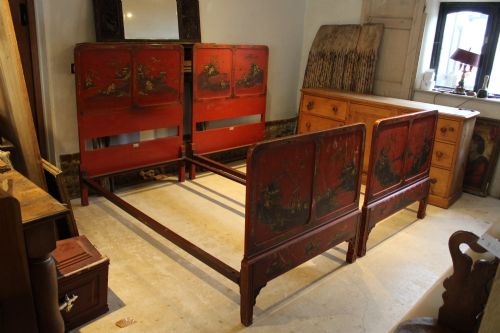
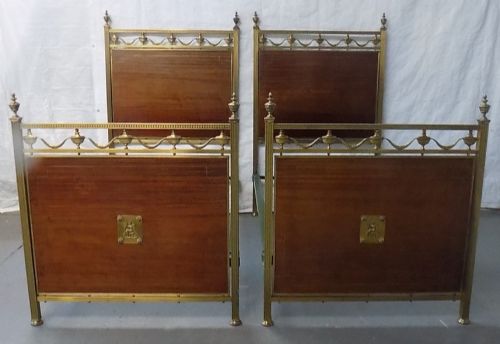
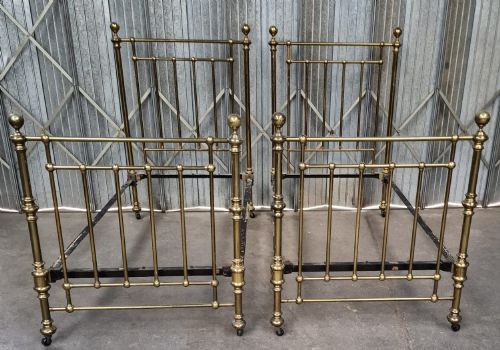
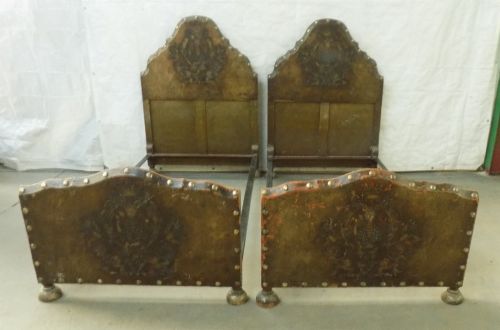
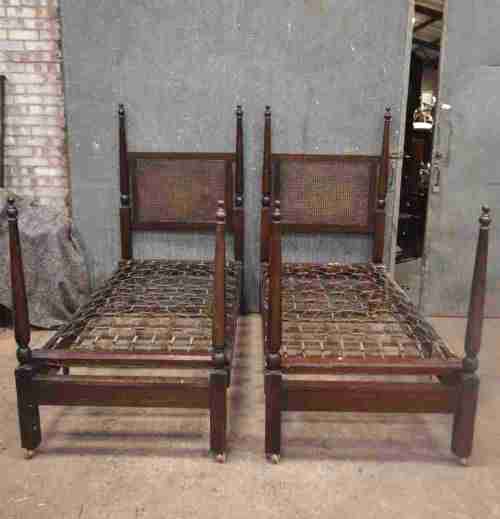
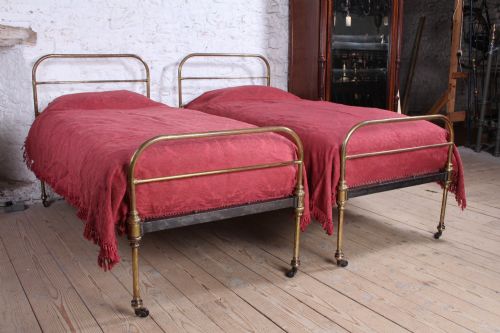
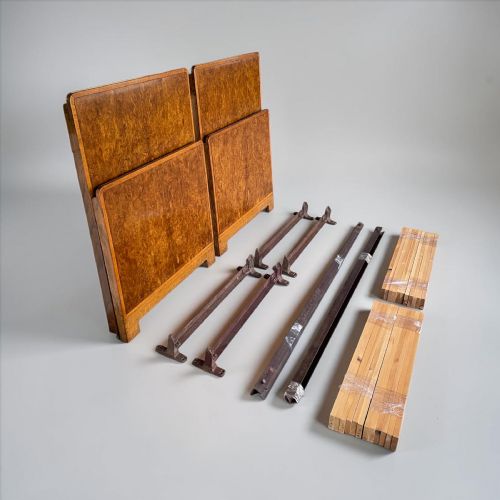
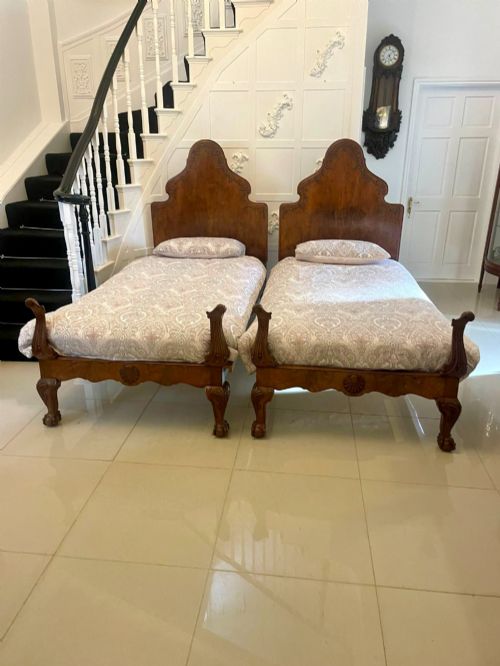
Pair of Single Beds
When sourcing a pair of single beds, collectors seek matched dual sleeping frames spanning Victorian, Edwardian, and Art Deco periods.

Pair of Single Beds
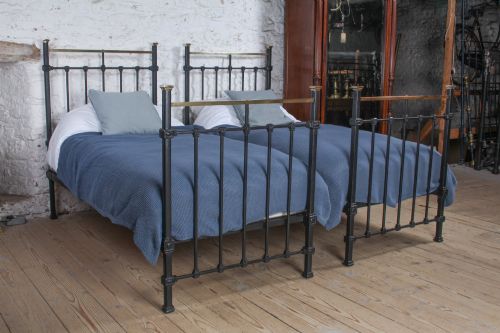
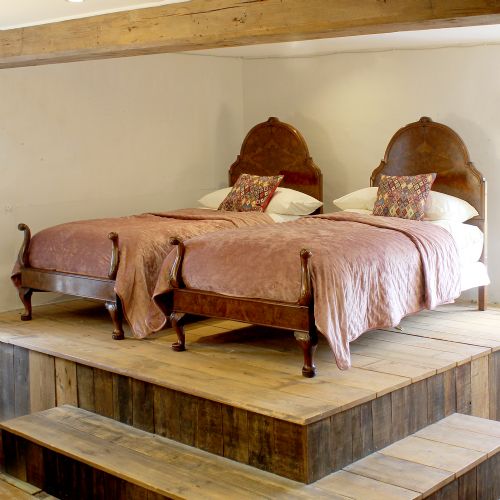
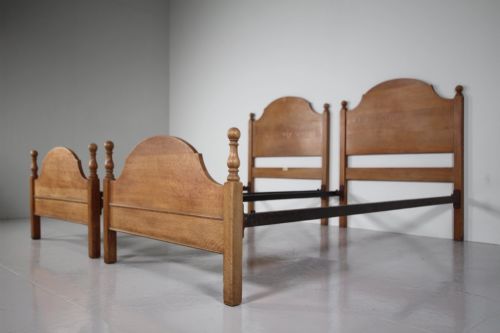
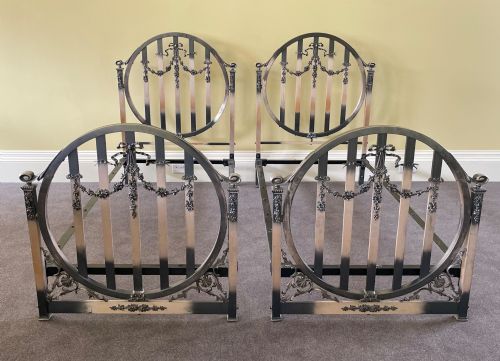
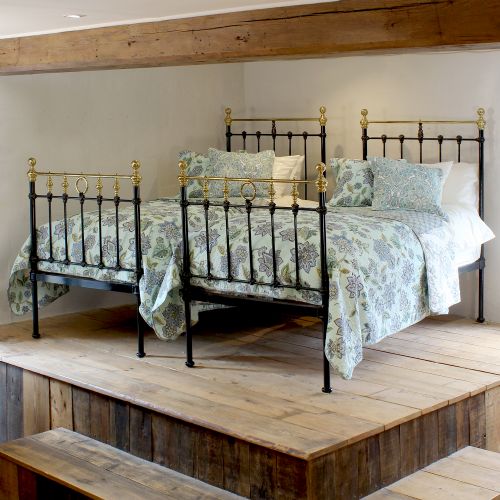
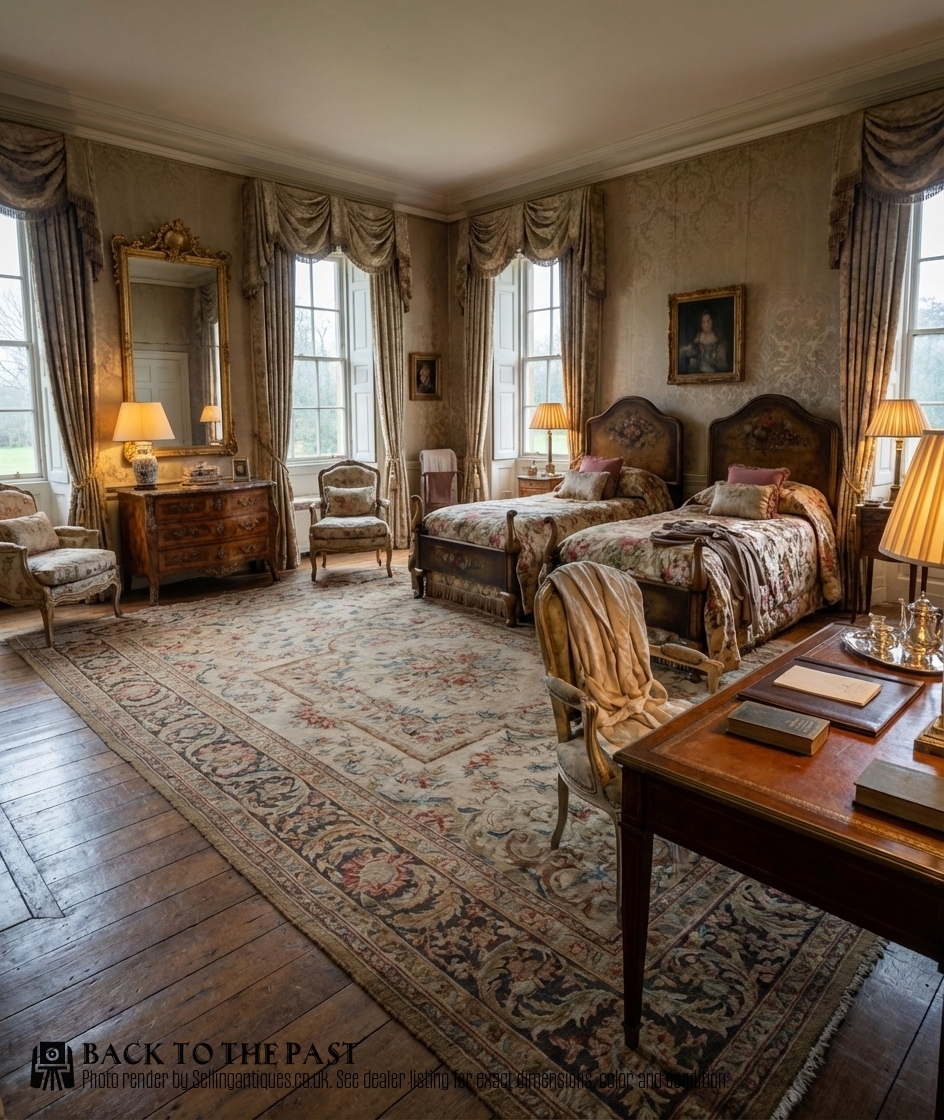
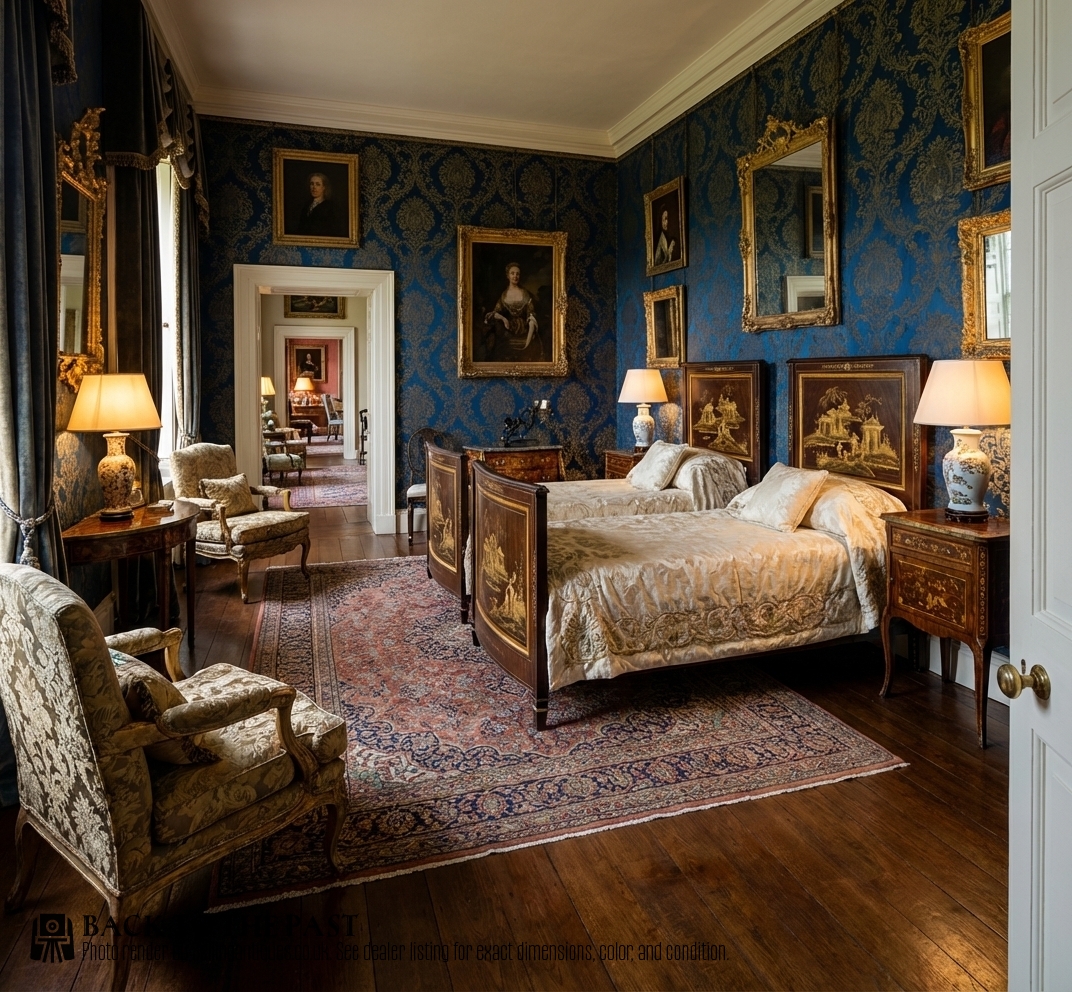
A pair of single beds comprises matched dual bedframes designed to sit alongside each other or function independently across various bedroom spaces. Buyers searching for a pair of single beds encounter designs originating from the late nineteenth century through to the 1930s.
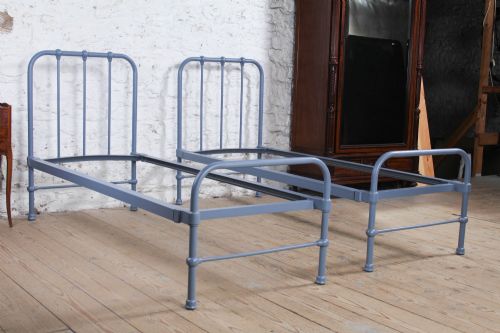
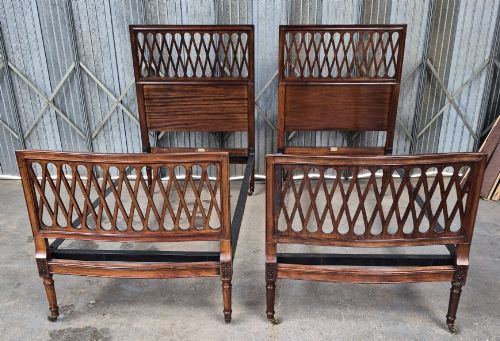
The selection ranges from utilitarian iron frameworks and brass bedsteads to substantial hardwood furniture in oak, walnut, and mahogany. Many examples incorporate clever engineering allowing individual frames to be joined together into larger sleeping arrangements.
Materials and construction
Metal frames utilise cast iron, wrought iron, and brass, often combining structural iron with decorative brass accents or nickel plating. Wooden variants employ solid and veneered timbers including oak, walnut, satinwood, and mahogany.
Joinery techniques display traditional cabinet making alongside industrial metalworking, incorporating carved details, inlaid marquetry, and painted polychrome finishes.
Pair of Single Beds Retail Price Guide 2026
Typical asking prices for pair of single beds among the pieces listed under this phrase on Sellingantiques today, from the lower quarter to the upper quarter. They describe what is for sale here now, not the wider market.
Factors influencing quality
Quality rests upon the integrity of the timber selection, such as figured burr walnut or quarter-sawn oak, matched against the crispness of carved ornamentation and inlay work. Maker attribution through original labels or stamps significantly elevates a piece.
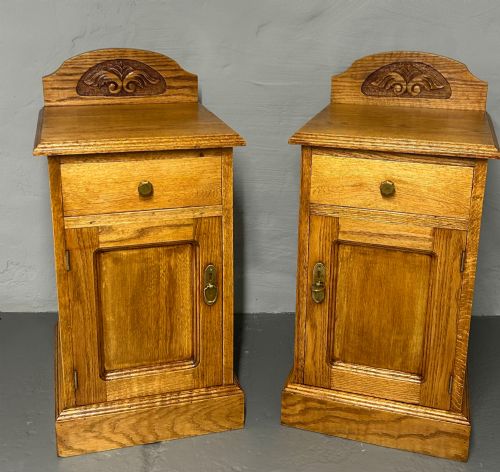
The precision of metal casting, the preservation of original lacquers on brass, and the survival of matching side furniture or integrated bedside tables distinguish exceptional commissions from standard production.
Heals·Hoskins and Sewell·Shapland and Petter·Liberty London·Edward Barnsley·Gordon Russell
The Pair of Single Beds Glossary
- Bedstead
- The framework of a bed consisting of headboard, footboard, and side rails. It supports the mattress base.
- Bergere
- A closed-upholstered armchair or panel style utilising woven cane webbing. This technique appears frequently on Edwardian and Arts and Crafts wooden headboards.
- Corbeille
- A French bed style featuring an incurved, rounded headboard and footboard resembling a basket. It provides a distinct enclosed silhouette.
- Inlay
- A decorative technique where contrasting materials such as satinwood are inserted into depressions within a solid wood surface. This creates flat ornamental patterns.
- Platform bed
- A low-profile bed frame designed to support a mattress directly without traditional box springs. Many historic examples include integrated side platforms.
Pair of Single Beds: Frequently Asked Questions
Can these single beds be pushed together?
Many historic single bedframes are constructed specifically to be joined together into a unified larger bed base. Listings frequently note whether particular pairs include this joining capability.
Buyers should verify the rail and hook configurations to ensure compatible alignment when placing two frames side by side.
What mattress sizes fit antique beds?
Historic single bed dimensions often vary slightly from modern standard mattress sizes, particularly Victorian and Edwardian examples. Measuring the internal frame dimensions accurately before sourcing a mattress is essential.
Many period frames accommodate standard single mattresses, though custom or bespoke sizing may be required for older or narrower widths.
How do I date a wooden bed frame?
Dating relies upon stylistic markers, timber choices, and construction methods characteristic of specific periods like the Victorian era or 1930s Art Deco. Documented makers' labels or stamps provide definitive manufacturing dates.
Secondary woods, screw types, and decorative motifs such as inlay or carving help narrow the decade of production.
Are brass and iron beds easy to maintain?
Metal frames require minimal upkeep beyond dusting and occasional gentle cleaning to preserve the metal finish or original lacquer. Avoiding abrasive chemical cleaners protects vulnerable surface platings.
Iron frames finished in paint or enamel simply require dry wiping to maintain their condition over decades of domestic use.