


Antique Twin Bed Frames
Antique twin bed frames bring together nineteenth and early twentieth century craftsmanship, offering proportion and character for smaller bedrooms.
Antique Twin Bed Frames
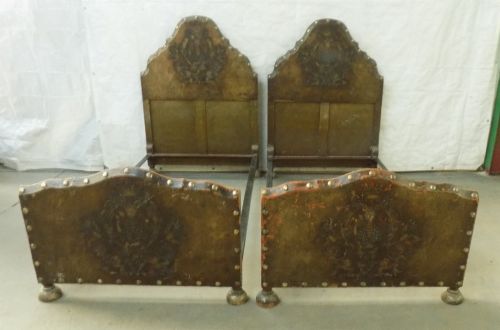
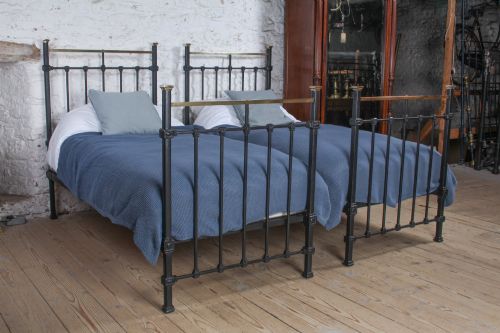
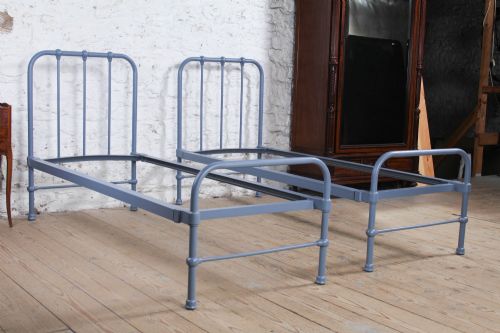
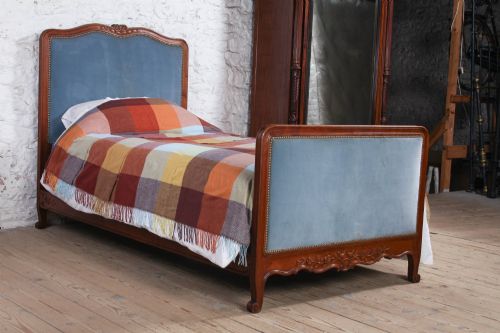
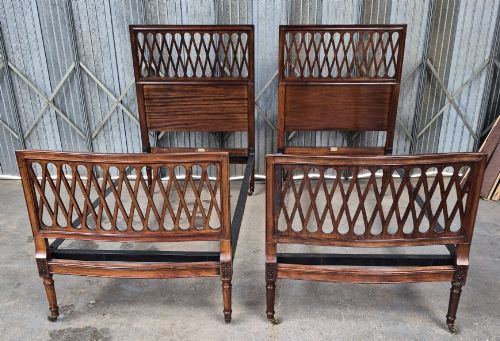
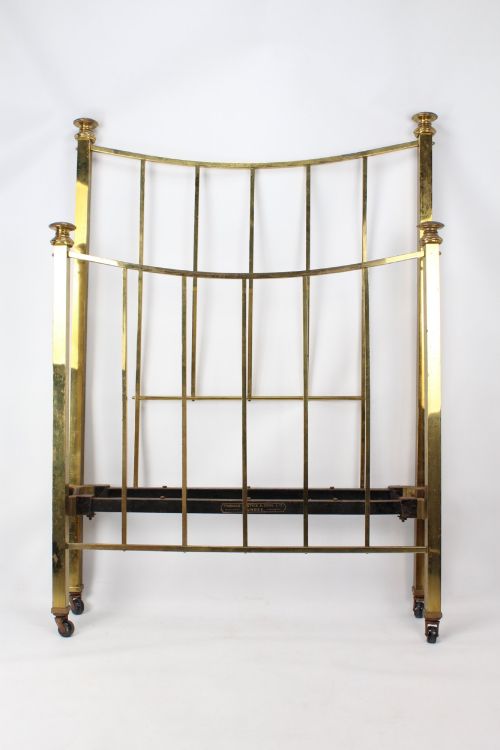
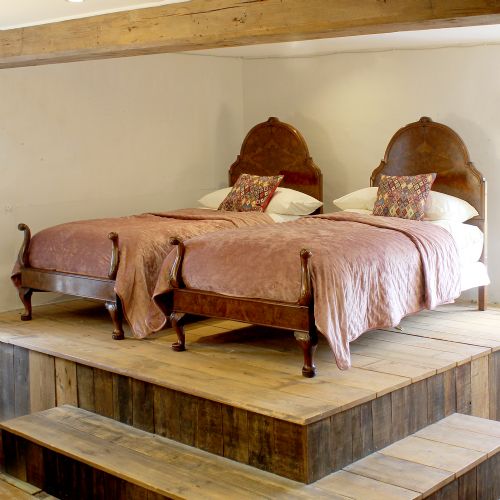
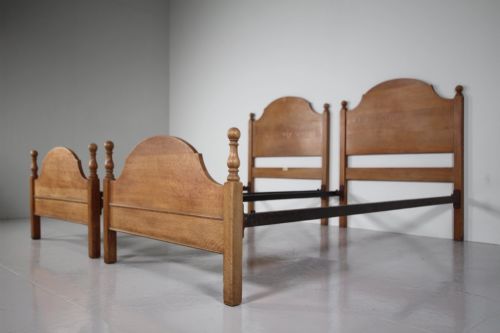
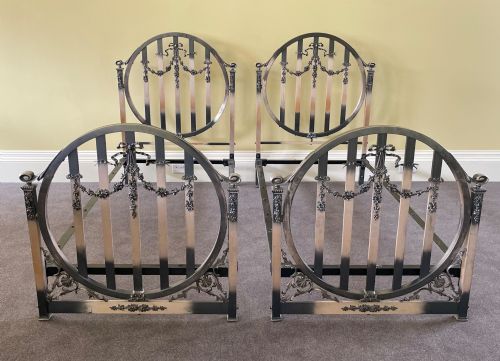
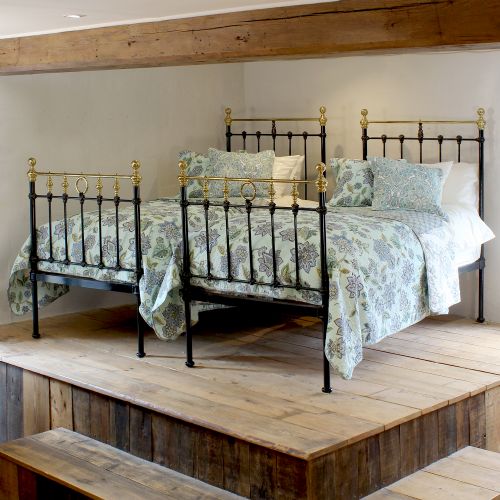
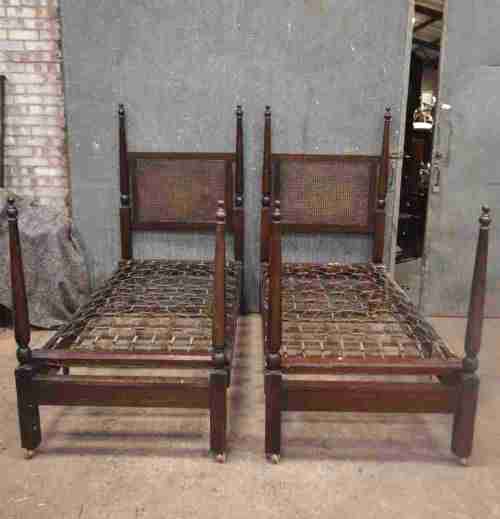
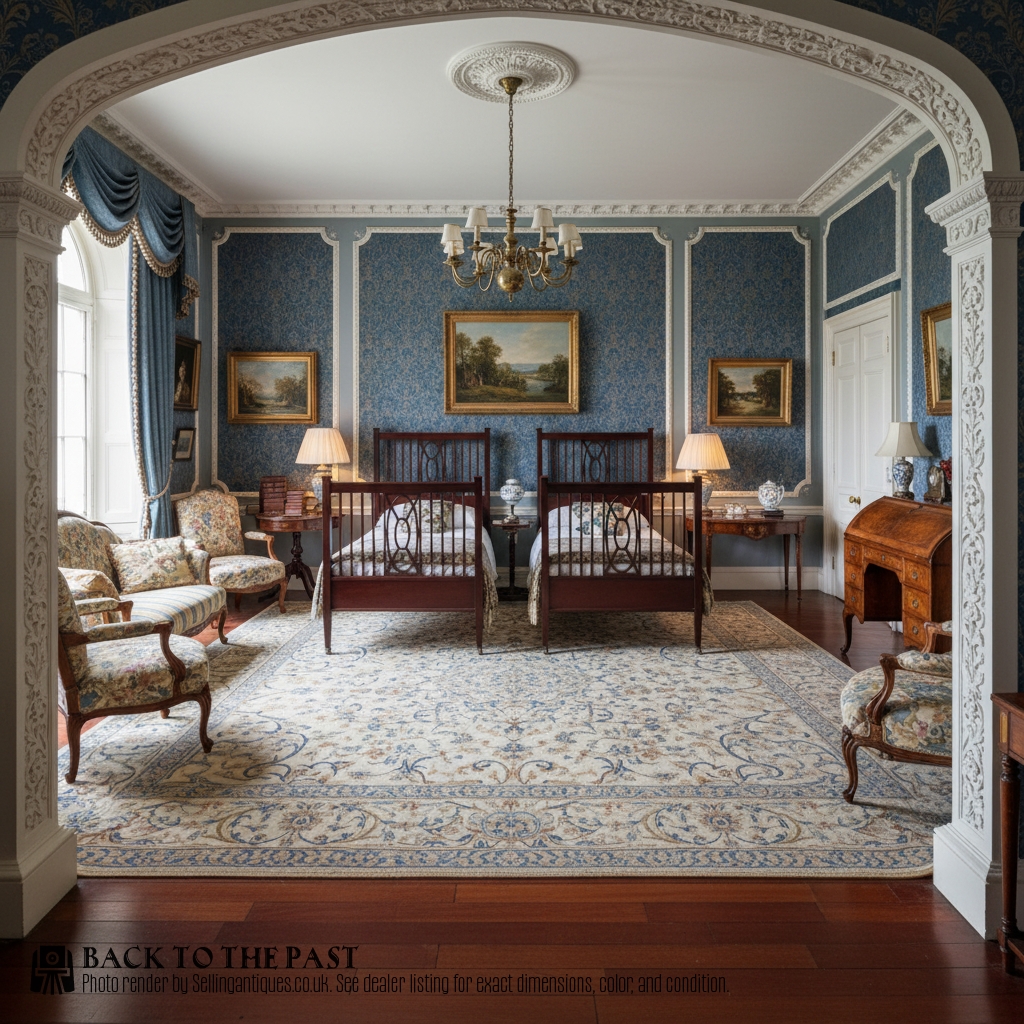
When you search for antique twin bed frames, you encounter single beds, bedsteads, and paired frames spanning the Victorian, Edwardian, and 1930s periods. The pieces appearing here range from robust iron and brass framework to sophisticated timber constructions designed for single sleepers.
Makers from the Arts and Crafts movement, Art Deco period, and classical French traditions heavily influence the forms seen on this page. Buyers frequently discover matching pairs designed to sit together or join into larger configurations.
The materials span solid woods such as oak, walnut, mahogany, and satinwood alongside cast iron, wrought iron, and polished brass. These frames reflect domestic sleeping arrangements from eras when furniture scale prioritised compact rooms.

Construction and Materials
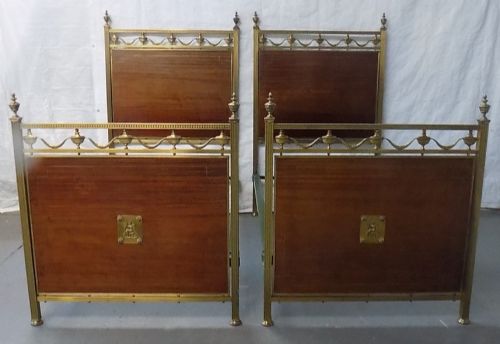
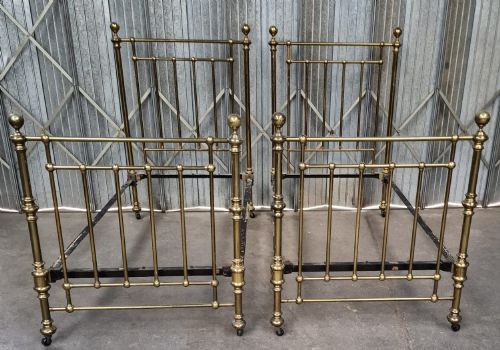
Makers utilised heavy cast iron and brass for structural stability, often combining metal tubing with decorative brass castings and iron scrollwork. Timber frames relied on traditional joinery, incorporating carved walnut, figured mahogany, and quarter-sawn oak.
Surface treatments included hand-applied paint, polychrome detailing, and polished veneers of satinwood or fruitwood. Metal components received nickel plating or protective coatings, whilst wooden surfaces gained depth through French polishing or wax finishes.
Antique Twin Bed Frames Retail Price Guide 2026
Typical asking prices for twin bed frames among the pieces listed under this phrase on Sellingantiques today, from the lower quarter to the upper quarter. They describe what is for sale here now, not the wider market.
Listings feature oak, walnut, mahogany, cast iron, and brass spanning Victorian, Edwardian, and Art Deco periods.
Judging Quality
Quality rests upon the integrity of the original joints, the crispness of timber carving, and the weight of the metal framework. Maker labels provide clear attribution to notable workshops, elevating the standing of individual pieces.
The refinement of secondary woods, the execution of inlaid marquetry, and the survival of matching original side rails or hardware distinguish higher tier examples from standard utility pieces.
Heals·Oliver Morel·Hoskins and Sewell·R W Winfield·Shapland and Petter·Betty Joel
The Antique Twin Bed Frames Glossary
- Bedstead
- The complete framework of a bed, including headboard, footboard, and side rails, designed to hold a mattress. These structures often feature decorative metalwork or carved timber.
- Bergere
- A type of enclosed upholstered armchair or bed component featuring woven cane panels. This French technique adds texture and lightness to wooden headboards.
- Chinoiserie
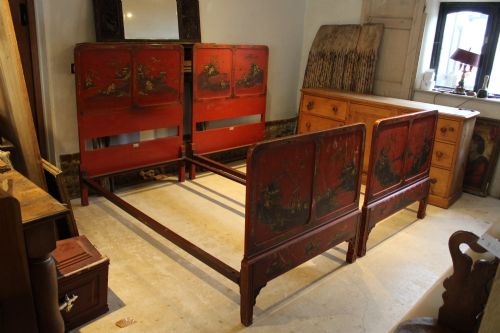
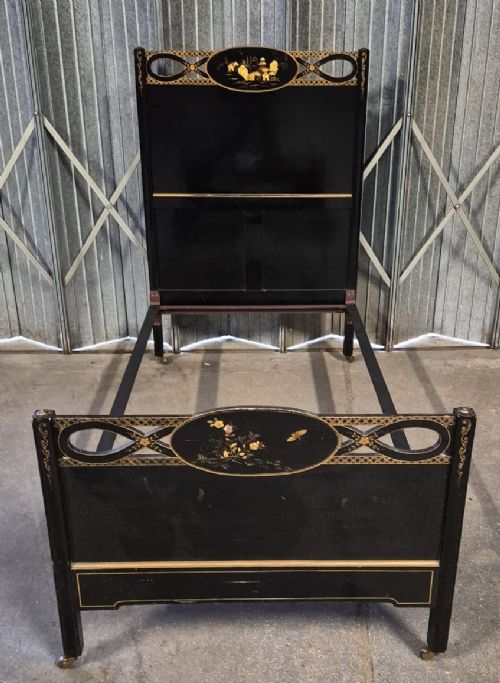
- European decorative style inspired by Chinese art and design, frequently involving hand-painted motifs on lacquered wood surfaces. It appears on early twentieth century bedroom suites.
- Nickel Plated
- A thin protective coating of nickel applied to iron or brass bed frames to prevent tarnishing and provide a bright, silvery finish. This treatment gained popularity during the Edwardian era.
- Corbeille
- French style of bed featuring a curved, basket-like headboard and footboard that wraps around the mattress. These frames often showcase painted finishes and carved details.
Antique Twin Bed Frames: Frequently Asked Questions
Can antique twin beds be joined together?
Many twin frames and single beds from the Victorian and Edwardian periods were constructed with compatible dimensions or clever locking systems so they could be placed side by side.
Buyers often look for pairs noted as able to be joined or lined to create a larger sleeping platform while retaining individual headboards.
What sizes are antique single beds?
Antique single beds and twin frames generally accommodate narrow mattresses differing from modern standard dimensions. These frames were built for compact nineteenth and early twentieth century bedrooms.
Checking the internal rail length and width ensures proper mattress placement before purchase.
How do I identify Edwardian bed frames?
Edwardian frames often display lighter woods such as satinwood, simpler geometric inlays, or polished brass and nickel plating. They move away from the heavy, dark proportions typical of earlier Victorian designs.
Maker labels and characteristic Arts and Crafts influences frequently help date these pieces precisely.
Are brass beds difficult to maintain?
Solid brass and iron bedframes require minimal upkeep beyond occasional dusting and gentle cleaning to preserve the metal surface. Protective lacquers applied by makers or restorers help prevent oxidation.
Avoiding harsh chemical polishes maintains the authentic patina developed over the decades.