



Pair Victorian Single Beds
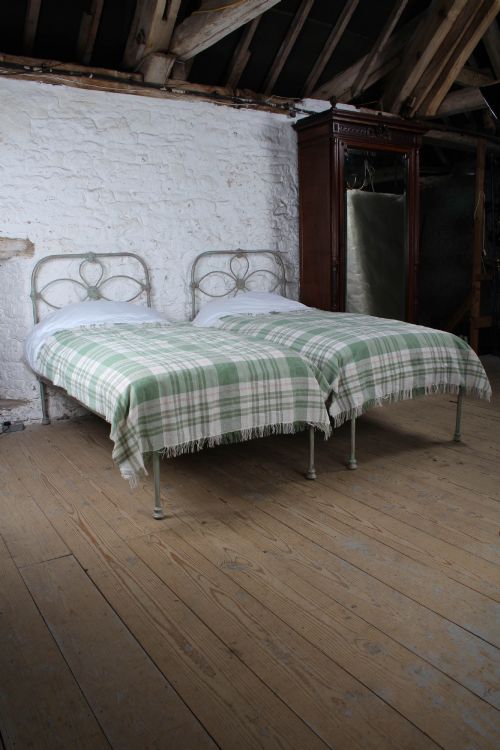
Pair victorian single beds bring matched sleeping quarters into a room, offering period character through metalwork and timber.
Pair Victorian Single Beds
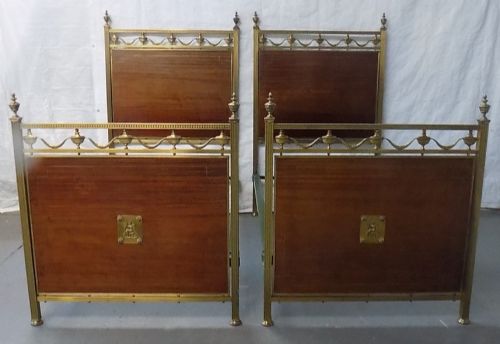
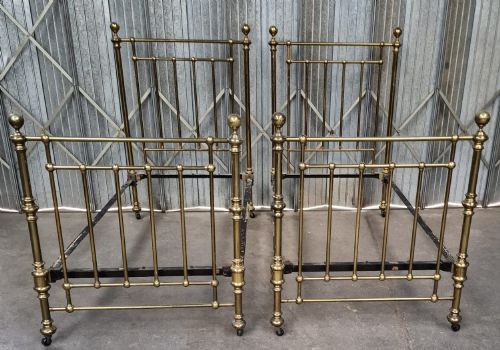
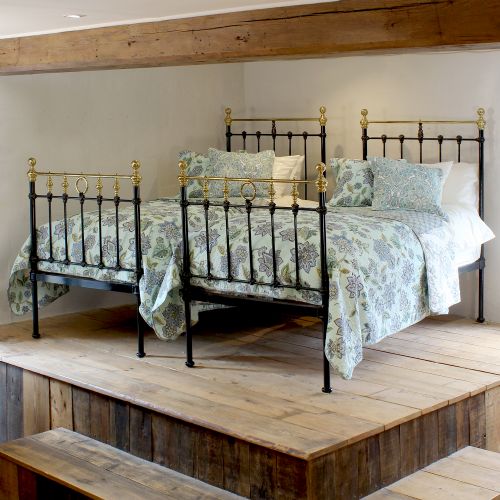
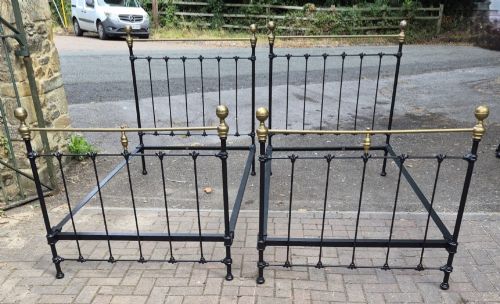
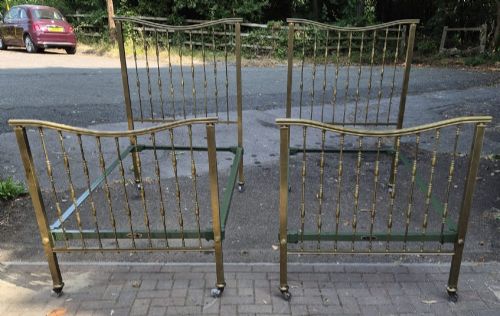
Pair victorian single beds comprise matched bedframes designed for individual sleepers, originating primarily from the late nineteenth century and the Victorian era. These frames appear frequently in metal constructions such as cast iron and brass, alongside select timber examples.
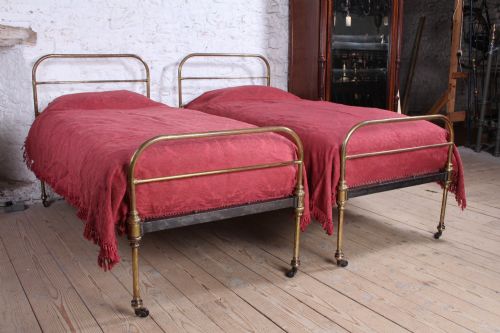
Many variants arrive configured with low or absent footboards, termed no end beds, which suit modern spatial arrangements. Several designs incorporate mechanisms allowing the two independent frames to join securely together into a wider sleeping platform.
The material palette spans simple painted iron to polished brass and cabinet timbers like satinwood and mahogany. Formats include standard single widths alongside larger single dimensions spanning three feet six inches.
Materials and construction methods
Foundry work dominates the metal frames, utilising cast iron and wrought iron components often joined with brass fittings, finials, or decorative tubing. Surfaces receive protective coatings of paint in black, white, cream, or charcoal.
Timber frames employ cabinet timbers including oak, satinwood, Cuban mahogany, and plum pudding mahogany, shaped with carved detailing characteristic of the Arts and Crafts movement and the Victorian period. Metal and wood bedsteads alike utilise integrated iron side rails to support the mattress bases.
Pair Victorian Single Beds Retail Price Guide 2026
Typical asking prices for pair victorian single beds among the pieces listed under this phrase on Sellingantiques today, from the lower quarter to the upper quarter. They describe what is for sale here now, not the wider market.
Several beds arrive with the unusual capability to transform from single solitaries into a united couple.
Distinctions in craftsmanship
Quality rests on the integrity of the original joints, the casting crispness of iron components, and the finish applied to brass tubing. Heavier gauge metals and rich, figured cabinet timbers indicate superior original execution.
Preservation of original paint surfaces, intact brass decoration, and the presence of matching side rails and joining hardware elevate standard examples. Maker signatures on metal stampings or timber structures further distinguish notable workshop output.
Hoskins & Sewell·Shapland and Petter
The Pair Victorian Single Beds Glossary
- Bedstead
- The framework of a bed, consisting of headboard, footboard, and side rails. This structural shell supports the mattress platform.
- No end
- A bed design lacking a high footboard, presenting a clean profile that suits rooms with limited clearance at the foot.
- Cast iron
- Molten iron poured into a mould to create rigid structural or decorative forms. It provides weight and stability to metal bed frames.
- Satinwood
- A hard, durable timber featuring a lustrous grain, utilised in fine nineteenth-century cabinetmaking for decorative bedframes.
- Arts and Crafts
- A design movement prioritising traditional craftsmanship and simple forms. Pieces from this style display honest construction and understated carved details.
Pair Victorian Single Beds: Frequently Asked Questions
Can these beds be joined together?
Many examples are manufactured with specific mechanisms or side rail configurations that allow two single beds to lock together into one larger sleeping unit.
Buyers often utilise this flexibility to arrange the frames as twin beds or unite them depending on the room layout.
What size mattresses do they take?
Most frames accommodate standard single mattresses, while larger variants require three-foot-six-inch mattress dimensions often designated as large single or small double.
Checking the internal width and length between the side rails ensures a correct fit for modern mattresses.
How do I identify a Victorian bedstead?
Victorian bedframes display period characteristics through iron casting techniques, brass ornamentation, and specific timber selections like mahogany or oak.
Construction details such as wedge-locked side rails and nineteenth-century proportions help separate period originals from later reproductions.
Are original iron rails included?
Listings generally specify whether the matching iron side rails and base supports accompany the head and footboards.
Complete sets ensure the bed structures assemble securely without requiring modern replacement rails.