

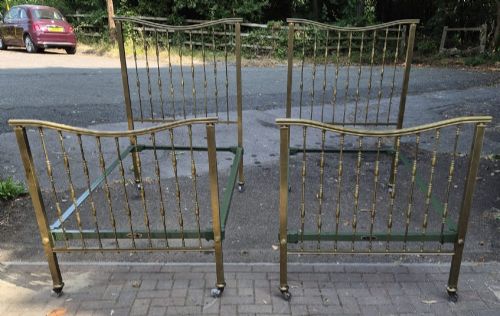
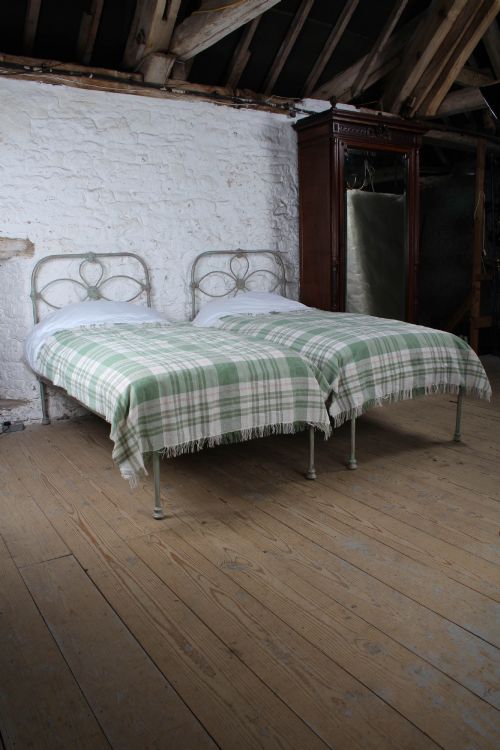


Antique Metal Twin Beds
Antique metal twin beds offer robust construction and distinctive period character, providing a practical sleeping solution for guest rooms or period properties.
Antique Metal Twin Beds
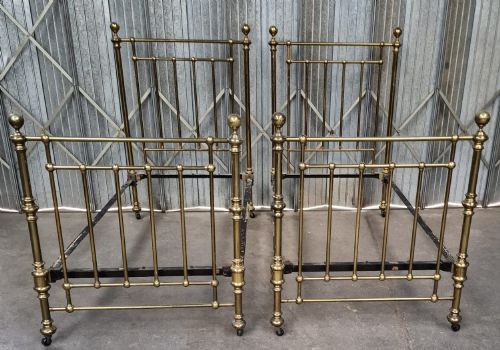
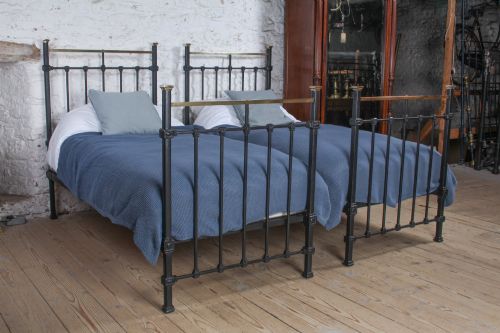
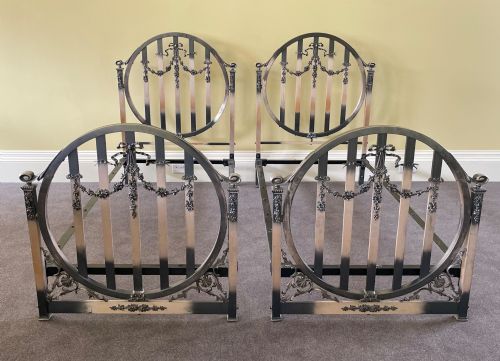
Antique metal twin beds encompass single size bedsteads and bed frames originating from the nineteenth century through the Edwardian period, often appearing as matched pairs designed to stand side by side or join together. These pieces typically display regional variations, including English, French, and Portuguese interpretations, alongside American style influences.
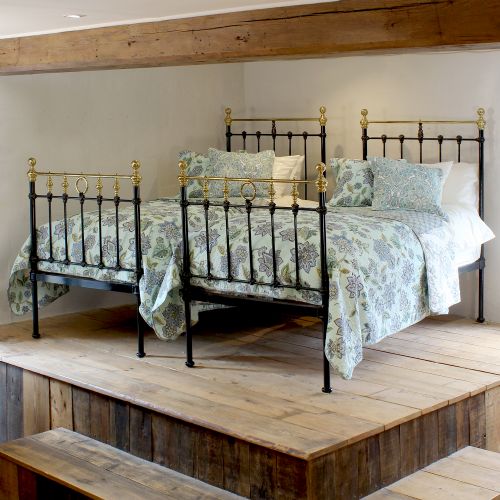
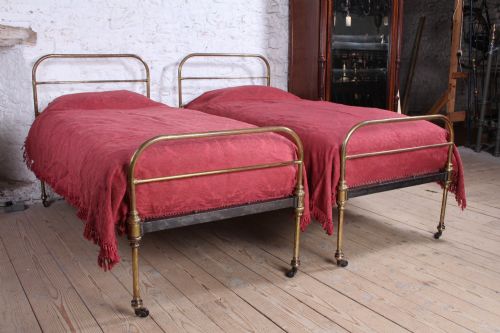
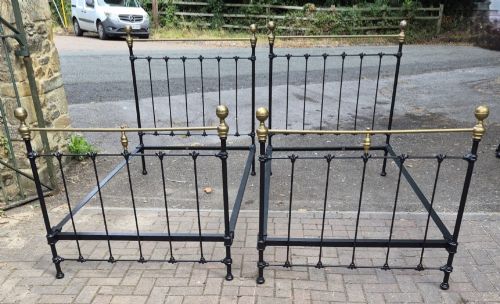
The dominant forms on this page include cast iron and brass single beds, frequently featuring low footboards or no end designs that suit modern living spaces. Buyers searching for antique metal twin beds will encounter Victorian and Edwardian examples utilising materials such as nickel plating and painted finishes.
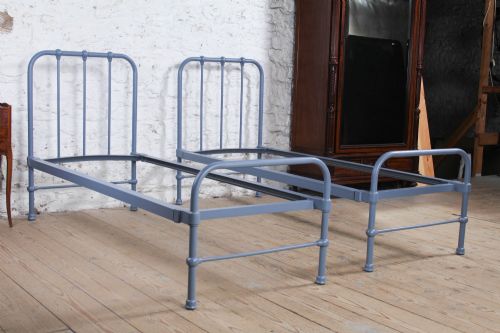
Many of these single beds offer the versatility of being joined to form a wider sleeping platform, retaining their independent aesthetic while meeting contemporary practical requirements. The selection spans utilitarian iron frameworks to decorative brass and iron combinations adorned with rings or ceramic elements.
How they were made
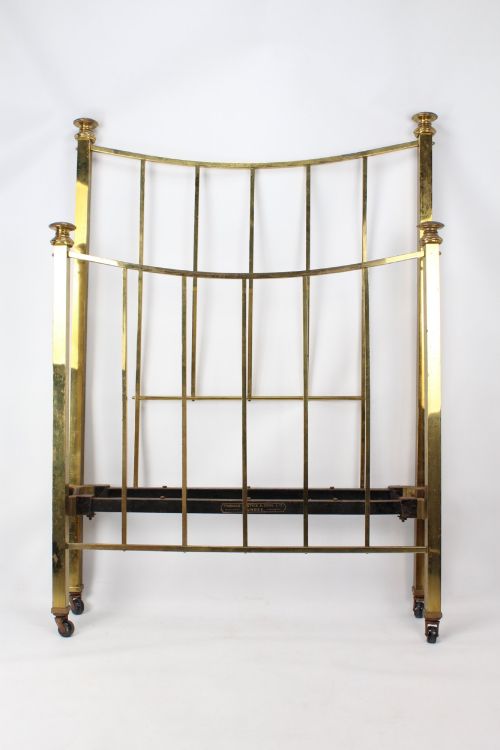
Construction relies heavily on durable cast iron and wrought iron frameworks, often combined with brass components, tubing, and decorative finials or casings. Makers utilised casting and forging techniques to create sturdy headboards and footboards, sometimes incorporating nickel plating to provide a bright, protective metallic surface.
Surface decoration frequently involves applied paint finishes in colours such as black, white, cream, and charcoal, which protected the underlying metal while offering aesthetic variety. Selected models integrate ceramic details and brass hardware, demonstrating the mechanical ingenuity required to produce modular frames that could be linked securely.
Antique Metal Twin Beds Retail Price Guide 2026
Typical asking prices for metal twin beds among the pieces listed under this phrase on Sellingantiques today, from the lower quarter to the upper quarter. They describe what is for sale here now, not the wider market.
Several beds include integrated brass rings, designed originally for draping textiles or simply adding a jaunty jingle to morning routines.
What varies in quality
The distinction between standard production and superior examples lies in the intricacy of the metal casting, the weight and gauge of the iron or brass used, and the preservation of original finishes like nickel plating. Heavier gauge metalwork and crisper detailing on brass mounts indicate a higher standard of manufacture.
Quality also rests on the mechanical integrity of the joining systems and the retention of original components such as castors, decorative rings, and ceramic parts. Pieces that retain their matched pairing and clean structural alignment command greater appreciation among collectors.
Hoskins & Sewell·R W Winfield
The Antique Metal Twin Beds Glossary
- Bedstead
- A framework of a bed supporting the mattress and springs. It includes the headboard, footboard, and side rails.
- No End
- A bed design featuring a headboard but lacking a raised footboard. This configuration suits smaller rooms and creates a streamlined visual appearance.
- Nickel Plating
- An electrolytic coating of nickel applied to iron or steel components. This finish provides resistance to corrosion and a bright, reflective surface.
- Cast Iron
- Iron shaped by pouring molten metal into a mould. It allows for detailed decorative forms on headboards and structural joints.
- Platform Bed
- A bed frame designed to support a mattress directly without the need for a traditional box spring. It typically incorporates a solid or slatted base platform.
Antique Metal Twin Beds: Frequently Asked Questions
Can antique metal twin beds be joined together?
Many antique metal twin beds are specifically constructed to allow two single frames to link together securely. This creates a wider sleeping surface while preserving the individual aesthetic of the matched pair.
Buyers should examine the joining mechanism described in the listing to ensure the frames suit their intended bedroom configuration.
What mattress size fits these antique beds?
These pieces generally accommodate standard single or small single mattresses, depending on the precise dimensions recorded in each listing. Because nineteenth-century sizing conventions differ from modern standards, checking the exact internal length and width is essential.
Custom or modern standard mattresses can usually be accommodated with appropriate modern slatted bases or supportive platforms.
How do I care for a painted iron bed?
Maintenance involves gentle dusting with a dry cloth and avoiding abrasive cleaning agents that might compromise the painted or plated surface. Inspecting the joints periodically helps maintain structural stability.
Keeping the metal away from excessive moisture preserves both the paintwork and the underlying iron components.
How can I tell Victorian beds from Edwardian ones?
Victorian metal beds often display heavier cast iron forms, ornate brass decorations, and robust proportions associated with nineteenth-century manufacturing. Edwardian examples frequently exhibit lighter profiles, influenced by Art Nouveau design principles with softer curves and refined nickel plating.
Examining the style of the brass mounts and the delicacy of the framework provides clear clues to the period of origin.