
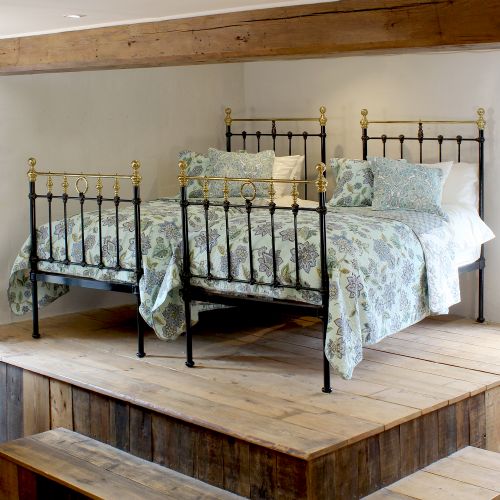
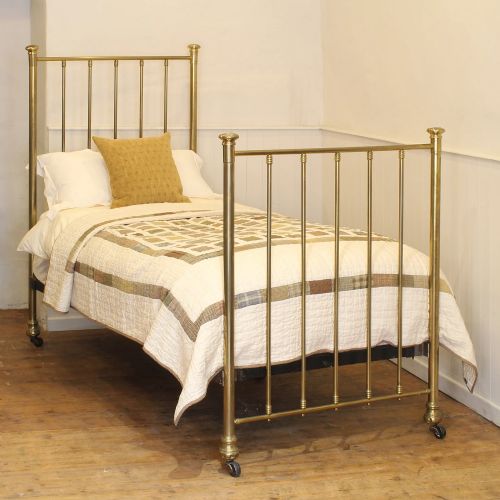
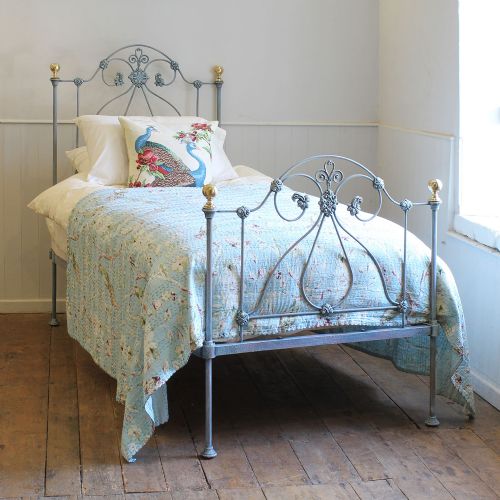
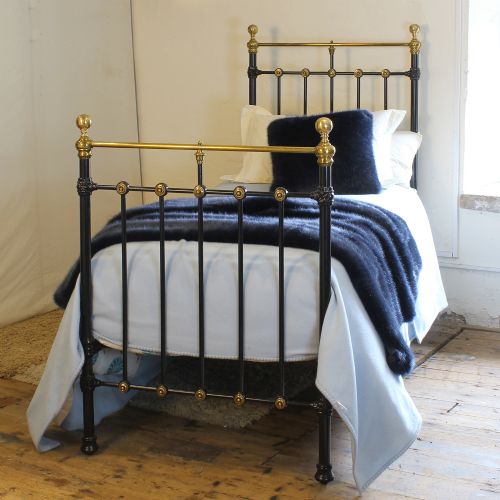
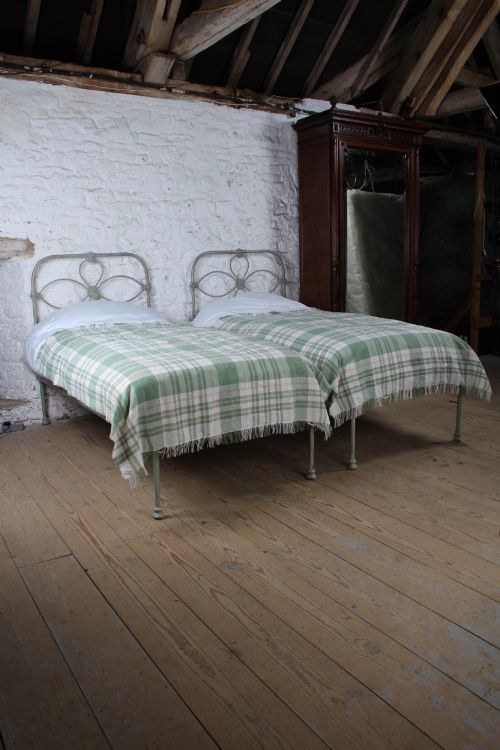


Victorian Single Bed Frame
A victorian single bed frame offers sturdy metal or warm wood construction to anchor a bedroom with period character.
Victorian Single Bed Frame
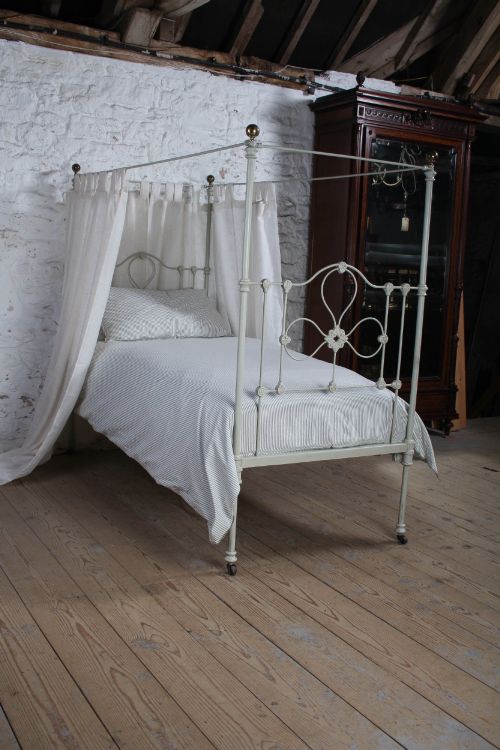
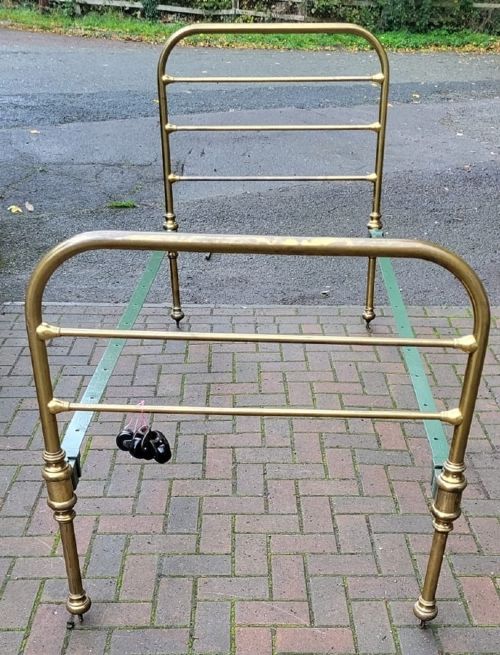
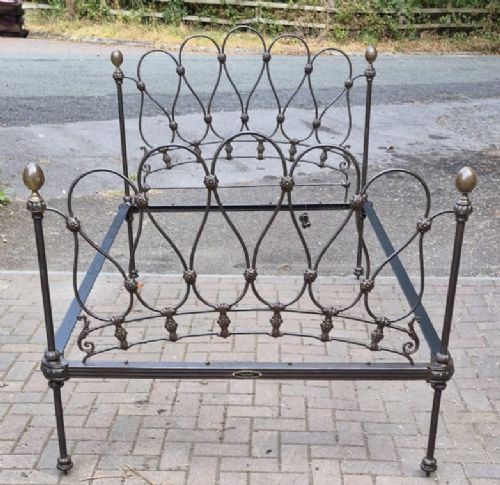
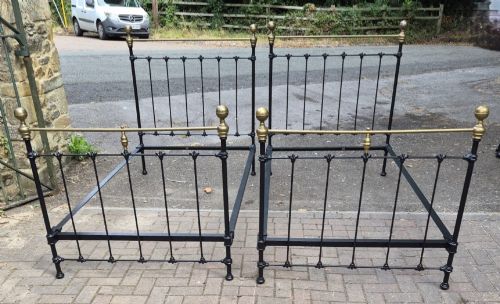
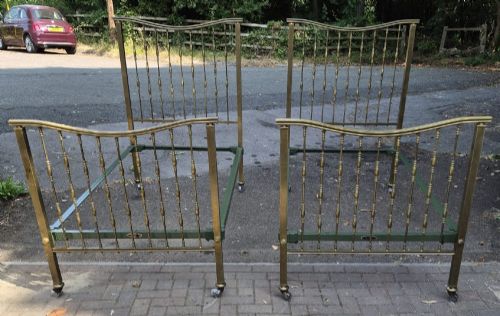
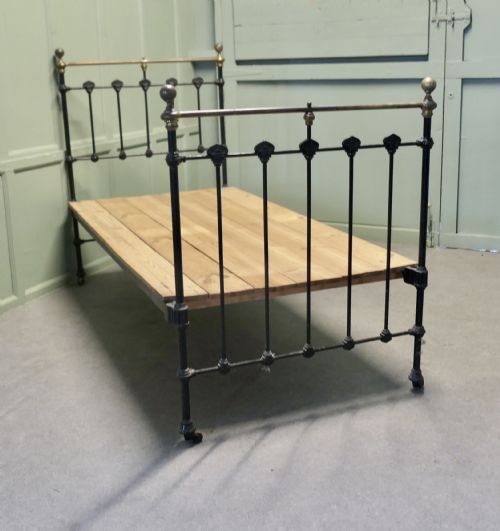
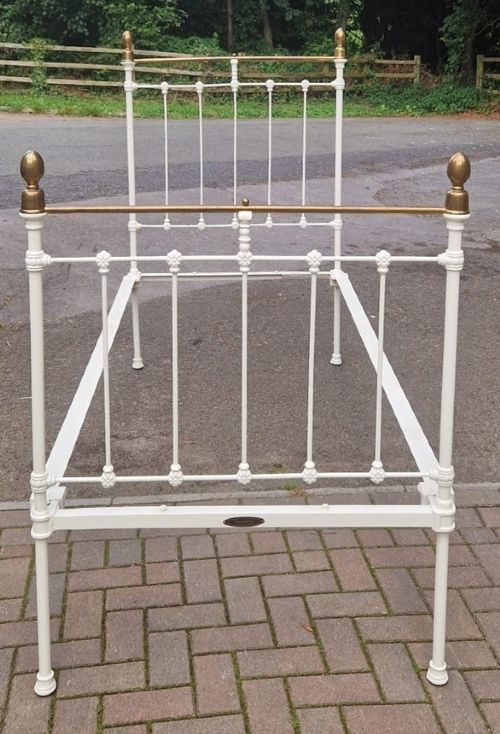
A victorian single bed frame brings nineteenth century sleeping quarters into modern homes with compact proportions and robust builds. These pieces appear primarily as iron and brass bedsteads, alongside occasional examples in mahogany, satinwood, and oak.
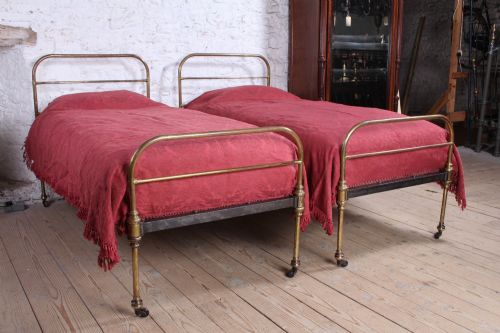
Buyers encounter single beds, large single sizes, and specific configurations such as no end frames or pairs designed to join together. The selection spans the Victorian era into the Edwardian period, incorporating styles from Gothic Revival and Arts and Crafts to Continental Neoclassical.
The form adapts to various interior schemes through painted finishes in black, cream, or charcoal, alongside polished metal surfaces. Many listings provide options for modern mattresses or include necessary bases for immediate use.
Judging Quality
The distinction between standard utility frames and superior examples rests on the fineness of the metalwork and decorative casting. Frames featuring maker attributions, intricate brass ornamentation, or substantial iron gauges command greater attention.
Proportion and wood selection define quality in wooden pieces, where figured mahogany or satinwood indicates a higher grade of manufacture. Original painted surfaces or well-preserved brass patination also elevate the standing of a piece.
Victorian Single Bed Frame Retail Price Guide 2026
Typical asking prices for victorian single bed frame among the pieces listed under this phrase on Sellingantiques today, from the lower quarter to the upper quarter. They describe what is for sale here now, not the wider market.
Listings demonstrate a strong presence of iron and brass combinations alongside solid wood examples in mahogany and oak.
Hoskins & Sewell·R W Winfield·Shoolbred·Shapland and Petter
The Victorian Single Bed Frame Glossary
- Bedstead
- A framework of a bed consisting of the headboard, footboard, and side rails. This term frequently appears interchangeably with bed frame in nineteenth century listings.
- Platform Bed
- A bed frame designed to support a mattress directly on a solid or slatted base without traditional box springs. These often sit lower to the ground.
- No End Bed
- A bedstead featuring a headboard but lacking a high footboard, creating an open appearance suitable for restricted spaces. This configuration often allows matching beds to join together.
- Gothic Revival
- An architectural and decorative style drawing inspiration from medieval forms. Pieces in this aesthetic incorporate pointed arches, quatrefoils, and ecclesiastical motifs.
- Brass and Iron
- A hybrid construction method pairing dark iron structural elements with gleaming brass tubing and decorative mountings. This combination became immensely popular during the Victorian period.
Victorian Single Bed Frame: Frequently Asked Questions
Can I join two single beds together?
Several listings specify that pairs of single beds can be joined to form a larger sleeping surface. This provides flexibility for guest rooms or master bedrooms.
Buyers should verify the specific coupling mechanism or hardware included with the matching pair before purchase.
Do these beds fit standard modern mattresses?
Many antique single beds measure around three feet in width, though historical sizing varies slightly from contemporary standards. Some frames accommodate standard single mattresses, while others require custom sizing.
Checking the exact interior dimensions listed for each bedstead ensures proper mattress compatibility.
Are bed bases included with the frame?
Listings occasionally note whether a bed base or mattress support is included with the antique frame. Some pieces specify that bases are supplied ready for use.
Buyers purchasing a frame without a base will need to arrange appropriate modern slatted supports or foundation boards.
How do I maintain brass and iron beds?
Metal bedsteads require minimal upkeep beyond regular dusting with a soft cloth to protect the finish. Unlacquered brass may develop a natural patina over time.
Avoiding harsh chemical cleaners preserves the original painted iron surfaces and polished metal details.