


Painted Iron Bed Frame
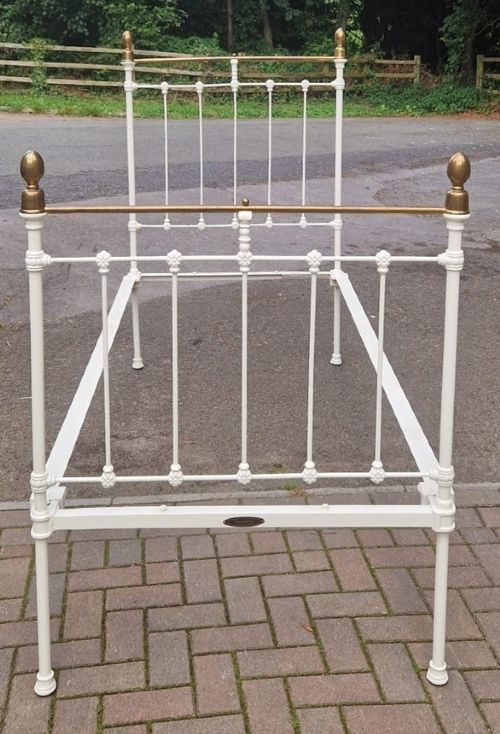
A painted iron bed frame brings sturdy construction and period character to a bedroom, combining metal frames with painted finishes and often brass details.
What a painted iron bed frame is
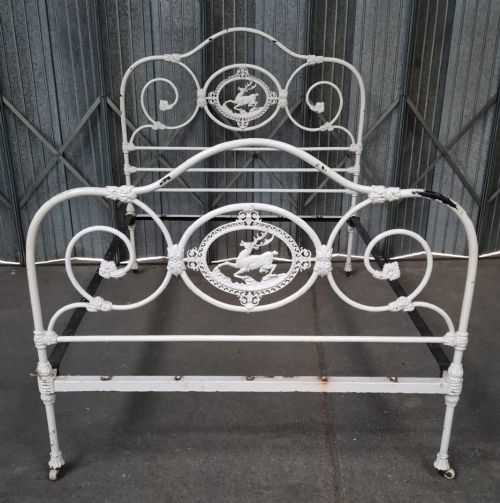
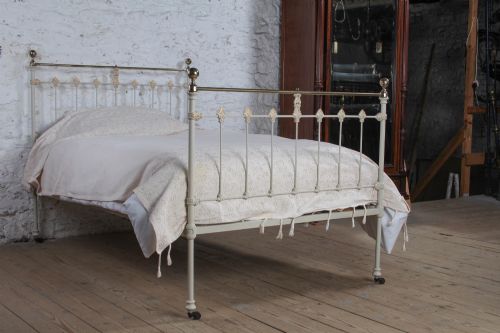
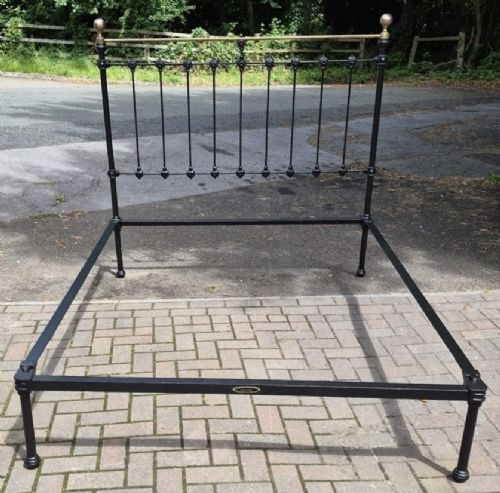
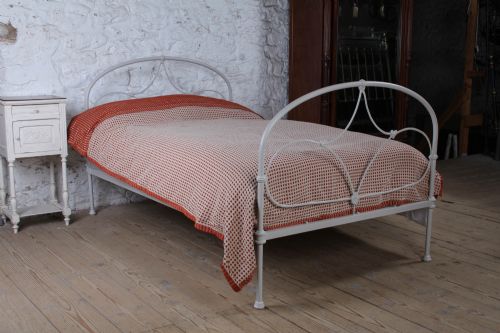
When searching for a painted iron bed frame, you are looking at substantial antique sleeping furniture designed to anchor a room with metal architecture. The examples you encounter on this page span the Victorian and Edwardian eras, reaching back to the mid nineteenth century with items such as an 1850 single bed and expanding through the 1870s, 1880s, 1890s, and 1900.
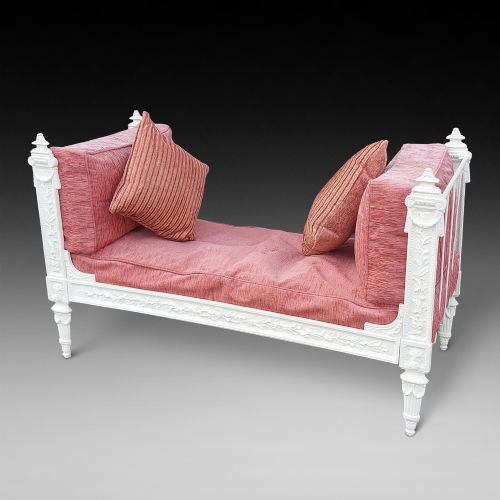
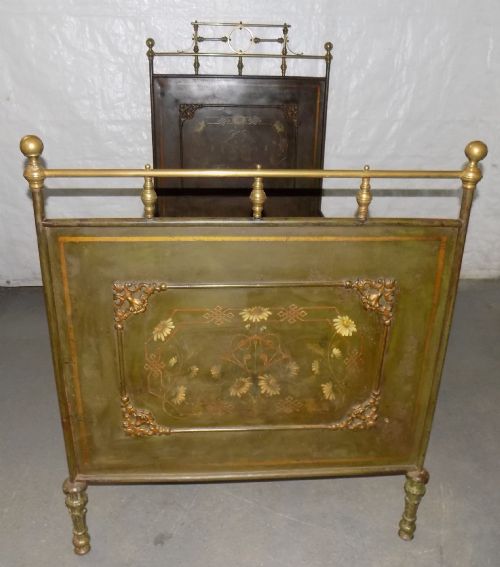
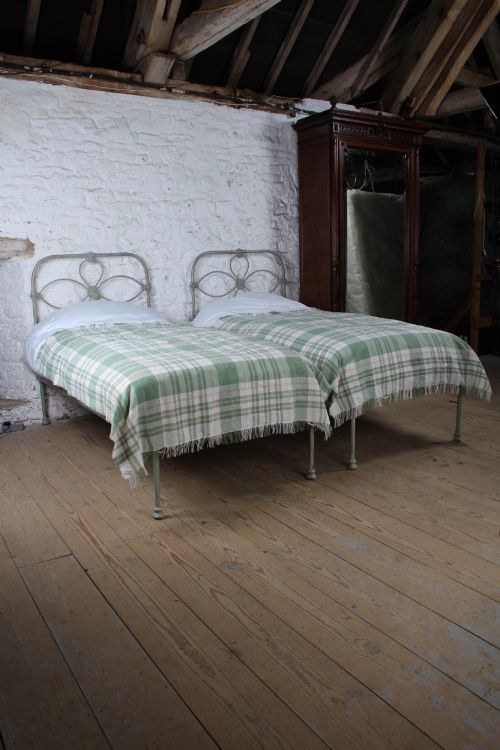
These pieces appear in various sizes, including small double, single, double, and king size formats. Forms include classic Victorian models, a pair of Celtic single all iron beds, and a curvaceous 19th century Italian tole ware bedstead.
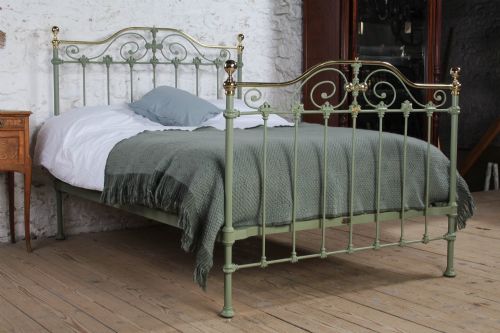
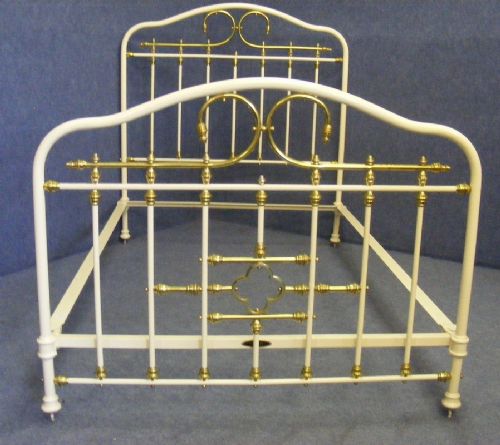
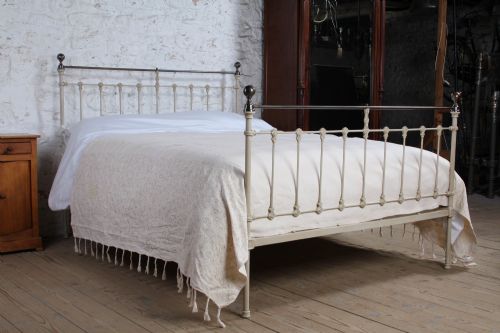
The version you are most likely to meet on this page is the Victorian iron and brass bedstead, often finished in cream or other painted coats. Some pieces feature side irons and decorative elements reminiscent of Wedgwood jasper plaques.
Materials and construction
Makers utilised a combination of cast iron, wrought iron, and sheet metal to build the structural framework of these beds. Brass components and gilding frequently provide contrasting metallic highlights against the main body.
Paint and sheet metal form the decorative and protective surface layers on these frames. Tole ware techniques appear on specific continental pieces, contributing distinct painted finishes to the metalwork.
Retail Price Guide 2026
Typical UK retail prices for painted iron bed frame, calculated from the Sellingantiques database of over a million retail prices indexed since 2003. This retail price guide relies exclusively on Sellingantiques data; no external sources or auction records are used, so the figures do not describe the wider market.
Listings feature periods spanning from 1850 to the Edwardian era, incorporating cast iron, brass, wrought iron, and paint.
What separates the tiers
The distinction between standard examples and finer pieces rests in the complexity of the ironwork and the refinement of the painted finish. Elaborate detailing, such as paired Celtic designs or curvaceous Italian tole ware shapes, elevates a piece above simpler utilitarian forms.
The integration of contrasting brass elements and gilding introduces a finer decorative hierarchy. Beds retaining balanced proportions across larger king sizes demonstrate superior design execution compared to basic single formats.
The Painted Iron Bed Frame Glossary
- Cast iron
- A sturdy metal alloy poured into moulds to create solid structural and decorative components for bedframes. It provides the heavy foundation characteristic of Victorian furniture.
- Wrought iron
- Iron beaten into shape by hand or machine, offering fibrous strength and flexibility for linear details. It appears alongside cast elements in many period frames.
- Tole ware
- Metalware painted and lacquered, often associated with decorative European items. An Italian example utilises this technique for a curvaceous silhouette.
- Side irons
- The longitudinal metal rails connecting the headboard and footboard to support the mattress base. They ensure structural stability across double and king sizes.
- Gilding
- The application of gold leaf or powder to metallic surfaces to create highlights. It enhances brass details and decorative motifs on the frame.
Frequently Asked Questions
How do I style a painted iron bed frame?
Pair the metal structure with neutral linens to let the painted finish and brass details remain the focal point of the bedroom. Soft textiles contrast effectively with the hard industrial lines of the ironwork.
Consider the scale of the headboard and footboard in relation to your room dimensions. Smaller single and small double versions suit compact spaces, while king size models require more open floor area.
What periods do these beds come from?
The available pieces originate primarily from the Victorian and Edwardian eras, spanning from the mid nineteenth century through to nineteen hundred. You will find specific dates such as 1850, 1870, 1880, 1890, and 1900.
Stylistic influences range from British Victorian domestic designs to nineteenth century Italian tole ware work. Each period brings distinct decorative motifs to the painted and metal surfaces.
Are modern mattresses compatible with antique beds?
Most antique bed frames accommodate standard modern mattress dimensions when fitted with appropriate modern slat systems or supportive bases. Side irons provide the necessary span between the headboard and footboard.
It is advisable to check the exact width and length measurements of the frame, such as 3ft single or king size, before sourcing a mattress. Custom or standard sizing variations can occur across nineteenth century pieces.
How do I care for painted metal furniture?
Dust the painted surfaces regularly with a soft, dry cloth to prevent dirt accumulation on the finish. Avoid harsh chemical cleaners that might degrade the historic paint or brass highlights.
Inspect the joints and side irons periodically to ensure connections remain secure. Gentle handling preserves both the structural integrity and the decorative paintwork over time.