

Victorian Bedstead
When you search for a victorian bedstead, you encounter substantial metal and timber frames designed to anchor nineteenth-century sleeping quarters with enduring presence.
Victorian Bedstead
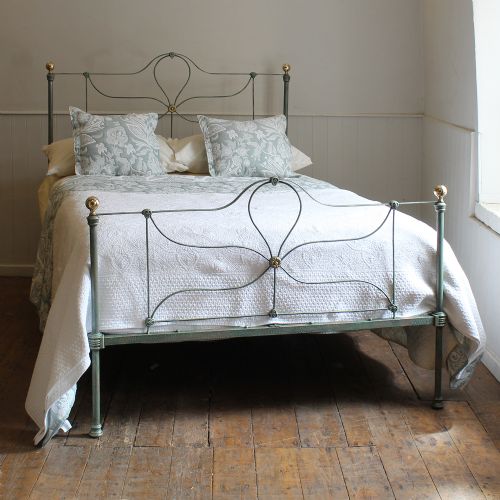
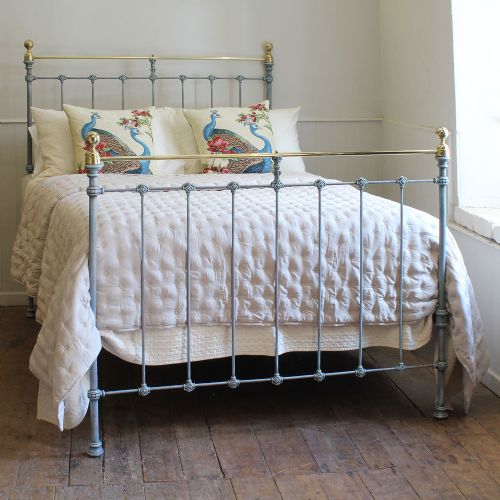
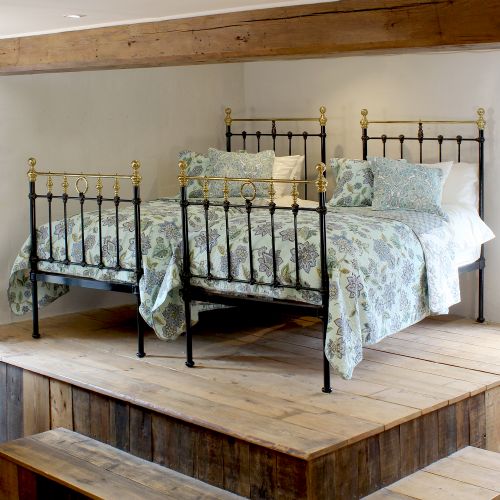
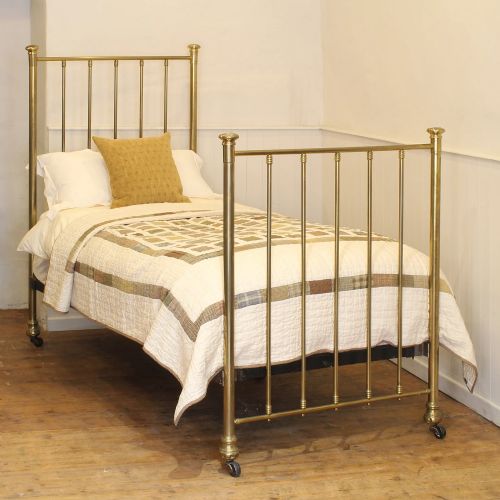
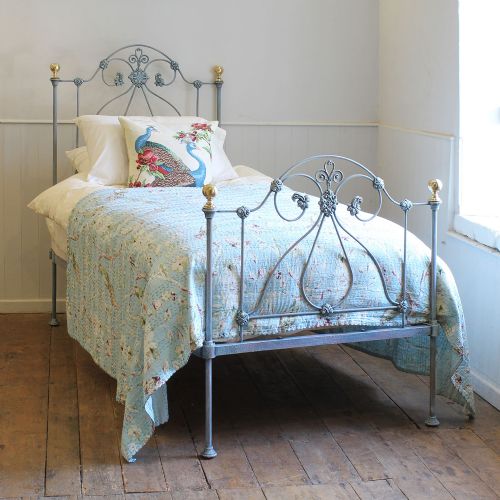
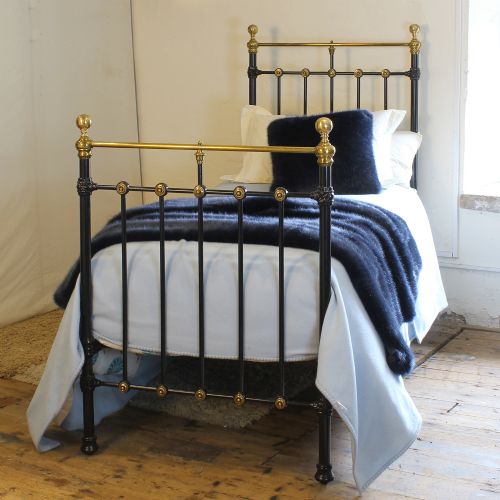
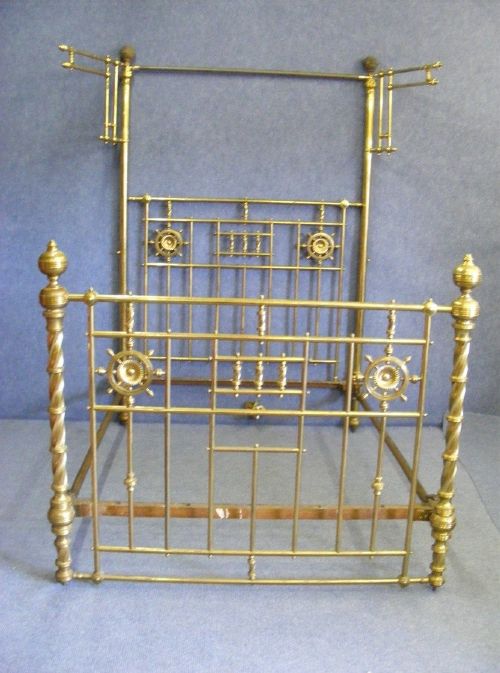
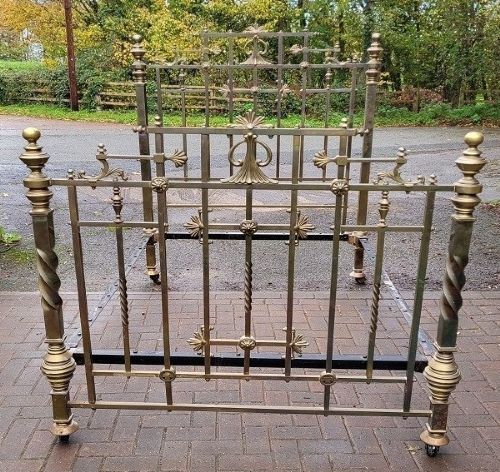
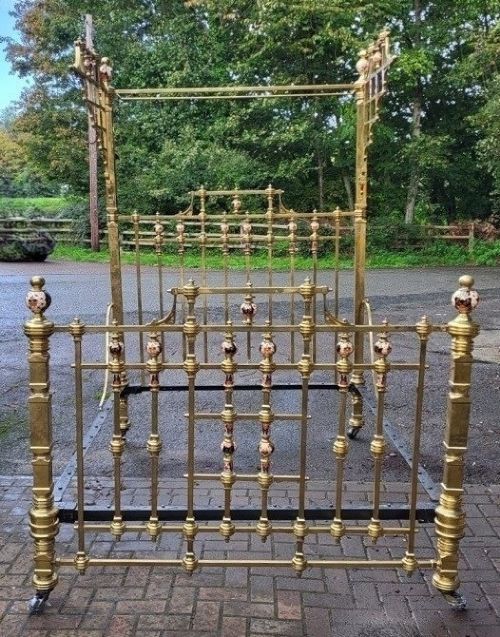
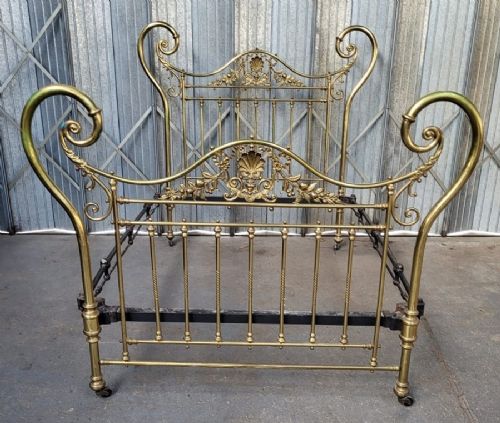
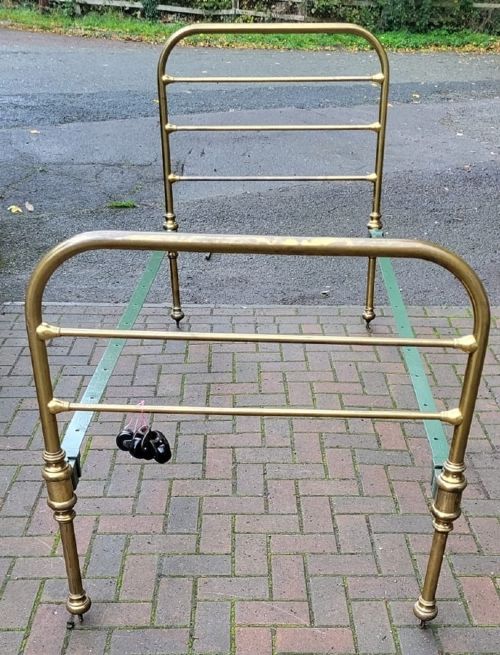
A victorian bedstead typically emerges as a robust combination of cast iron, wrought iron, and polished brass, frequently engineered in double, king, and super king sizes alongside single proportions.
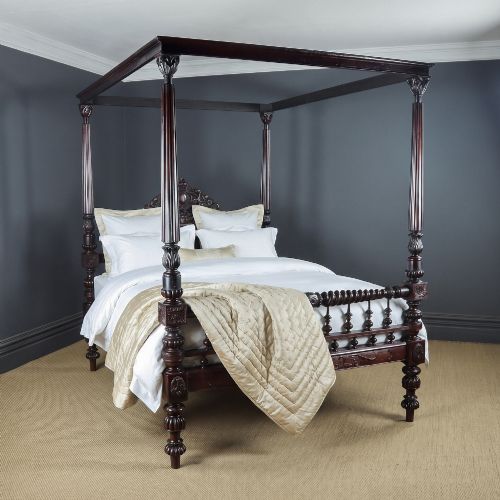
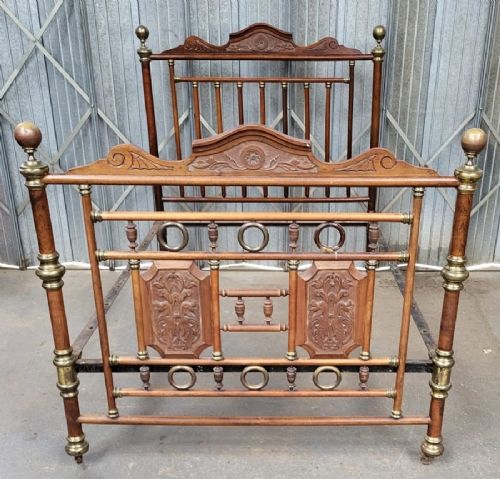
The dominant forms span half tester beds with overhead canopies, traditional low-footend frames, and sophisticated wooden structures featuring mahogany or walnut panels.
Originating largely from British workshops and factories during the nineteenth century, these beds also reflect continental and colonial influences through styles such as French provincial and Anglo-Indian colonial.
Materials and Construction
Foundries utilised cast iron for structural stability and ornate decorative components, pairing it with heavy brass tubing and detailed castings to create rigid, long-lasting bed frames.
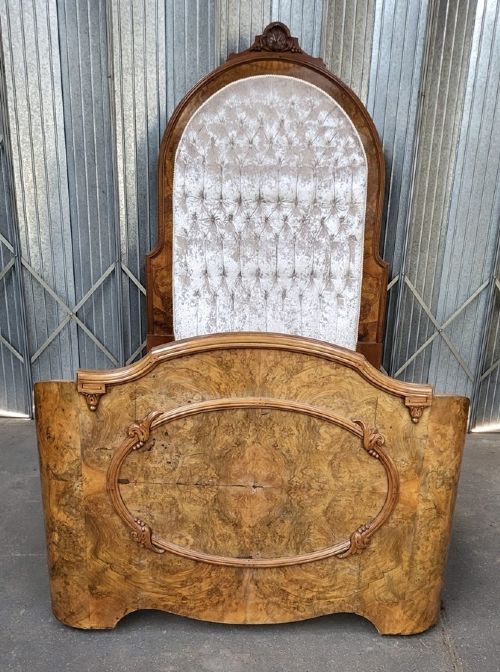
Cabinetmakers employed solid mahogany, walnut, and maple for wooden bedsteads, incorporating carved details, burr veneers, and upholstered high backs into the design.
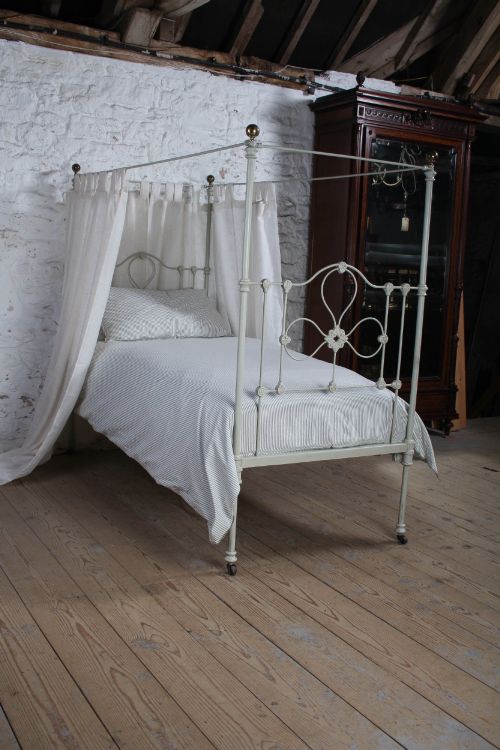
Assembly relied upon specialised slot-in iron frames and heavy-duty metal joints, often supported by original pot castors for mobility across floors.
The documented styles span Victorian Gothic revival, French provincial, and Anglo-Indian colonial designs.
Standards of Craftsmanship
The distinction between standard commercial output and exhibition quality pieces rests in the weight of the metal, the intricacy of the brass castings, and the crispness of the hand-carved timber details.
Makers set themselves apart through proprietary joint engineering, substantial brass wall thickness, and decorative enhancements such as mother of pearl inlays or specialised ceramic components.
The preservation of original surfaces, authentic makers marks, and unmodified structural dimensions largely determine the integrity and historical standing of each bedstead.
Maple And Co·Winfield·Hoskins And Sewell
The Victorian Bedstead Glossary
- Half tester bed
- A bedstead featuring a partial canopy or tester projecting from the wall over the head of the bed, often supported by decorative metal posts.
- Dip rail
- A downward curve in the top horizontal bar of a headboard or footend, frequently seen in traditional brass and iron designs.
- Castor
- A small swivelling wheel attached to the base of the bed legs, allowing the heavy frame to be moved easily.
- Gothic revival
- A nineteenth-century design style drawing inspiration from medieval architecture, characterised by pointed arches and geometric tracery in the metalwork.
Victorian Bedstead: Frequently Asked Questions
How do I fit modern mattresses to a victorian bedstead?
Many nineteenth-century frames were built to imperial dimensions that differ slightly from modern standard sizing, though professional adaptation or custom mattress manufacture resolves the discrepancy.
Modern wooden slats or supportive base boards can be integrated into the original slot-in iron frame to ensure correct mattress placement without altering the antique structure.
Are these beds strong enough for daily use?
The heavy iron and brass construction of these pieces provides exceptional structural integrity, often surpassing the load-bearing capacity of modern mass-produced frames.
Routine maintenance involves checking and tightening the iron joints periodically to keep the bed completely rigid during everyday use.
How do I clean and polish brass parts?
Polishing depends on whether the brass retains its historic patination or an applied protective lacquer; gentle dusting and mild soapy water preserve the original aged surface.
Sanding or harsh chemical cleaning should be avoided to protect the authentic finish and prevent damage to surrounding ironwork or timber.
How do I identify the period of an iron bedstead?
Early nineteenth-century examples often utilise simpler all-iron construction, whereas pieces from the later decades frequently incorporate elaborate brass combinations and decorative spindle details.
Maker marks stamped into the iron framework and specific casting styles provide definitive clues regarding the decade of manufacture.