

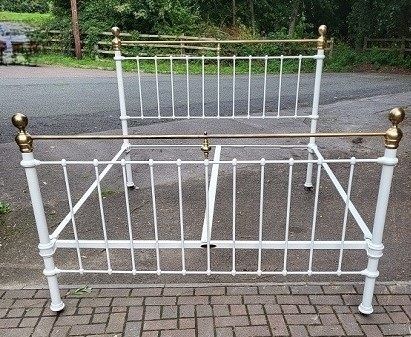
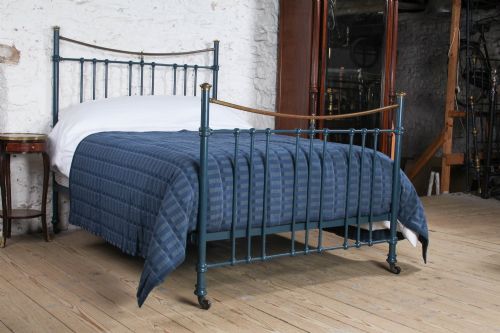
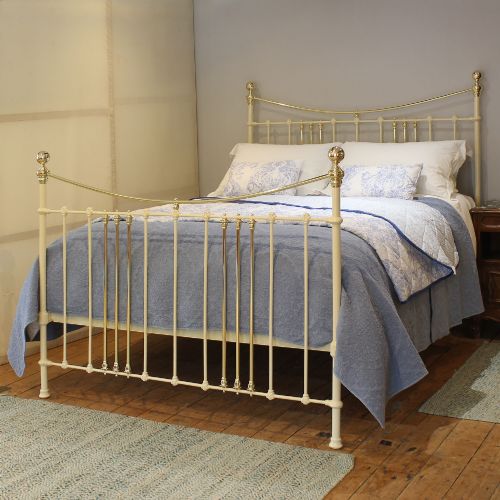
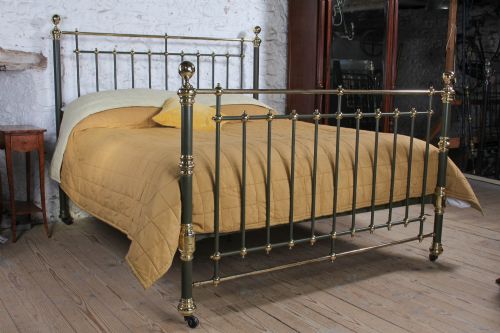

Brass Top Iron Bed
A brass top iron bed brings solid nineteenth-century presence and polished metal warmth into a bedroom.
Brass Top Iron Bed
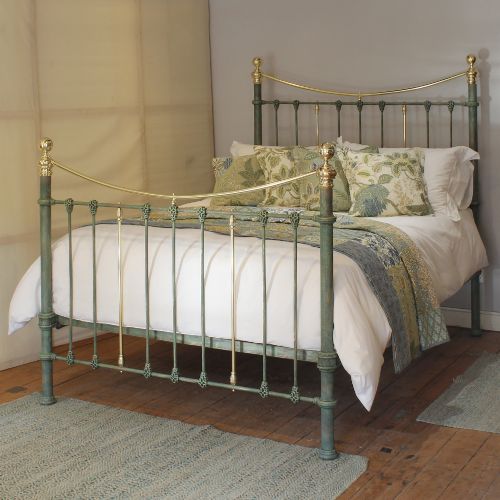
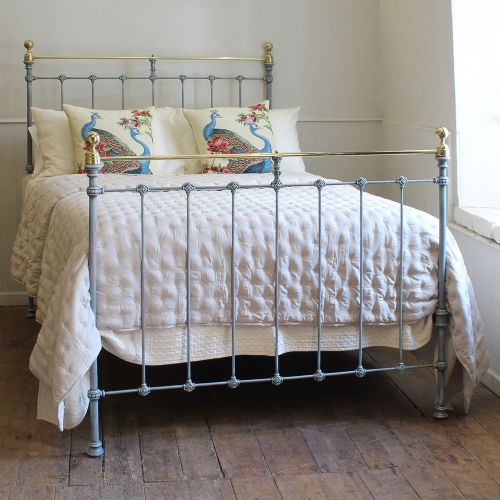
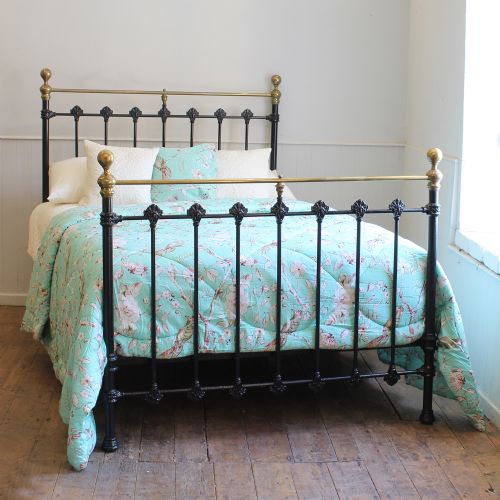
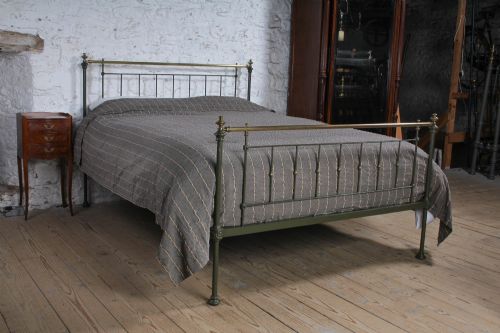
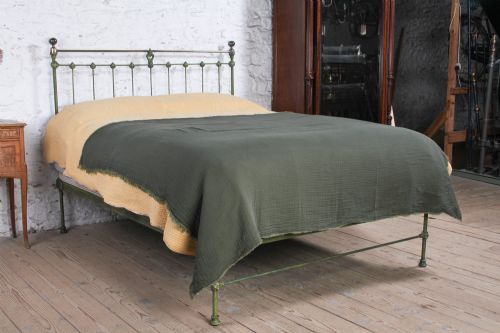
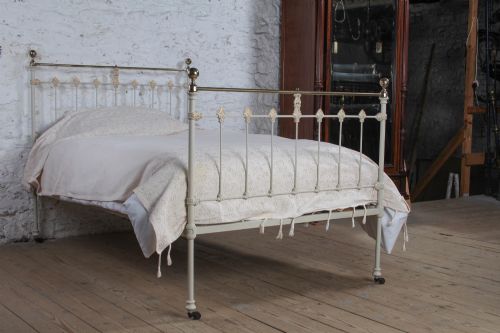
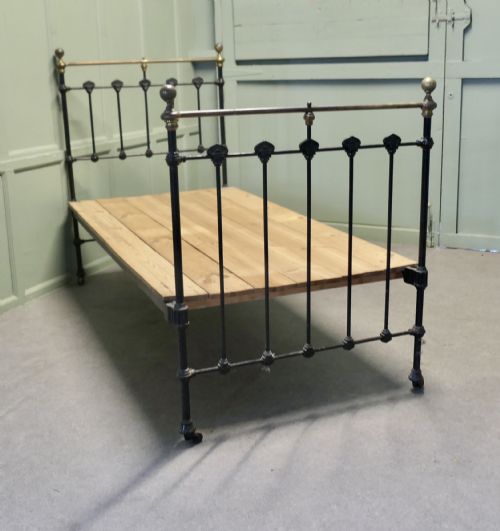
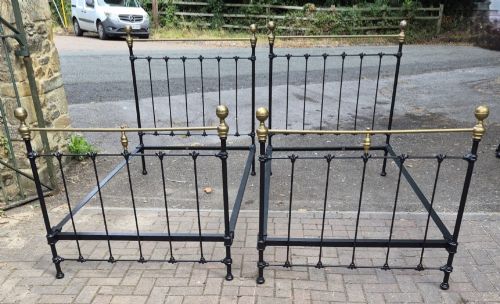
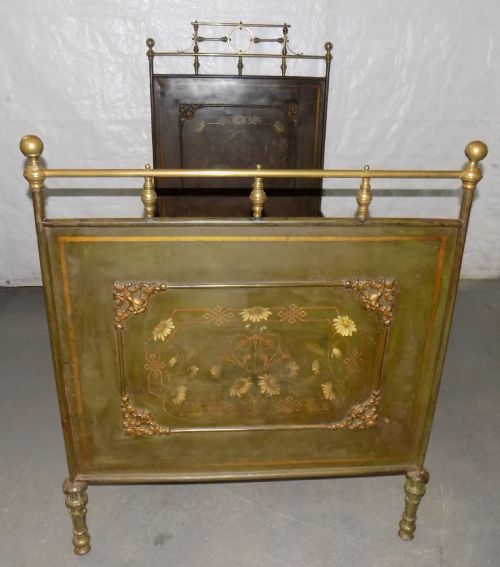
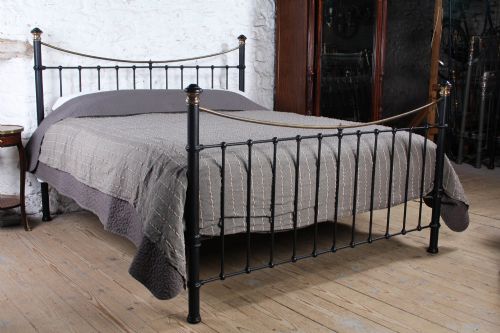
When you search for a brass top iron bed, you are looking at substantial nineteenth and early twentieth century sleeping frames that combine dark metal structures with shining metal upper rails. These pieces span single, double, king, and super king sizes, with Victorian examples appearing most frequently across the listings alongside Edwardian and 19th Century Austrian variants.
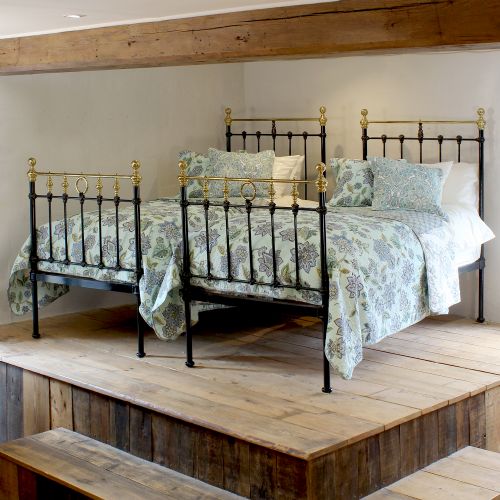
The forms range from classic straight rail designs and dip rail configurations to beds with rings, castors, and decorative brass details. Buyers often find single beds, pairs that can be joined, and larger frames designed for modern mattress proportions while retaining their original period character.
How they were made
These frames combine cast iron and wrought iron for structural strength, shaped into robust headboards and footboards with painted finishes in black or white. Sheet metal and wood components sometimes support the internal structure, while brass elements are integrated to form the characteristic top rails and decorative castings.
Manufacturers utilised traditional casting techniques to produce intricate brass details, fitted joints, and sturdy side rails. The surfaces were frequently finished with durable paint and polish, combining heavy metalwork with bright metal highlights.
Brass Top Iron Bed Retail Price Guide 2026
Typical asking prices for brass top iron bed among the pieces listed under this phrase on Sellingantiques today, from the lower quarter to the upper quarter. They describe what is for sale here now, not the wider market.
Several Victorian pairs are built so companion sleepers can join their single beds into a unified frame.
What varies in quality
The distinction between standard examples and superior pieces rests on the crispness of the brass castings and the complexity of the ironwork. Beds featuring detailed decorative rings, elaborate dip rails, and substantial brass top sections represent the finer end of the range.
Proportion and scale also separate the items, with well-balanced double and super king frames demonstrating superior blacksmithing and foundry work. The integrity of the original paint and the weight of the cast iron structure determine the overall calibre of the piece.
The Brass Top Iron Bed Glossary
- Cast iron
- A strong, heavy iron alloy poured into moulds to create solid structural frames and decorative components. It provides the rigid support essential for antique bedsteads.
- Wrought iron
- Iron that is beaten and shaped by hand or machine rather than cast. It offers high tensile strength for the load-bearing parts of the bed.
- Dip rail
- A headboard or footboard rail that curves downward in the centre. This style creates a softer silhouette against the wall.
- Toleware
- Metalware that is painted and lacquered, often associated with decorative Austrian bedframes from the nineteenth century. It adds colour and pattern to the metal surface.
- Castor
- A small wheel fitted to the legs of the bed to allow easier movement across the floor. They are often made of brass or iron.
Brass Top Iron Bed: Frequently Asked Questions
Will a standard modern mattress fit?
Many of these antique beds accommodate modern sizing, though historical dimensions can vary slightly from contemporary standards. Checking the precise internal measurements ensures a proper fit for your mattress.
Some larger Victorian and Edwardian frames match standard king or super king proportions, while single and three-quarter sizes may require careful measurement of the side rails.
How do I care for the brass and iron?
Maintenance involves dusting the ironwork regularly with a soft cloth and applying a gentle metal polish to the brass top rails to preserve their shine. Avoid harsh chemical cleaners that can strip painted or lacquered surfaces.
Keeping the metal dry prevents oxidation, ensuring the black or white painted finishes remain stable over decades of daily use.
Are these beds easy to assemble?
Most antique iron beds utilise simple iron side rail wedges or bolts that slot directly into the headboard and footboard sockets. Two people can assemble the frame easily without complex tools.
Checking that the joints remain aligned during assembly ensures the structure stays square and sturdy on the floor.
How do I date a brass and iron bed?
Dating relies on stylistic clues such as the presence of dip rails, decorative brass rings, or specific Victorian and Edwardian foundry characteristics. Simpler straight rail designs often point towards the turn of the twentieth century.
Heavier cast iron proportions and specific foundry stamps can also help narrow the decade of manufacture between 1850 and 1910.