
Victorian Brass Double Bed
A victorian brass double bed brings substantial nineteenth-century presence and solid metal construction into a modern bedroom.
Victorian Brass Double Bed
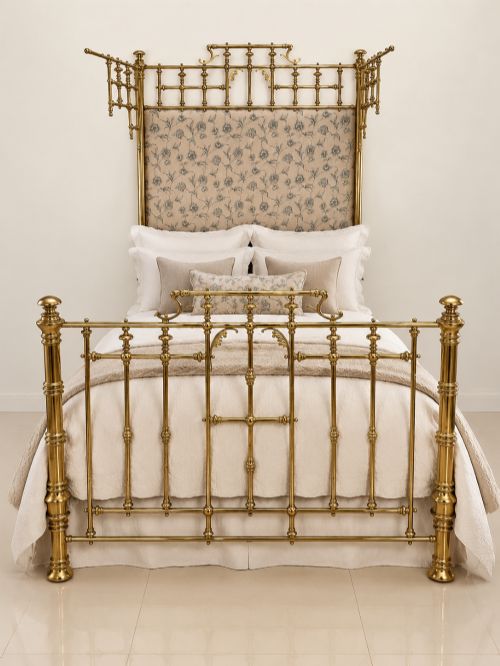
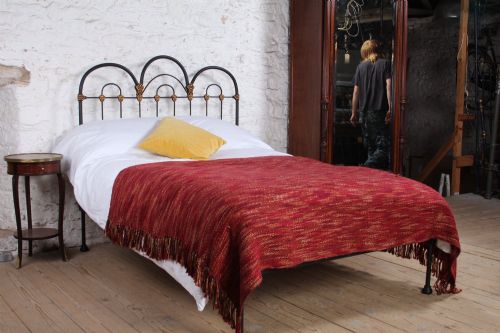
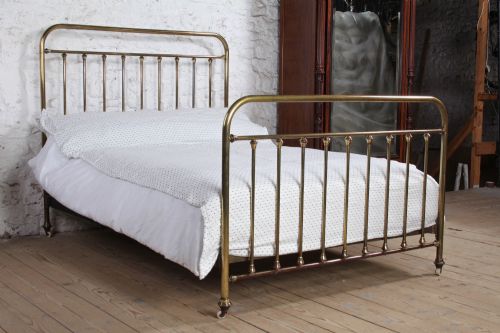
A victorian brass double bed combines warm metallic tubing with structural iron frames designed for standard sleeping quarters. The form ranges from simple straight rails to elaborate half tester canopies and ornate castings.
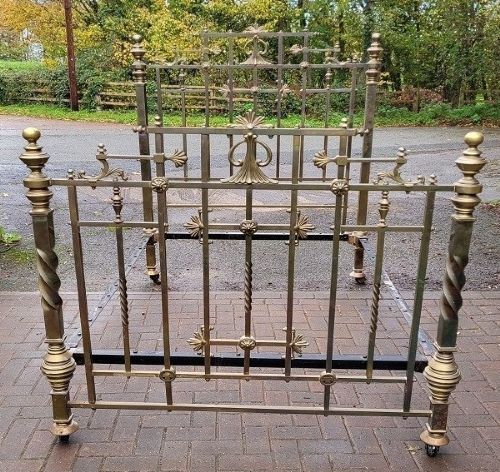
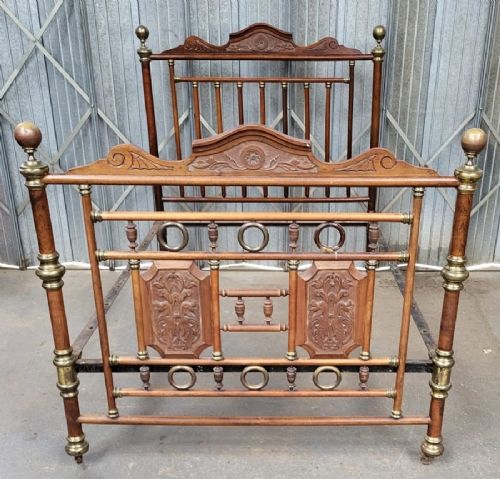
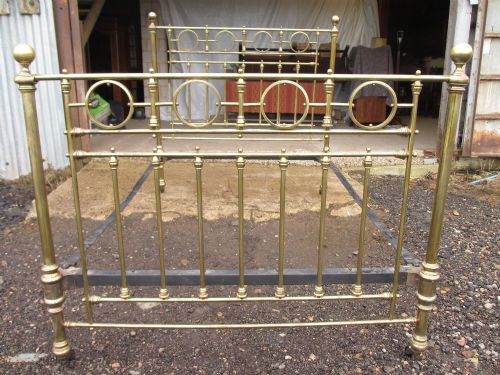
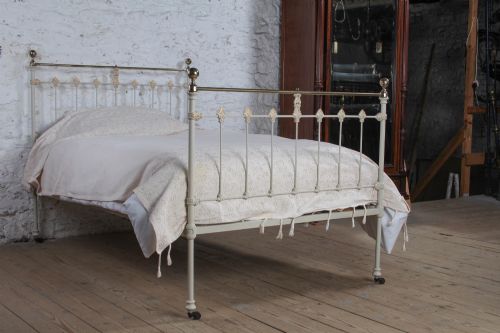
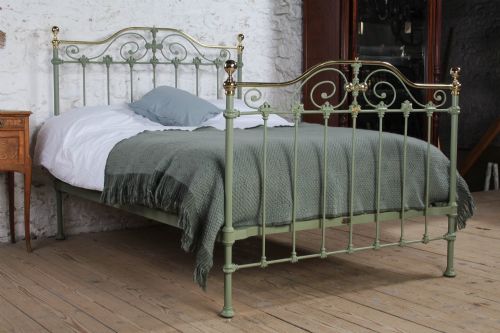
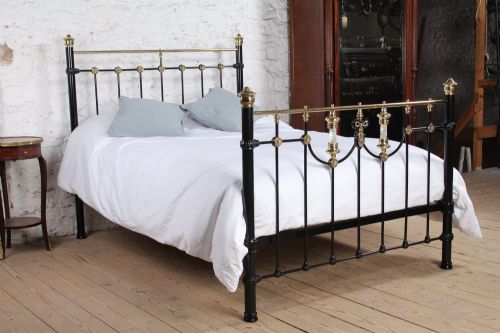
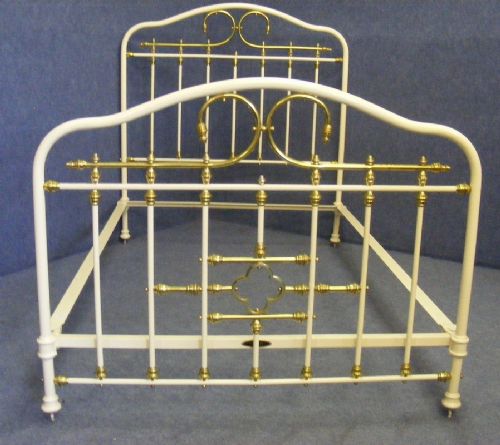
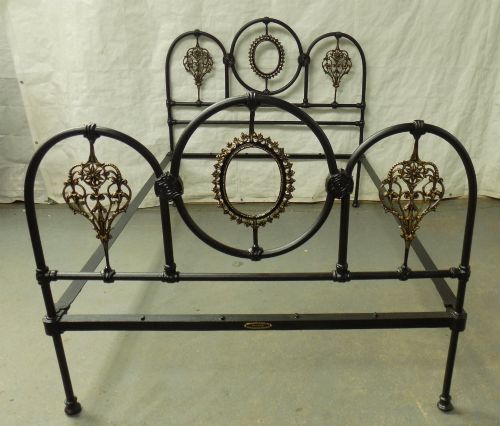
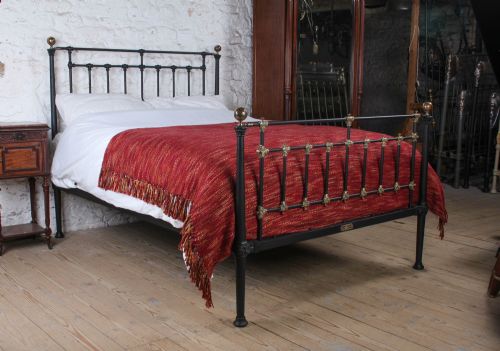
Most examples found in these listings pair gleaming brass components with dark painted iron rails that slot together on original castors. These double bedframes span decades of nineteenth-century manufacture, often incorporating decorative details like mother of pearl or carved walnut.
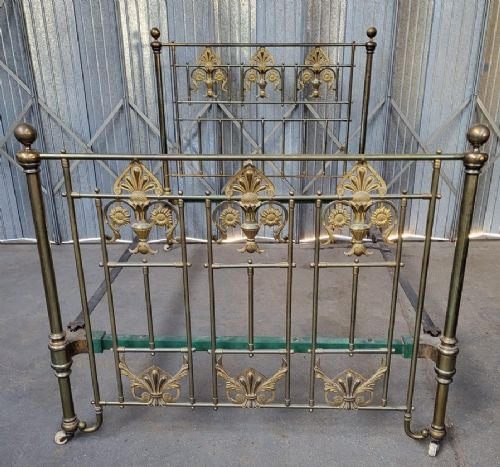
Makers of the period utilised robust metalwork to create domestic furniture that survived generations of daily use. Buyers frequently encounter combinations of brass and cast iron alongside rarer solid brass or gilded exhibition pieces.
Materials and construction
Makers constructed these bedframes using heavy cast iron for structural support and side rails, paired with bright brass tubing and decorative brass stampings. Metal components were joined with mechanical fasteners and slot-in joints designed to be dismantled easily.
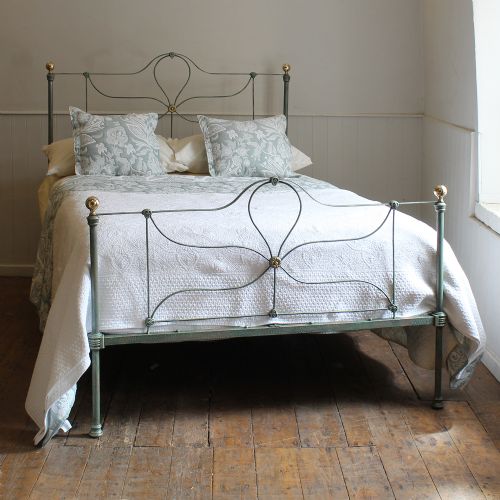
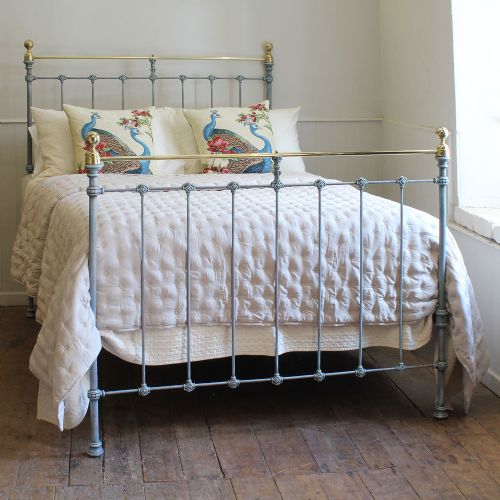
Surface ornamentation often included applied brass details, ceramic or pot castors, and occasionally inset mother of pearl or carved wooden panels. Painted iron finishes in black or green provided contrast against polished brass headboards and footboards.
Markers of distinction
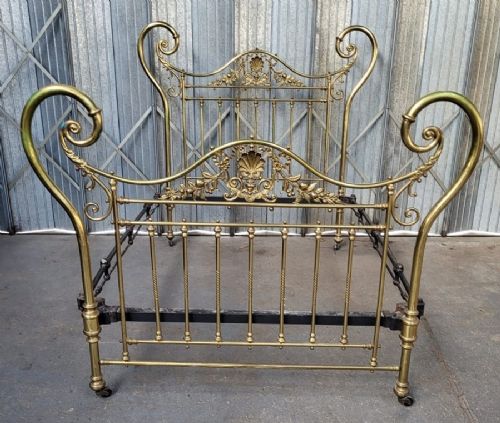
Quality in a victorian brass double bed rests on the weight of the castings, the crispness of the decorative detailing, and the integrity of the original metal components. Exhibition quality pieces and named makers display superior chased brass work and more complex structural forms like half testers.
The presence of original castors, matching side rails, and undamaged brass tubing separates standard domestic examples from exceptional surviving pieces. Simple utility beds contrast with elaborate, heavy-gauge designs that feature substantial brass pillars and intricate iron scrollwork.
Winfield·Maple and Co·Harrods·Hoskins and Sewell
The Victorian Brass Double Bed Glossary
- Bedstead
- A framework of a bed, consisting of headboard, footboard, and side rails. This term frequently appears in nineteenth-century inventory records.
- Half Tester
- A canopy projecting from the wall or headboard over the upper half of the bed. Such designs often supported fabric drapery.
- Castor
- A small wheel mounted on a swivel attached to the bottom of the bed legs. Many period examples utilise ceramic pot castors.
- Upstand
- The raised metal section above the main headboard or footboard panel. This feature provides additional decorative height to the design.
- Side Irons
- The longitudinal metal rails connecting the headboard and footboard to support the mattress frame. These are essential for structural assembly.
Victorian Brass Double Bed: Frequently Asked Questions
Will a standard modern mattress fit these beds?
Many nineteenth-century double beds measure slightly differently from contemporary standard dimensions, requiring careful measurement of the internal iron frame before purchasing a mattress.
Some bedframes accommodate standard double or small double sizes easily, while others benefit from custom-made bases or supportive modern slats placed inside the original irons.
How do I assemble and dismantle the frame?
These beds rely on a simple wedge-and-slot system where the side irons drop directly into cast slots on the headboard and footboard posts.
No complex tools are needed for assembly, but having two people helps guide the heavy iron components safely into place without damaging the brass work.
How should I clean polished brass and iron?
Regular dusting with a dry microfibre cloth keeps dust from settling into the intricate crevices of the cast brass and iron details.
Harsh metal polishes should be avoided on aged or lacquered surfaces to preserve the natural patina accumulated over the decades.
Can I use these beds every day?
The sturdy iron and brass construction makes these antique frames entirely suitable for regular daily sleeping use.
Checking that the side rails and castors remain secure ensures the bed maintains its structural stability under daily loads.