

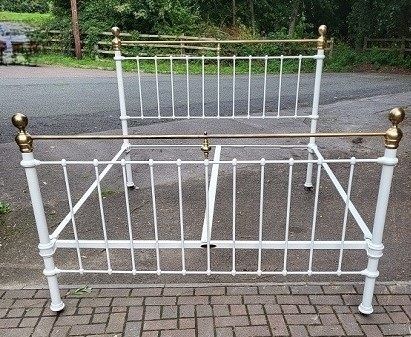
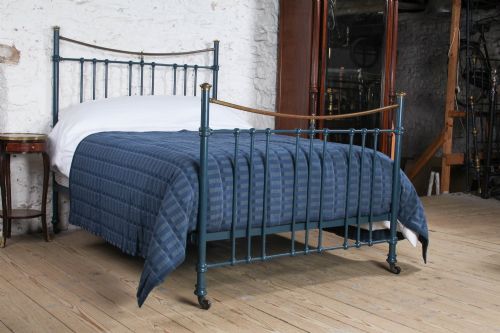
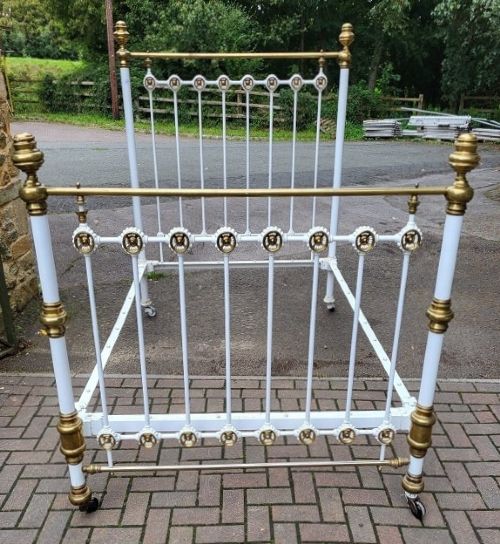
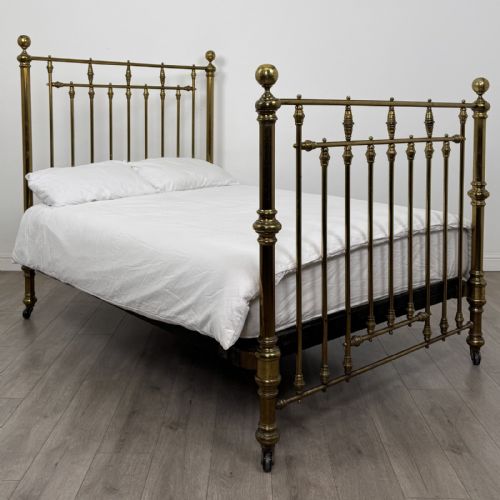
Traditional Metal Double Bed
A traditional metal double bed offers sturdy construction and period character, bringing lasting focal points to bedrooms through enduring Victorian and Edwardian designs.
Traditional Metal Double Bed
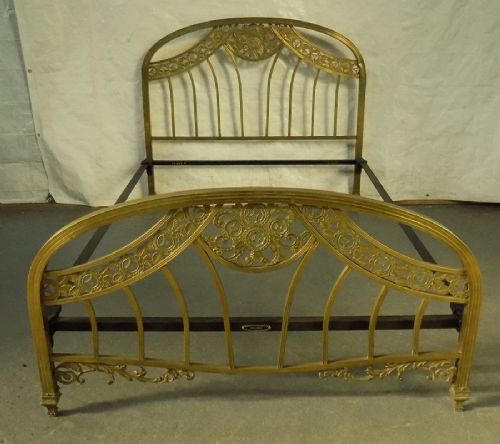
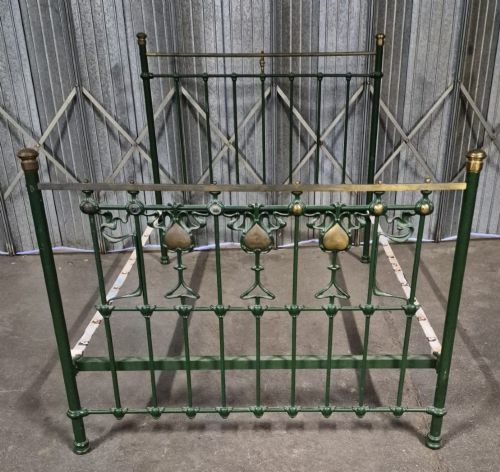
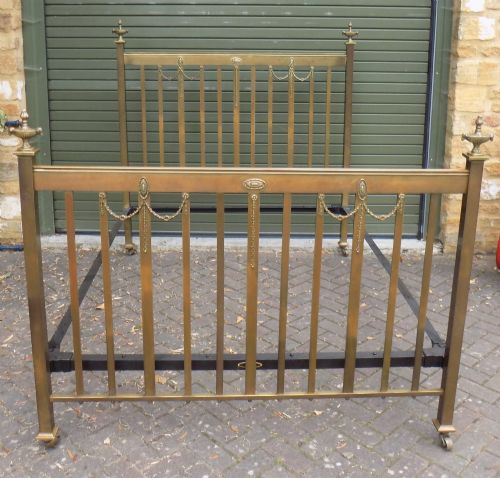
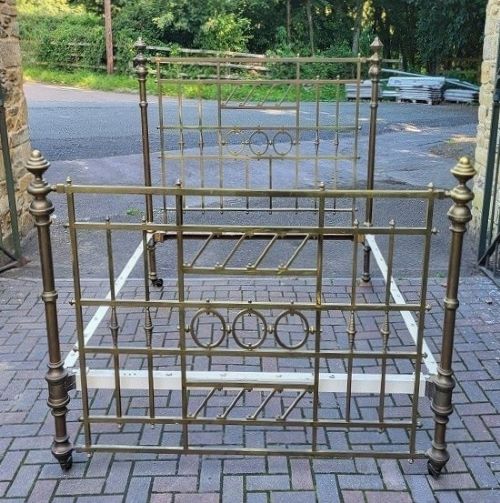
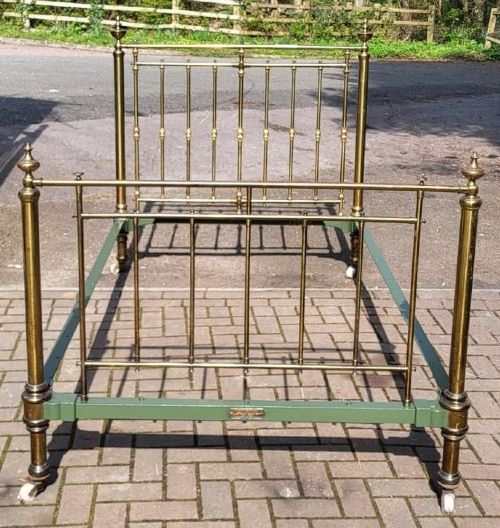
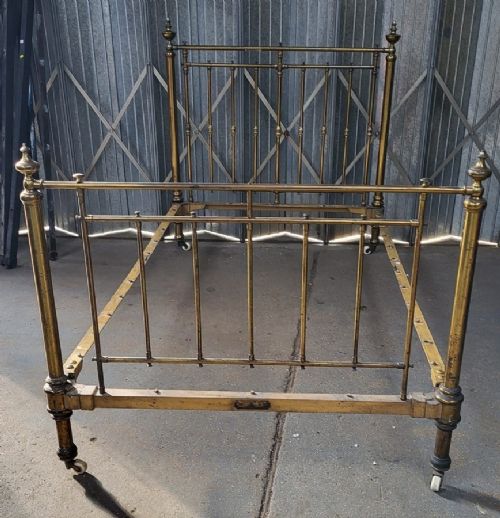
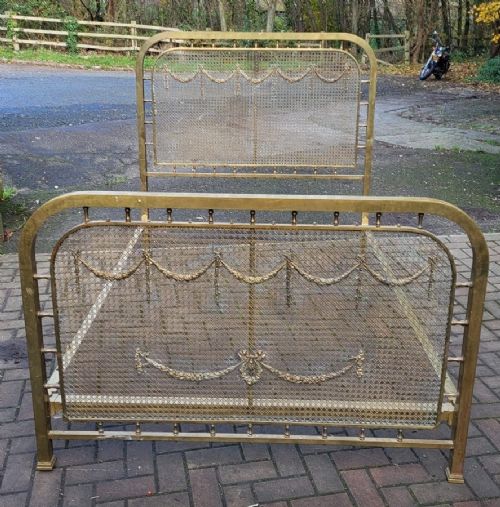
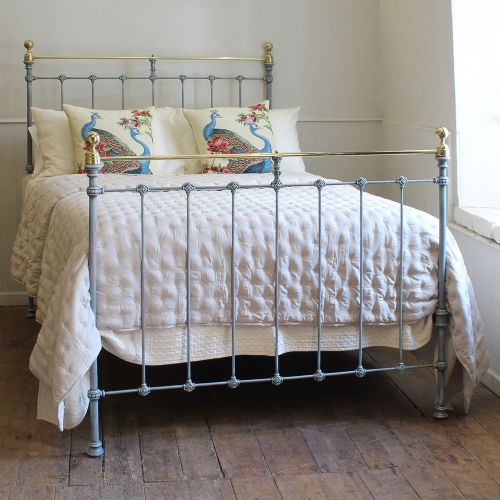
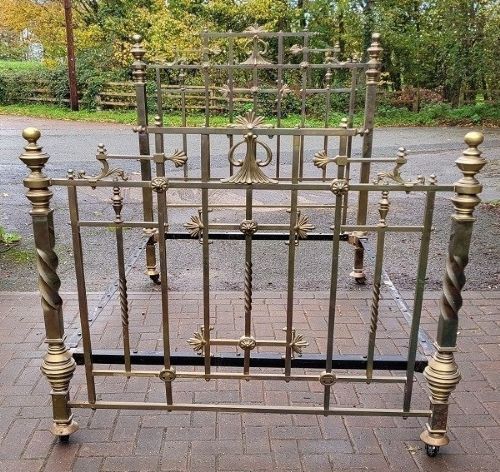
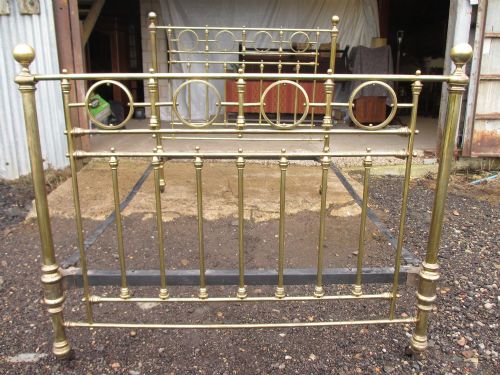
A traditional metal double bed primarily spans the Victorian era, the Edwardian period, and around nineteen hundred, taking forms such as standard double size bedsteads, bed frames, and half tester beds. These pieces emerge in styles including French Provincial, Art Nouveau, and Celtic Revival alongside classic British domestic formats.
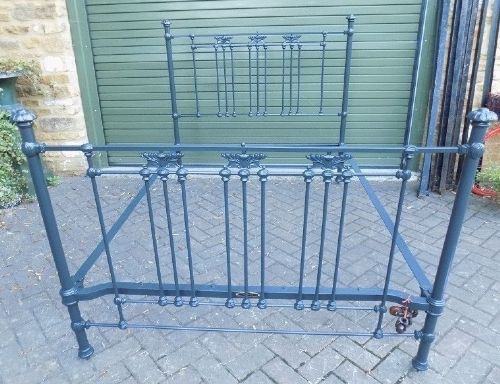
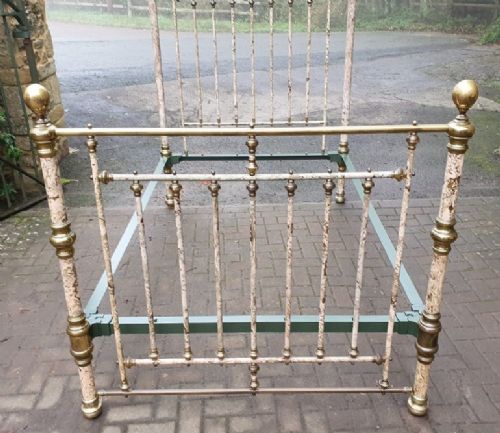
The version most frequently met on this page is the Victorian brass and iron combination bedstead, often fitted with slot-in frames and original castors. These frames combine painted iron work with polished brass details, ranging from simple straight rail designs to ornate curly configurations.
How they were made
Maker construction relies on cast iron, wrought iron, and solid brass components joined to form rigid bed frames. Painted finishes on iron provide colour and protection, while brass elements receive polished treatments to highlight cast details.
Specialised ornamentation incorporates mother of pearl insets, tapered posts, and half tester canopies. Iron frames utilise slot-in joints that secure the headboard, footboard, and side rails together.
Traditional Metal Double Bed Retail Price Guide 2026
Typical asking prices for traditional metal double bed among the pieces listed under this phrase on Sellingantiques today, from the lower quarter to the upper quarter. They describe what is for sale here now, not the wider market.
Listings feature Victorian, Edwardian, and nineteen hundred periods using brass, cast iron, and mother of pearl.
What varies in quality
The refinement of shape and detailing marks the upper tier of pieces, distinguishing standard utility frames from exhibition quality models with tapered posts and elaborate half tester structures.
Winfield·RW Winfield·Maple & Co.
The Traditional Metal Double Bed Glossary
- Bedstead
- A framework of a bed supporting the mattress and springs. It comprises headboards, footboards, and side rails.
- Half Tester
- A canopy that extends only partway over the head of the bed, supported by posts attached to the headboard. This configuration provides a decorative focal point without enclosing the entire sleeping area.
- Castor
- A small wheel mounted on a swivel assembly attached to the legs of the bed. It allows the heavy iron and brass frame to be moved across floors with ease.
- Art Nouveau
- A style of decorative art characterised by flowing, organic lines and asymmetrical natural motifs. It appears on framing and brass details dating towards the end of the nineteenth century and into the Edwardian era.
Traditional Metal Double Bed: Frequently Asked Questions
Will modern double mattresses fit these antique beds?
Many traditional metal double beds conform to historic dimensions rather than contemporary standard mattress sizes. Checking the internal rail measurements ensures modern bases or custom mattresses drop correctly into the frame.
Adapting antique side rails sometimes requires subtle modifications or custom support slats. Consulting the exact frame dimensions prevents alignment issues with standard bedding.
How do iron and brass bed frames dismantle?
Most period bed frames utilise slot-in wedge joints that lock the side irons into the headboard and footboard posts. Tapping these joints upwards releases the tension without requiring complex tools.
Careful handling during dismantling protects painted iron surfaces and delicate brass fittings. Keeping original bolts and wedges together ensures straightforward reassembly in a new room.
How do I care for polished brass and painted iron?
Polished brass benefits from periodic dusting and occasional application of protective metal wax to maintain its lustre. Abrasive cleaners should be avoided to preserve original patinas.
Painted iron frames require only gentle cleaning with a dry or slightly damp cloth. Protecting the painted surfaces from moisture prevents corrosion around joint connections.