


Brass Reading Stand
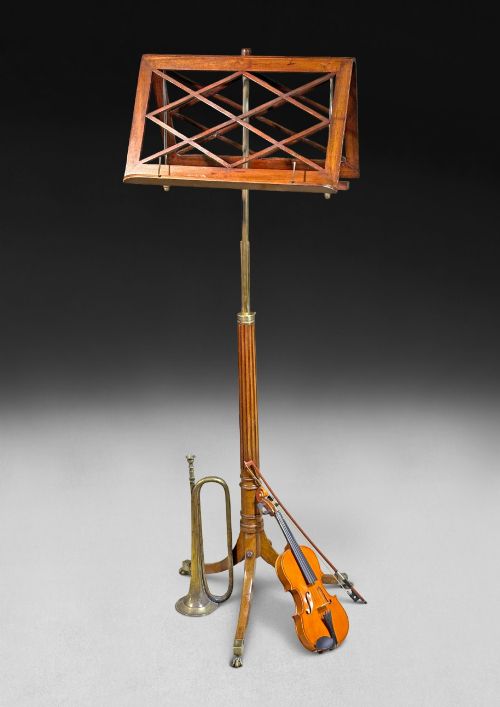
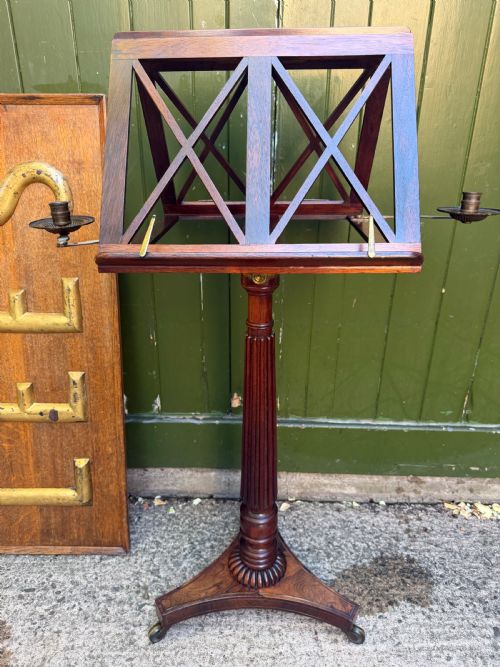
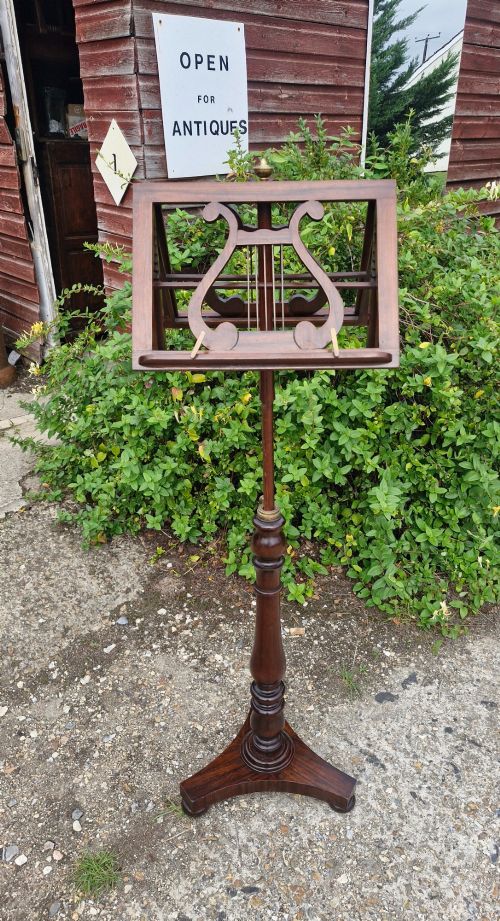
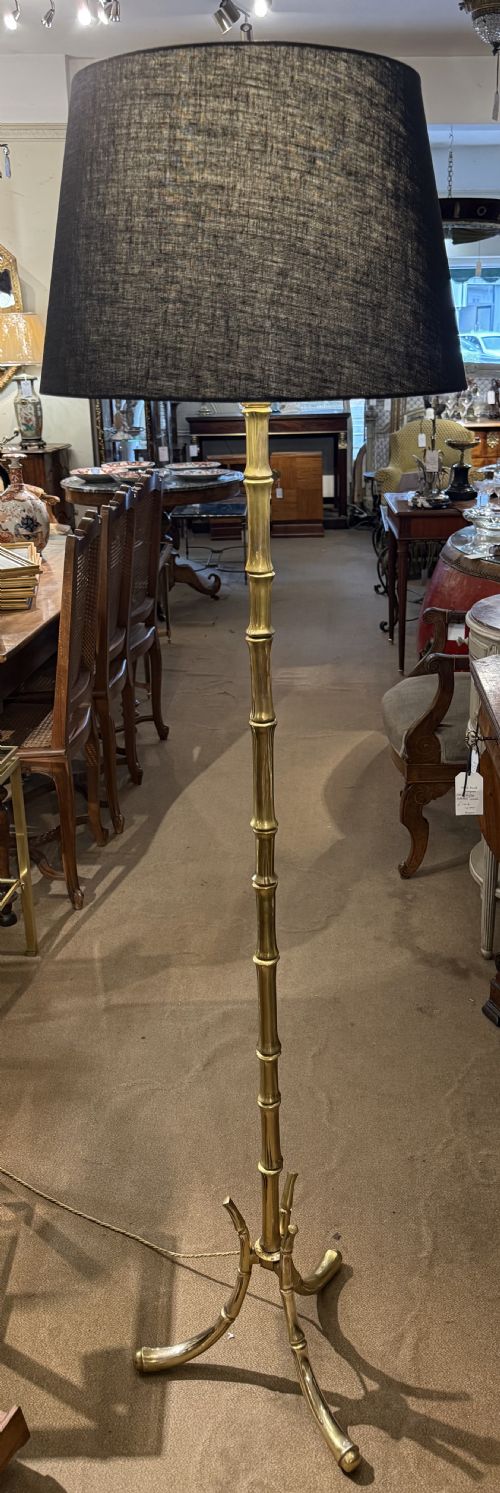
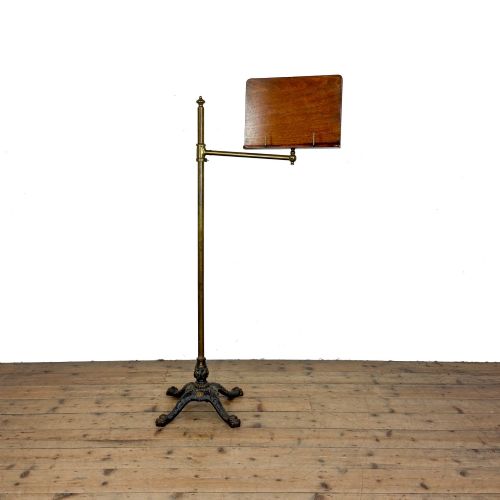
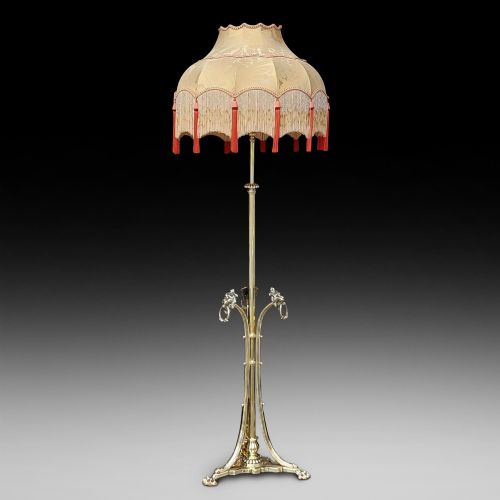
A brass reading stand brings functional Victorian and Edwardian mechanics into the room, offering adjustable support for books, music, and lamps.
Brass Reading Stand
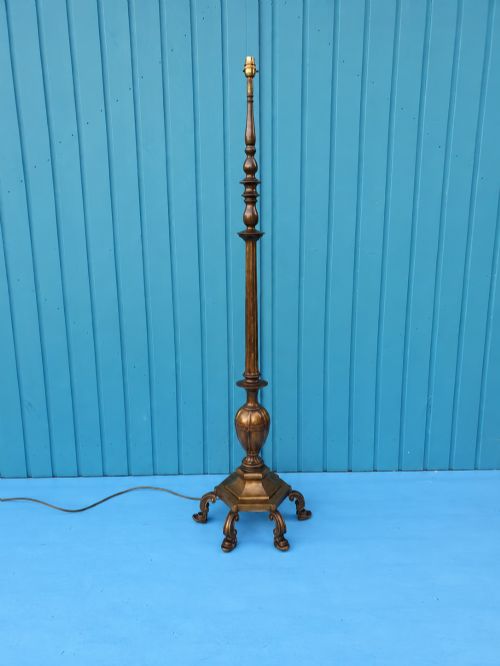
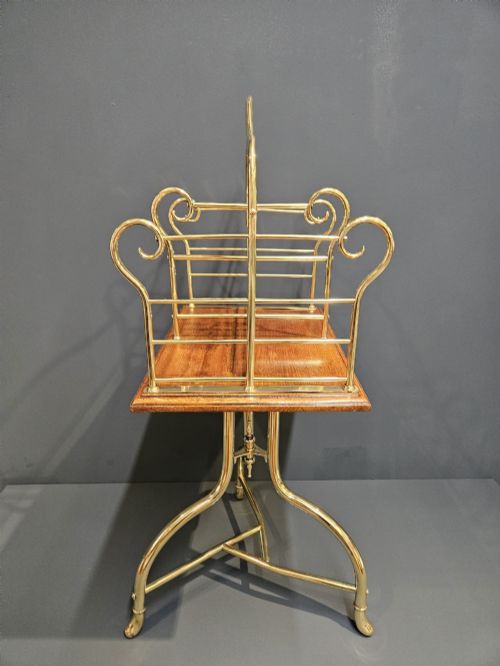
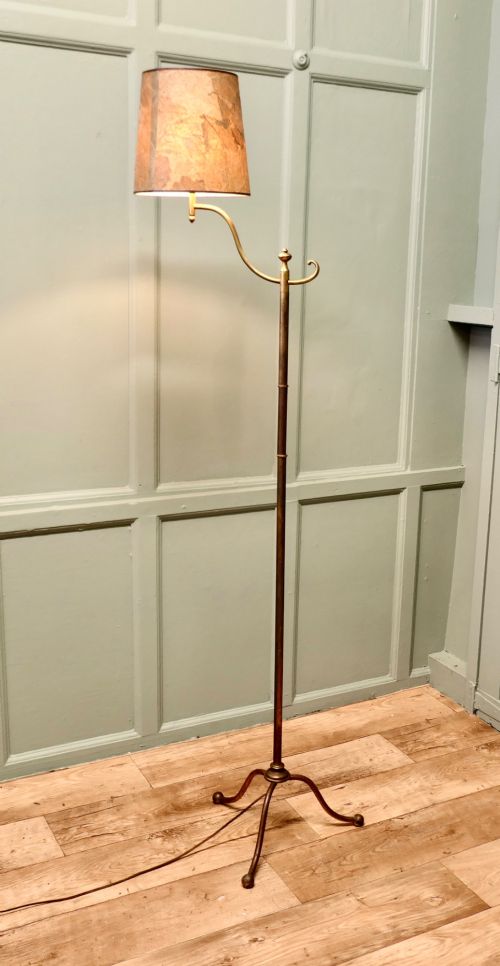
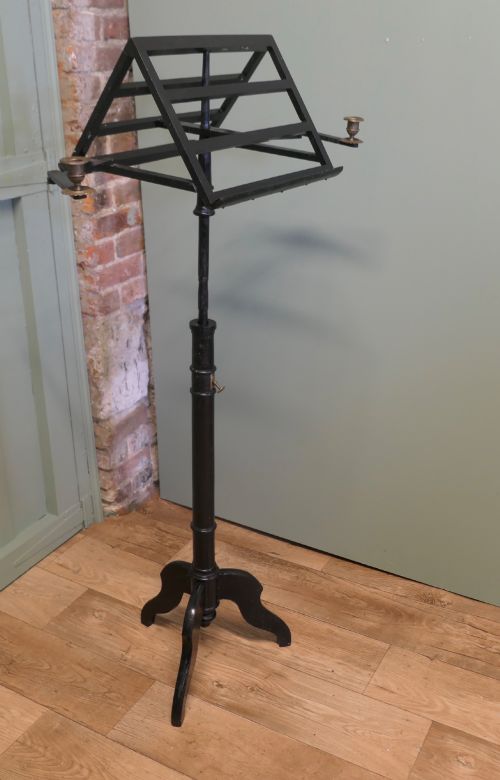
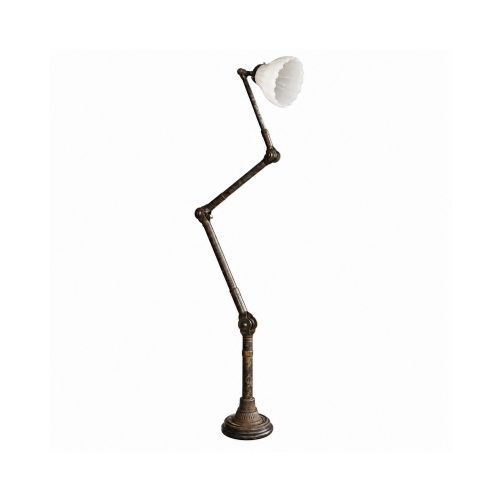
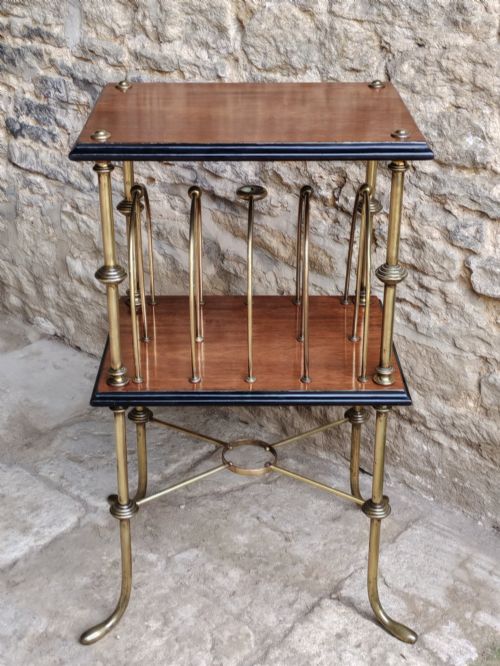
When you search for a brass reading stand, you encounter pieces designed primarily for libraries, studies, and drawing rooms during the nineteenth and early twentieth centuries. These objects range from heavy floor-standing telescopic lecterns to table-top book rests and standard lamps fitted with adjustable reading arms.
The versions most commonly met on this page combine polished or patinated brass with timbers like mahogany, rosewood, and oak, often featuring patent adjusting mechanisms from the Victorian and Edwardian eras. Pieces span styles from Regency and William IV to Gothic Revival and Art Nouveau, reflecting the changing tastes of domestic interiors.
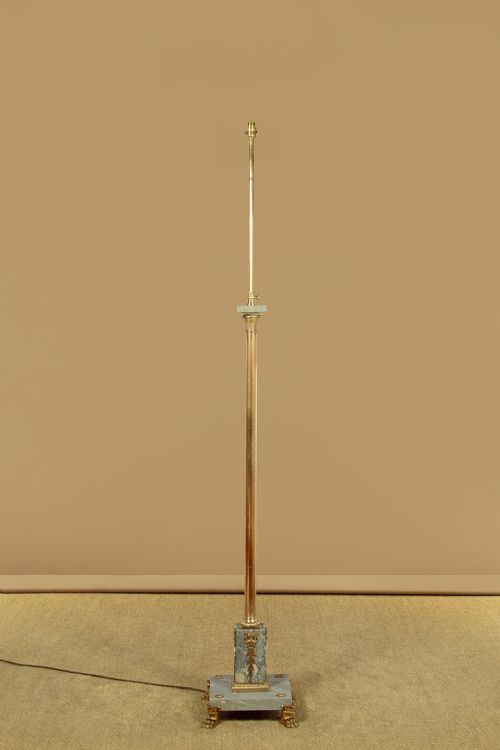
Floor-standing examples frequently incorporate heavy cast iron bases or weighted tripod feet to support extending brass columns, while smaller table variants utilise brass mounts, hinges, and ratchets to alter the viewing angle of a book or sheet of music.
Materials and Construction
Makers constructed these stands using cast, spun, and tubular brass combined with dense hardwoods such as mahogany and rosewood. Structural stability relied on heavy cast iron internal weights or bronze components hidden within telescopic columns.
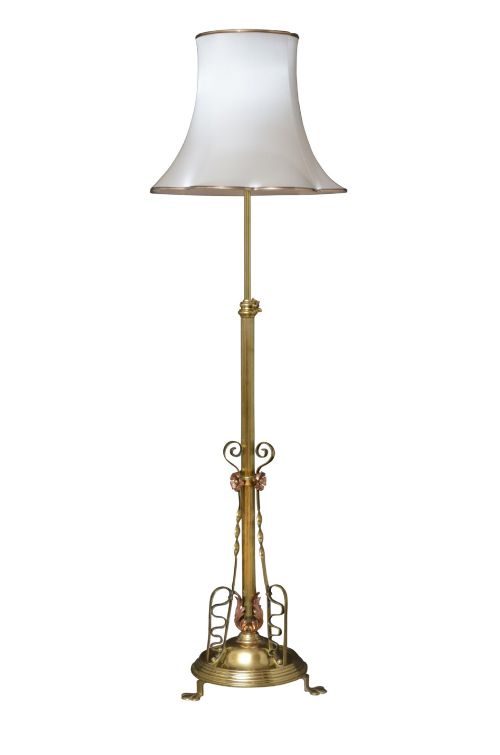
Artisans employed brass casting for decorative column capitals, floral openwork bases, and pivoting joints, while sliding bookends, ratcheted ledges, and brass-inlaid reading surfaces demonstrated precise cabinet-making techniques. Patinated finishes, copper accents, and occasional cranberry glass elements completed the assemblies.
Brass Reading Stand Retail Price Guide 2026
Typical asking prices for brass reading stand among the pieces listed under this phrase on Sellingantiques today, from the lower quarter to the upper quarter. They describe what is for sale here now, not the wider market.
Some Victorian reading stands incorporate rotating candle arms so the studious reader could continue working well after daylight faded.
Judging Quality
The distinction between ordinary utility pieces and finer examples rests on the complexity of the mechanism and the integrity of the materials. Superior stands feature smooth telescopic action, original brass thumbscrews, and heavy, stable bases without modern replacement parts.
Hand-finished casting details, substantial gauge brass tubing, and well-figured timber reading boards separate workshop production from mass-manufactured items. The presence of patent stamps or maker signatures further elevates a piece within its period.
Maison Bagues
The Brass Reading Stand Glossary
- Telescopic
- An adjustable mechanism allowing vertical height extension through nested inner and outer tubes. This feature enabled users to alter the height of a reading lamp or bookrest easily.
- Lectern
- A tall stand with a sloping top designed to hold a book or manuscript for reading aloud. Victorian examples often appeared in heavy brass for ecclesiastical or library use.
- Literary Machine
- A specialised patent stand featuring multi-articulated arms designed to hold books at various angles for bed or armchair reading. These complex assemblies represent the height of Victorian mechanical ingenuity.
- Bouillotte
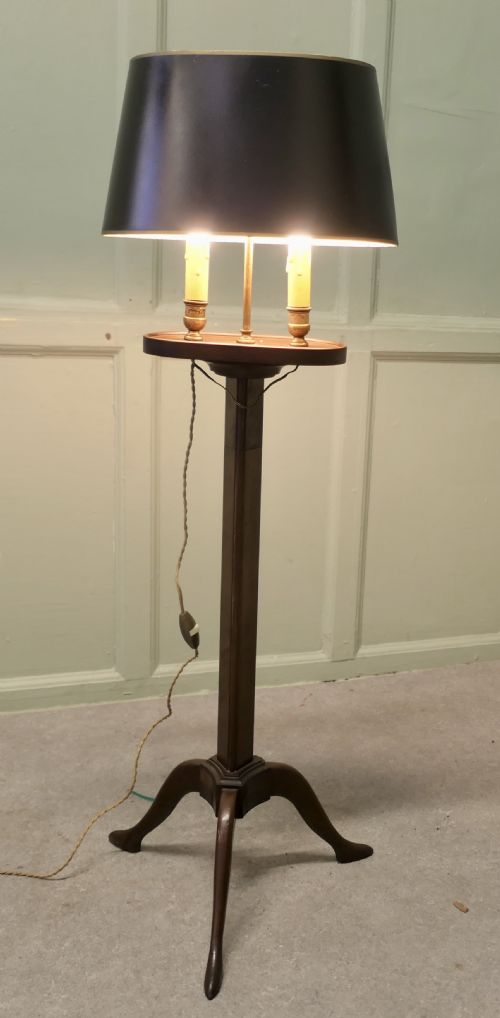
- A type of adjustable metal lamp featuring a central shade and twin or multiple candle arms. They originated in France and were adapted later for standard electrical fittings.
- Patinated
- The surface appearance acquired by brass and copper over time through oxidation and handling. Collectors value a deep, undisturbed warm tone over overly polished metal.
Brass Reading Stand: Frequently Asked Questions
How do you adjust the height?
Most pieces utilise a sliding telescopic column secured by a threaded brass thumbscrew or a clutch mechanism. Loosening the screw allows the inner brass rod to rise or lower before tightening into place.
Heavier Victorian and Edwardian examples may incorporate internal counterweights or cast iron springs to balance the weight of the reading desk or lamp.
Were they used for music or books?
These versatile stands served multiple purposes in the nineteenth-century home, acting equally as book rests, lecterns, and music stands. Many feature adjustable ledges or pivoting brass clips designed specifically to hold open heavy folios, Bibles, or sheet music.
Makers frequently categorized similar telescopic frames as reading or music stands interchangeably, depending on the fitted top.
How do I date a brass stand?
Dating relies on stylistic clues such as Neoclassical columns, Gothic Revival tracery, or Art Nouveau whiplash curves found in the brass casting. The manufacturing techniques, screw thread types, and accompanying timber species like rosewood or mahogany also indicate the specific period.
Patent dates stamped into the metal provide a reliable earliest possible year of production for mechanical pieces.
Can modern bulbs be fitted safely?
Standard lamps and reading lights originally designed for oil or candles are routinely converted for modern electrical use. Many pieces arrive rewired with period-appropriate flex while retaining their original brass holders and weighted bases.
Consulting a qualified electrician ensures that older brass lamp assemblies meet current safety standards without altering the historic metalwork.