


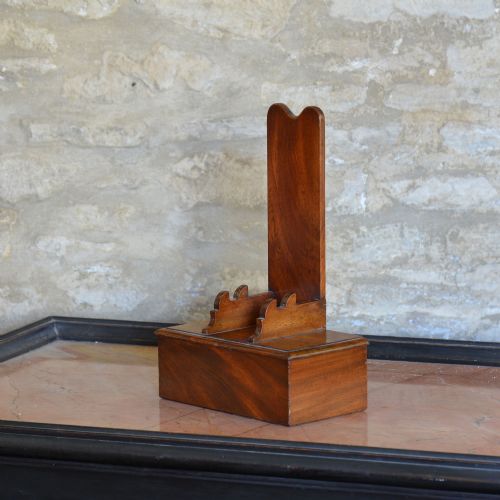
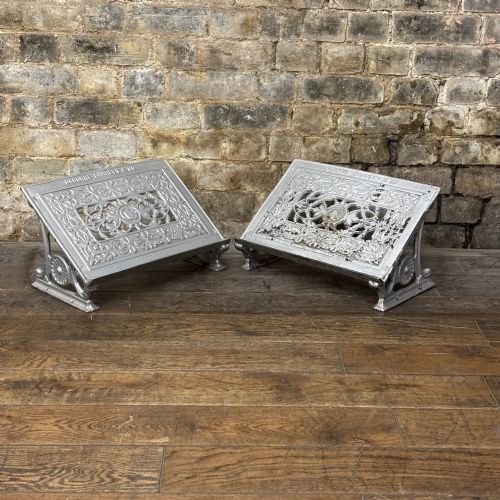
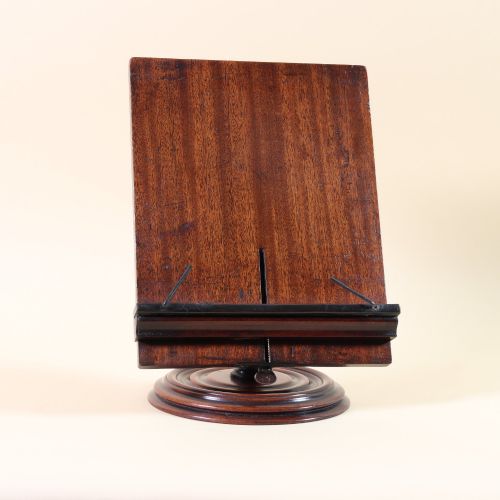
Antique Book Holder Stand
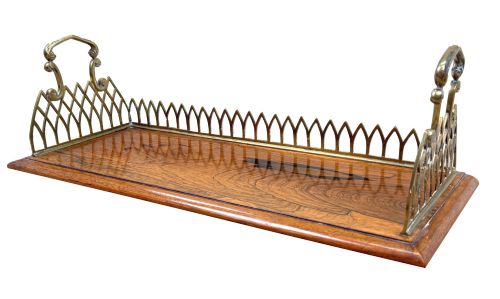
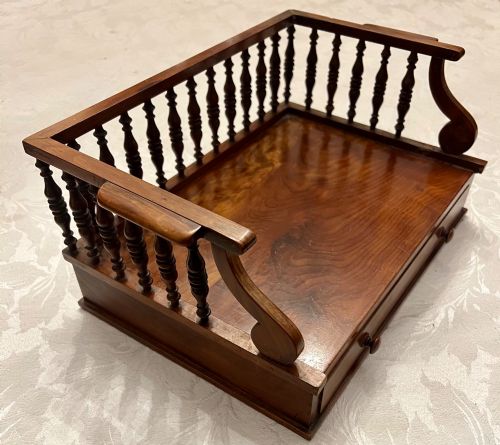
An antique book holder stand organises reading matter upon a desk or table, combining functional timber joinery with period craft.
Antique Book Holder Stand
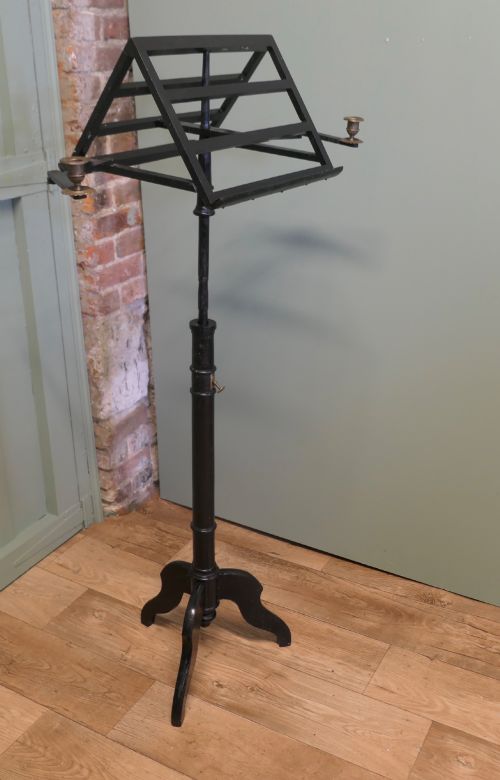
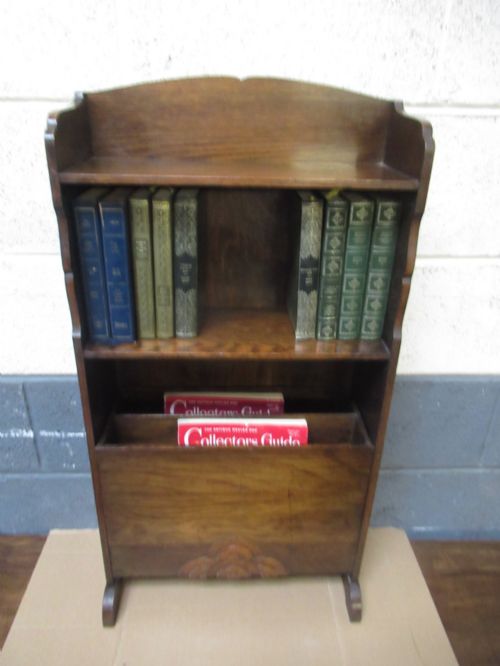
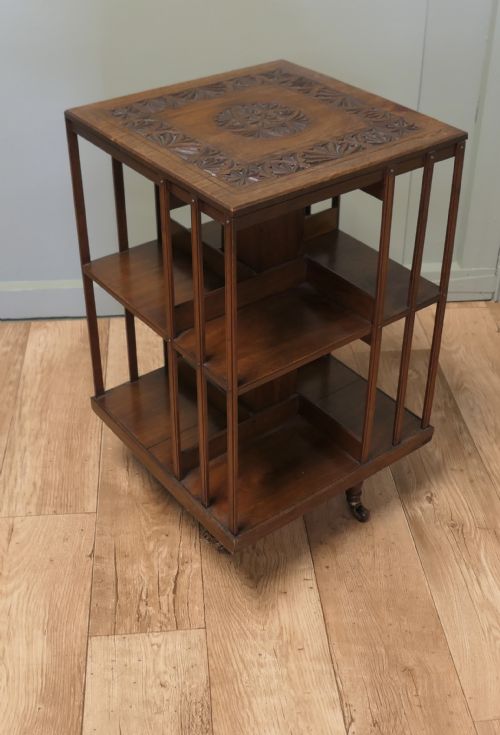
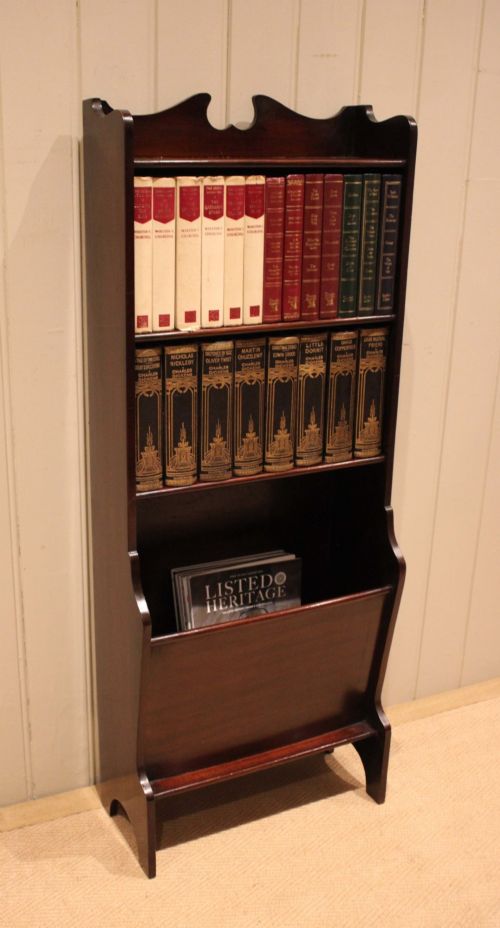
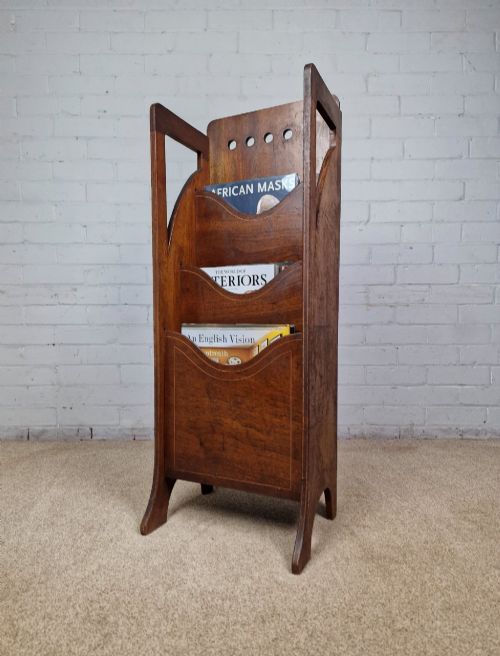
The objects serve various domestic and institutional settings, spanning desktop book rests, music stands, and freestanding church lecterns. Forms such as the Canterbury magazine rack and the slope-shelf fireside book trough appear alongside sophisticated extending slides mounted in brass. These pieces reflect the varied reading habits of past centuries, offering structured placement for everything from heavy missals to daily newspapers.
What varies in quality
The standard of a piece depends largely on the selection of timber and the precision of its mechanical action. Extending book slides and adjustable music stands demonstrate superior craftsmanship when their brass ratchets, screws and folding struts operate without binding or play.
Carving depth and decorative integration also distinguish finer workshops from standard production. Pieces featuring detailed Gothic Revival tracery, hand-painted plaques or specialised Tunbridge mosaic work exhibit a level of detail that elevates simple utilitarian objects into decorative works of art.
Antique Book Holder Stand Retail Price Guide 2026
Typical asking prices for book holder stand among the pieces listed under this phrase on Sellingantiques today, from the lower quarter to the upper quarter. They describe what is for sale here now, not the wider market.
Listings feature woods like mahogany, oak, walnut, rosewood, bamboo and olive wood, spanning the Georgian, Victorian and Edwardian eras.
Arthur Simpson·Osborne Garrett & Co·Betjemanns·Harrods
The Antique Book Holder Stand Glossary
- Book slide
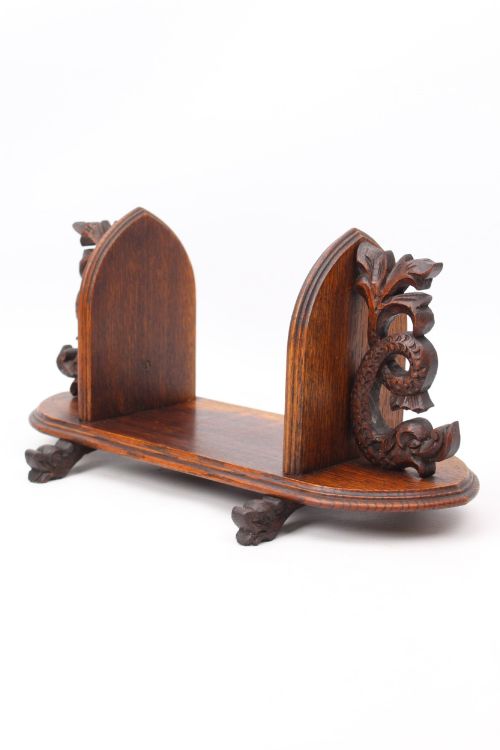
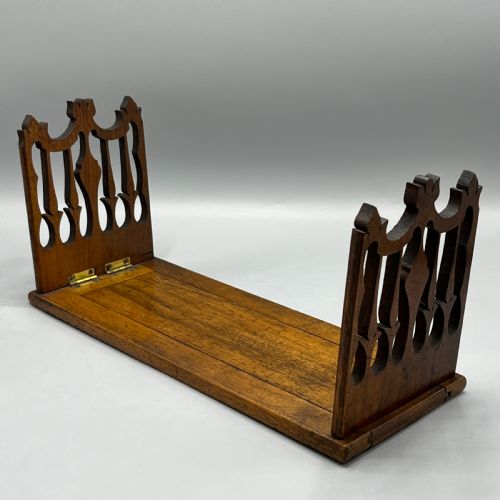
- An expanding rack placed on a desk to hold a row of volumes upright between two upright ends. These often feature folding brass actions.
- Lectern
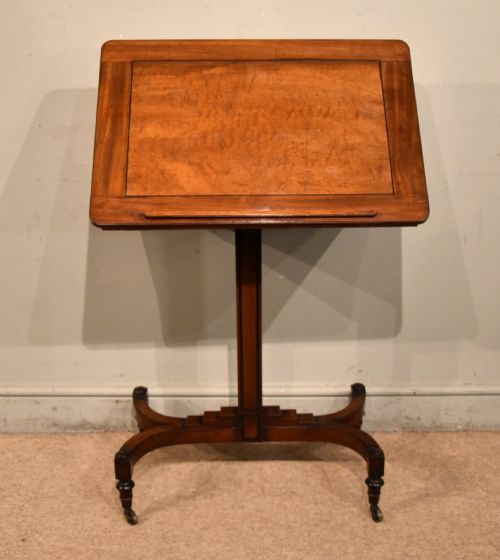
- A freestanding or desktop stand with a slanted top designed to hold a book at a reading angle. They frequently appear in oak or brass.
- Canterbury
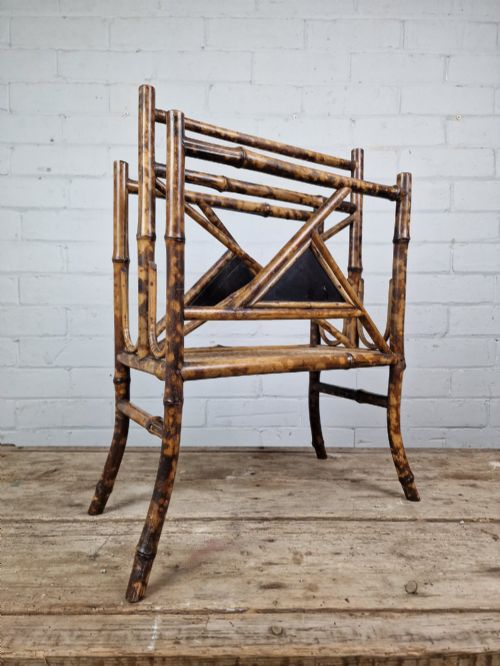
- A low stand with partitions for holding sheet music, magazines or folios, sometimes fitted with small castors. They date widely across the nineteenth century.
- Tunbridge ware
- Woodwork decorated with tiny mosaic tiles assembled from different coloured natural timbers to form geometric or pictorial patterns. This technique originates from Kent.
- Gothic Revival
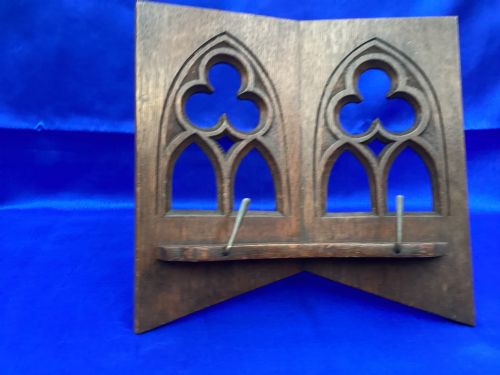
- An architectural and decorative style popular during the nineteenth century that revived medieval forms, pointed arches and heavy carved tracery. It is common on oak ecclesiastical stands.
Antique Book Holder Stand: Frequently Asked Questions
How do I use an extending book slide on a modern desk?
Extending book slides sit directly upon desktop surfaces, where their extending wooden or metal channels expand to fit the exact width of your current reading selection.
They keep reference books tidy and accessible without requiring permanent installation or wall mounting.
Were music stands and book stands built the same way?
Both forms utilised similar cabinet timbers like mahogany and oak, alongside adjustable brass stems and tilting book rests for reading convenience.
Music stands often incorporated tripod bases or heavier pedestals to support sheet music, whereas book stands prioritized desktop stability.
How can I identify a Victorian piece from an Edwardian one?
Victorian pieces frequently display heavier proportions, dark ebonised finishes, or elaborate Gothic Revival carving and brass mounts.
Edwardian examples often lean towards lighter oak construction, simpler Arts and Crafts lines, and less ornate surface decoration.