


Victorian Lectern Stand
These nineteenth-century pieces designed to hold books and scores for reading or performance combine practical adjustment with heavy timber and metal frames.
Victorian Lectern Stand
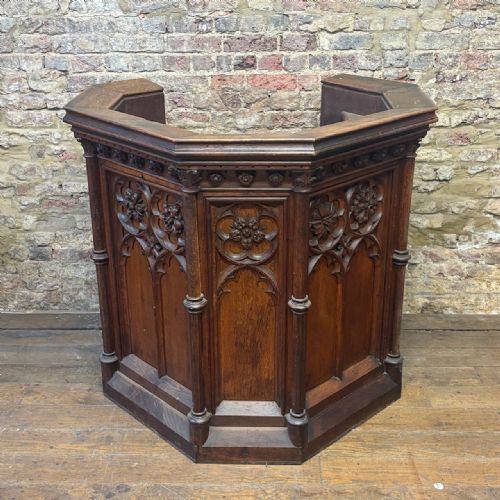
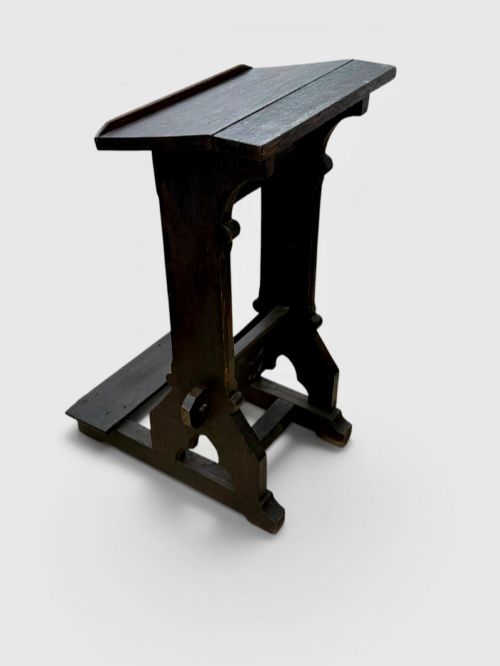
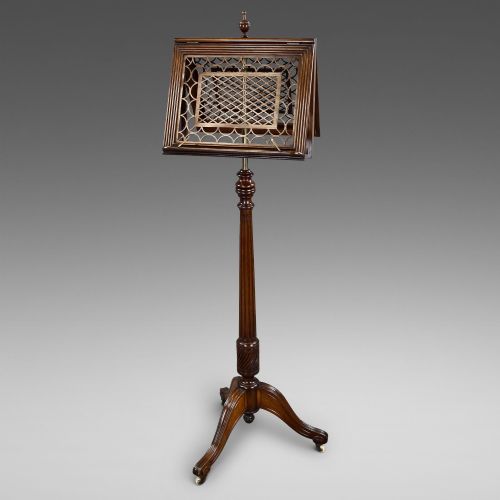
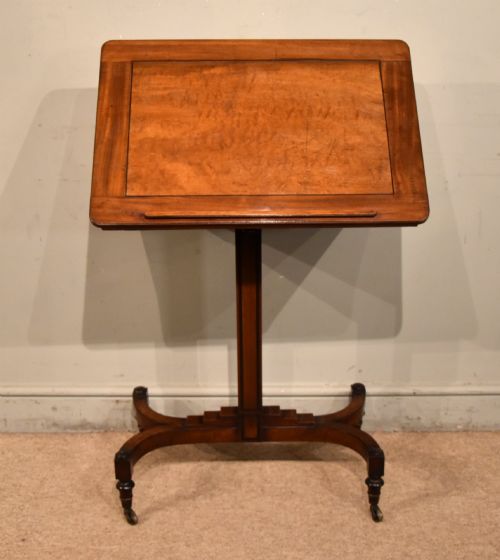
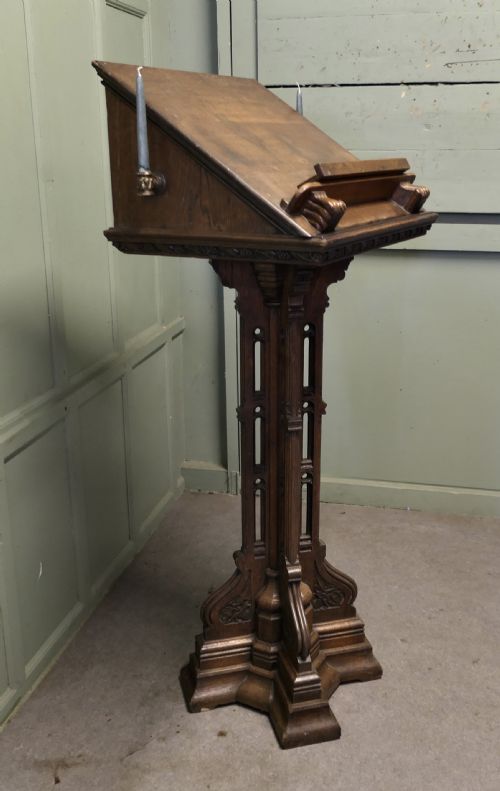
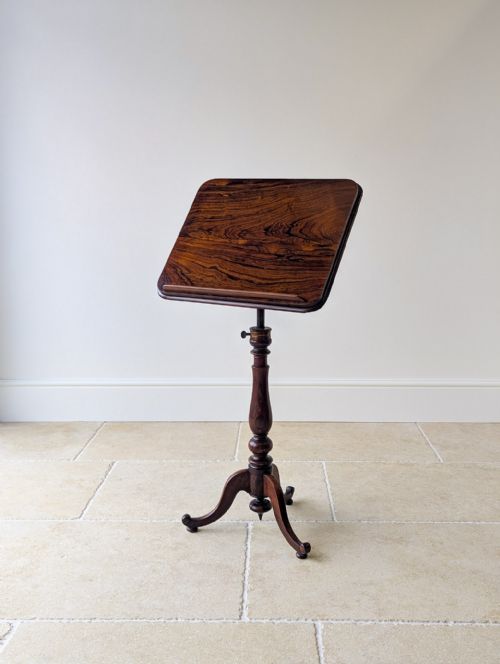
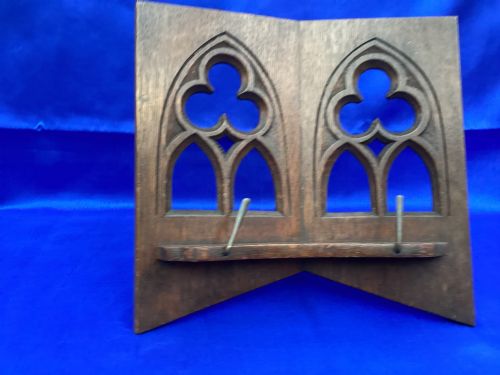
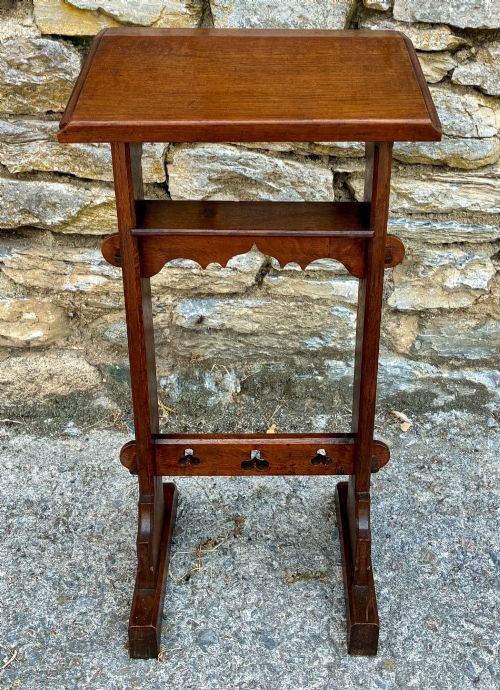
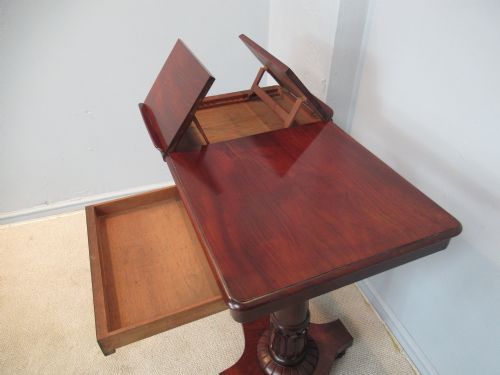
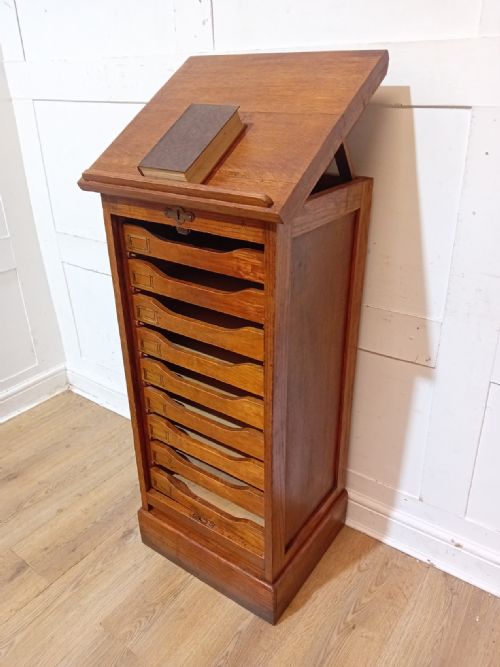
A victorian lectern stand encompasses heavy church furniture, adjustable reading tables, and folding book pedestals made during the nineteenth century. Buyers find ecclesiastical oak prayer desks alongside mahogany music stands and walnut reading tables designed for domestic or public use.
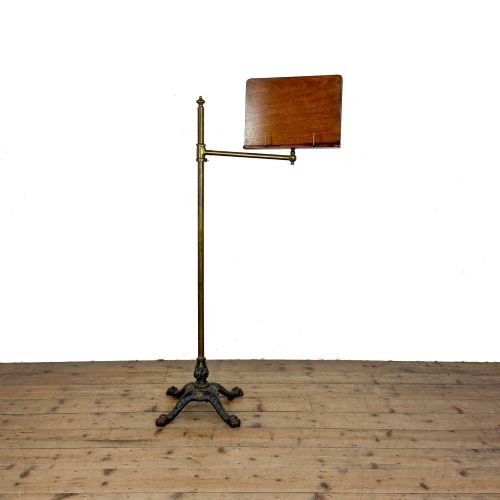
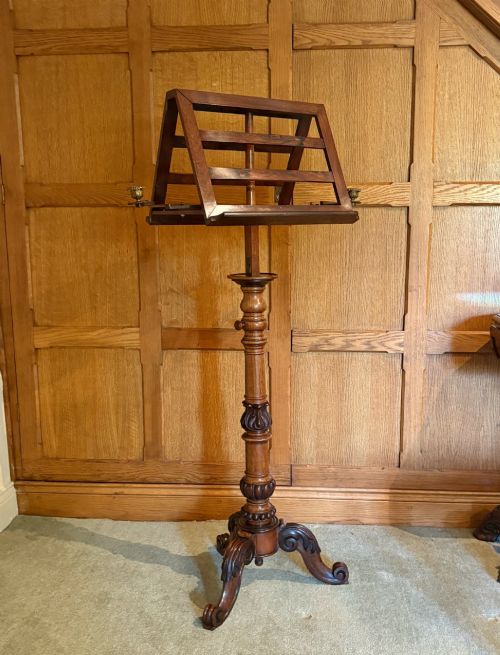
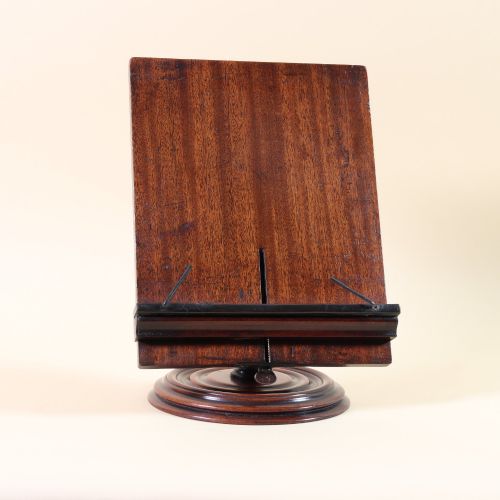
The objects span simpler table-top book rests and tall church lecterns through to complex mechanical reading tables featuring brass fittings and cast iron bases. Pieces frequently merge the functions of music stands, writing tables, and pulpit lecterns into single adjustable pieces of furniture.
Materials and Construction
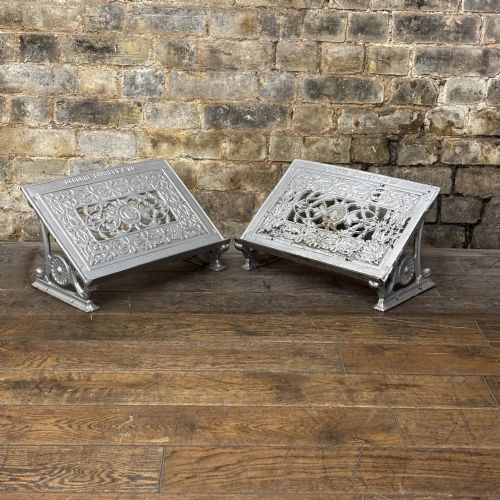
Cabinet makers relied heavily on oak and mahogany, often carving the timber deeply with Gothic Revival motifs, while walnut, rosewood, and occasional gonçalo alves provided rich surfaces for domestic music and reading stands. Brass and cast iron supplied the structural brackets, ratchets, and heavy tripod bases necessary for adjustable reading heights.
Joinery techniques united solid timber boards with turned columns, fretted music racks, and folding mechanisms designed to tilt books at various angles. Metal components were integrated into wooden frames to allow height adjustments and pivoting ledges for heavy church Bibles and bound folios.
Materials span brass, oak, mahogany, cast iron, metal, walnut, rosewood, and wood across periods from the Regency era to the early twentieth century.
Assessing Craftsmanship
Quality rests on the integrity of the adjustable mechanisms and the crispness of the carved ornament found across the oak and mahogany surfaces. Finer pieces demonstrate robust brass ratchets, smooth screw-thread adjustments, and heavy cast iron bases that remain stable at full extension.
The refinement of the timber turning, the depth of Gothic Revival relief carving, and the choice of dense hardwoods such as rosewood or burr walnut separate standard utility items from superior workshop production.
Gillow And Co·Osborne Garrett And Co·Carters Of London·Leveson And Sons
The Victorian Lectern Stand Glossary
- Gothic Revival
- A nineteenth-century architectural and decorative style utilising pointed arches, trefoils, and heavy carved ecclesiastical motifs. This aesthetic heavily influenced church furniture and public lecterns.
- Ecclesiastical
- Pertaining to the Christian church or clergy, describing items originally constructed for use in chapels, churches, or vestries. These pieces typically feature robust oak construction.
- Duet stand
- A wide music stand or lectern designed to accommodate two musicians reading from a shared musical score. They often feature double-sided or extended reading ledges.
- Gonçalo Alves
- A dense, highly figured tropical hardwood also known as zebrawood, utilised in fine nineteenth-century cabinet making. Its striking grain patterns marked high-status occasional furniture.
- Ratchet support
- A mechanical adjustable bracket with notched teeth that allows a reading desk or book rest to be fixed at various angles. This hardware is usually forged from brass or iron.
Victorian Lectern Stand: Frequently Asked Questions
How were these stands used originally?
These pieces served multiple functions in both ecclesiastical and domestic settings, holding large Bibles in churches or supporting sheet music and books for readers seated at tables.
Adjustable mechanisms allowed users to alter the height and tilt for standing lectures, musical recitals, or bedside reading.
Can I use an antique lectern for modern reading?
Many examples are fully adjustable, making them suitable for holding modern books, tablets, or sheet music at a comfortable viewing angle.
Heavier church models work well as stationary podiums, while smaller reading tables function effectively beside armchairs.
How do I distinguish church lecterns from domestic ones?
Church pieces are typically constructed from solid oak with heavy proportions, often featuring Gothic Revival carving or religious motifs intended for ecclesiastical spaces.
Domestic versions more frequently employ mahogany, walnut, or rosewood with delicate turning, brass mounts, and occasional inlay.
What periods do these stands represent?
The majority of items date from the Victorian era, spanning the mid-nineteenth century through to the early twentieth century.
Earlier examples align with the Regency and William IV periods, featuring distinct mahogany and rosewood graining.