
Victorian French Bronze Sculpture
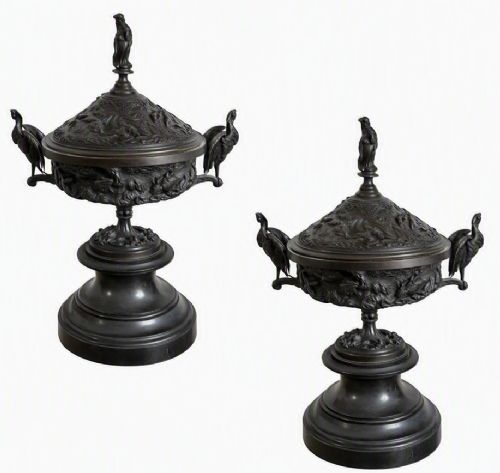
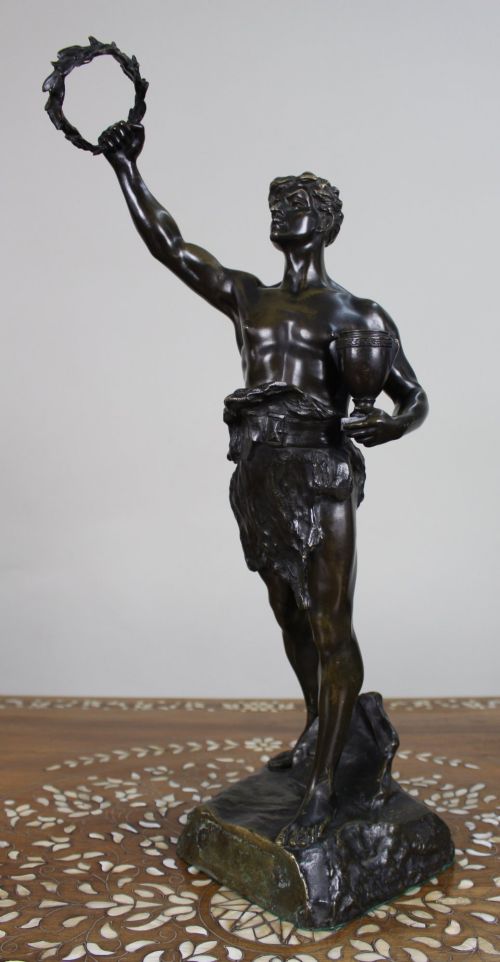
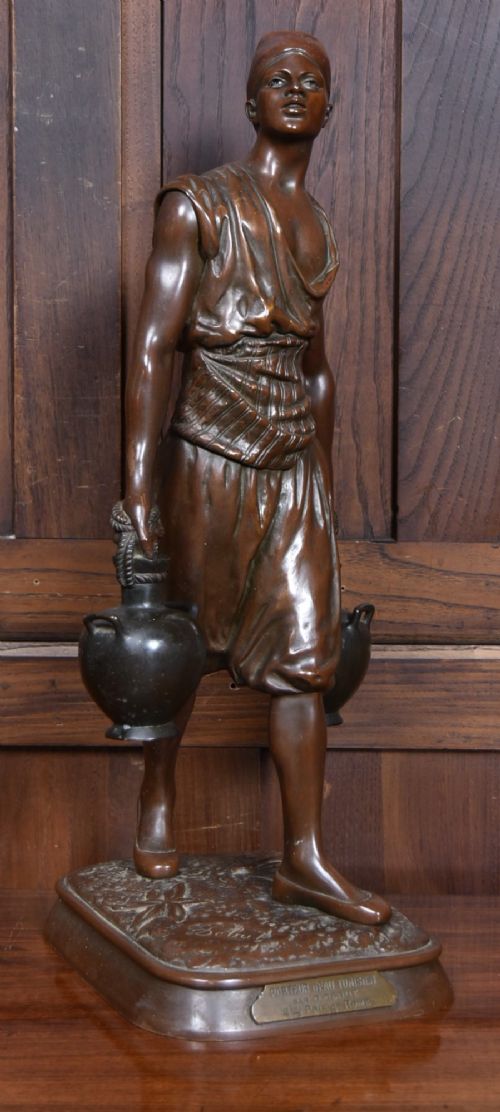
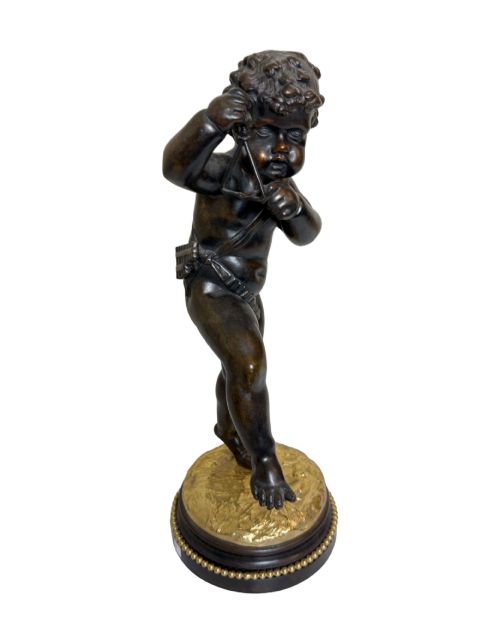
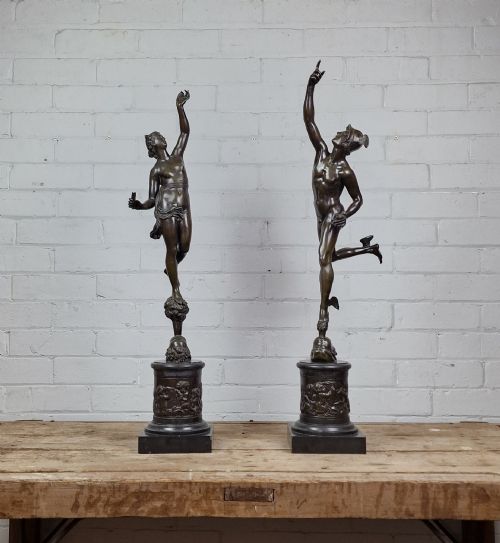
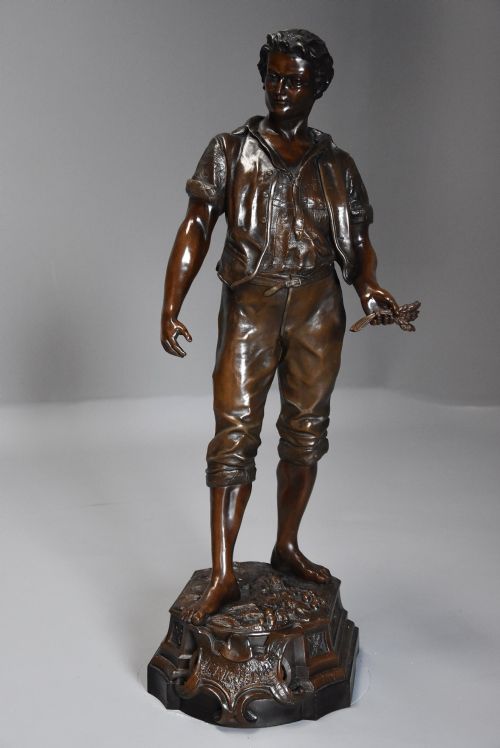
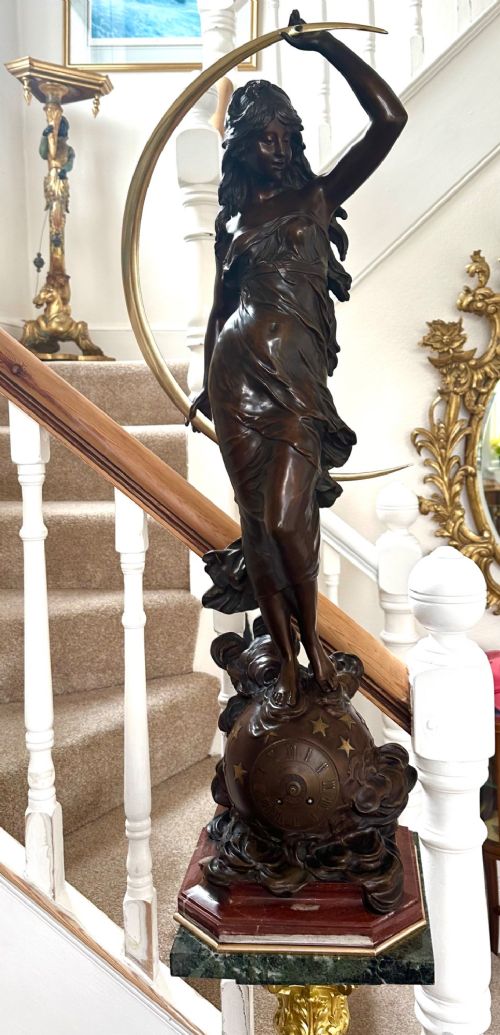
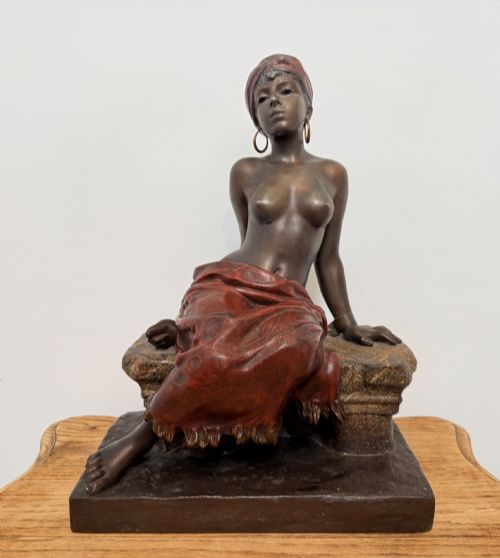
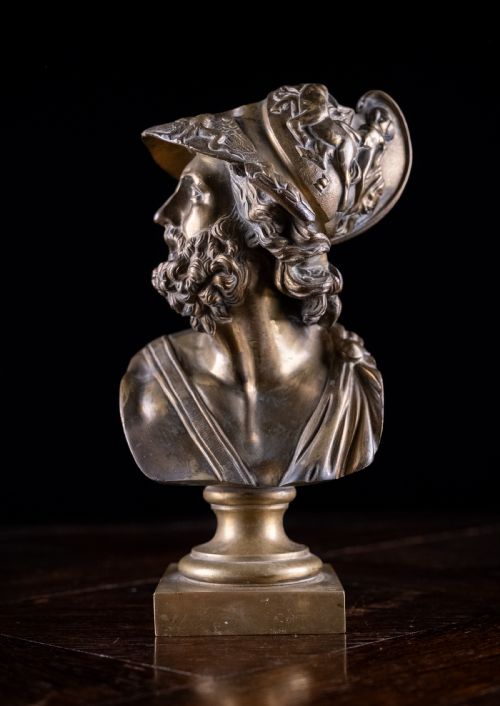
These pieces of victorian french bronze sculpture capture mythological figures, animals and classical studies cast during the nineteenth century.
Victorian French Bronze Sculpture
When you search for victorian french bronze sculpture, you find figures, animals and decorative objects shaped by nineteenth-century Parisian foundries and artists. The selections span allegorical subjects, classical deities and domestic animals mounted on marble bases.
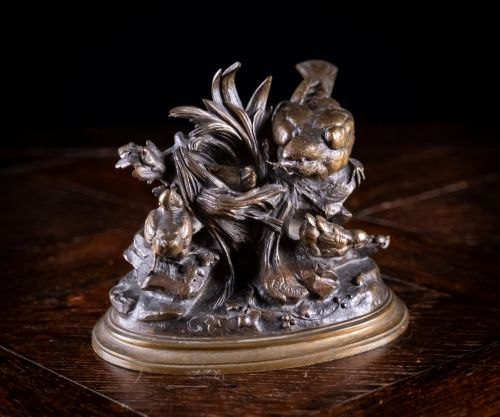
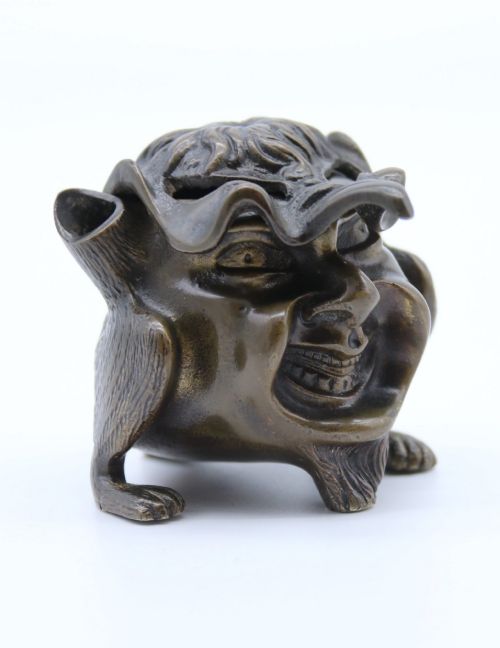
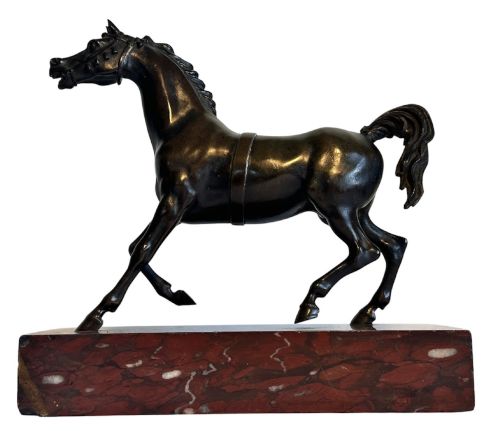
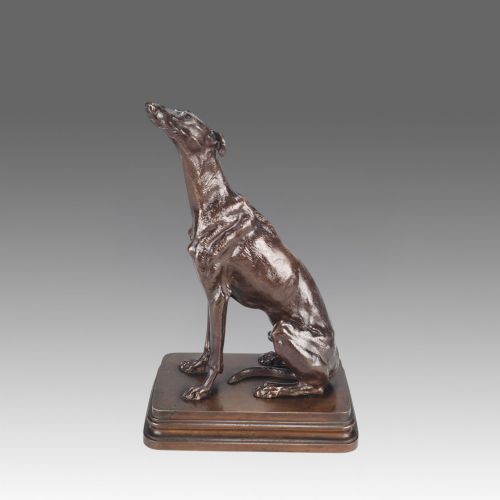
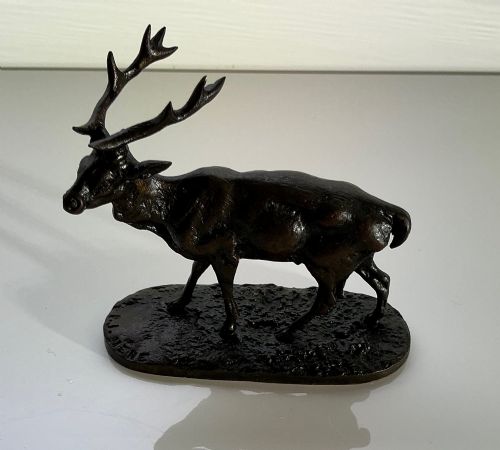
Animalier studies of dogs, stags and horses appear frequently alongside mythological figures and decorative inkwells. These pieces range from small table ornaments to large sculptural groups cast during the Victorian era.
Materials and casting methods
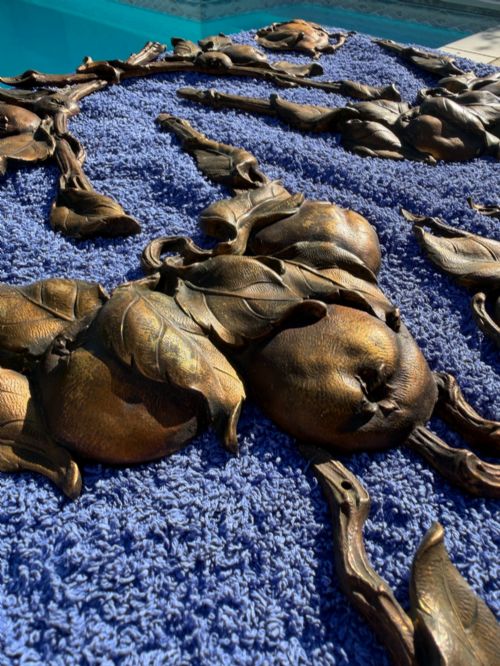
Foundries utilised traditional lost-wax or sand-casting techniques to shape molten bronze into detailed figures, applying patinas or gilt finishes to the cooled metal. Many pieces combine dark patinated bronze with gilt bronze, ormolu and carved marble bases.
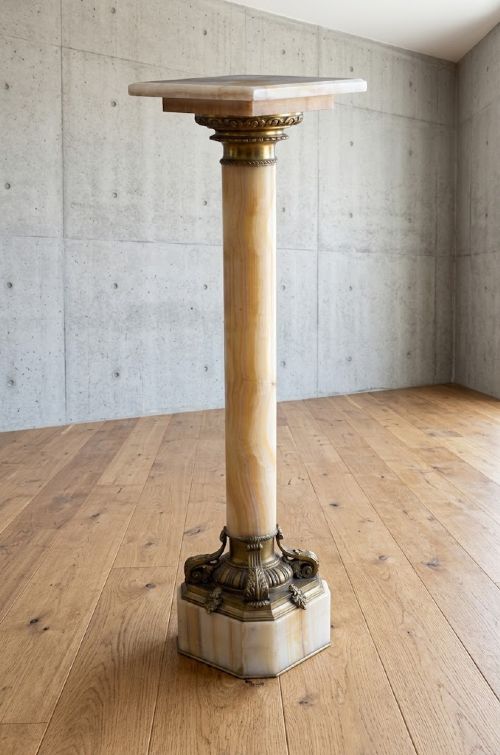
Makers often signed the metal base or casting itself, sometimes pairing the bronze figure with onyx columns or brass furniture mounts.
The documented objects include animalier groups, inkwells, table lamps and portrait plaques spanning the Victorian period.
Judging the execution
The quality of the mount also matters, particularly how securely the bronze fixes to its marble or onyx base and whether the gilding retains its original lustre.
Poix Blin·Lemoyne·Louis Emile Cana·F.Milliot·August Moreau·Alfred Dubucand·PJ Mene·Mainfroy·Pierre Jules Mene·Prosper Lecourtier·Jules Moigniez·Alfred Grevin·Antoine Louis Barye·S. Kinsburger·Jean Jules Salmson·Emile Picault·Isadore Bonheur·Louis François Frémiet·Lucien Madrassi·Antonin Mercié
The Victorian French Bronze Sculpture Glossary
- Animalier
- A nineteenth-century artistic style focused on the realistic depiction of animals, particularly dogs, horses and wild beasts. Sculptors working in this manner studied live subjects extensively.
- Ormolu
- Gilded bronze produced by applying a mercury and gold amalgam to the metal surface and heating it. This technique creates a rich golden finish found on decorative mounts and inkwells.
- Patina
- The surface coloration and sheen developed naturally over time or applied chemically by the foundry. A deep patination enhances the contours of the bronze figure.
- Spelter
- A cheaper zinc alloy used as an alternative to bronze for sculptural figures during the nineteenth century. Bronzed spelter often mimics the appearance of solid metal.
- Applique
- An ornamental metal fitting or mount fixed to furniture, lamps or architectural elements. These decorative pieces are frequently cast in gilt bronze.
Victorian French Bronze Sculpture: Frequently Asked Questions
How do I clean a bronze sculpture?
Dust the surface gently with a soft, dry cloth to prevent dirt accumulation. Avoid using chemical polishes or water, which can damage the patination.
Apply a very thin coat of microcrystalline wax occasionally if the metal requires protection, buffing it off gently with a clean cloth.
What is the difference between bronze and spelter?
Bronze is a durable copper and tin alloy that accepts detailed chasing and holds rich patinas. Spelter is a softer zinc alloy that feels lighter and appears more brittle.
Many nineteenth-century figures were cast in spelter and given a bronze-colored finish to resemble more expensive works.
Why do some bronzes have marble bases?
Makers added marble, onyx or slate bases to provide stability for heavier sculptural groups and to elevate the artwork. These stones also added a contrasting colour and texture to the dark metal.
Base materials often help date the piece, as certain marbles correspond directly to mid and late nineteenth-century French tastes.
How can I tell if a signature is authentic?
Signatures on nineteenth-century bronzes were typically chiselled or cast directly into the model before the mould was made. Look for crisp lettering that integrates naturally with the surrounding metal surface rather than shallow scratched markings.
Compare the signature style and foundry marks against documented examples from known makers of the period.