





French Foundry Bronze Figure
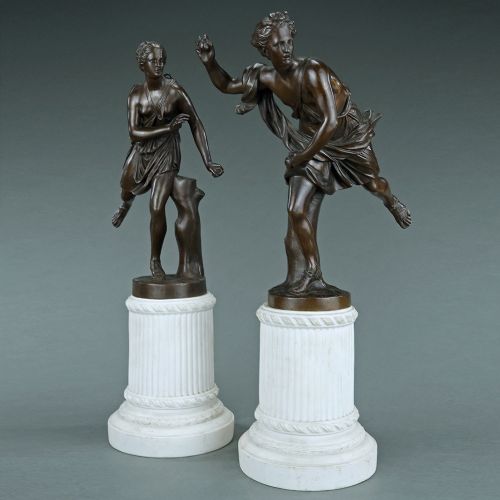
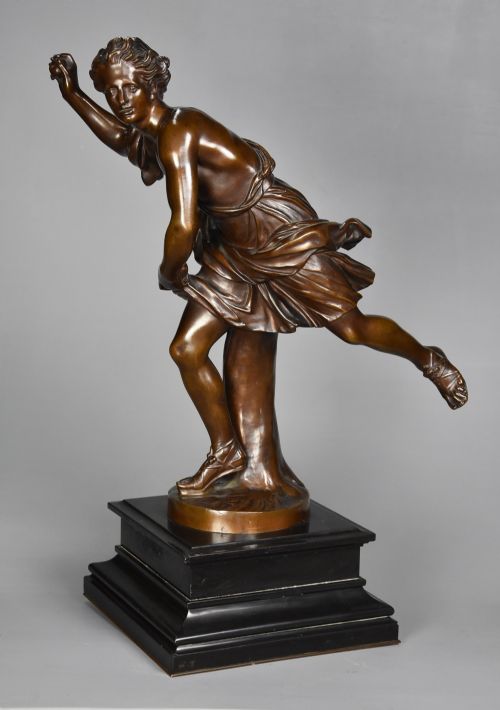
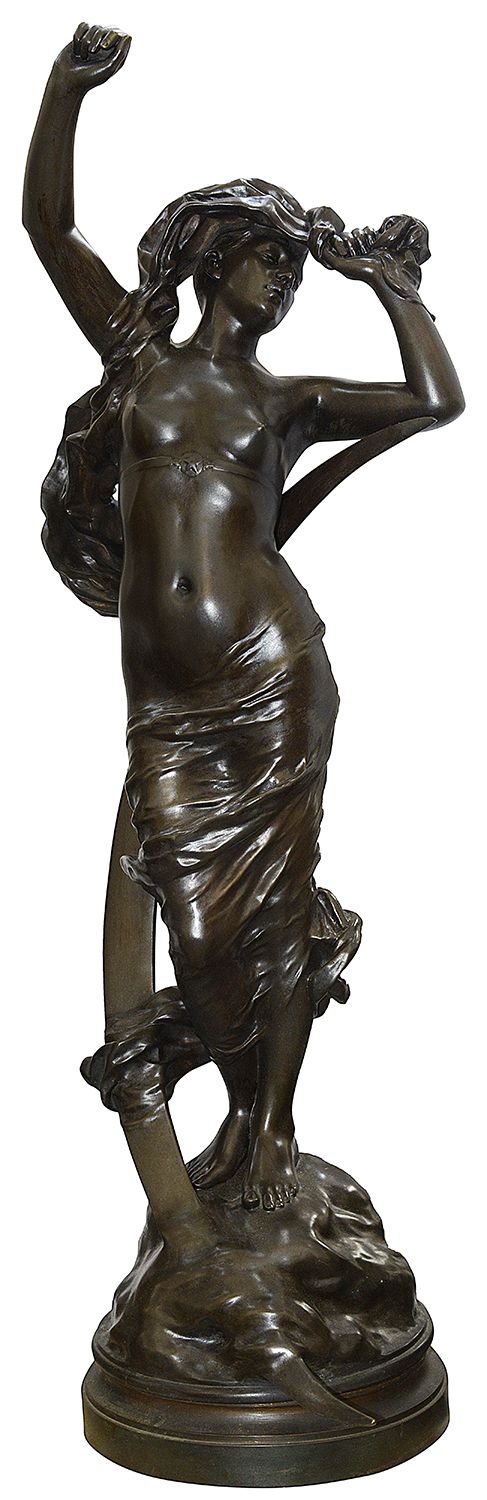
A french foundry bronze figure brings nineteenth-century academic and animalier sculpture into the room through master metalwork.
French Foundry Bronze Figure
A french foundry bronze figure represents the pinnacle of nineteenth-century European metal casting, capturing mythological subjects, classical figures and naturalistic animals with striking fidelity. These sculptures originate predominantly from the nineteenth century, spanning distinct periods from eighteen-sixty through to nineteen-ten.
Collectors meet a variety of subjects on this page, ranging from classical maidens and historical monarchs to dramatic animalier studies of eagles, panthers and lions. The forms include standing figures, seated muses and dynamic combatants mounted on bases of marble or ebonised wood.
The aesthetic vocabulary draws heavily upon neoclassical ideals, French academic tradition and nineteenth-century realism, often translating famous gallery marbles into durable bronze. Works after classical sculptors sit alongside original compositions by celebrated modellers of the epoch.
How they were made
Foundries utilised the lost-wax method and sand-casting techniques to capture intricate details in molten metal, working closely with the original sculptor's plaster models. These methods allowed founders to reproduce feathers, drapery and facial expressions with remarkable precision.
Finishing involved meticulous chasing of the metal surface followed by the application of chemical patinas, ranging from dark patinated finishes to bright gilt bronze and parcel-gilt highlights. Bases of heavy black marble or ebonised wood were frequently turned to support the substantial weight of the cast.
Several bronze storks manage to maintain their balance atop turtles across the centuries.
What varies in quality
The depth, consistency and preservation of the original patina contribute significantly to the visual presence of the sculpture. Rich dark surfaces or carefully preserved parcel-gilt details indicate the standard of finishing applied in premier Parisian workshops.
Ferdinand Barbedienne·Antoine Louis Barye·Susse Freres·Edouard Drouot·Jules Dalou·Georges Gardet·Victor Paillard·Houdebine Paris·Siot Foundry·Jollet and Cie
The French Foundry Bronze Figure Glossary
- Animalier
- A nineteenth-century artistic movement dedicated to the realistic portrayal of animals, particularly wild beasts in motion. Sculptors in this genre studied anatomy closely at menageries.
- Patina
- The surface coloration and texture developed naturally over time or applied chemically by the foundry. It protects the metal and enhances sculptural depth.
- Chasing
- The manual post-casting process of refining the bronze surface using chisels and hammers. This removes casting flaws and sharpens textural details.
- Lost-wax casting
- A traditional method where a wax model is melted out of a mould to create a cavity for molten bronze. It permits the creation of highly complex and undercut forms.
- Gilt bronze
- Bronze treated with a layer of gold applied through mercury amalgamation or electroplating. It provides a brilliant golden finish favoured in decorative neoclassical works.
French Foundry Bronze Figure: Frequently Asked Questions
What is a French foundry bronze?
A French foundry bronze is a nineteenth-century metal sculpture cast and finished in Parisian workshops by skilled artisans and prominent founders.
These works translate plaster models and classical marbles into durable bronze using advanced foundry techniques of the period.
How do I identify the foundry?
Foundries often stamped or signed their names directly into the bronze base alongside the original sculptor's signature.
Marks belonging to firms like Barbedienne or Susse Freres provide clear evidence of origin and production period.
Where should I display my bronze?
Display these heavy figures on stable furniture away from direct sunlight and excessive moisture to protect the patina.
Ensure the marble or wooden base rests evenly on a secure surface capable of supporting the weight.
What styles are common?
Neoclassical and academic styles dominate alongside nineteenth-century animalier subjects depicting wild animals and birds.
Many pieces reproduce classical antiquities or historical French figures in the manner of established salon sculptors.