

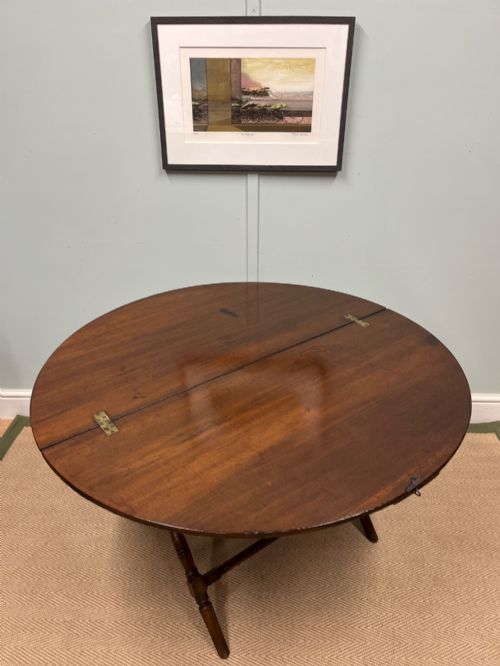
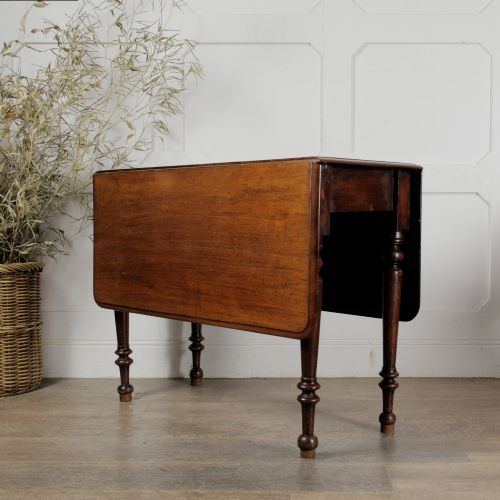
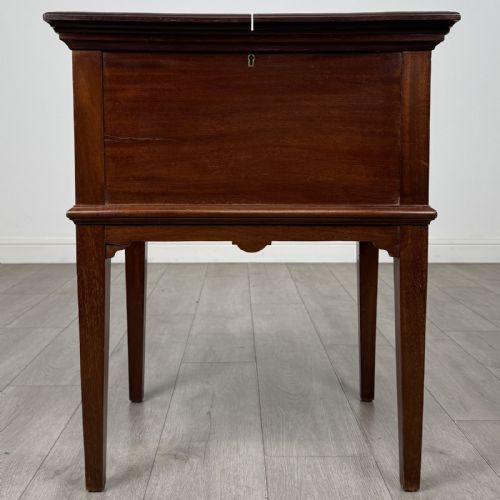
Victorian Folding Side Table
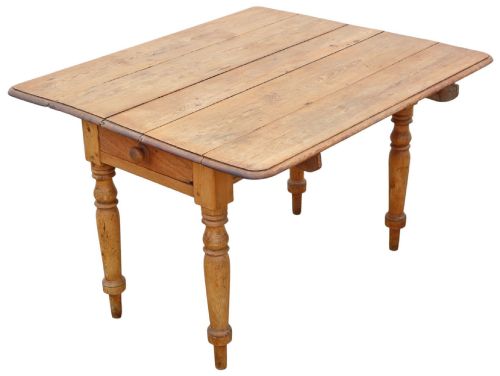
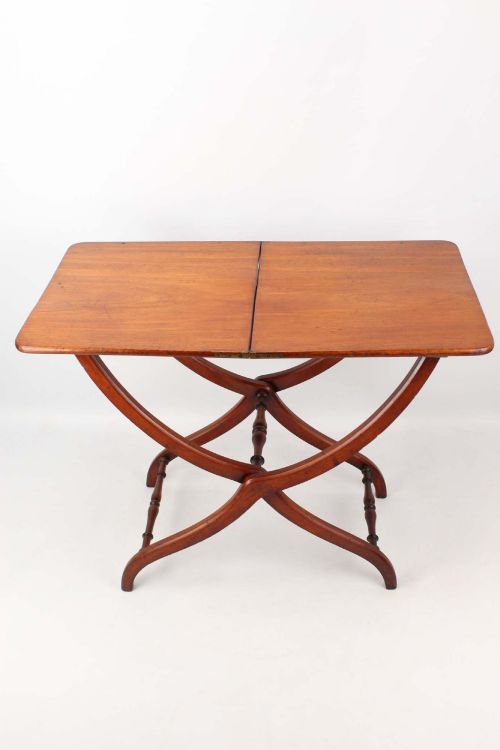
When you search for a victorian folding side table, you are looking at practical nineteenth-century furniture designed to pack down or fold away.
Victorian Folding Side Table
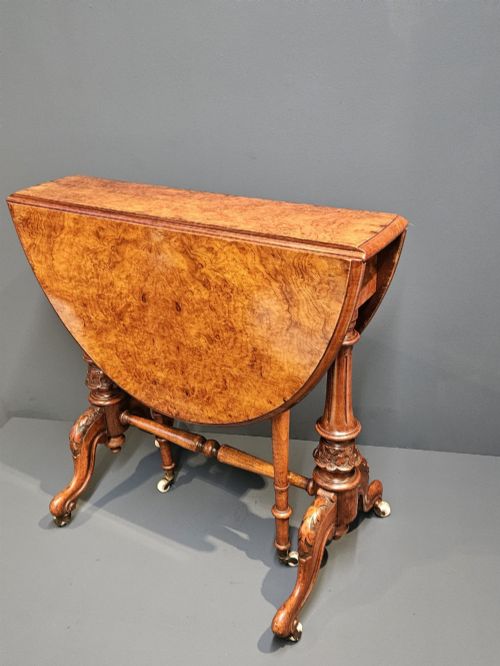
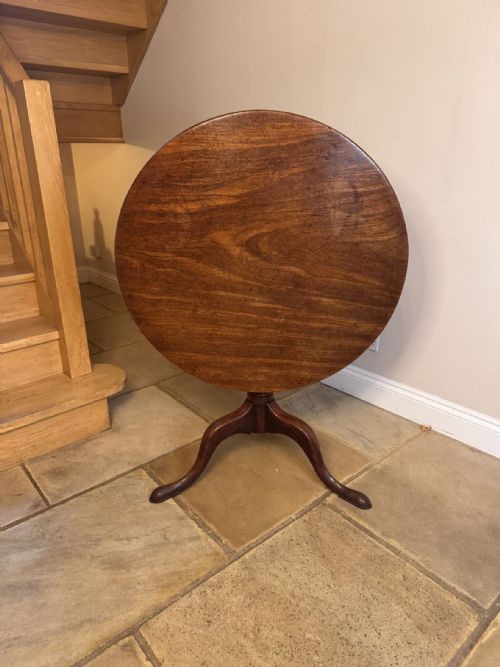
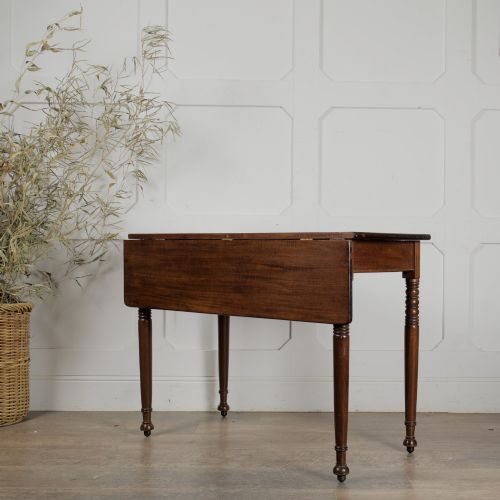
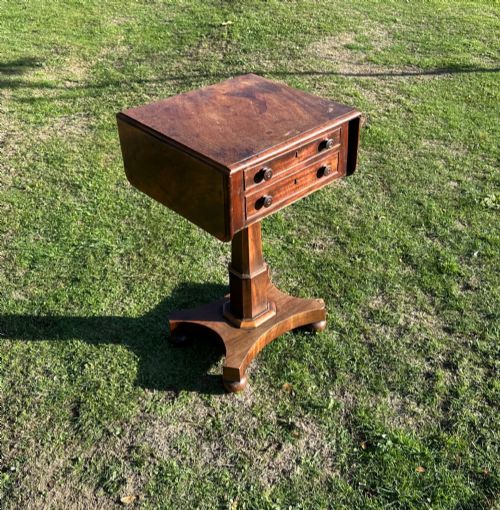
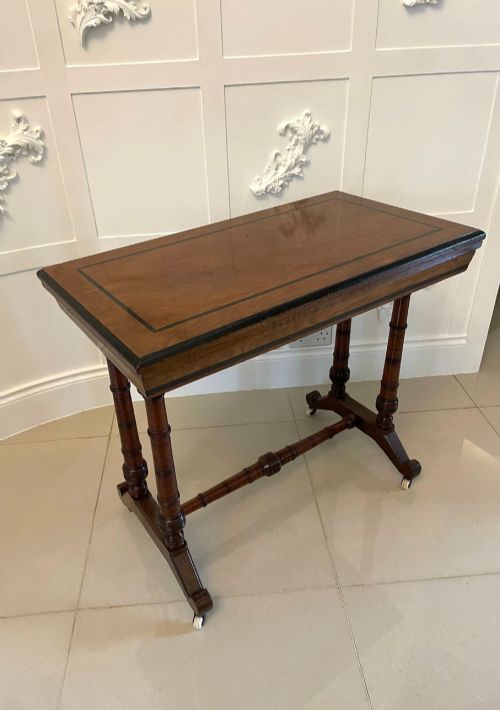
A victorian folding side table serves as a versatile surface that collapses or folds, encompassing forms like butler trays, Sutherland tables, and card tables. You will frequently meet mahogany and walnut examples across this selection, alongside occasional pine, oak, and rosewood pieces.
The origins span straightforward English country kitchen or garden pieces to elaborate Anglo-Indian marquetry works and French-influenced designs. These items adapt easily to modern rooms by offering flexible surfaces that stow away when floor space is needed.
How They Were Made
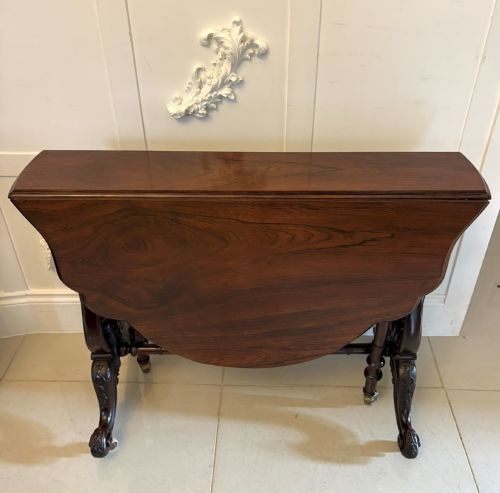
Cabinet makers utilised dense hardwoods like mahogany, walnut, and rosewood, often enhancing surfaces with burr walnut veneers, brass inlay, or marquetry. Tables such as the Sutherland utilised hinged drop leaves supported by swinging gate legs to balance compactness with a usable surface area.
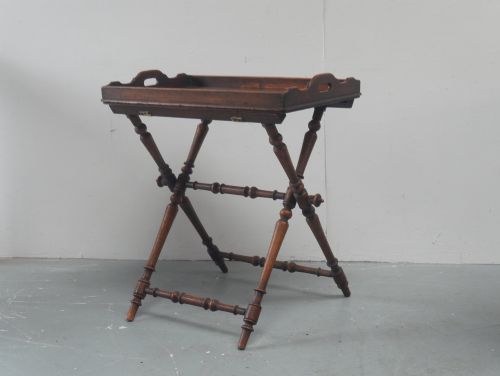
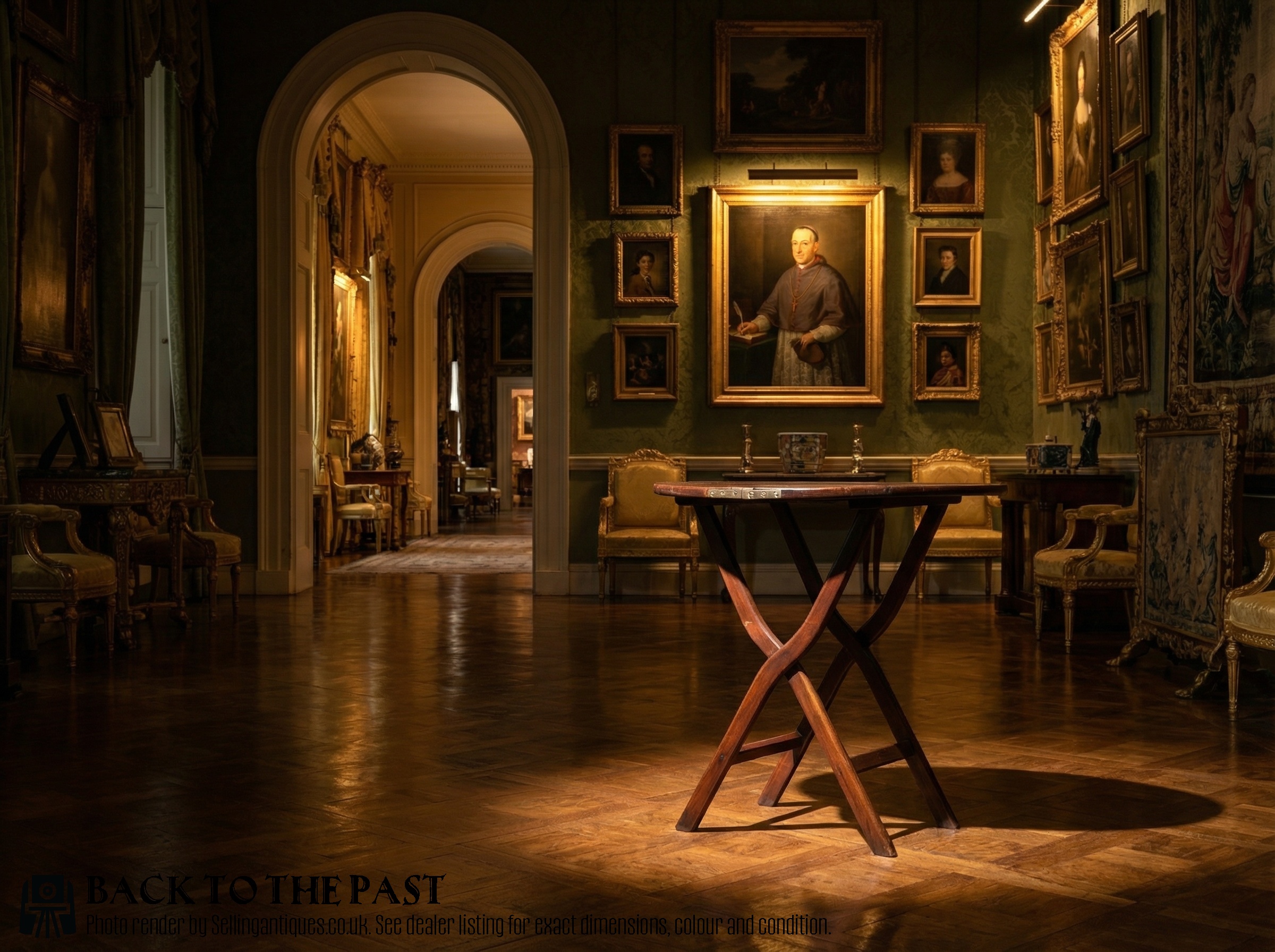
Stand-mounted trays relied on simple folding X-frame wooden bases that allowed the top to lift off entirely. More complex folding mechanisms involved rotating top leaves that swivelled to reveal concealed storage compartments or green baize-lined games surfaces.
Victorian Folding Side Table Retail Price Guide 2026
Typical asking prices for victorian folding side table among the pieces listed under this phrase on Sellingantiques today, from the lower quarter to the upper quarter. They describe what is for sale here now, not the wider market.
Listings feature woods spanning mahogany, walnut, burr walnut, oak, rosewood, padauk, and pine, alongside ceramics and brass.
What Varies in Quality
The standard of a folding table rests upon the precision of its joinery and the integrity of its folding hinges. Superior examples maintain rigid stability when opened, whereas lesser specimens suffer from wobble in the pivot points or warped leaves that fail to meet flush.
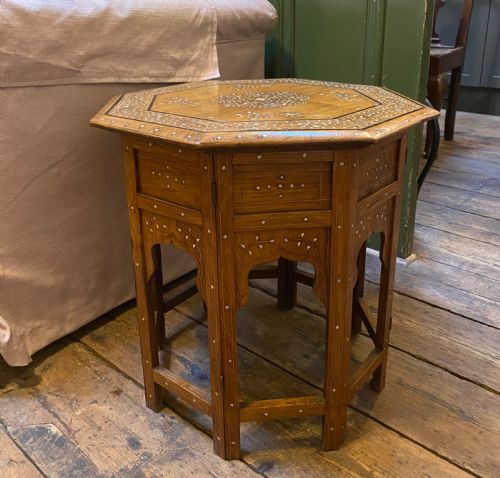
Surface adornment marks the upper tiers of craftsmanship, distinguishing plain utility pieces from finely executed items featuring intricate floral marquetry, bone inlay, or figured burr veneers. The crispness of carved details on legs and edges further separates standard workshop production from finer studio work.
The Victorian Folding Side Table Glossary
- Sutherland table
- A narrow drop-leaf table featuring exceptionally slender drop leaves and gate legs that fold flat. It takes its name from the Duchess of Sutherland in the nineteenth century.
- Butler tray
- A portable wooden tray with panelled sides and carrying handholds, designed to sit upon a separate folding X-frame stand. They were traditionally utilised for serving drinks or meals.
- Marquetry
- The art of applying pieces of veneer to a structure to form decorative patterns and pictures. Craftsmen utilised various exotic woods to create floral or geometric designs.
- Ormolu
- Gilded bronze mounts applied to furniture for decorative effect. They appeared frequently on mid-nineteenth-century revival pieces.
- Pembroke table
- A small rectangular table with two hinged drop leaves on opposing sides. It often incorporates a single drawer beneath the top.
Victorian Folding Side Table: Frequently Asked Questions
How do you fold a Sutherland table?
A Sutherland table folds by lifting each drop leaf upward and swinging the hinged gate legs inward toward the centre stretcher until they lie parallel with the fixed top. The leaves then drop down vertically at the sides to create a remarkably slim profile.
This clever gate-leg mechanism allowed nineteenth-century households to tuck the furniture against a wall when floor space was required for entertaining.
Were butler trays used outside?
Butler trays on folding stands served both interior entertaining and garden party or veranda use during the nineteenth century. Their removable tops and collapsible bases made them portable for outdoor service.
Today, these versatile pieces transition easily between indoor living areas and patio spaces as movable side or coffee tables.
How do I spot an Anglo-Indian folding table?
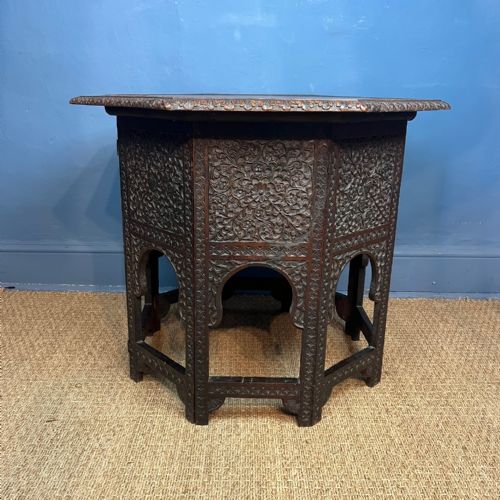
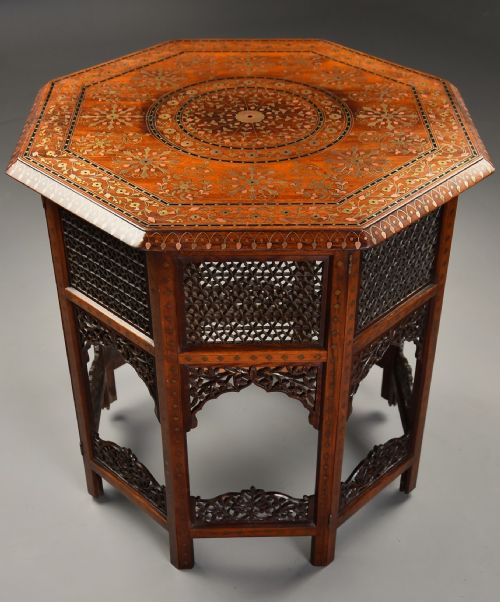
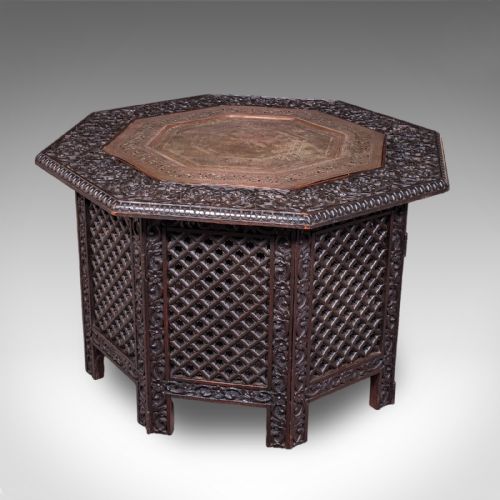
Anglo-Indian folding tables are distinguished by dense exotic woods like padauk and intricate overall decoration. They frequently display detailed brass inlay, bone work, or geometric marquetry patterns.
Regional hubs like Hoshiarpur specialised in carved octagonal occasional tables that folded flat for transport across the British Empire.