


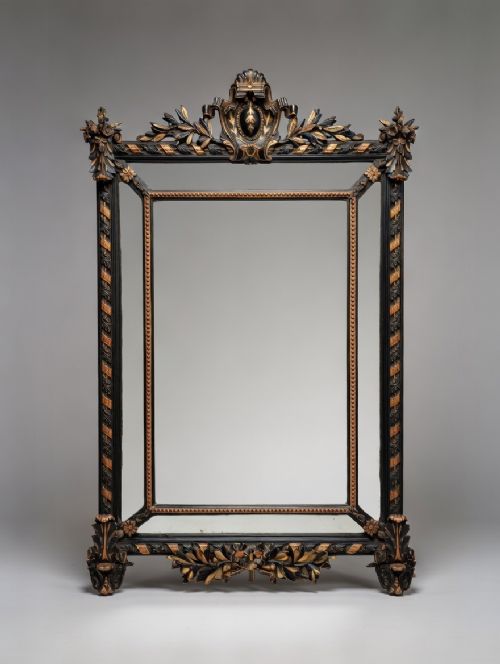
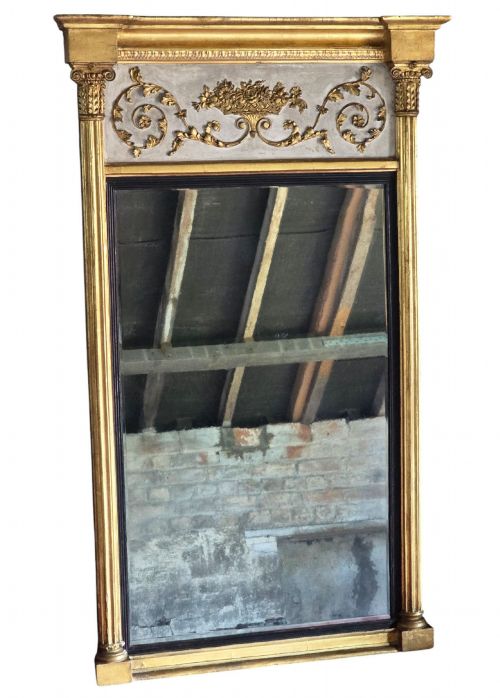
Victorian Decorative Wall Mirror
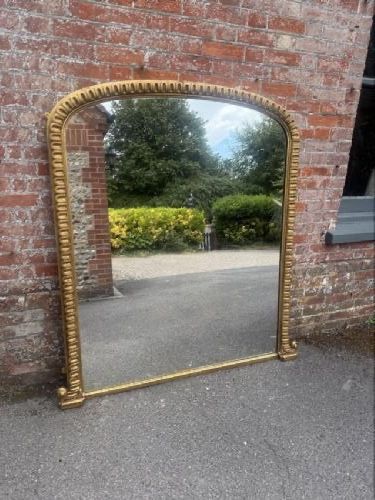
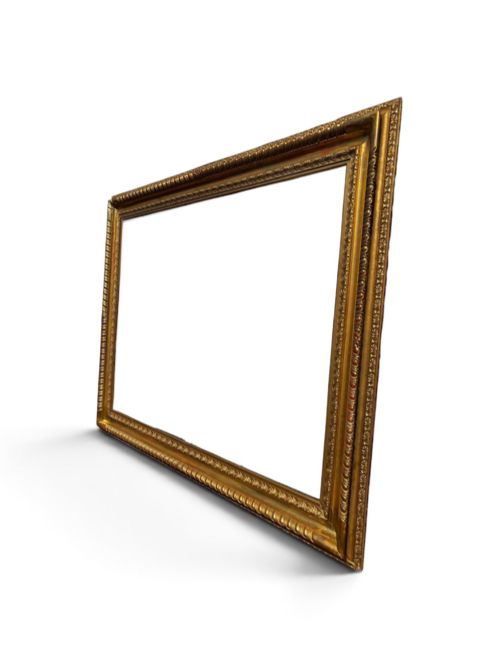
A victorian decorative wall mirror brings nineteenth-century presence and reflective light into a room, using ornate frames of gilt gesso, carved wood, or brass.
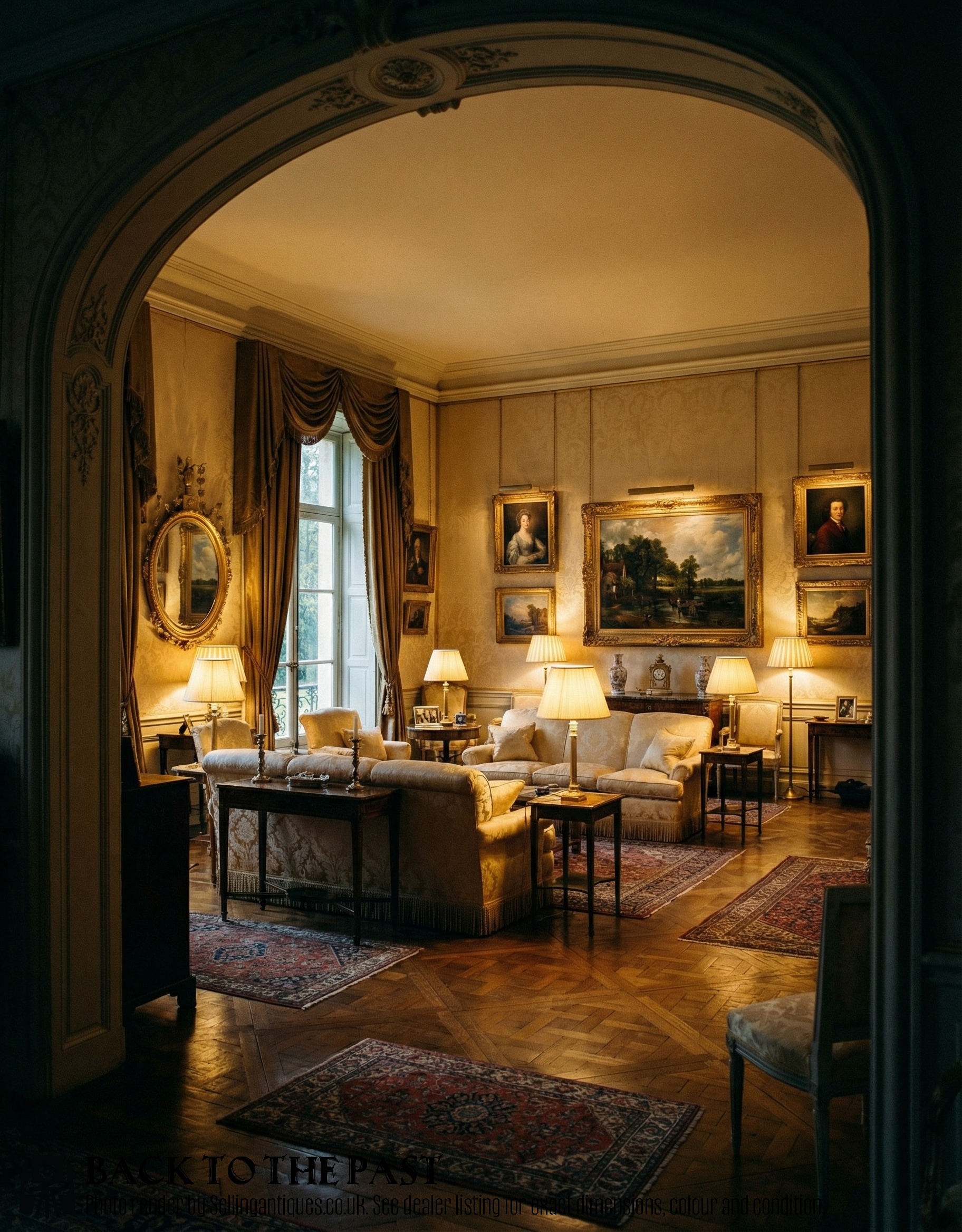
Victorian Decorative Wall Mirror
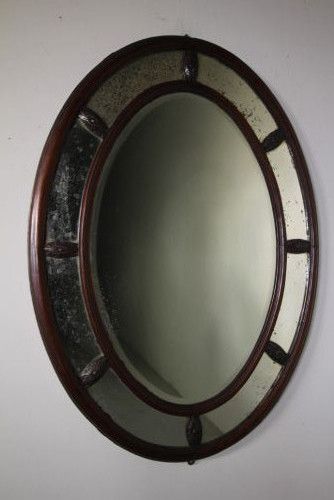
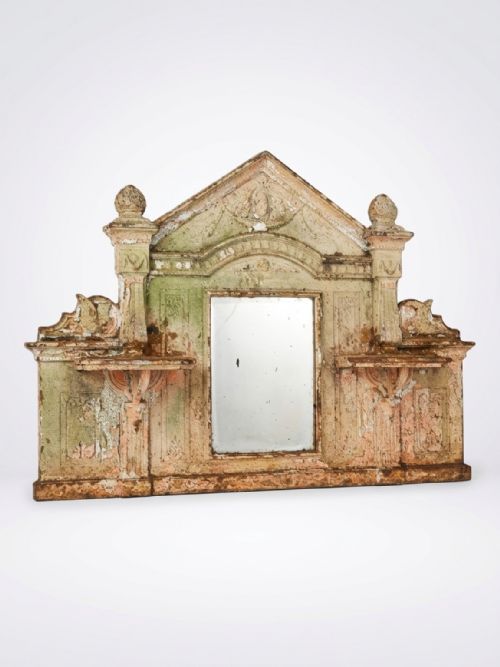
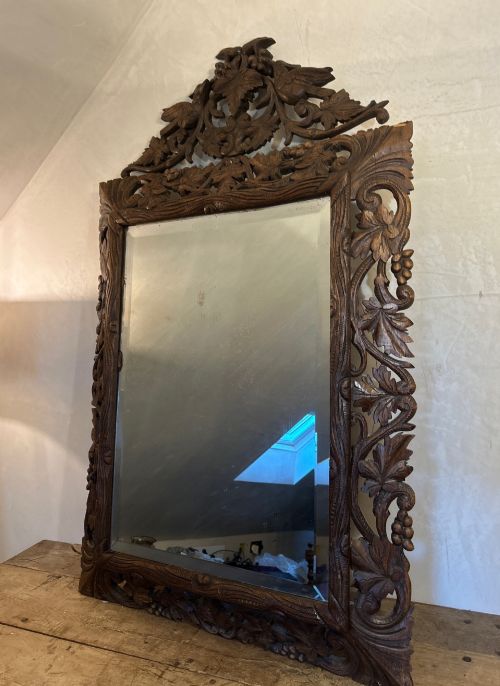
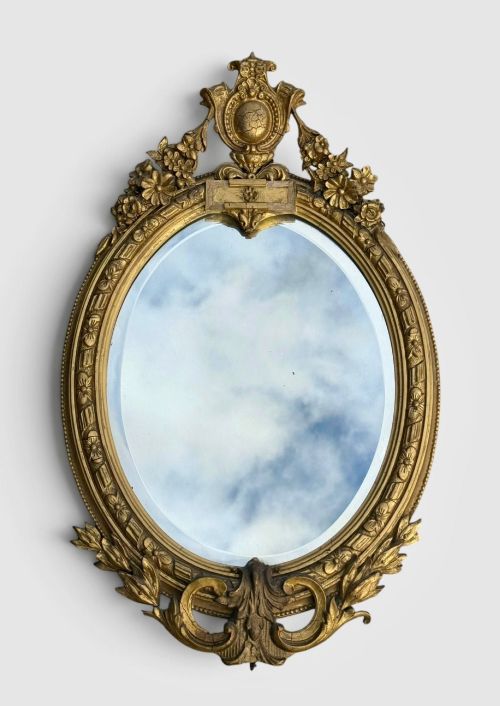
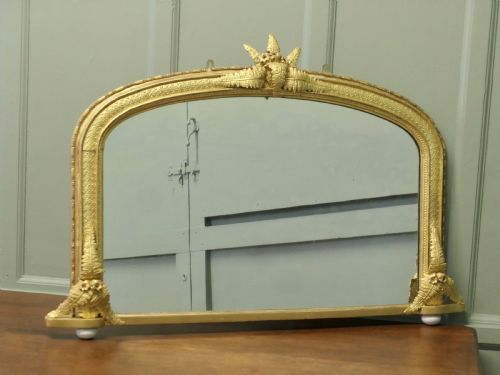
When searching for a victorian decorative wall mirror, collectors encounter a wide variety of nineteenth-century forms including large overmantel mirrors, arched wall mirrors, and smaller oval or circular frames. These pieces originate from English country houses, French salons, and Italian workshops, reflecting the diverse stylistic revivals of the period.
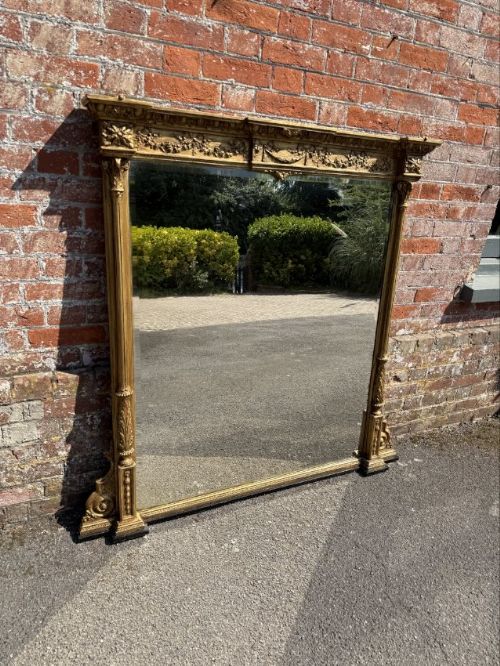
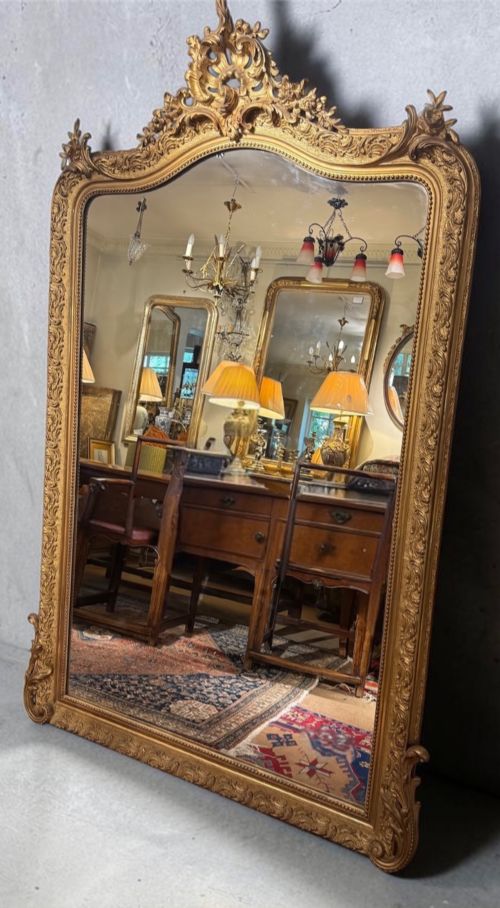
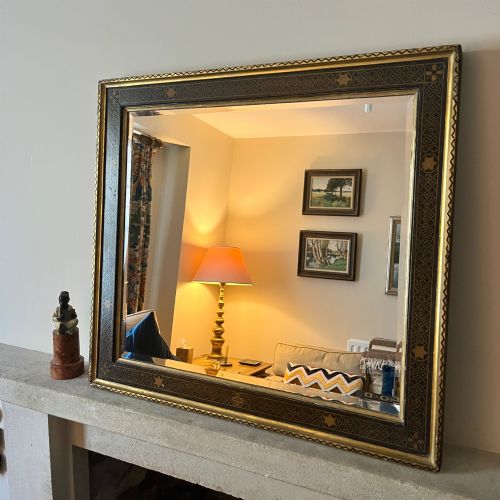
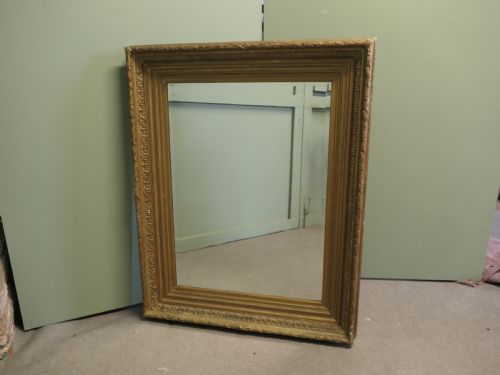
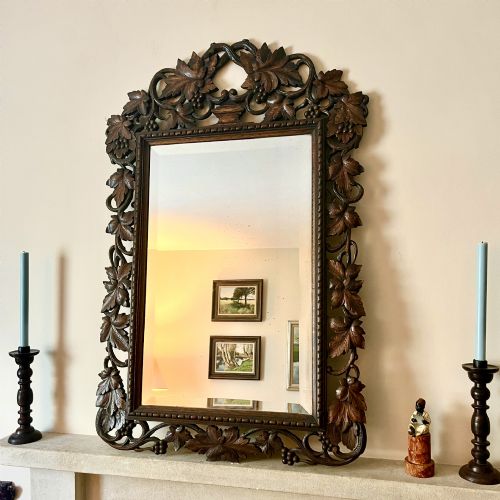
The selection here encompasses everything from substantial giltwood and gesso pieces designed to sit above a fireplace to ebonised wood, carved oak, and brass-mounted wall mirrors. Many items display distinct revival characteristics, ranging from French Rococo and Renaissance styles to Adam and Neoclassical motifs.
Buyers frequently find mirrors featuring elaborate crests, urn and swag details, or column-framed borders that typify nineteenth-century interior decoration. Whether searching for a grand statement piece or a subtle ebonised oval, these mirrors serve both functional and decorative roles in traditional and contemporary settings.

How They Were Made
Frames were constructed from timber carcasses such as oak, mahogany, walnut, or ebonised wood, which were then carved or moulded to receive decorative ornament. Plaster and gesso were applied over wood bases to build up intricate surface reliefs, including rope twists, scrolls, and floral motifs.
Gilding was achieved by laying thin sheets of gold leaf onto the prepared gesso surfaces, often supplemented with painted or parcel-gilt finishes to highlight specific carved details. Brass mounts, cast bronze, and micro mosaic elements were also integrated into frames to add contrasting textures and metallic lustre.
Glass plates were hand-cut and silvered, occasionally featuring bevelled edges or etched Venetian designs that contributed to the reflective depth of the mirror. Joinery methods relied on traditional wood framing techniques to support the considerable weight of heavy glass and ornate plasterwork.
Victorian Decorative Wall Mirror Retail Price Guide 2026
Typical asking prices for victorian decorative wall mirror among the pieces listed under this phrase on Sellingantiques today, from the lower quarter to the upper quarter. They describe what is for sale here now, not the wider market.
Some Victorian convex porthole mirrors were designed to let shopkeepers keep an eye on misbehaving customers without turning around.
What Varies in Quality
The crispness and depth of the carved woodwork and moulded gesso ornamentation dictate the visual impact of a piece, with superior examples displaying sharply defined leaves, cartouches, and architectural columns. Hand-carved wooden frames demonstrate greater artisanal skill than mass-moulded plaster equivalents.
The condition and authenticity of the original gilding or surface finish significantly influence the character of the mirror, where genuine gold leaf and untouched ebonised surfaces retain a warmer patina than later resprays. Original glass plates, showing natural foxing or age-related softening, add historical integrity compared to modern replacements.
Structural robustness, particularly the stability of large overmantel frames and the retention of original backboards, determines how well a heavy piece survives over time. Superior craftsmanship is evident in the balanced proportions of decorative crests, urns, and swags relative to the main mirror plate.
The Victorian Decorative Wall Mirror Glossary
- Gesso
- A plaster-like mixture applied to wood frames to create a smooth surface for carving or gilding. This material allows artisans to build up high-relief decorative scrolls and floral swags.
- Giltwood
- Wood that has been coated with gold leaf or gold paint. It provides a luminous, reflective surface characteristic of many nineteenth-century frames.
- Overmantel Mirror
- A large mirror specifically designed to hang on the wall directly above a fireplace mantel. These pieces frequently feature arched tops and wide horizontal proportions.
- Parcel-Gilt
- A finishing technique where only specific parts of an object are gilded, leaving the underlying wood or ebonised finish exposed for contrast. This highlights architectural mouldings and carved details.
- Cartouche
- An ornamental tablet or panel frame, often resembling a rolled-up scroll, placed at the centre crest of a mirror. It frequently bears armorial motifs or elaborate carving.
- Foxing
- Natural age-related spotting or discoloration within the silver backing of antique mirror glass. Collectors view this as a reassuring sign of period authenticity.
Victorian Decorative Wall Mirror: Frequently Asked Questions
How do I hang a heavy overmantel mirror safely?
Large nineteenth-century overmantel mirrors carry significant weight from their thick wooden frames and glass plates. They require professional wall fixings secured directly into structural studs or masonry rather than standard plasterboard hooks.
Weight distribution must be carefully managed using heavy-duty mirror plates or wire rated well above the actual mass of the piece. Ensuring the frame rests securely on the mantelpiece itself also relieves tension from the hanging brackets.
What is the difference between an overmantel and a pier mirror?
Overmantel mirrors are traditionally wider than they are tall, built to span the horizontal space above a fireplace opening. They often incorporate arched tops and elaborate central cartouches designed to draw the eye as a focal point.
Pier mirrors, by contrast, are proportioned to hang on the narrow wall space, or pier, between two windows. They tend to be taller and narrower, maximising available natural light in a Victorian drawing room.
Can I clean antique mirror glass without damaging it?
Antique mirror glass and delicate gilt frames require gentle cleaning methods to preserve their historic surfaces. Mild soap and distilled water applied sparingly with a soft microfibre cloth will remove dust without scratching the glass.
Moisture must be kept away from the edges of the mirror plate and the gesso frame to prevent water damage or lifting of the gold leaf. Commercial glass sprays should be avoided because harsh chemicals can seep behind the bevel and degrade the original silvering.
How do I identify a Victorian mirror from a Georgian one?
Victorian mirrors generally exhibit heavier, more eclectic ornamentation influenced by Rococo, Renaissance, and Gothic revival styles. The frames frequently utilise moulded plaster and gesso alongside carved wood to achieve dense, dramatic surface relief.
Georgian mirrors, while sharing some classical proportions, tend to feature cleaner lines, mahogany veneers, and restrained fretwork designs such as parcel-gilt scrolls or Palladian architectural frames. Examining the construction of the backboards and the type of fixings also helps establish the correct period.