



Victorian Ceramic Sculpture
Victorian ceramic sculpture brings nineteenth-century character into a room through finely modelled figures, animals, and classical busts.
Victorian Ceramic Sculpture
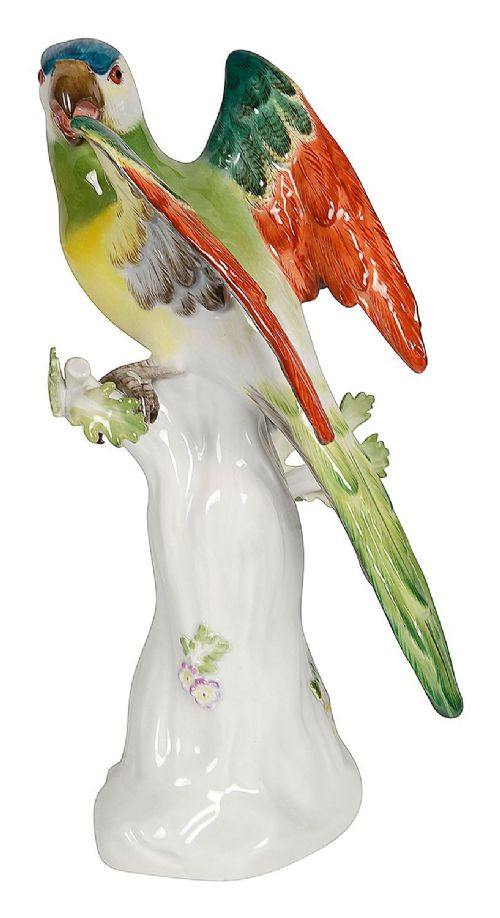
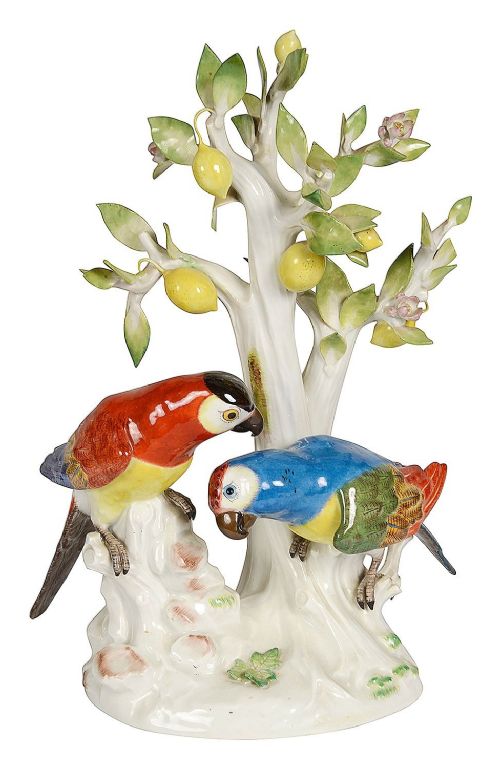
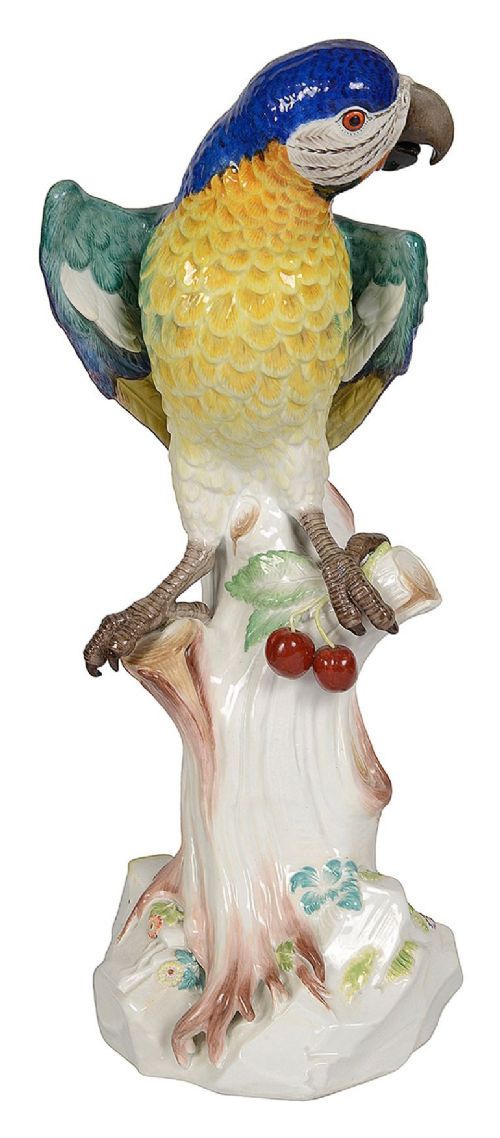
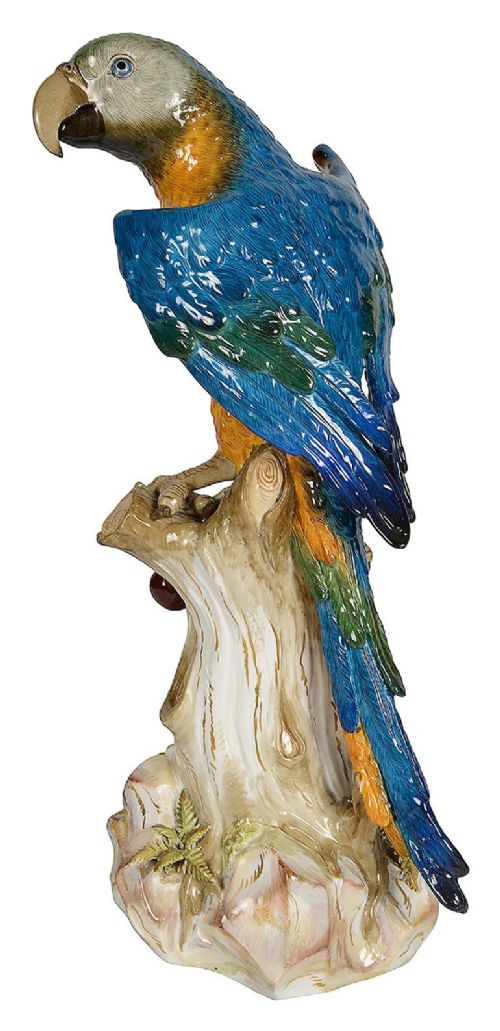
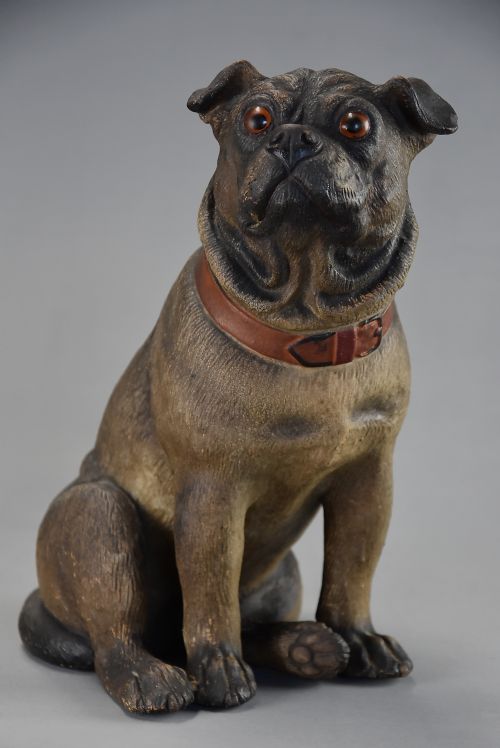
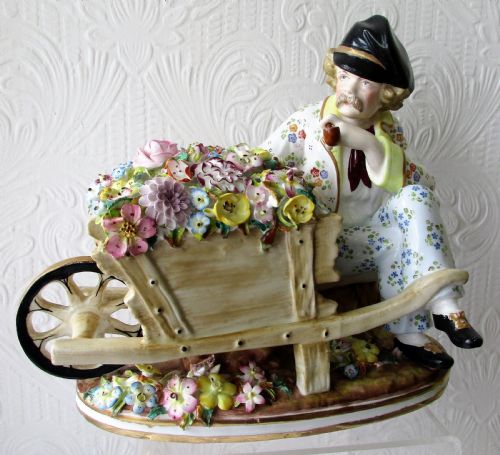
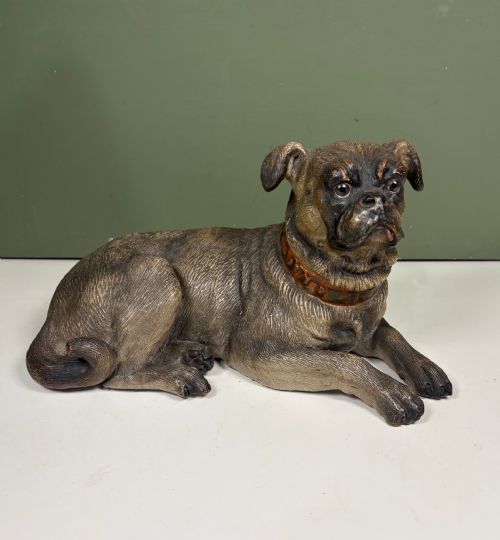
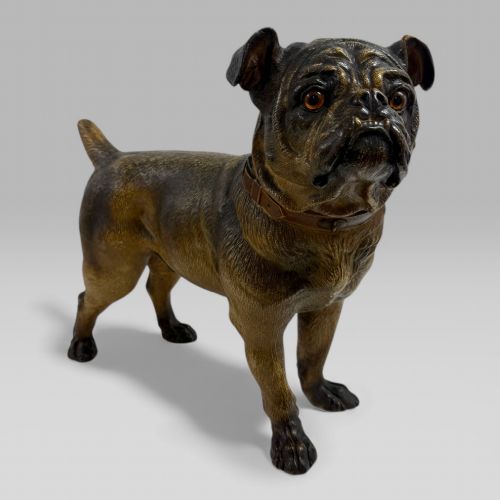
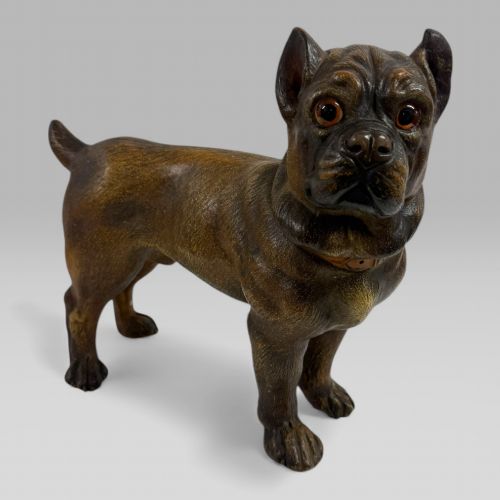
Victorian ceramic sculpture encompasses a diverse array of nineteenth-century decorative works, ranging from spirited animal studies to ambitious allegorical groups. Buyers seeking these pieces will encounter everything from Austrian terracotta pugs to monumental German porcelain parrots and English parian ware busts.
The objects on this page frequently originate from major European ceramic centres including Staffordshire, Worcester, Meissen, and continental manufactories. Figures span subjects from classical mythology and orientalism to domestic animals and historical subjects.
Figurines and sculptural groups dominate the selection, often mirroring contemporary artistic tastes of the 1850s to the turn of the twentieth century. These works serve as expressive focal points, capturing the Victorian fascination with narrative detail and naturalism.
Materials and Techniques
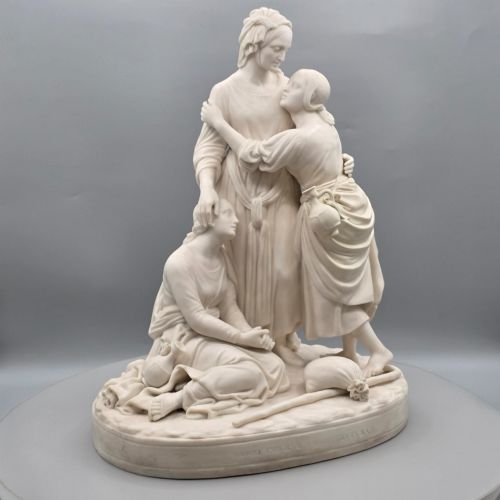
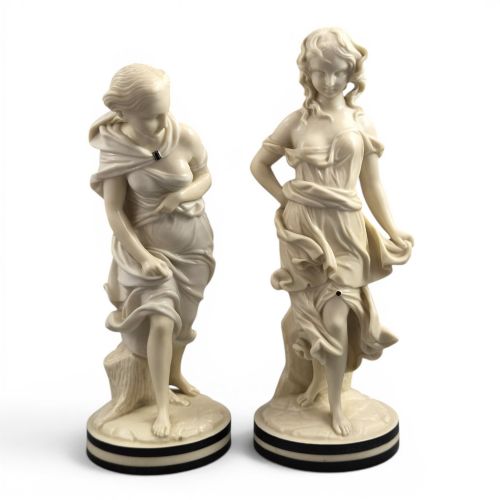
Makers utilised a variety of specialised ceramic bodies, including hard-paste porcelain, unglazed parian ware designed to imitate carved marble, and robust terracotta. Glazes ranged from simple white bisque to rich polychrome enamels and copper lustre finishes.
Complex sculptural forms required intricate moulding and hand-modelling by skilled artisans, often assembling multiple fired sections into a single harmonious composition. Specialised techniques such as Patent Metallic finishes and intricate surface detailing further distinguished the output of premier factories.
Materials documented across the inventory include parian porcelain, hard-paste porcelain, terracotta, and majolica.
Standards of Craftsmanship
Quality in these sculptures rests upon the crispness of the modelling and the precision of the surface detail, distinguishing master works from commercial production. Finer examples retain delicate facial expressions, sharp feather or fur textures, and careful hand-painting without blurring.
The ambition of the composition also dictates distinction, separating standard decorative ornaments from monumental exhibition pieces designed by noted modellers. Superior pieces exhibit balanced proportions, stable weight, and sophisticated application of glaze or biscuit finishes.
Meissen·Minton·Copeland·Royal Worcester·Thomas Parr·Goldscheider·Bernard Bloch·C G Schierholz
The Victorian Ceramic Sculpture Glossary
- Parian porcelain
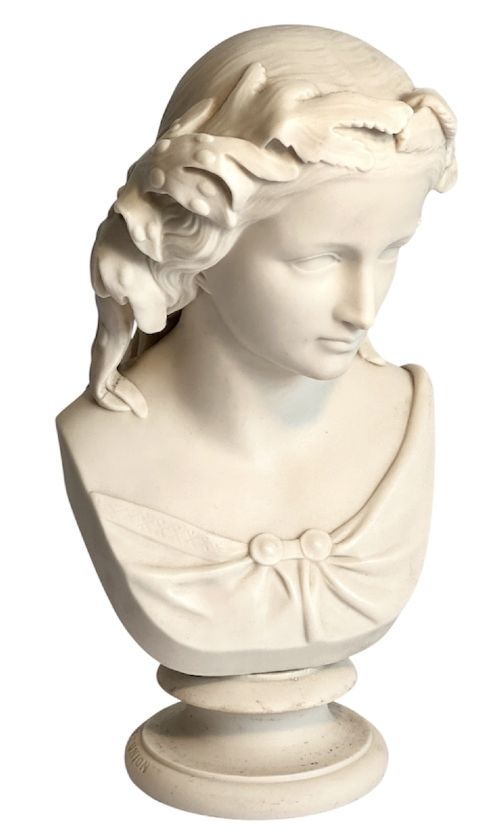
- A fine-grained unglazed ceramic material developed in the nineteenth century to imitate classical white marble. It allows for exceptional crispness in sculptural detail.
- Bisque porcelain
- Porous unglazed ceramic fired once to produce a matte, marble-like texture suited to classical and pastoral figures.
- Hard-paste porcelain
- A durable ceramic composition fired at very high temperatures, allowing for brilliant enamel painting and sharp, enduring forms.
- Terracotta
- Fired clay ranging from buff to deep red, frequently utilised for large-scale animal sculptures and expressive portrait busts.
- Majolica
- earthenware covered with an opaque tin glaze, brightly painted with metallic oxide colours and fired to a high gloss.
Victorian Ceramic Sculpture: Frequently Asked Questions
What is parian ware?
Parian ware is a specific type of fine unglazed porcelain introduced in the mid-nineteenth century. It was specifically formulated to resemble carved white marble.
This material became immensely popular for portrait busts and classical figures because it captured minute details of drapery and expression without needing a glossy glaze.
How were these sculptures displayed?
Victorian households typically placed these ceramic figures on mantelpieces, sideboards, and dedicated pedestals within the drawing room. Larger works served as grand decorative centerpieces.
Smaller animal figures and bookends were often utilised in studies and libraries to add domestic warmth and character to the interior scheme.
Are terracotta pieces heavy?
Terracotta sculptures possess a substantial weight due to the dense nature of fired clay. Life-size animal figures require robust placement surfaces.
This robust material allowed nineteenth-century makers to construct large-scale models of dogs and figures that remained stable and durable.
What subjects are most common?
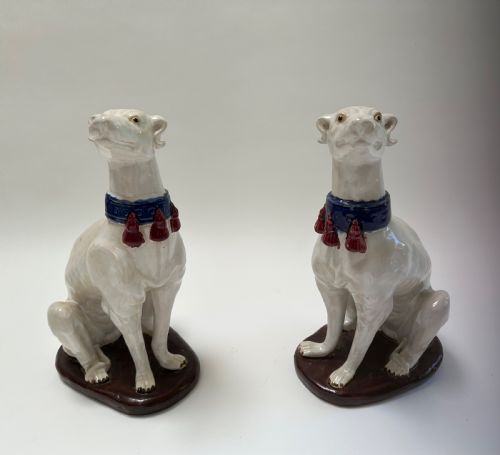
The subjects span domestic animals like pugs and greyhounds, classical mythological figures, and contemporary genre scenes. Historical events and literary characters also inspired popular sculptural groups.
Factories frequently produced paired figures representing themes such as the seasons, agricultural labour, or exotic cultural studies.