

Victorian Anglo Indian Furniture
Victorian Anglo Indian furniture brings dense, hand-carved exotic timbers into British interiors, offering remarkable focal points for collectors of colonial craftsmanship.
Victorian Anglo Indian furniture forms
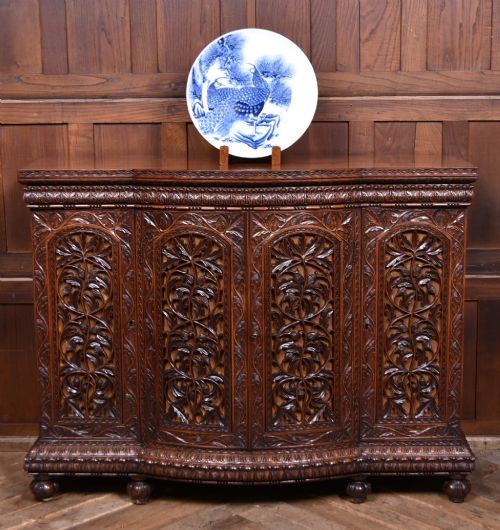
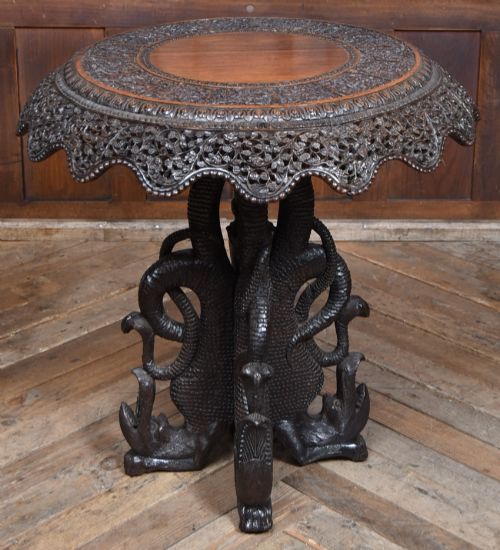
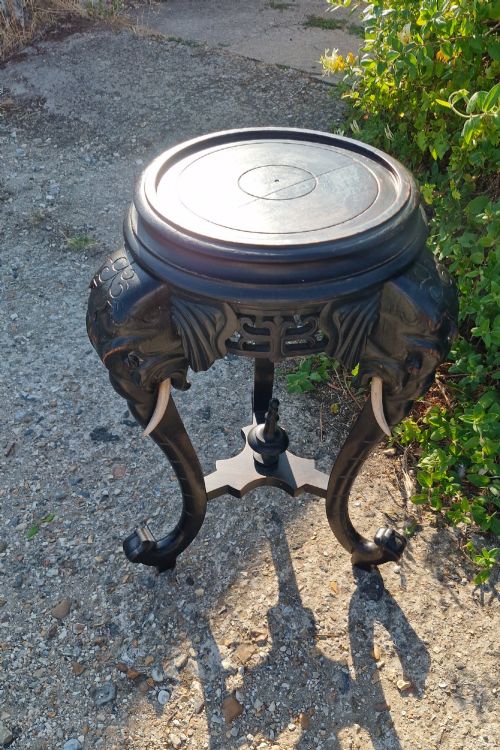
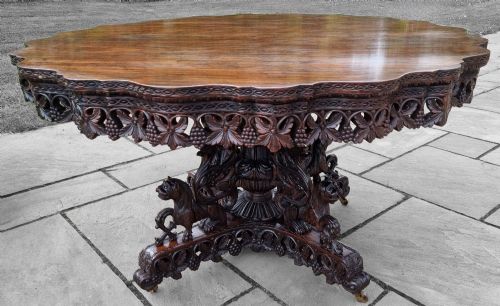
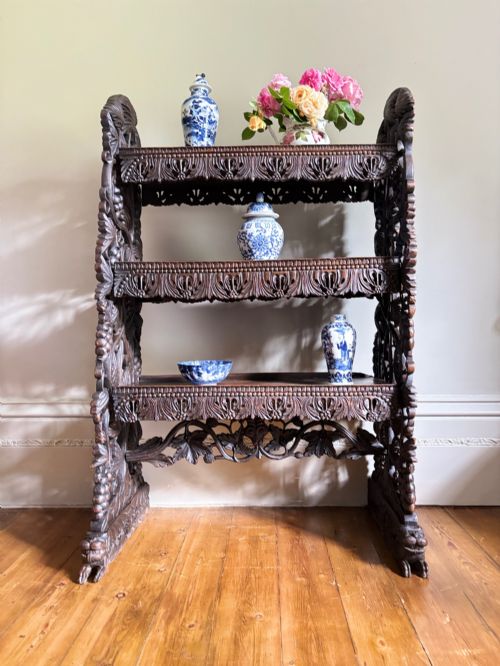
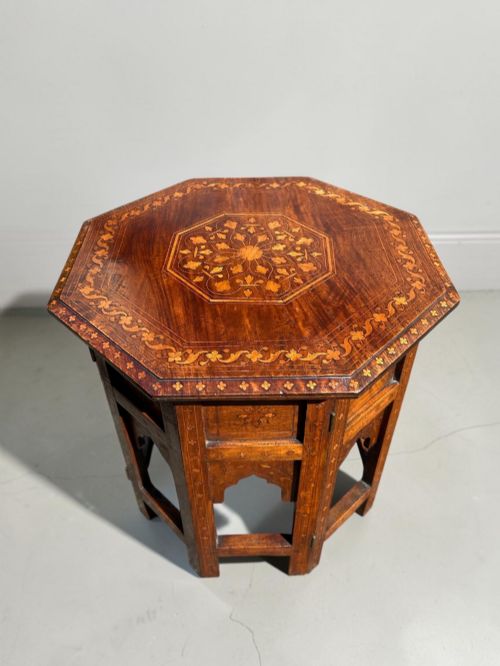
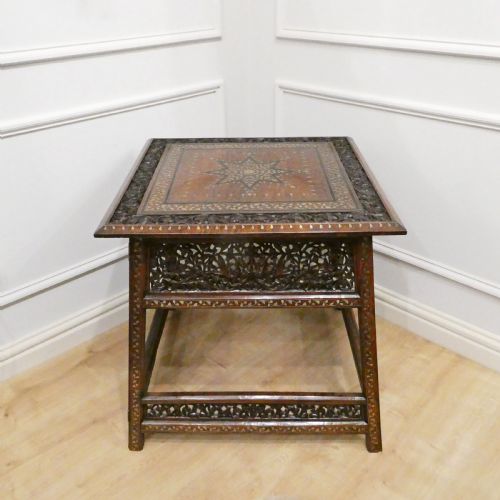
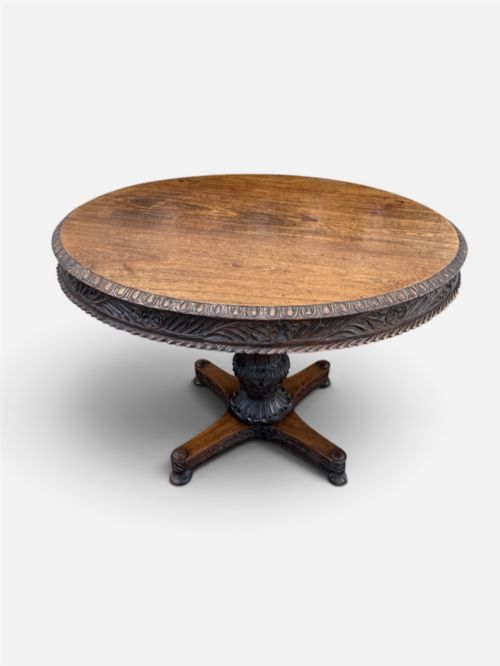
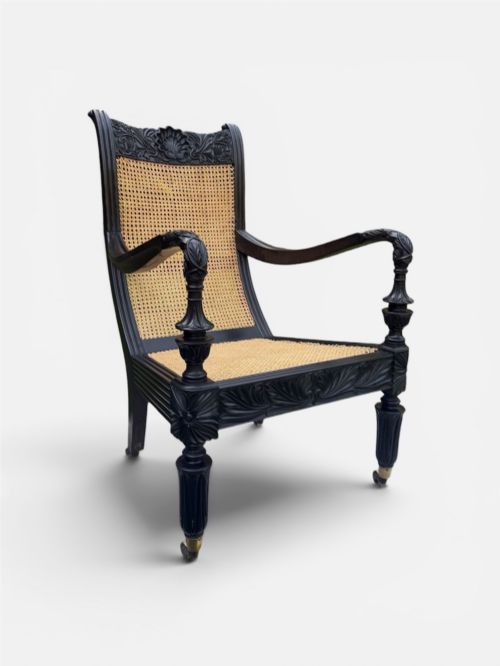
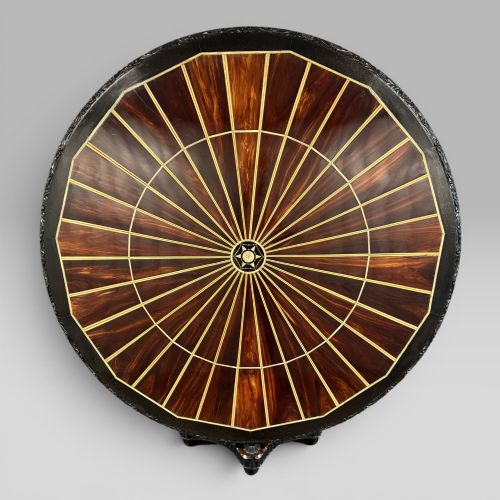
Victorian Anglo Indian furniture encompasses a striking range of tables, seating, and cabinetry produced during the nineteenth century. These pieces reflect the artistic exchange between British design tastes and traditional Indian craftsmanship.
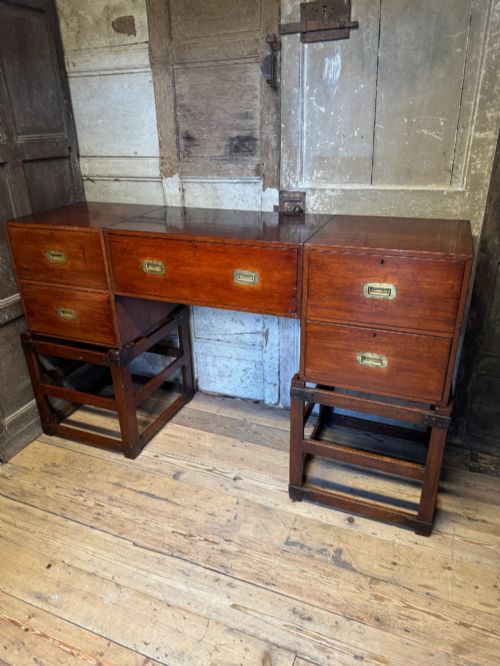
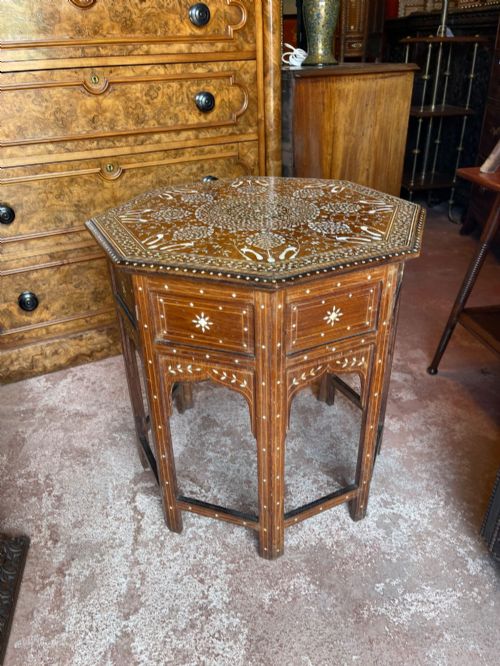
Side tables, console tables, and cabinets dominate the selection, often featuring intricate surface carving. Buyers regularly encounter occasional tables, armchairs, and small display cabinets dating from around eighteen seventy to nineteen hundred.
Seating forms include side chairs and ornate armchairs incorporating detailed motifs. Hardwood construction defines the category, with specific examples showcasing inset metals or distinctive geometric shapes.
Assessing quality and execution
The depth and crispness of the hand carving separate standard pieces from exceptional examples. Superior items display meticulous detail across every visible surface without loss of definition in the motifs.
Material selection and structural integrity drive value within the category. Solid padouk, rosewood, and teak frames that retain their original inset components and stable joints represent the pinnacle of nineteenth-century production.
Retail Price Guide 2026
Typical UK retail prices for victorian anglo indian furniture, calculated from the Sellingantiques database of over a million retail prices indexed since 2003. This retail price guide relies exclusively on Sellingantiques data; no external sources or auction records are used, so the figures do not describe the wider market.
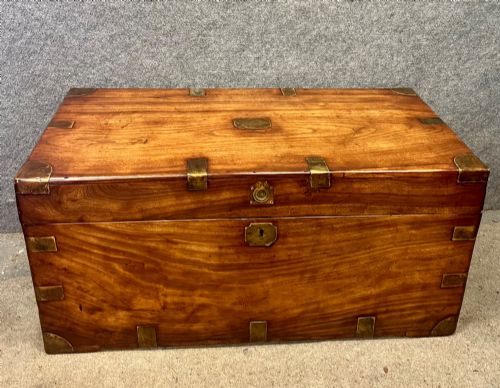
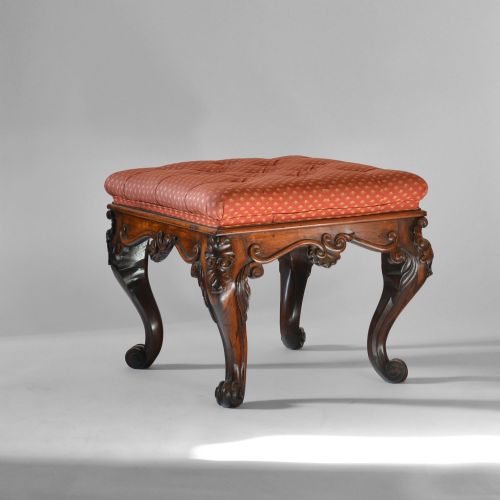
Materials recorded in current inventory include rosewood, teak, padouk wood, copper, brass, glass, and needlepoint upholstery.
The Victorian Anglo Indian Furniture Glossary
- Padouk
- A heavy, durable tropical hardwood with a reddish-brown hue used extensively in colonial furniture making.
- Console table
- A wall-mounted or freestanding table designed to sit against a flat vertical surface, frequently featuring ornate leg supports.
- Needlepoint upholstery
- Stitched textile covering applied to chair seats and backs using canvas mesh and wool yarn.
- Octagonal shape
- A geometric form with eight sides, commonly found in the tabletops of this period.
Frequently Asked Questions
What is Victorian Anglo Indian furniture?
These pieces are nineteenth-century furnishings created in India under British colonial rule, combining traditional local carving techniques with European furniture forms.
Craftsmen utilised native hardwoods like rosewood and teak to produce elaborate sideboards, tables, and chairs for both domestic and export markets.
How do I care for hardwood tables?
Protect the carved wooden surfaces from direct sunlight and rapid temperature changes to prevent timber splitting. Regular dusting with a soft, dry cloth preserves the intricate relief details without building up residue.
Avoid using silicone-based polishes on antique hardwoods. A light application of quality beeswax maintains the natural lustre of padouk and rosewood.
Where were these pieces used?
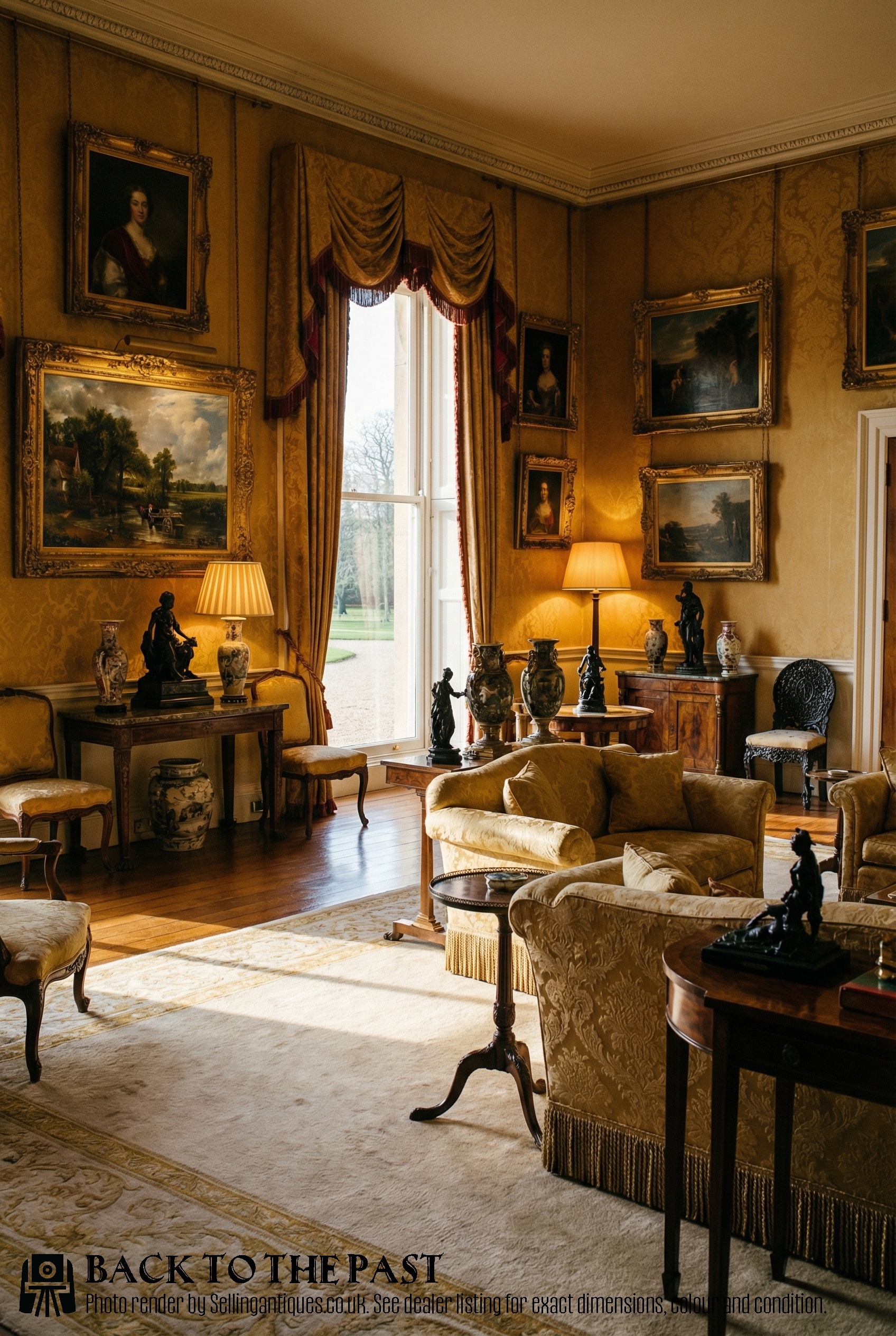
Originating in workshops across the Indian subcontinent, these furnishings were exported to British homes during the nineteenth century. They served as statement pieces in drawing rooms, hallways, and parlours.
The dense timbers and decorative carving suited the Victorian taste for eclectic and globally inspired interior decoration.
How are different periods identified?
Dating relies on stylistic shifts, construction methods, and recorded dates from the nineteenth century. Pieces range from eighteen seventy items to items marked around nineteen hundred.
Examining the joinery, secondary timbers, and metal insets helps establish the approximate decade of production alongside stylistic cues from the Victorian era.