




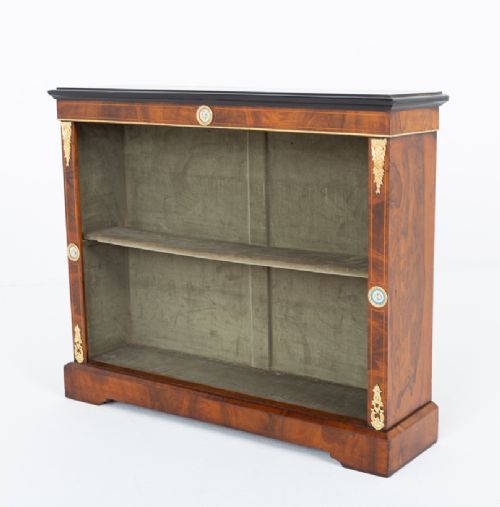
19th Century Open Shelves
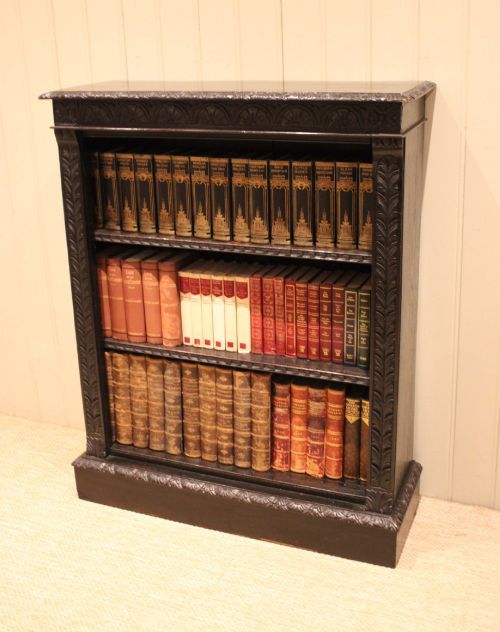
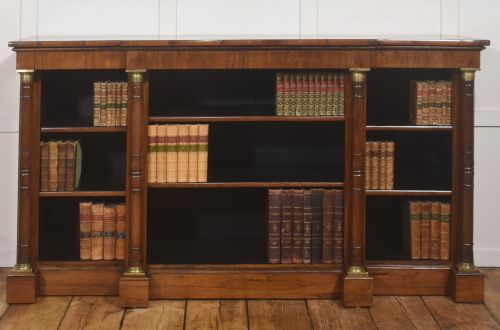
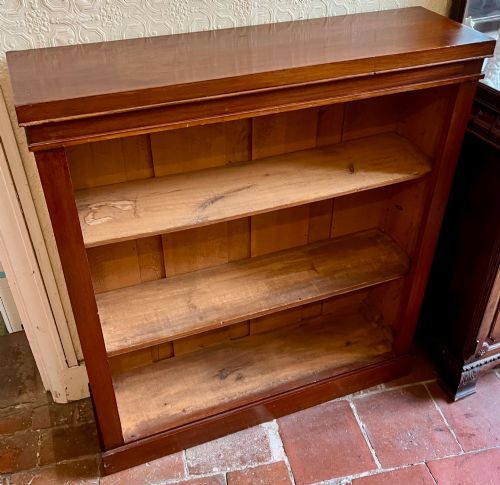
These 19th century open shelves offer practical display and storage, ranging from compact hanging wall units to substantial library bookcases.
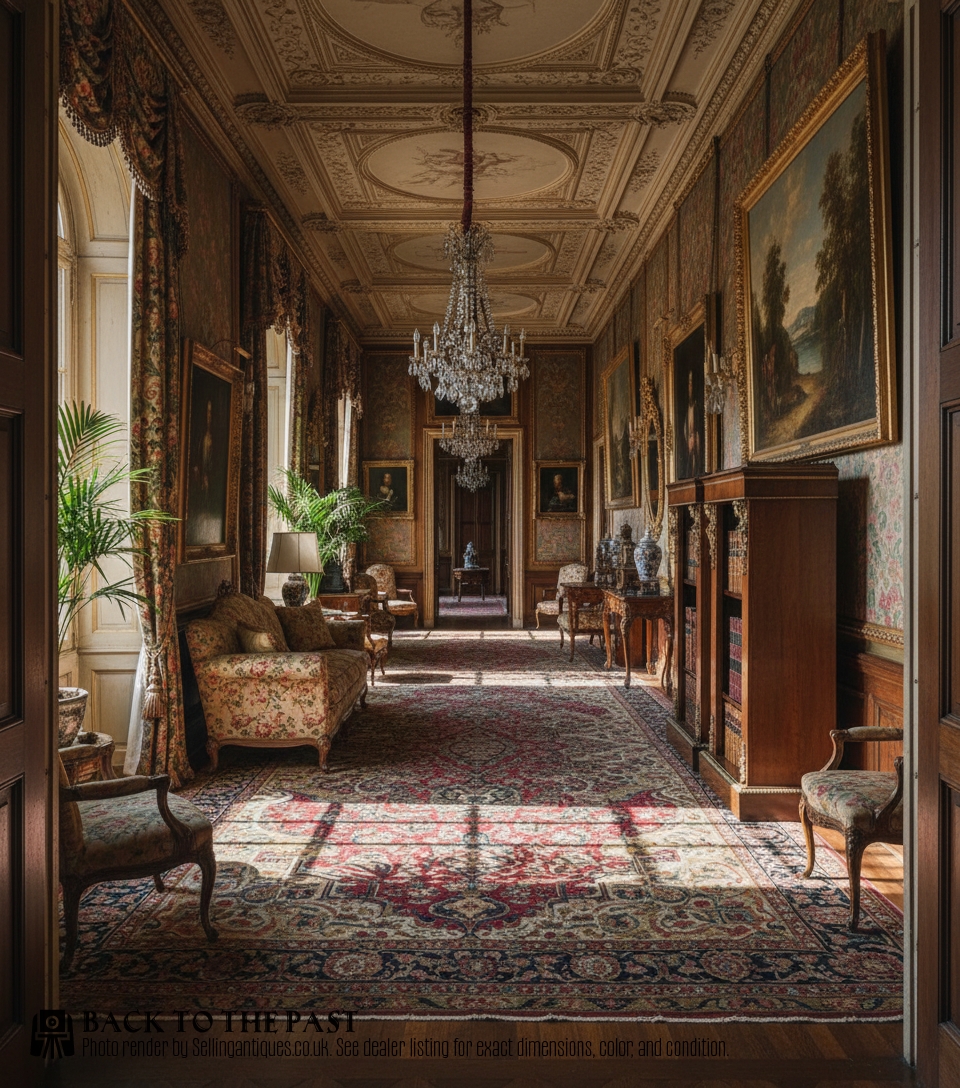
19th Century Open Shelves
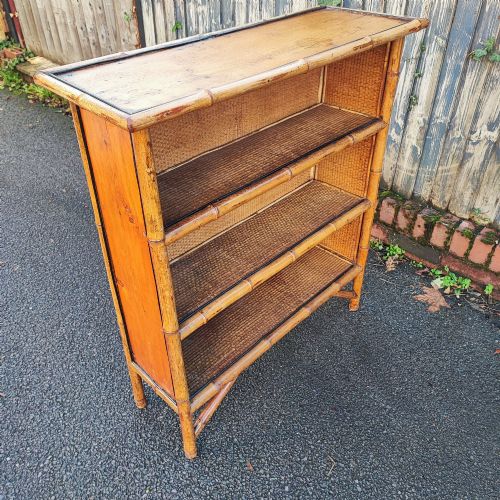
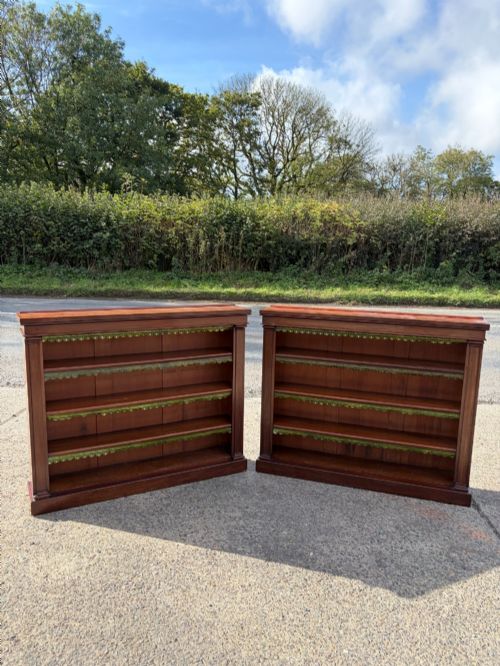
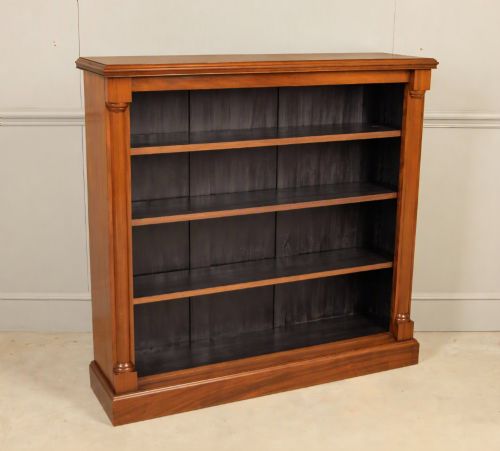
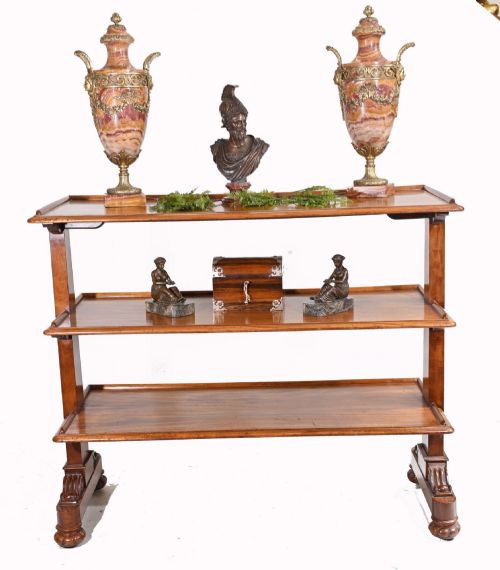
When searching for 19th century open shelves, buyers encounter a diverse selection of bookcases, whatnots, etageres, and wall-mounted shelving units originating from the Georgian, Regency, and Victorian periods.
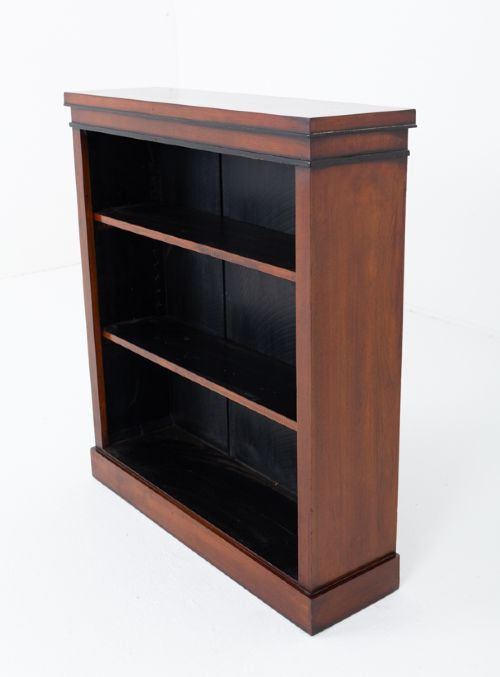
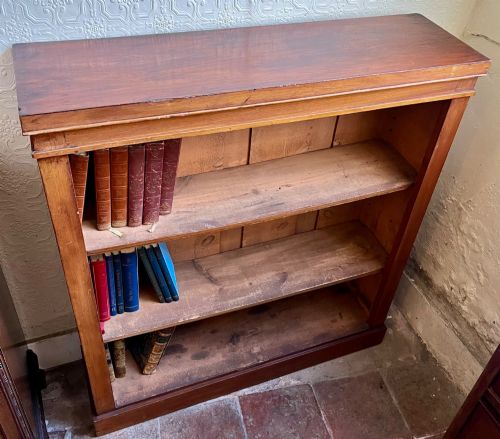
Mahogany and rosewood feature prominently among the timber choices, often taking the form of freestanding open bookcases with adjustable shelves designed for practical library use.
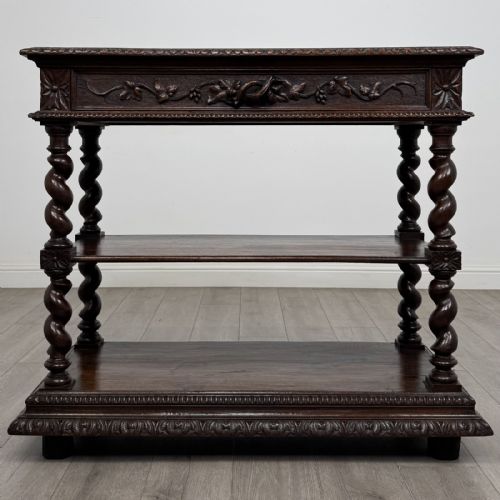
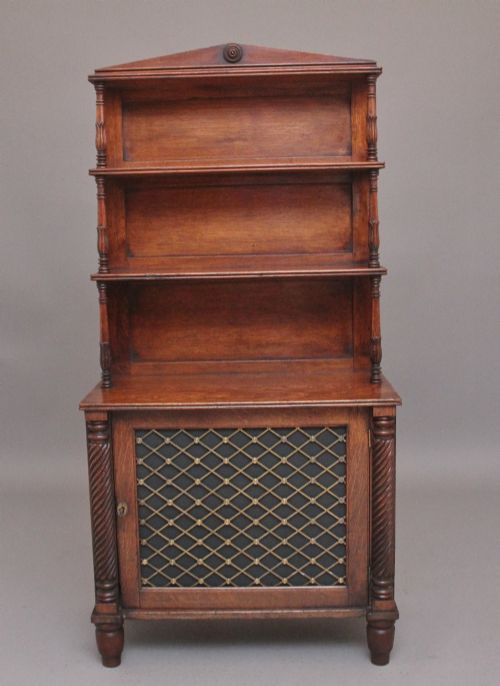
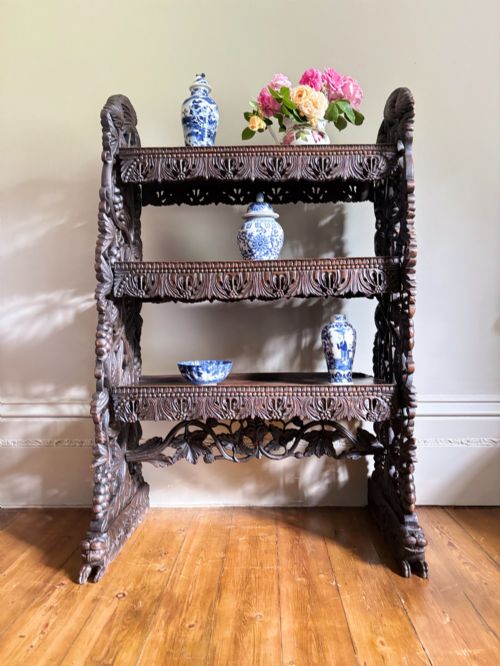
Alternative configurations include corner cabinets, music cabinets, and multi-tiered etageres that provide specialised display space for ornaments and smaller collections.
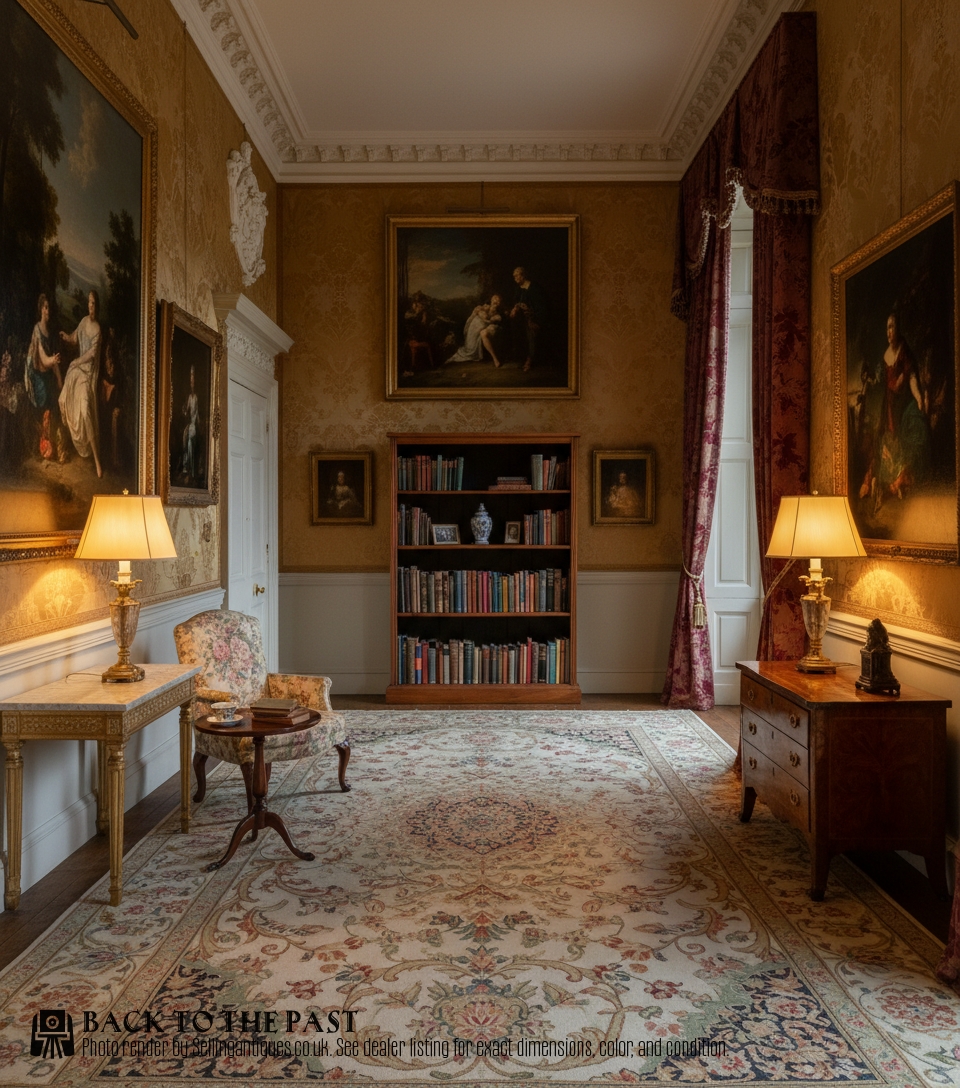
How they were made
Cabinet makers utilised dense hardwoods such as mahogany, walnut, and rosewood, frequently selecting figured veneers like flame mahogany and burr walnut for prominent surfaces.
Decorative embellishments included cast ormolu mounts, intricate carving, and brass details, which complemented the rich natural tones of the timber.
Construction techniques involved traditional joinery, sturdy potboards, and adjustable shelf mechanisms to accommodate varying book sizes and display requirements.
19th Century Open Shelves Retail Price Guide 2026
Typical asking prices for 19th century open shelves among the pieces listed under this phrase on Sellingantiques today, from the lower quarter to the upper quarter. They describe what is for sale here now, not the wider market.
Gabriel Viardot specialised in furniture inspired by Chinese and Japanese aesthetics, creating eclectic etageres for Victorian collectors.
What varies in quality
The choice of primary timber and the selection of figured veneers set apart standard utility pieces from high-end library furniture commissioned for substantial homes.
Refinement in carving, precision in joinery, and the inclusion of cast ormolu mounts or specialised hardware indicate the skill of the maker or workshop.
Proportion and scale also dictate quality, where balanced architectural lines and well-executed adjustable shelving systems distinguish finer examples.
Gabriel Viardot·Johnstone and Jeanes·Gillows
The 19th Century Open Shelves Glossary
- Waterfall bookcase
- A set of open shelves featuring stepped sides that recede progressively from bottom to top. This form appeared frequently during the Regency and Victorian eras.
- Etagere
- A piece of furniture consisting of a set of open shelves for displaying small objects or ornaments. These often feature slender turned legs or multiple tiers.
- Ormolu
- Gilded bronze mounting applied to furniture as a decorative accent. It gained popularity on luxury walnut and rosewood pieces.
- Padauk
- A heavy tropical hardwood with reddish tones utilised in Anglo-Indian furniture. It provided durability and a striking colour for exported pieces.
- Breakfront
- A cabinet or bookcase design where the central section projects forward from the flanking wings. This added architectural depth to large library furniture.
19th Century Open Shelves: Frequently Asked Questions
What periods do these shelves cover?
The selection spans the Georgian, Regency, William IV, and Victorian eras, reflecting changing domestic tastes throughout the 19th century.
Craftsmanship evolved from strict classical proportions into more ornate revival styles and continental influences by the late 19th century.
Are the shelves adjustable?
Many of the larger library bookcases and freestanding open shelves feature adjustable shelving mechanisms. This practical adaptation allowed owners to reconfigure shelf heights for different book sizes.
Fixed shelves remain more common in smaller pieces like wall-mounted units and specific etageres.
Where were these pieces used?
Libraries, drawing rooms, and parlours served as primary locations for open shelving units and bookcases in 19th century homes. Smaller etageres and wall shelves provided display space in boudoirs and reception rooms.
Potboard dresser bases also functioned within large farmhouse kitchens and utility spaces.
What woods should I expect?
Mahogany and walnut form the basis of most listings, often enhanced by burr walnut or flame mahogany veneers. Rosewood also appears regularly in fine Regency and Victorian pieces.
Alternative materials include pine, oak, teak, and padauk depending on the regional origin and intended function.