


Mid Victorian Bookcase
A mid victorian bookcase brings solid nineteenth-century presence and adaptable storage to a room through timber and glass.
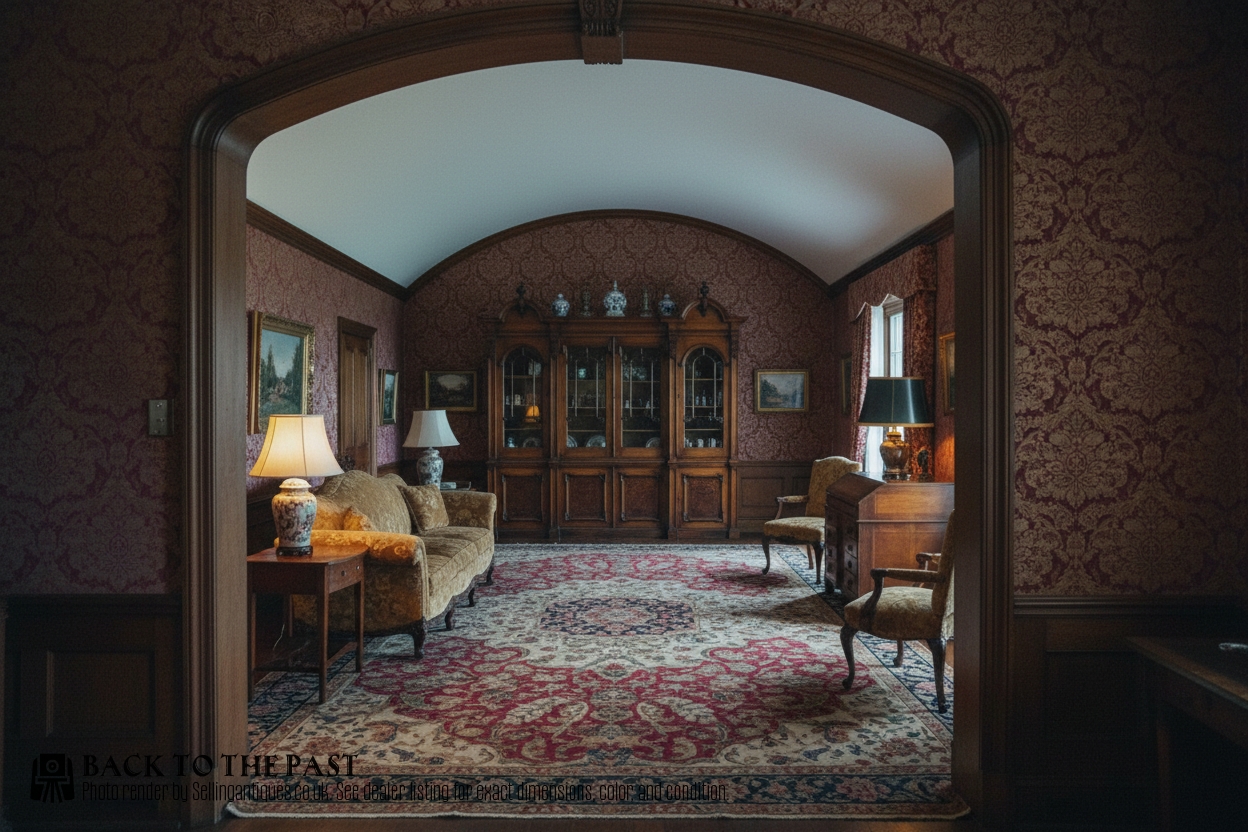
What a mid victorian bookcase is
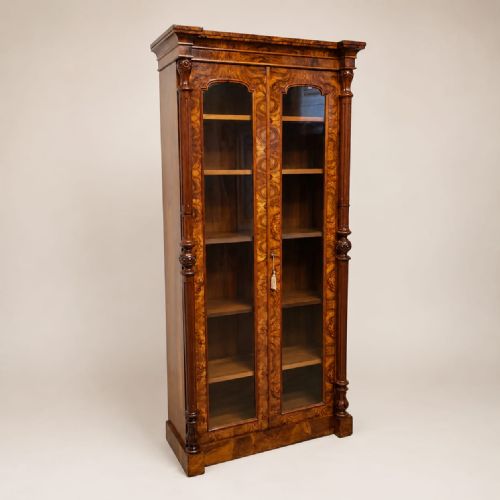
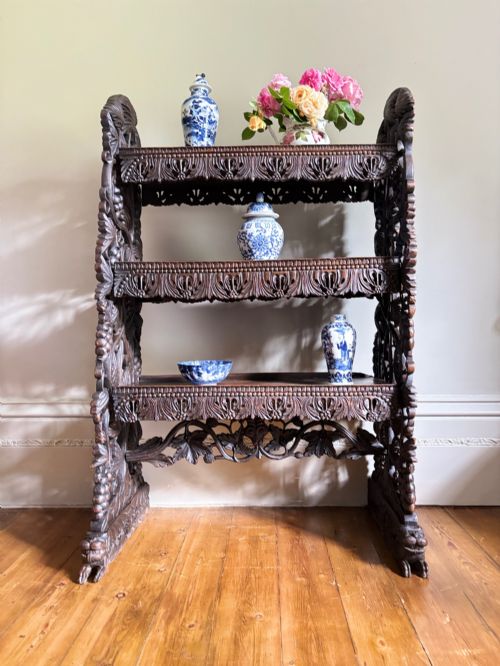
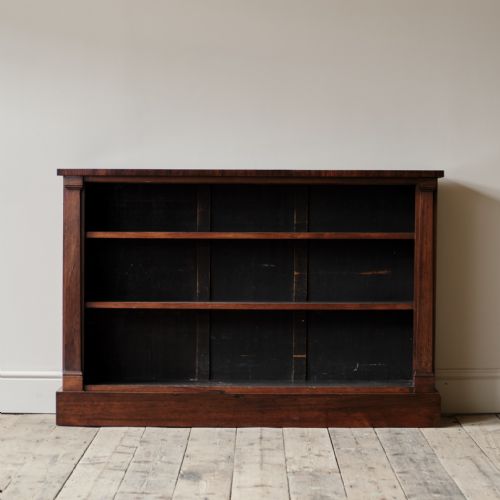
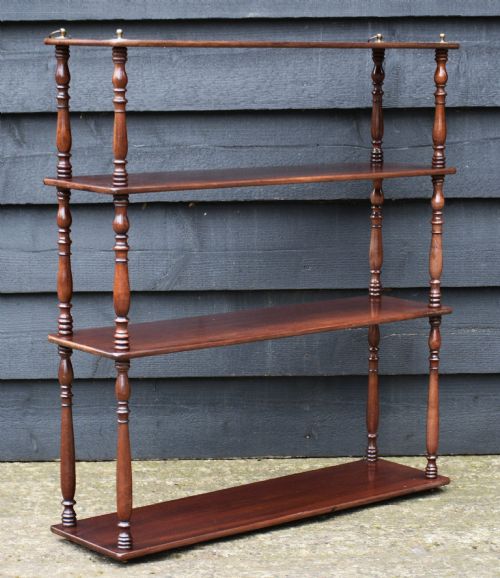
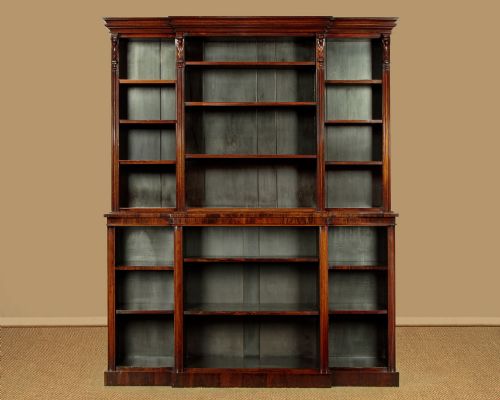
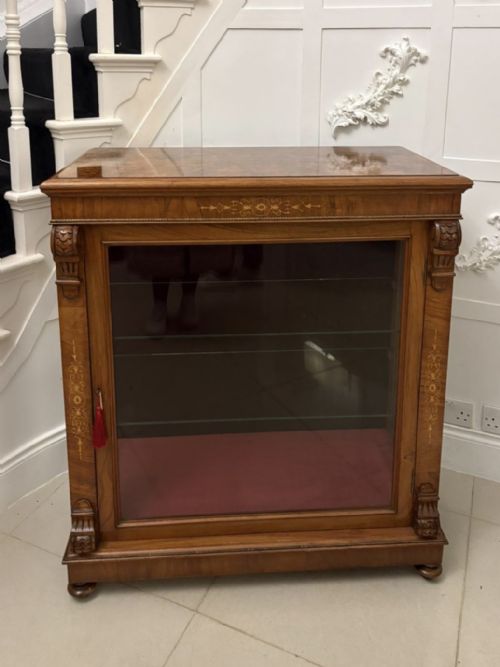
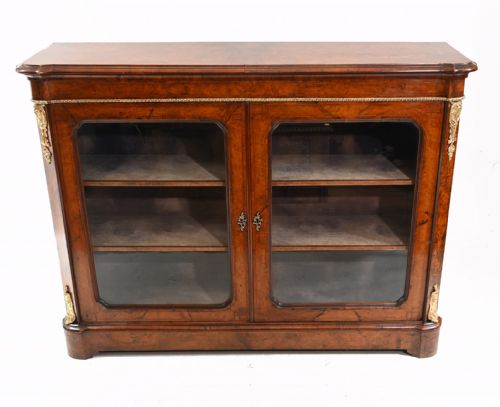
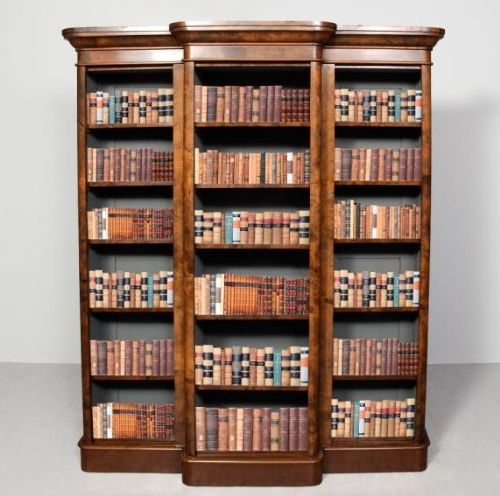
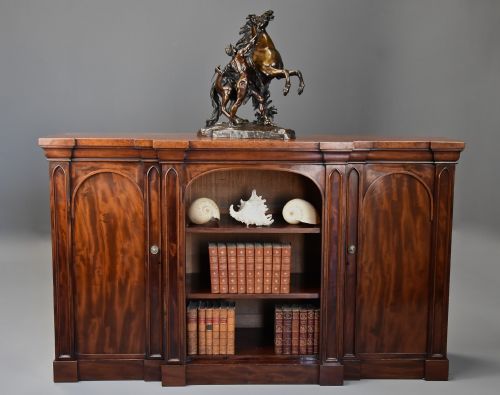
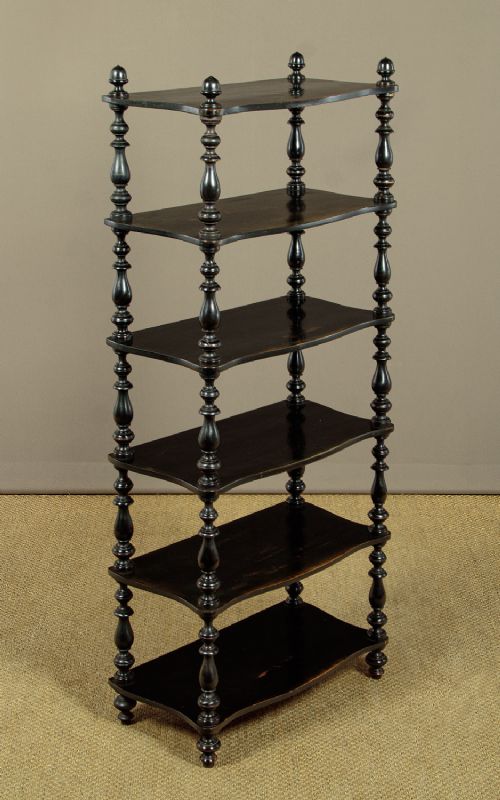
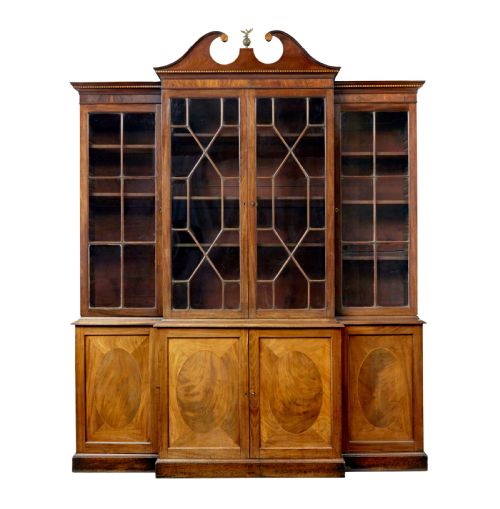
A mid victorian bookcase offers substantial shelving and display space across various formats originating around the middle decades of the nineteenth century. These pieces appear as tall open shelves, breakfront configurations, and glazed or solid two-door cabinets.
The version most commonly met on this page is the open bookcase, often constructed in sections to accommodate large libraries. Cabinet variations with glass doors or bureaus also surface regularly among the inventory.
Examples span the decades from eighteen fifty to eighteen seventy, reflecting the cabinet-making standards of the Victorian era. The proportions range from neat sizes to monumental heights.
How they were made
Cabinet-makers utilised a range of timbers including mahogany, walnut, burr walnut, rosewood, oak, satinbirch, pine, and bamboo. Many surfaces feature figured veneers and polished finishes to highlight the grain.
Construction techniques include adjustable shelving, glazed panel doors, ormolu mounts, and occasionally carved details or inlaid decoration. Open formats frequently utilise multi-section carcases for stability.
Retail Price Guide 2026
Typical UK retail prices for mid victorian bookcase, calculated from the Sellingantiques database of over a million retail prices indexed since 2003. This retail price guide relies exclusively on Sellingantiques data; no external sources or auction records are used, so the figures do not describe the wider market.
Listings feature woods such as burr walnut, rosewood, satinbirch, and bamboo across Victorian and Victorian Gothic Revival styles.
What varies in quality
The selection of timber veneer and the depth of the polished finish distinguish the finer examples from standard utility pieces. Figured walnut, burr walnut, and rosewood generally command greater attention for their visual richness.
The Mid Victorian Bookcase Glossary
- Breakfront
- A piece of furniture where the central section projects forward from the flanking wings. This configuration creates architectural depth in large library bookcases.
- Burr walnut
- A highly figured timber harvested from walnut tree growths, valued for its swirling grain patterns. Cabinet-makers used it as a decorative veneer on prominent surfaces.
- Ormolu
- Gilded bronze ornamentation applied to furniture mounts and details. It adds metallic contrast to polished timber surfaces.
- Secretaire
- A desk compartment fitted with a drop-front writing surface and small interior drawers. It appears integrated into the upper or middle sections of certain bookcases.
- Glazed
- Fitted with glass panels within the doors. This protected valuable books from dust while keeping library collections visible.
Frequently Asked Questions
How do I care for polished timber?
Keep nineteenth-century timber pieces away from direct heat sources and strong sunlight to prevent the polished finish from drying out.
Apply a light wax polish periodically and buff gently with a soft cloth to maintain the lustre of the wood.
Are the shelves adjustable?
Many examples on this page feature adjustable shelving supported by wooden bearers or traditional pin systems.
This allows the internal height to be altered for different sizes of books and volumes.
What timber was most commonly used?
Mahogany appears frequently across the records, alongside various selections of walnut, burr walnut, oak, and rosewood.
Cabinet-makers matched these dense hardwoods to the specific style and functional requirements of each library piece.