

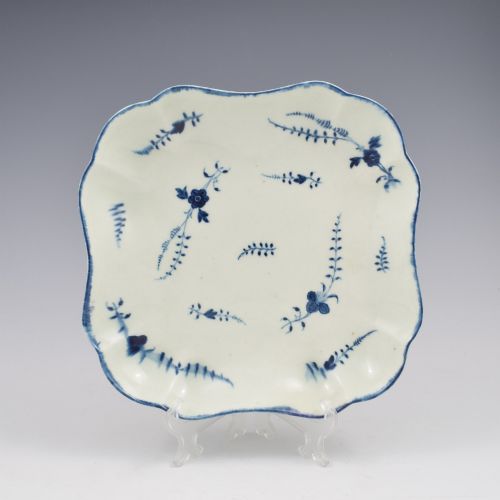
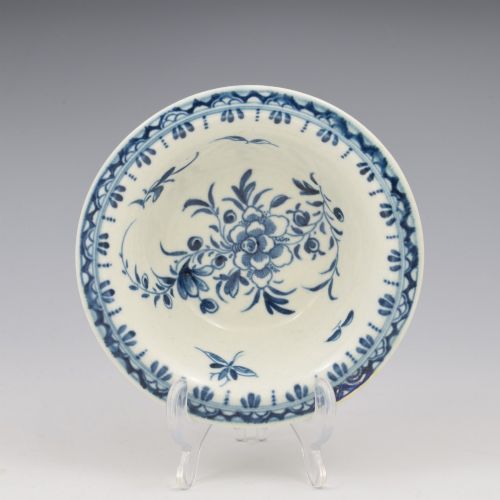
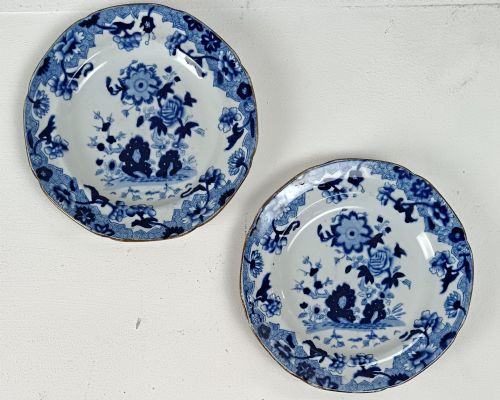
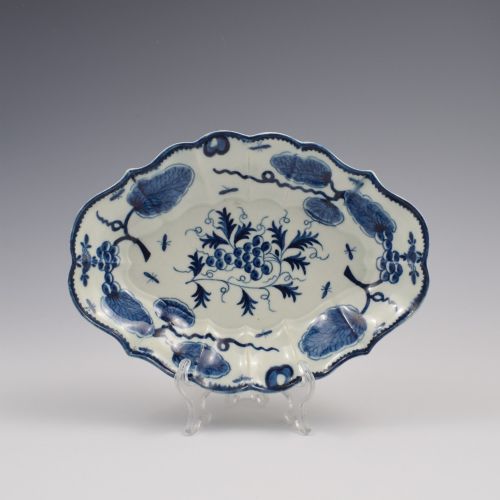


Underglaze Blue White Plates
When you search for underglaze blue white plates, you find hand-painted ceramics decorated with cobalt beneath a clear glaze across centuries of global kilns.
Underglaze Blue White Plates
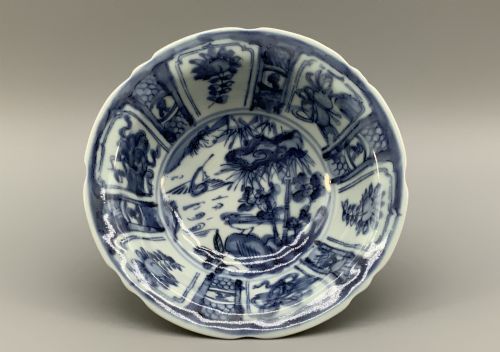
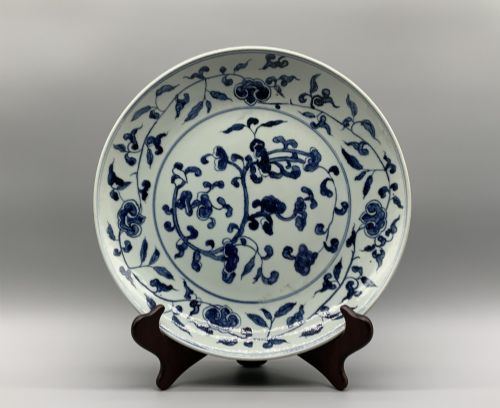
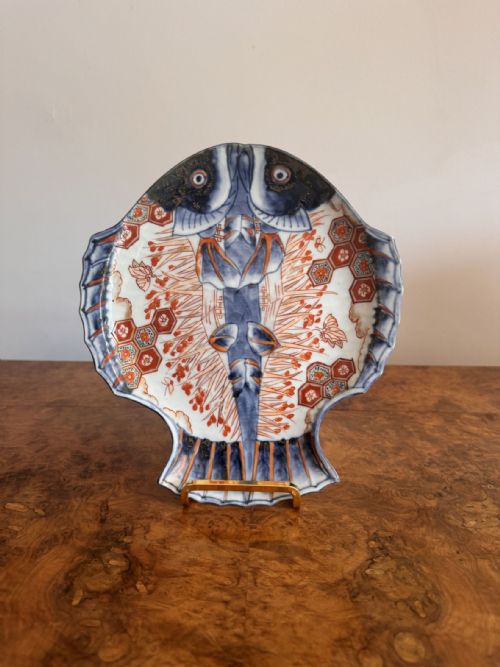
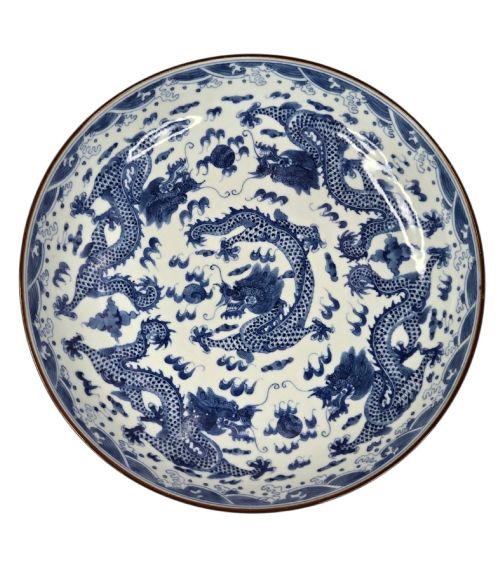
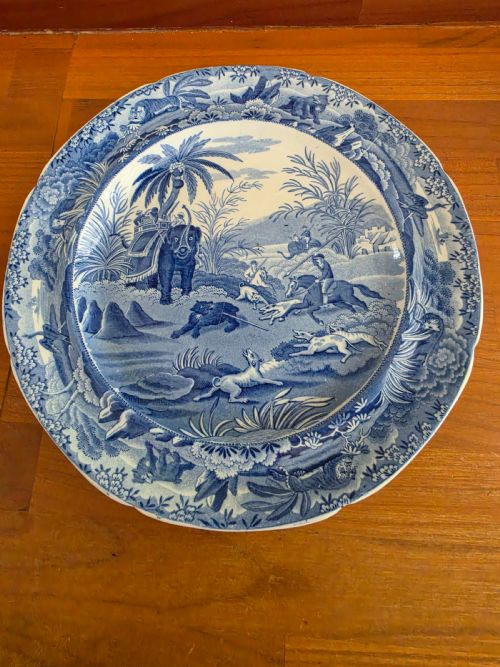
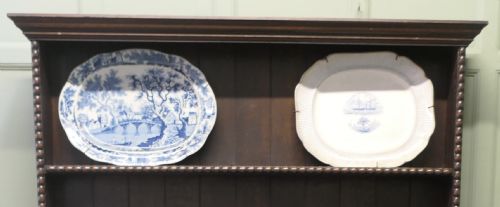
When searching for underglaze blue white plates, buyers encounter a diverse range of ceramics originating from Chinese, Japanese, and English kilns spanning the seventeenth to the nineteenth centuries. These pieces appear as decorative chargers, serving platters, and table dishes shaped with lobed rims, barbed edges, or standard circular forms.
The selection on this page leans heavily toward Chinese export porcelain from the Kangxi and Qing periods alongside Japanese Arita and Imari wares and English pearlware or earthenware from Staffordshire, Worcester, and Spode. Buyers are most likely to meet circular plates and large chargers decorated with traditional motifs such as dragons, landscapes, and floral patterns.
How they were made
Makers produced these ceramics by applying cobalt pigment directly onto the raw clay body before covering the piece in a transparent glaze and firing it at a high temperature. This technique allowed the cobalt underglaze to fuse permanently with the ceramic body, yielding deep blue decoration that resists fading.
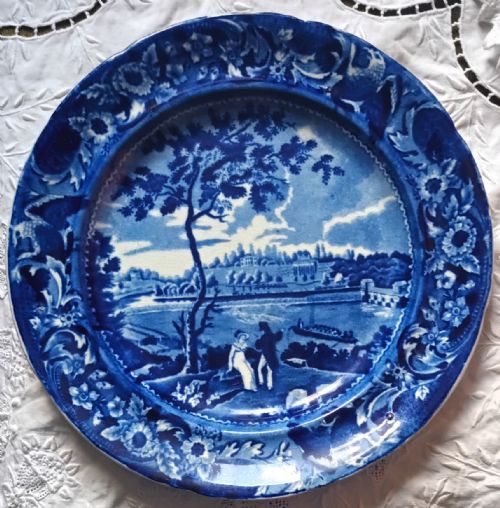
Kilns utilised varying ceramic compositions including hard-paste porcelain, soft-paste porcelain, pearlware, and earthenware depending on the region and period of manufacture. English factories like Spode and Worcester employed transfer printing alongside hand painting, while Asian kilns relied entirely on hand-painted brushwork.
Origins represented include Chinese Kangxi and Qing dynasties, Japanese Arita and Imari, alongside English factories.
What varies in quality
The quality of these ceramics rests primarily on the precision of the brushwork and the depth of the cobalt pigment against the white ground. Finer examples display crisp, confident lines and vibrant cobalt tones without bleeding or pooling in the glaze.
Superior pieces also exhibit meticulous potting, demonstrated by uniform thickness, well-finished rims, and stable forms free from excessive kiln warping. Early Chinese and Japanese wares achieve distinction through balanced compositions and clear reign marks, while English examples derive their merit from sharp transfer printing and refined paste bodies.
Dr Wall Worcester·Spode·Caughley·Stubbs
The Underglaze Blue White Plates Glossary
- Underglaze
- A method of decorating pottery using pigments applied directly to the unfired ceramic body before glazing and firing. This technique protects the design beneath a glassy protective layer.
- Cobalt glaze
- A blue metallic oxide pigment utilised beneath the clear glaze to produce the characteristic deep blue decoration. It withstands the intense heat required to vitrify porcelain.
- Charger
- A large decorative plate or platter utilised historically for ceremonial service or as a base for smaller courses. These substantial pieces often display the finest painted details.
- Soft-paste porcelain
- A ceramic composition made from white clay mixed with ground glass or frit, fired at lower temperatures than true hard-paste porcelain. English factories frequently utilised this body in the eighteenth century.
- Transfer printing
- A mechanical decoration technique developed in England where an engraved copper plate transfers an ink design onto paper and then onto the ceramic surface. This process enabled consistent mass production of pictorial patterns.
Underglaze Blue White Plates: Frequently Asked Questions
How do I date underglaze blue white plates?
Dating relies on examining the clay body, foot rim construction, and stylistic clues within the painted or transfer-printed decoration. Comparing specific motifs to documented periods helps narrow down the decade of manufacture.
Markings such as period characters, maker symbols, or pattern names provide additional chronological markers. However, many export pieces and regional earthenwares remain unmarked, requiring stylistic attribution instead.
Can I use antique plates for dining?
Most antique ceramics feature fragile glazes and delicate bodies that make daily dining impractical. Historic surfaces can scratch easily, and older materials may absorb liquids over time.
Collectors generally reserve these pieces for display on walls or plate stands rather than active culinary service. Gentle hand washing is essential if they are used occasionally for light presentation.
What is the difference between Arita and Imari?
Arita is the Japanese town and production centre where porcelain manufacturing began in the seventeenth century. Wares produced in this region encompass various decorative styles.
Imari refers specifically to the port from which these Arita ceramics were shipped to Europe, later becoming associated with a distinct palette. Blue and white Arita pieces form the foundation before iron red and gilt details are added to create traditional Imari.
Why do some plates have blue marks on the reverse?
Makers applied reign marks, apocryphal dynasty symbols, or kiln symbols to the base as a sign of quality or origin. These marks indicated respect for earlier imperial periods or identified specific workshops.
Export wares often featured symbols designed to appeal to Western buyers rather than strict chronological markers. Evaluating the blue tone and base glaze helps determine whether a mark is contemporary to the piece.