


Underglaze Blue Porcelain
Underglaze blue porcelain carries pigment beneath a glassy surface, offering durable depth across centuries of international kiln traditions.
Underglaze Blue Porcelain
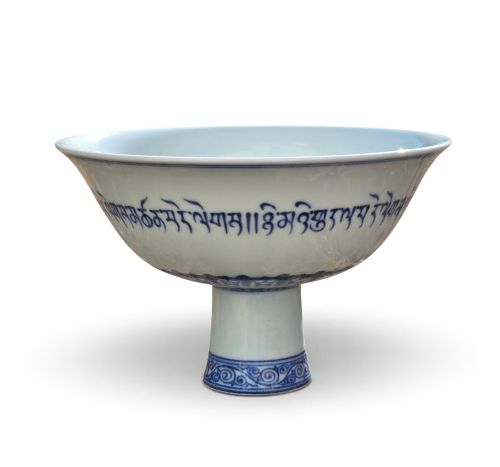
Underglaze blue porcelain encompasses utilitarian vessels and decorative objects painted with cobalt before firing, yielding cobalt blue decoration that merges permanently with the body under a clear glaze.
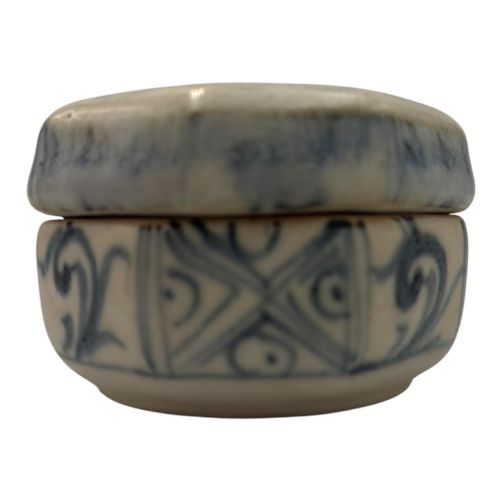
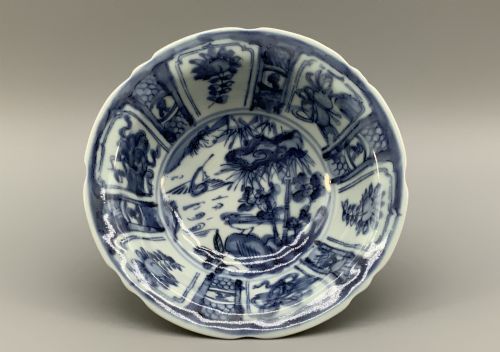
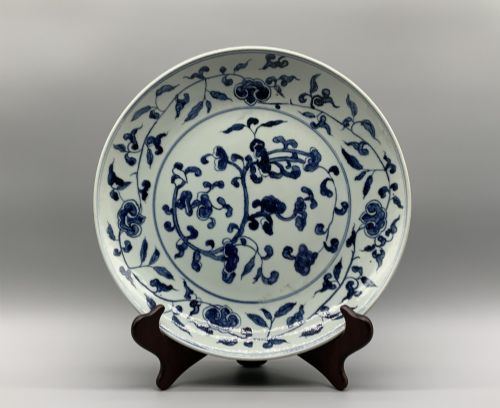
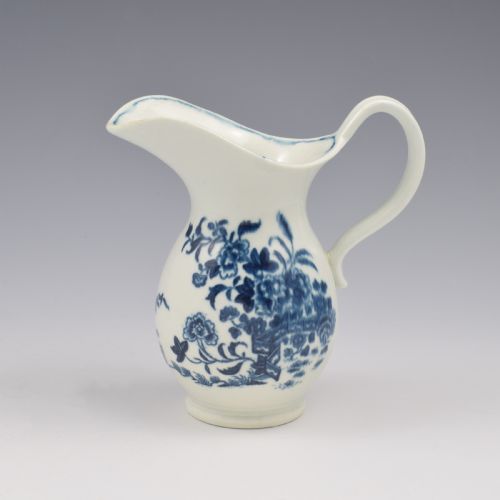
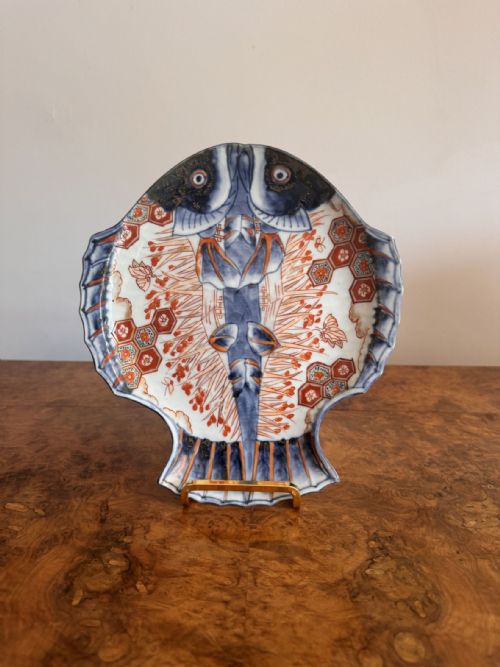
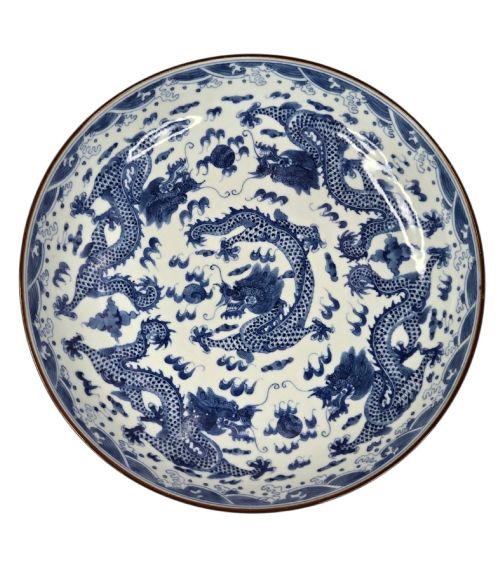
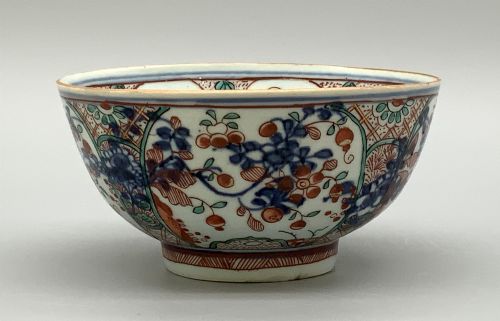
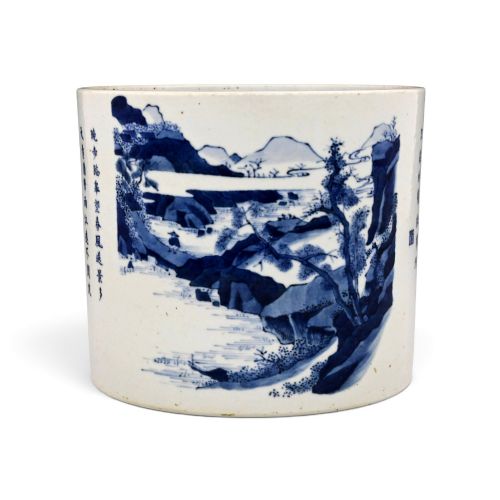
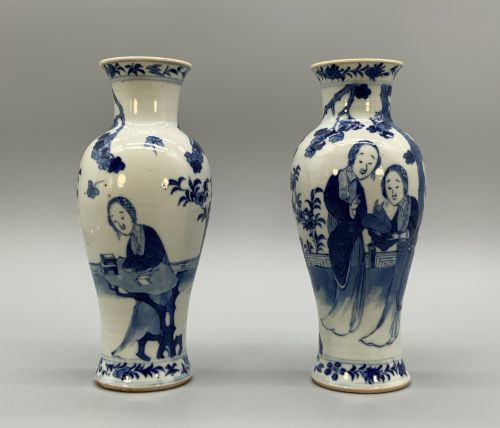
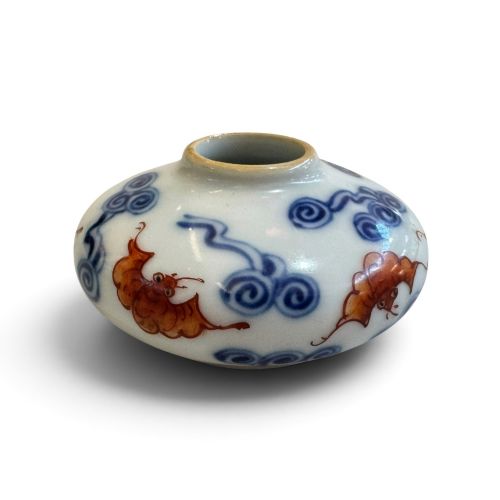
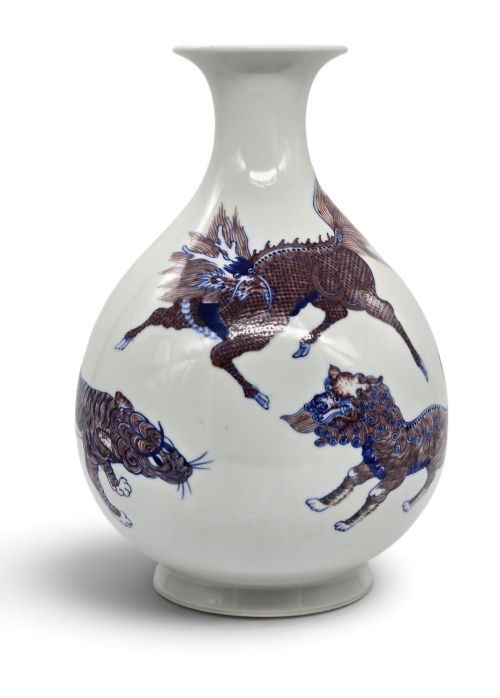
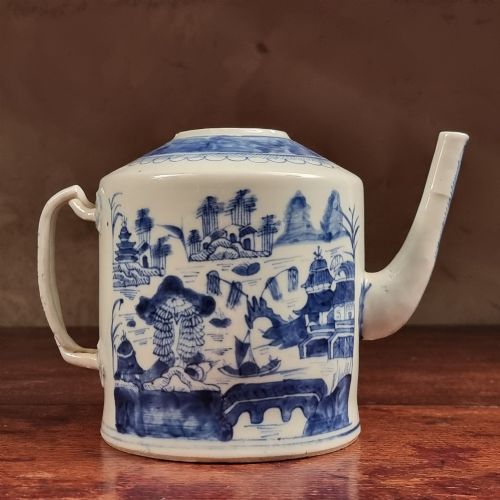
The pieces on this page span several centuries, originating from diverse kilns across China, Japan, Vietnam, and England.
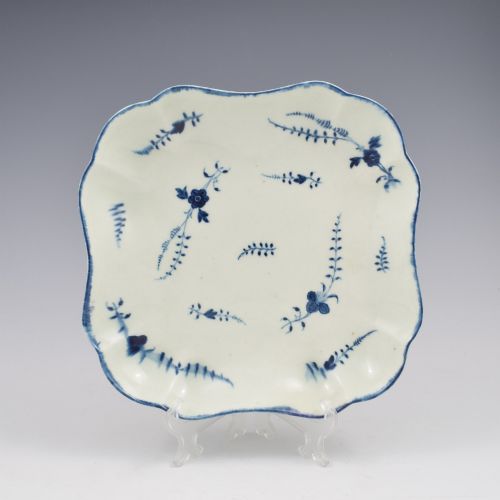
Forms range widely from Chinese chargers, brush pots, and ginger jars to Japanese Imari dishes, Vietnamese covered boxes, and English soft-paste teapots.
Buyers encountering this material will frequently meet 18th-century Chinese export wares, Kangxi period blue and white porcelain, Japanese Meiji period Imari, and Georgian Worcester domestic items.
How they were made
Potters painted cobalt pigment directly onto the unfired porcelain body using fine brushes, applying details that required immense control because the porous clay absorbed the liquid instantly.
Artisans then applied a transparent glaze over the painted decoration before loading the pieces into high-temperature kilns, where the cobalt fused beneath the glass surface during the single or multi-stage firing.
Selected vessels received secondary decorations such as overglaze enamel or gold leaf applied on top of the fired glaze, followed by a lower-temperature fixation.
Underglaze Blue Porcelain Retail Price Guide 2026
Typical asking prices for underglaze blue porcelain among the pieces listed under this phrase on Sellingantiques today, from the lower quarter to the upper quarter. They describe what is for sale here now, not the wider market.
Listings include porcelain pieces spanning from the Ming Dynasty through the Japanese Meiji Period and Georgian England.
What varies in quality
Quality rests significantly in the precision of the brushwork and the depth of the cobalt pigment, where steady lines and rich tones distinguish master workshops from provincial kilns.
The refinement of the porcelain paste itself also marks distinction, with thinner walls, smoother translucent bodies, and clean glazing separating high-grade imperial or factory output from utilitarian production.
Stubbs
The Underglaze Blue Porcelain Glossary
- Cobalt Underglaze
- A mineral pigment applied beneath the transparent glaze layer before firing. This technique protects the blue decoration from wear over centuries of handling.
- Soft-paste Porcelain
- A ceramic composition containing glass frit or white clay substitutes fired at lower temperatures than true hard-paste porcelain. English factories frequently utilised this formula during the eighteenth century.
- Imari
- A style of Japanese export porcelain featuring underglaze blue combined with iron red and gold leaf. Kilns in Arita produced these vibrant export goods for European markets.
- Kangxi Period
- An era of the Qing Dynasty spanning from sixteen sixty-two to seventeen twenty-two. Ceramics from this time are noted for brilliant cobalt tones and meticulous painting.
- Sometsuke
- Japanese pottery and porcelain decorated using underglaze cobalt blue pigment. The term distinguishes blue and white wares from polychrome enamel styles.
Underglaze Blue Porcelain: Frequently Asked Questions
What is underglaze blue porcelain?
Underglaze blue porcelain refers to ceramic vessels painted with cobalt oxide beneath a clear glaze before being fired at high temperatures.
This technique protects the blue pigment from fading and surface wear, ensuring the decoration remains permanent for centuries.
How do I care for antique porcelain?
Antique porcelain requires gentle hand washing in warm water using mild soap, avoiding abrasive scrubbers or modern dishwashers.
Display vessels securely away from heavy foot traffic and unstable surfaces to prevent accidental chips or structural damage.
When was soft-paste porcelain made?
European factories produced soft-paste porcelain primarily during the eighteenth century before discovering local hard-paste kaolin deposits.
English manufacturers such as Worcester utilised this softer ceramic body for domestic tea wares and decorative dishes.