


Underglaze Blue Dishes
These underglaze blue dishes span centuries of porcelain craft from Chinese and Japanese kilns to English factories, offering durable painted decoration that endures beneath a clear glaze.
Underglaze Blue Dishes
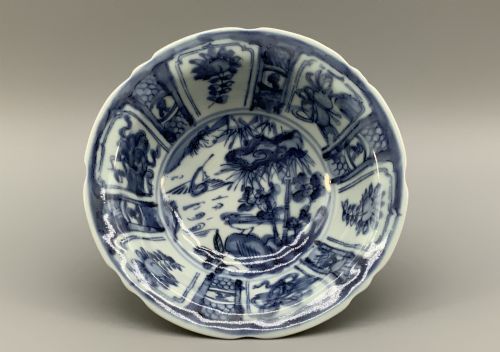
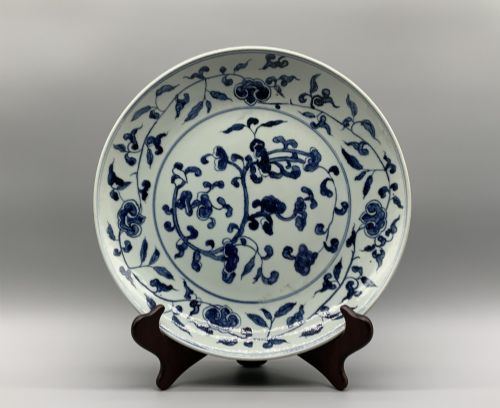
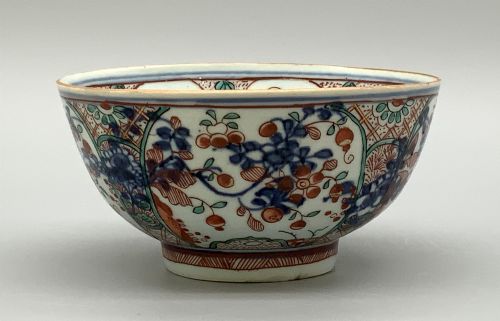
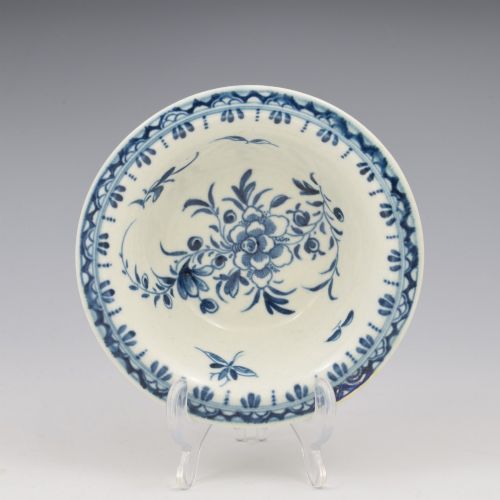
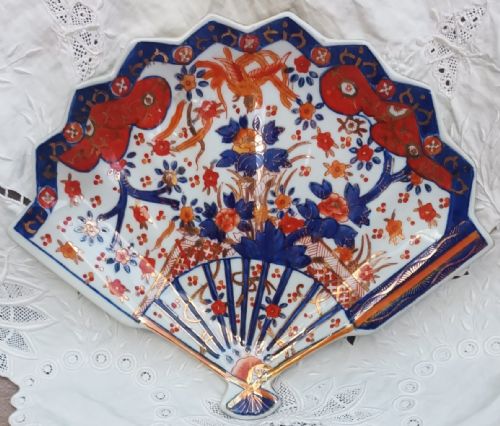
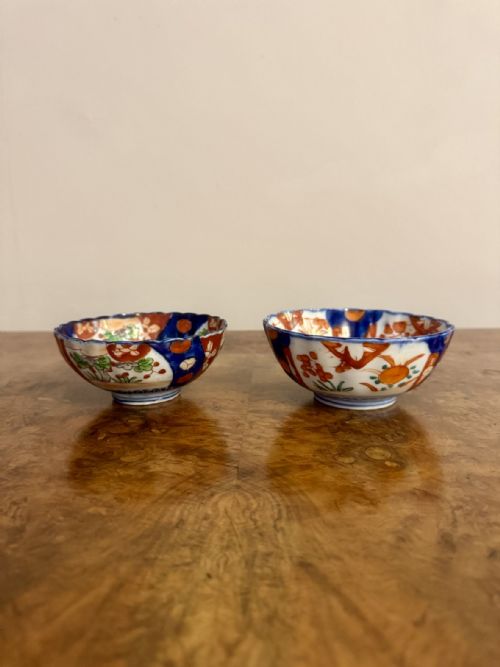
Underglaze blue dishes comprise decorative plates, bowls, chargers, and platters created across the seventeenth, eighteenth, nineteenth, and early twentieth centuries. The selection here leans heavily toward Japanese Imari wares, Chinese export and Kangxi period porcelain, and English Worcester productions.
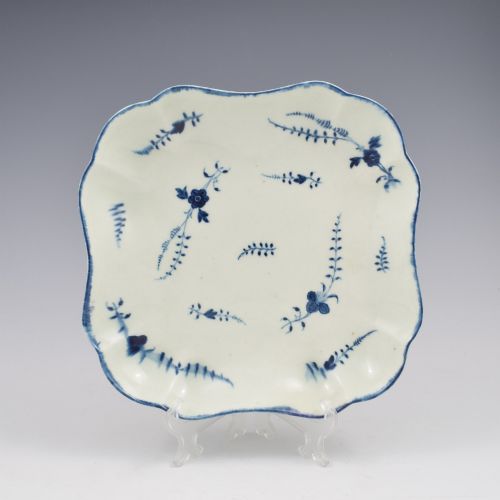
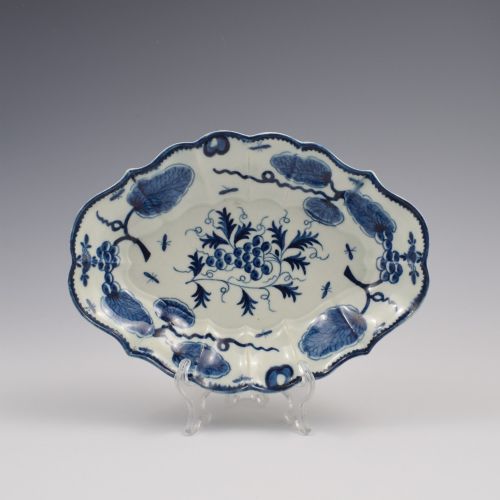
Forms range from lobed bowls and deep saucer-dishes to scalloped plates, hexagonal plates, and pickle leaf dishes. Buyers encounter everything from large chargers to small patty pans and chestnut baskets.
Geographic origins bridge Ming and Qing dynasty Chinese kilns, Edo and Meiji period Japanese Arita workshops, and Georgian English factories such as Worcester and Spode.
What varies in quality
Quality rests in the crispness of the cobalt painting, the purity and luminosity of the white porcelain ground, and the precision of the potting. Stronger examples show confident brushwork and controlled glaze application without blurring.
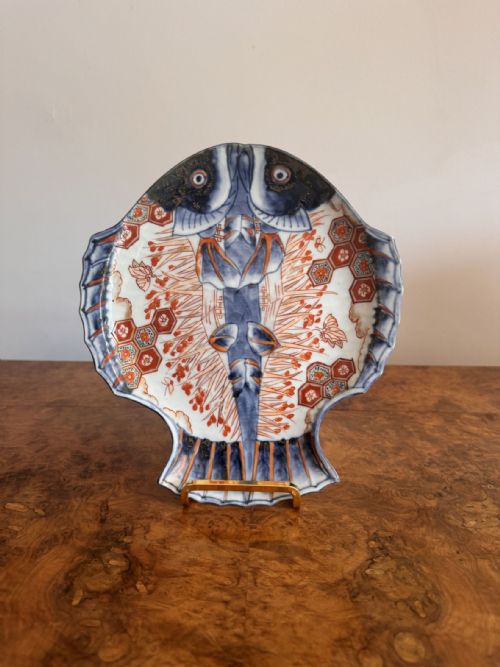
The sophistication of the form, whether a standard round plate or an intricate moulded shape like a pickle leaf or fish, dictates the relative ambition of the piece.
Potters shaped dishes into fish, leaves, and scallop shells long before dinner tables ever saw formal matching services.
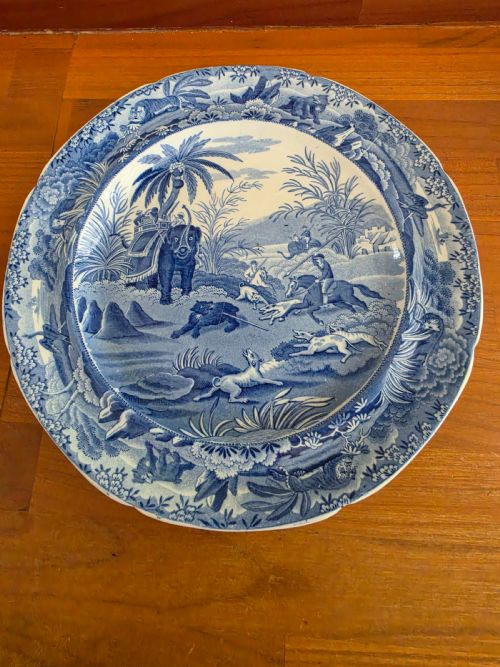
Dr Wall·Spode
The Underglaze Blue Dishes Glossary
- Underglaze
- Pigment applied to a ceramic body before the glaze is added and the piece is fired. This method protects the painted design beneath a glassy layer.
- Cobalt glaze
- A blue colouring oxide derived from cobalt that maintains its hue under intense kiln heat. It forms the foundation of blue and white porcelain.
- Soft-paste porcelain
- A ceramic composition containing glass frit and white clay, fired at lower temperatures than hard-paste. It creates a warm, creamy body common in eighteenth-century English works.
- Charger
- A large decorative plate or platter used historically for display or service. These items measure well beyond standard dining plates.
- Imari
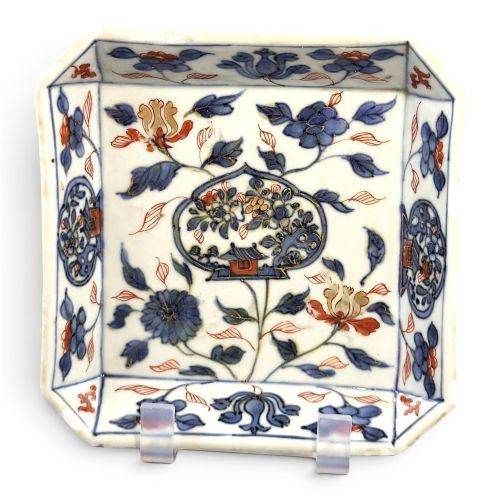
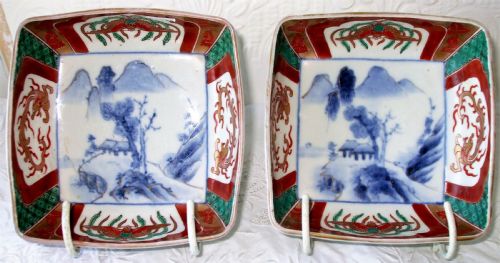
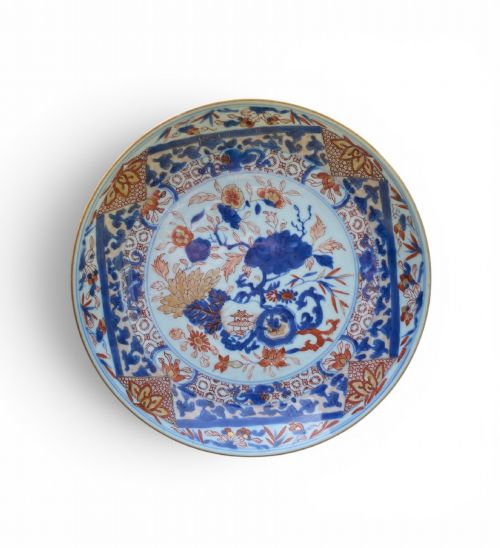
- A style of Japanese porcelain originating from Arita, featuring underglaze blue combined with iron red and gold. Pieces often display intricate floral and brocade motifs.
Underglaze Blue Dishes: Frequently Asked Questions
How do I identify a Kangxi period dish?
Kangxi period dishes generally date from the late seventeenth to early eighteenth century and often display vibrant cobalt blue painting under a glossy glaze.
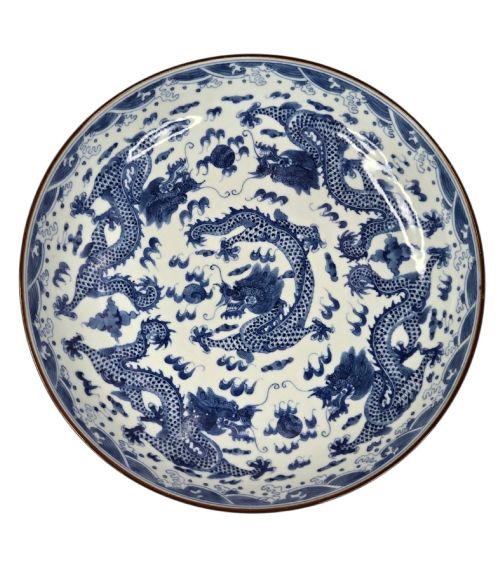
Look for characteristic motifs like dragons, rocks, and peonies, alongside fine potting and occasional reign marks on the base.
What is Japanese Imari porcelain?
Japanese Imari porcelain originates from the Arita area and combines deep underglaze blue with iron red and gold accents.
These pieces feature dense decorative patterns and arrived in Europe via trade during the Edo and Meiji periods.
How were eighteenth century pickle dishes used?
Eighteenth-century pickle dishes, often moulded in leaf or shell shapes, served small condiments at fashionable dining tables.
English factories like Worcester produced these small wares in quantity using underglaze blue painting.
What is the difference between soft-paste and hard-paste porcelain?
Hard-paste porcelain utilises petuntse and kaolin fired at extremely high temperatures to produce a dense, vitreous material.
Soft-paste incorporates glass or frit compounds, resulting in a slightly softer body with a distinct texture beneath the glaze.