


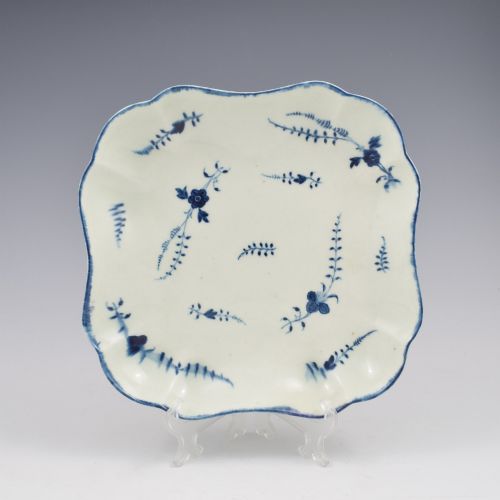
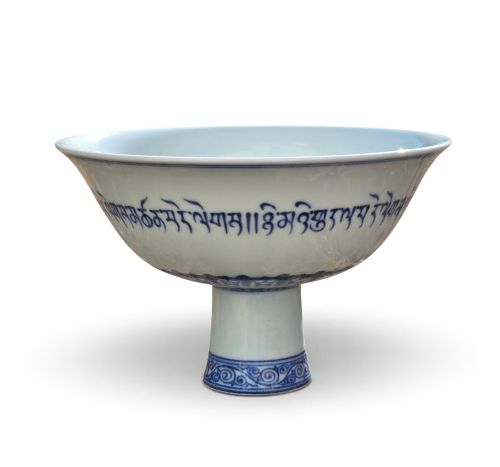
Underglaze Blue Ceramic
Underglaze blue ceramic pieces bring enduring cobalt pigment beneath a clear glaze, offering collectors centuries of Asian and European kiln mastery.
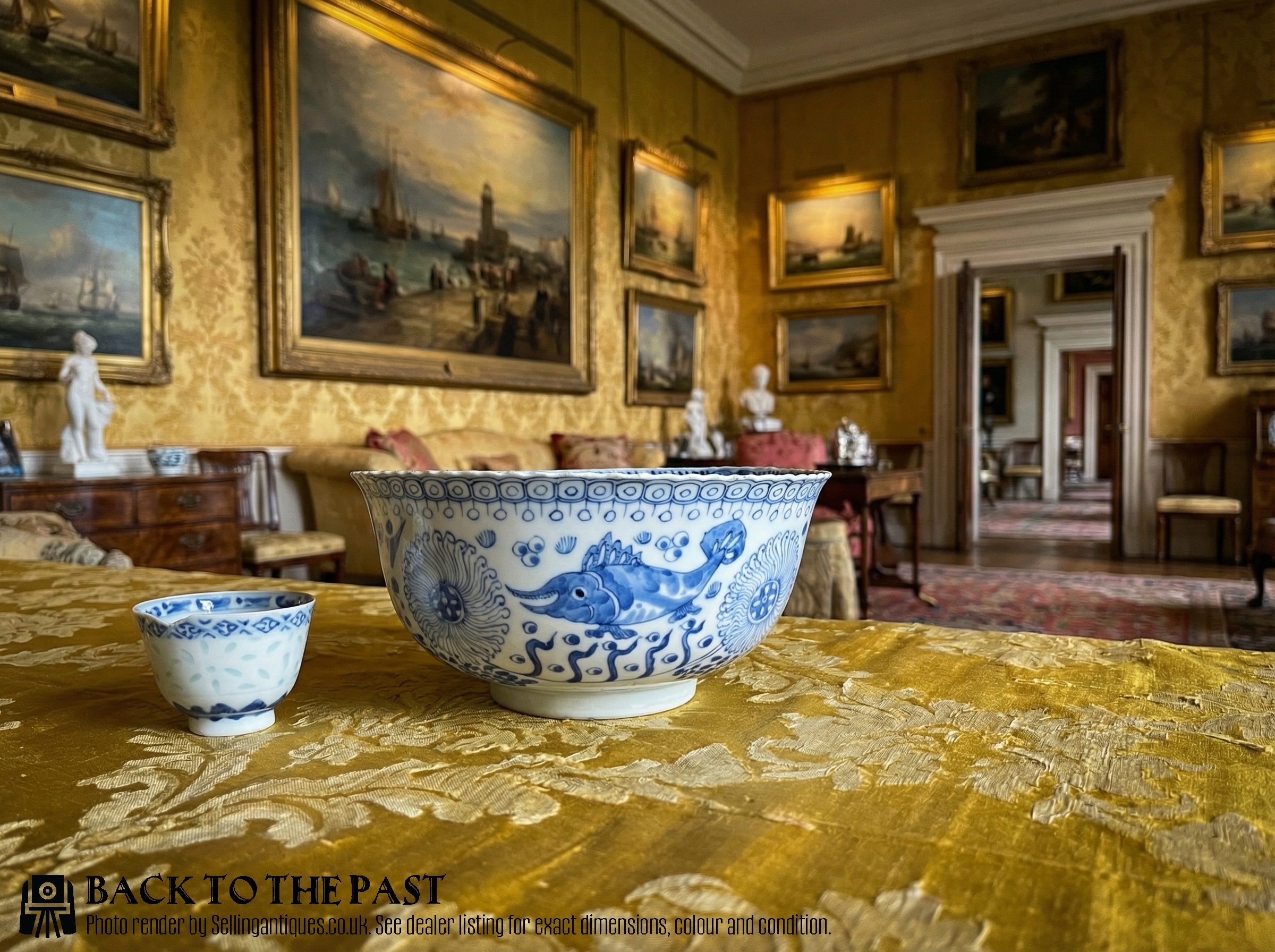
Underglaze Blue Ceramic
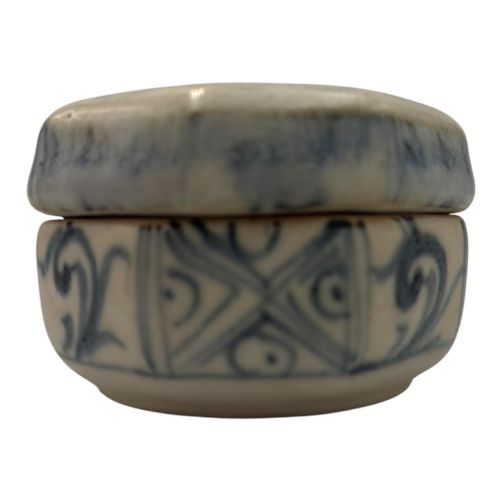
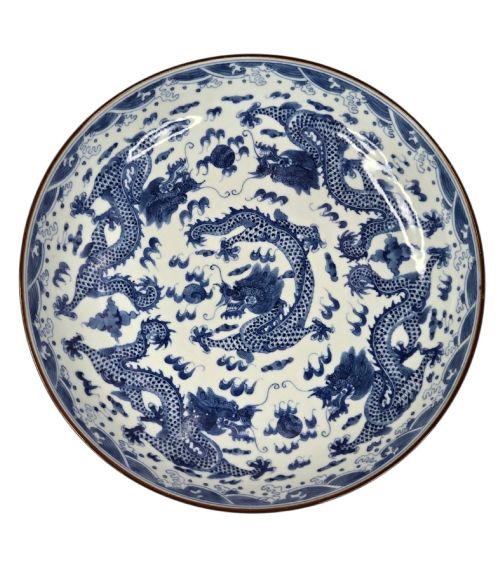
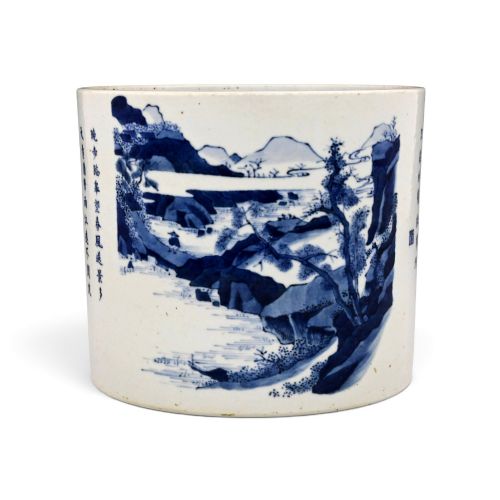
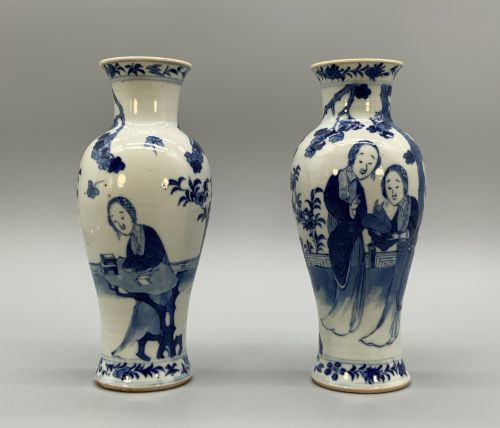
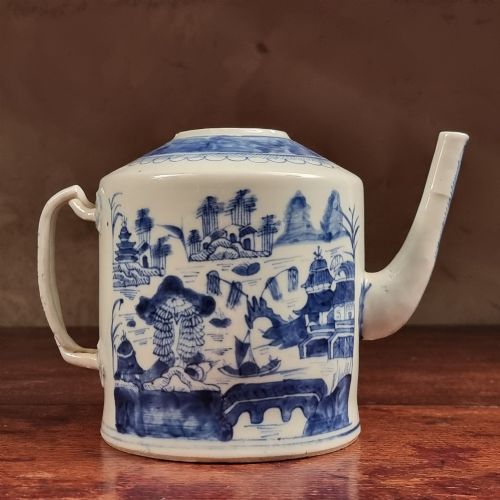
Vases, chargers, bowls and teapots dominate the current offerings, showcasing traditional forms shaped in porcelain, pottery and soft-paste bodies. Pieces range from provincial domestic wares to finely painted scholar's objects.
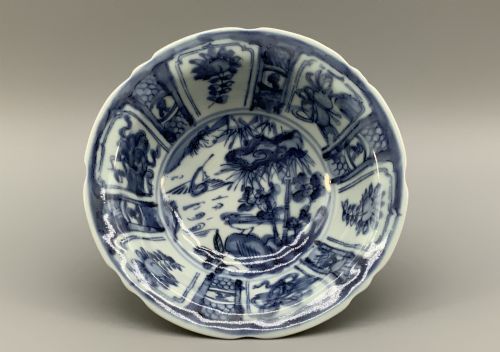
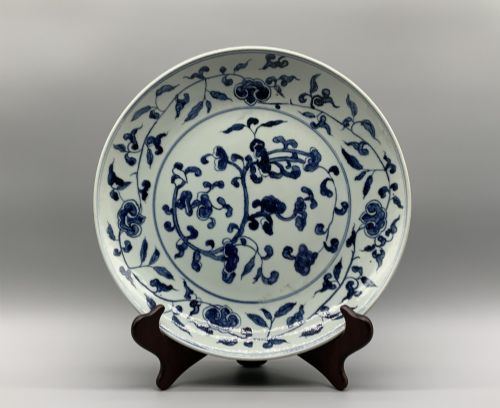
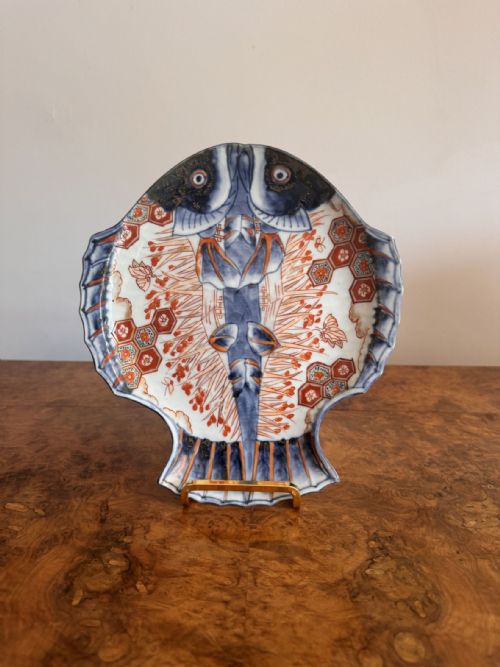
The most common items on this page are Chinese export and Kangxi period porcelains alongside Japanese Imari plates and Georgian English ceramics. These wares demonstrate the widespread global adoption of cobalt pigment decoration beneath a glossy glaze.
How they were made
Potters applied cobalt pigment directly onto the unglazed clay body of the vessel before covering the piece with a clear glaze and firing it at high temperatures. This technique allowed the cobalt to fuse permanently with the glaze during the kiln burn.
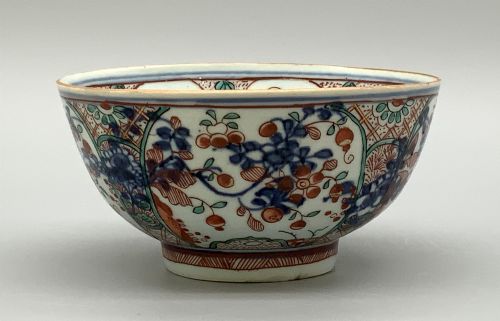
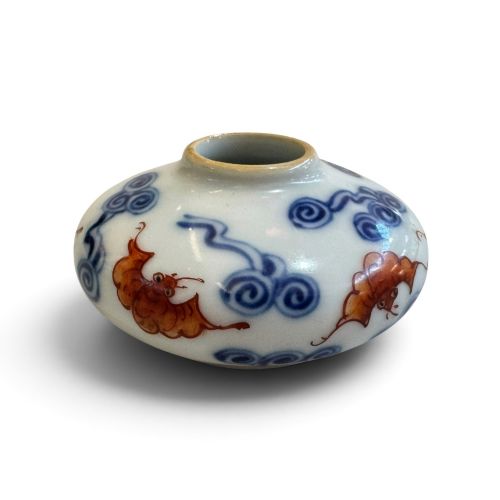
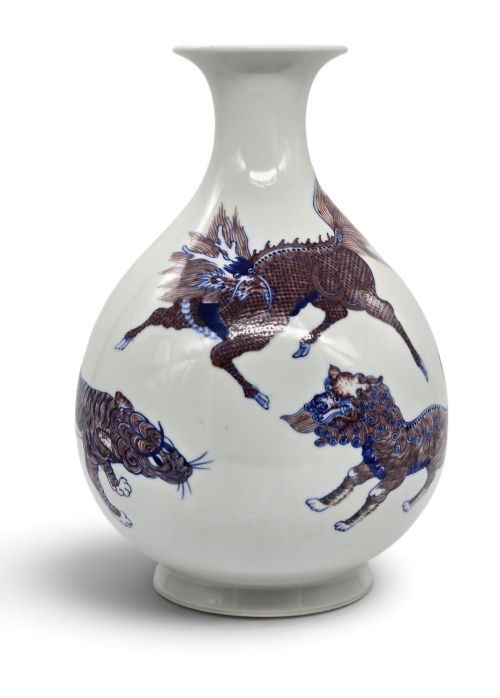
Makers utilised porcelain, soft-paste porcelain and pottery bodies, sometimes incorporating enamel, gold leaf or copper-red alongside the cobalt underglaze. The intense heat required for true underglaze decoration meant only stable pigments survived the process intact.
Current listings span from the sixteenth-century Lê Dynasty through to the Victorian era, uniting Asian porcelain and English pottery.
What varies in quality
The precision and detail of the cobalt painting dictate the visual success of the piece, separating hasty production from masterwork execution. Fine examples display sharp lines and complex motifs such as dragons, bats or figures without blurring in the glaze.
The purity of the clay body and the clarity of the covering glaze also influence the overall standard. Superior items maintain a clean, white ground that enhances the depth and vibrancy of the underlying blue pigment.
Stubbs·Spode·Dr Wall Worcester
The Underglaze Blue Ceramic Glossary
- Underglaze
- A method of decorating pottery or porcelain before applying a transparent glaze and firing the piece in a kiln. This protects the painted design beneath a glassy protective layer.
- Cobalt glaze
- A deep blue colourant derived from cobalt oxide used extensively across Asian and European ceramics for rich pigment painting.
- Imari
- A style of Japanese export porcelain featuring underglaze blue combined with iron red, gold and other enamel colours.
- Soft-paste porcelain
- A ceramic material composed of clay and glass frit fired at lower temperatures than true hard-paste porcelain.
- Charger
- A large ornamental decorative plate intended for display rather than functional dining use.
Underglaze Blue Ceramic: Frequently Asked Questions
How do I care for underglaze blue ceramic?
Wash these pieces gently by hand using mild soap and warm water to protect the historic glaze surfaces. Avoid modern dishwashers and harsh abrasive scourers that can scratch the antique material.
Keep delicate vessels away from direct, harsh sunlight and sudden temperature changes to preserve the integrity of the ceramic body and any secondary enamel details.
How are different periods identified?
Inspect the characteristics of the clay body, the tone of the cobalt blue and the style of the painted motifs. Chinese pieces often carry reign marks or reflect specific dynasty aesthetics such as the Kangxi or Qianlong periods.
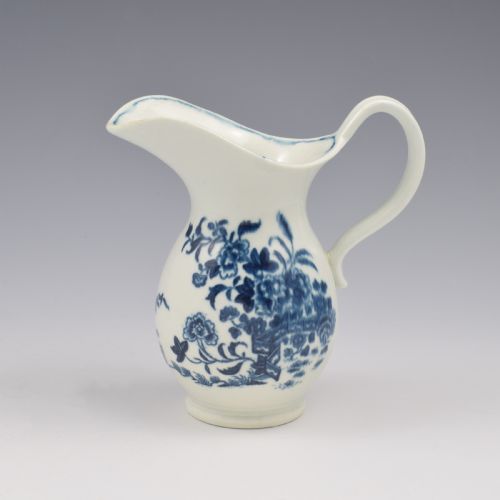
English factories like Worcester display specific paste variations and printed or painted underglaze marks unique to their eighteenth-century production phases.
Were these pieces used daily?
Many items including teapots, jugs and bowls served functional roles in domestic households for dining, tea service and food preparation. Other forms like large chargers and decorative plates were primarily created for display.
Export wares often travelled vast maritime trade routes to adorn European homes as luxury display items rather than working kitchen utensils.
What makes Imari pieces distinct?
Japanese Imari ceramics combine deep underglaze cobalt blue with contrasting iron red and gold enamel highlights over the fired glaze. This vibrant palette creates a rich, decorative surface that proved immensely popular in European export markets.
The style originated in Arita and was shipped through the port of Imari, giving the distinctive wares their enduring collector name.