


Tribal Wool Flatweave
Tribal wool flatweave textiles are nomadic woven rugs, bags and covers valued for their bold patterns and rich cultural history.
Tribal Wool Flatweave
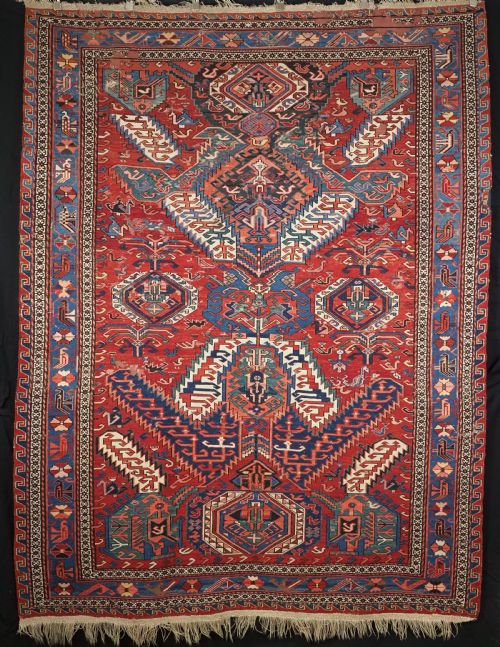
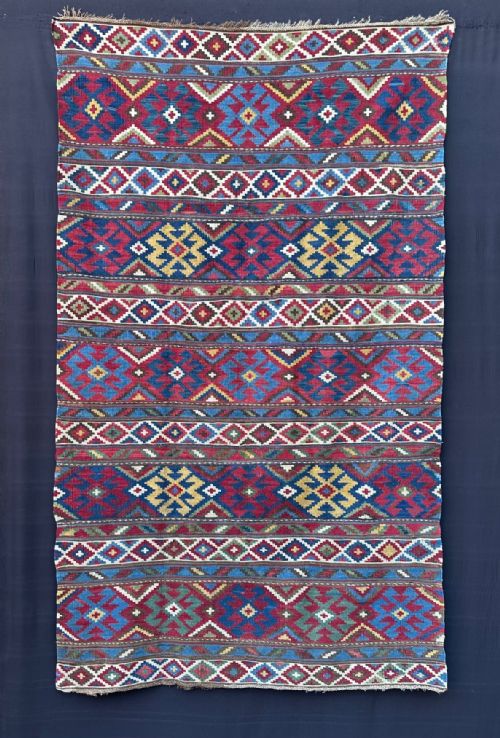
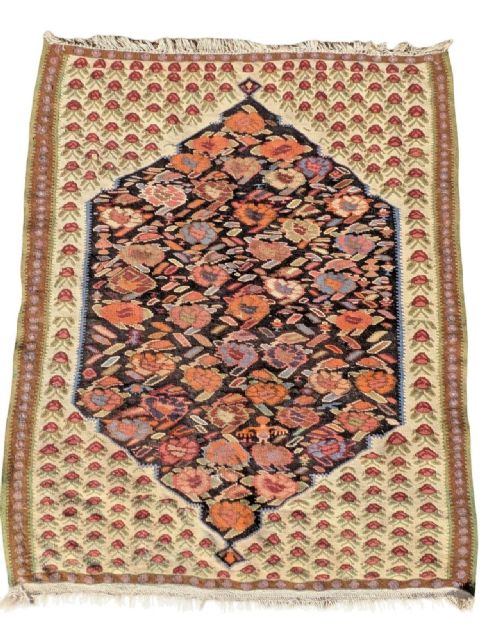
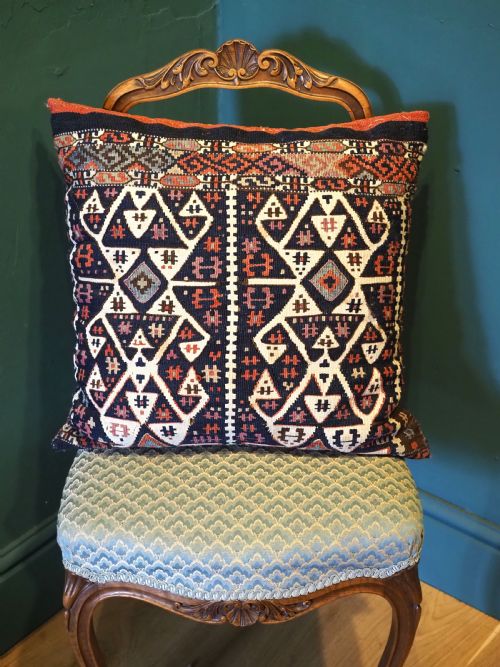
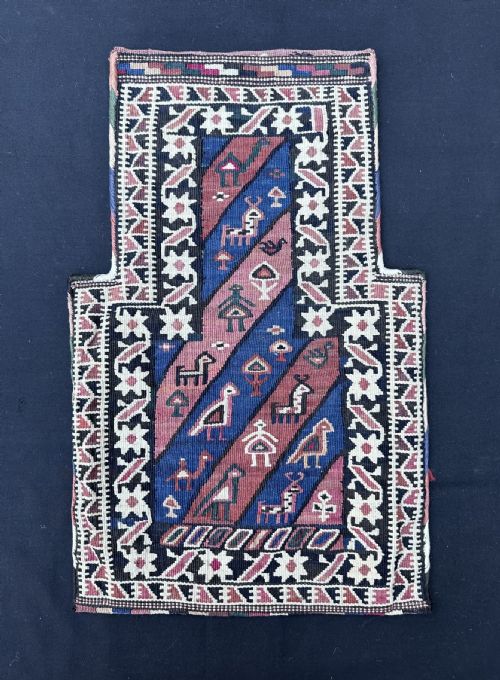
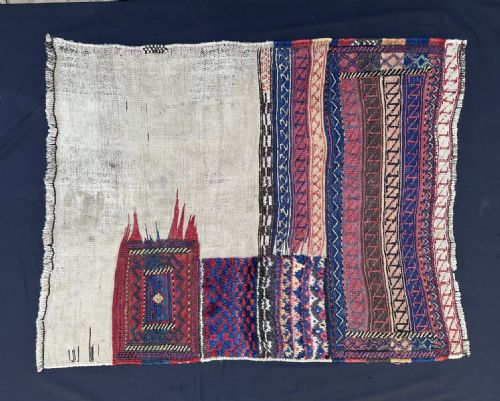
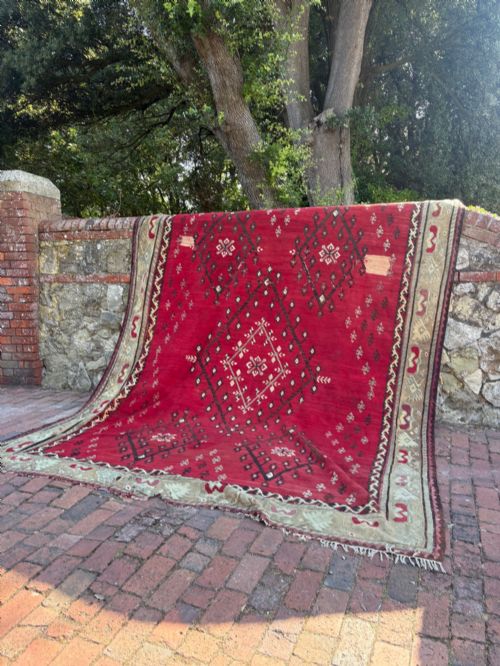
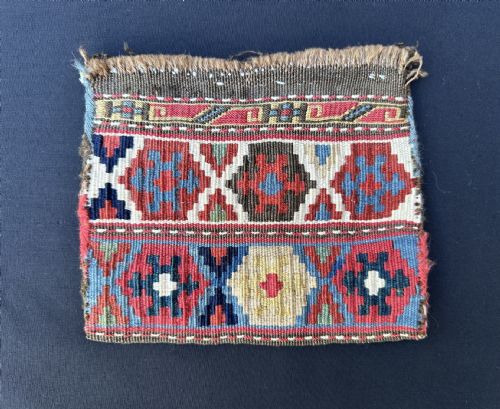
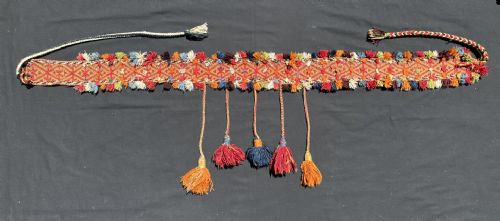
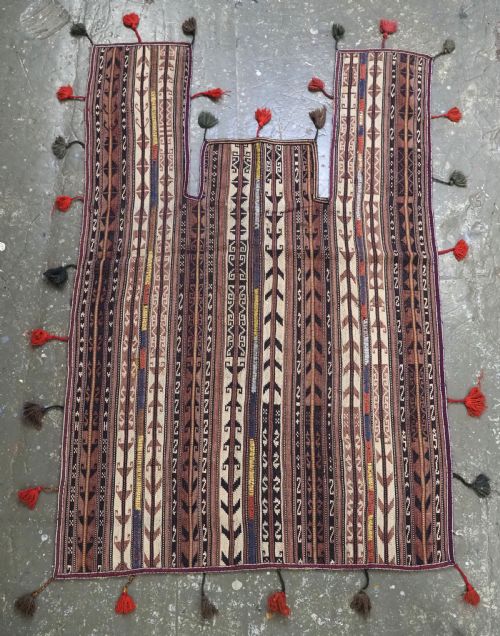
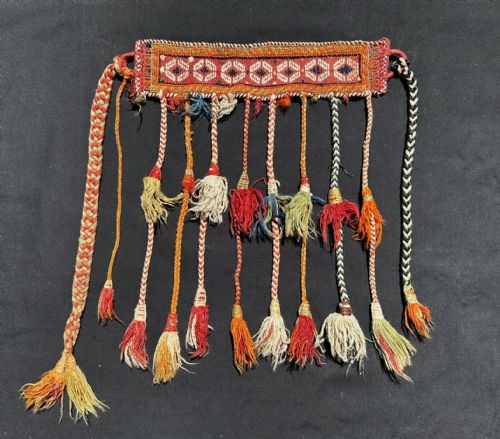
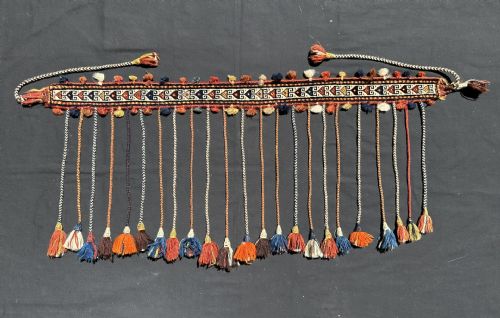
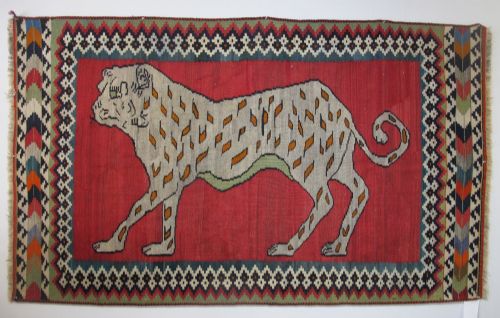
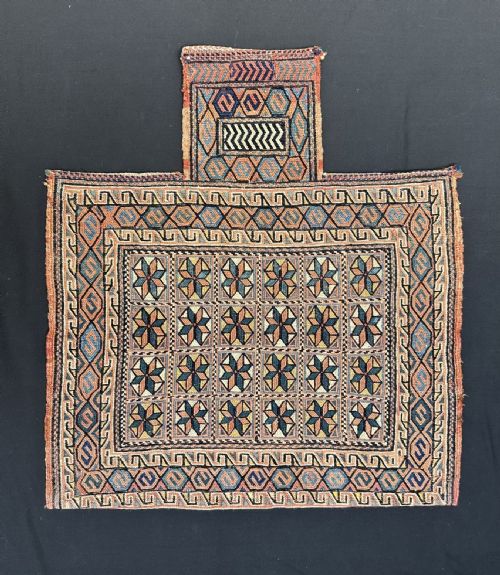
Tribal wool flatweave pieces comprise a diverse array of nomadic rugs, horse blankets, animal trappings and functional bags created by tribal groups across Persia, the Caucasus, Anatolia, and Central Asia. When exploring tribal wool flatweave options, buyers frequently encounter regional forms such as salt-bags, bread sofreh cloths, and horse decorations dating from the late nineteenth and early twentieth centuries.
The aesthetic of a tribal wool flatweave is defined by geometric motifs, animal depictions, and traditional symbols passed down through generations of nomadic weavers. These items served practical daily purposes within tribal camps before finding a place in domestic interiors as distinctive floor coverings and wall hangings.
Evaluating quality and execution
Quality in a tribal wool flatweave rests upon the tightness of the weave, the clarity of the geometric design, and the integrity of the natural dyes. Tighter handling and precise structural symmetry indicate higher skill among the nomadic makers.
The condition of the wool, the retention of original borders, and the depth of colour variation distinguish exceptional tribal weaving from standard utilitarian examples.
Regional attributions include Qashqai, Afshar, Shahsevan, Yomut Turkmen, and Baluch tribal workshops.
The Tribal Wool Flatweave Glossary
- Kilim
- A pileless flatwoven rug or carpet produced across Anatolia, the Caucasus, and Persia. These textiles use interlocking weft techniques to create sharp geometric patterns.
- Sofreh
- A spread or cloth used for dining or bread preparation among nomadic tribes. They often feature minimalist field designs suited for domestic meals.
- Chuval
- A large storage bag made by Turkmen tribes. These pieces display intricate gul motifs and banded flatweave structures.
- Sumak
- A wrapping technique that produces a textured surface resembling embroidery on the reverse side. It adds structural weight to Caucasian and Persian flatweaves.
- Chanteh
- A small vanity bag or personal pouch woven by nomadic women. They frequently feature detailed geometric arrangements in wool.
Tribal Wool Flatweave: Frequently Asked Questions
How were tribal flatweaves used?
Nomadic groups utilised these flatweaves for multiple daily functions, including packing storage bags, serving communal meals on sofreh cloths, and blanketing horses.
They also functioned as doorway curtains, floor coverings, and saddle attachments within tribal camps and seasonal migrations.
Where do these flatweaves originate?
The pieces originate from diverse tribal confederations and regions spanning Persia, the Caucasus, Anatolia, and Central Asia.
Specific groups such as the Qashqai, Afshar, Shahsevan, and Yomut Turkmen each developed distinct weaving styles and regional palettes.
How do I care for wool flatweaves?
Gentle vacuuming without a rotating brush helps remove dust while protecting the flat structure of the textile.
Professional specialist cleaning is recommended for heavier maintenance to preserve the natural wool fibres and dyes.
How are different tribal styles identified?
Identification relies on observing specific structural traits, regional border motifs, and the characteristic colour combinations of individual tribes.
Familiarity with forms like Afshar sofrehs or Shahsevan salt-bags aids in distinguishing one nomadic tradition from another.