
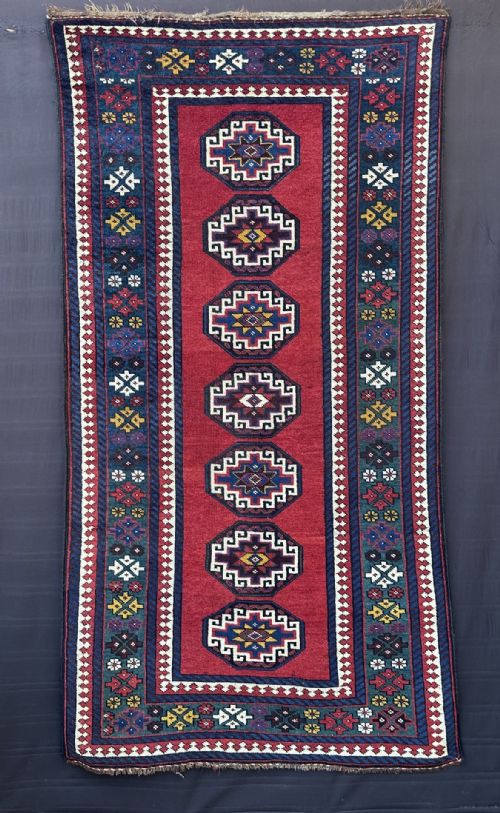
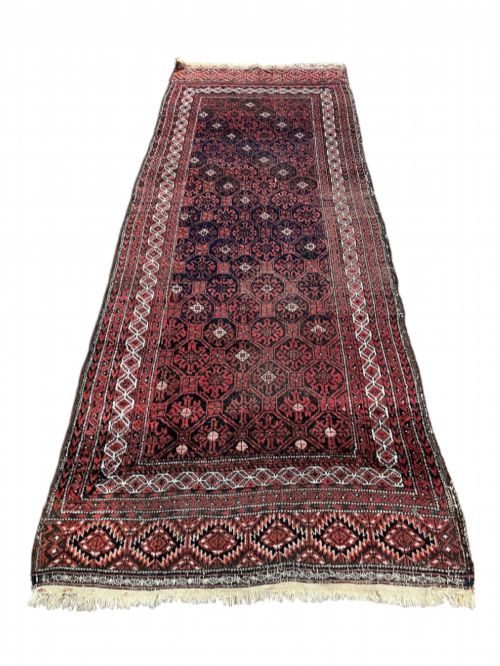

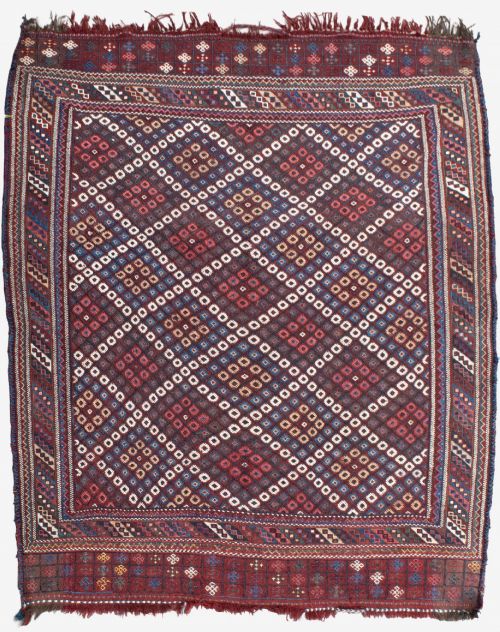
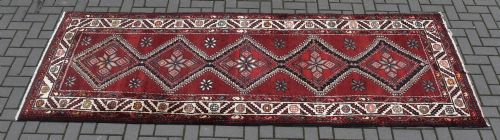

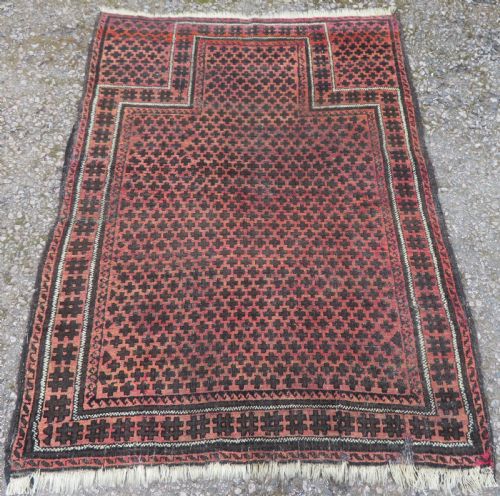


Dark Red Persian Rug
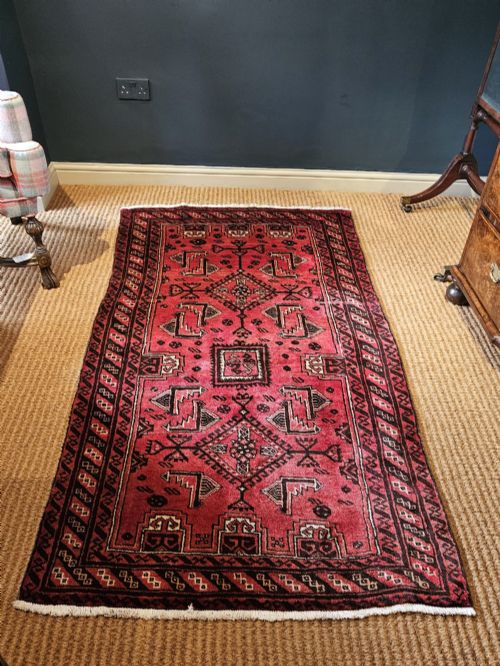
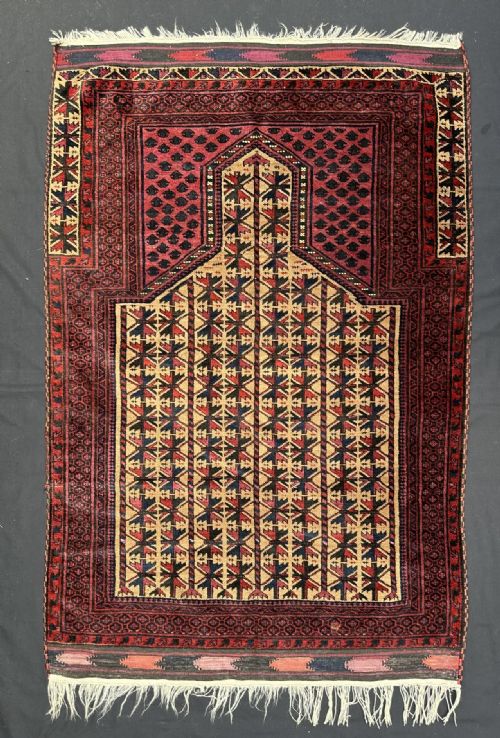
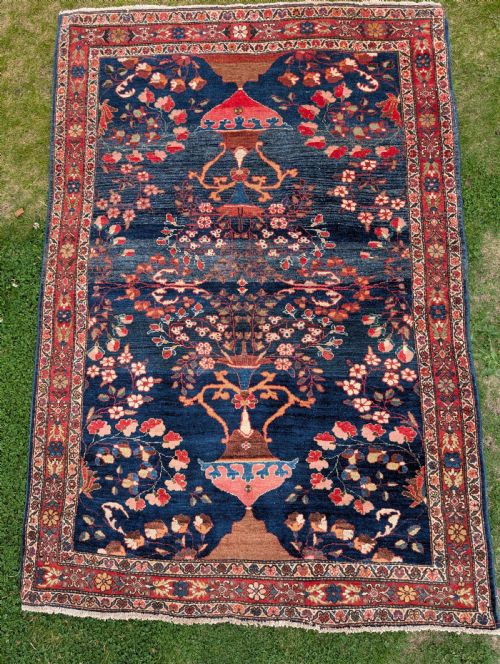
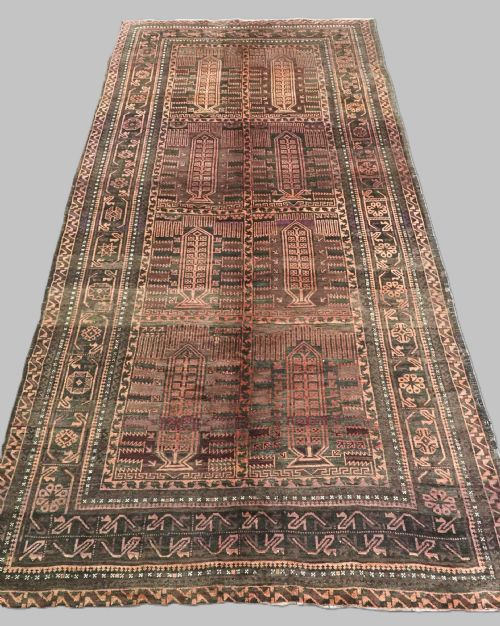
A dark red persian rug brings deep madder tones and nomadic geometry into a room.
Dark Red Persian Rug
Formats range from small prayer rugs and vanity bags to long runners and main carpets. These textiles reflect nomadic and regional weaving traditions spanning the 1870s through the 1930s.
How They Were Made
Weavers utilised hand-spun wool and pure wool foundations, occasionally incorporating goat hair for durability in tribal pieces. Natural dyes provided the characteristic deep red and madder palettes seen across these carpets.
The construction relies on traditional handwoven techniques, producing resilient pile rugs as well as flatwoven sofreh and saddle-bag faces.
Dark Red Persian Rug Retail Price Guide 2026
Typical asking prices for dark red persian rug among the pieces listed under this phrase on Sellingantiques today, from the lower quarter to the upper quarter. They describe what is for sale here now, not the wider market.
Nomadic weavers occasionally included deliberate imperfections in their rugs to ward off the evil eye and honour the divine creator.
What Varies in Quality
Quality rests upon the fineness of the wool preparation and the consistency of the hand-spun yarn. Tighter knot density and precise execution of traditional motifs such as the pencil box or Mina Khani design elevate a piece.
The depth and vibrancy of the natural dyes, particularly the rich red tones, dictate the visual strength and balance of the weave.
The Dark Red Persian Rug Glossary
- Sofreh
- A flatwoven spread or cloth utilised for dining or kneading bread within nomadic households. These textiles display bold geometric fields.
- Kelleh
- A long, rectangular format of Persian carpet, typically narrower than a standard room-size main carpet. They suit hallways and narrow spaces.
- Madder
- A natural red dye derived from the root of the Rubia plant, yielding the deep crimson and terracotta shades found in tribal rugs.
- Prayer Rug
- A small format featuring a mihrab or arch design at one end, traditionally laid down for daily prayers. These pieces often display concentrated tribal iconography.
Dark Red Persian Rug: Frequently Asked Questions
How do I care for an old rug?
Vacuum gently without a rotating brush roll to protect the wool pile and foundation threads. Keep the textile out of direct sunlight to prevent natural dyes from fading over time.
Rotate the piece periodically to ensure even wear across high-traffic areas. Professional cleaning should only be undertaken by specialists experienced in antique vegetable-dyed wool.
What is a tribal rug?
A tribal rug is a textile woven by nomadic or semi-nomadic groups rather than urban manufactories. The designs rely on memory, tribal lore, and geometric abstraction rather than formal cartographic blueprints.
These pieces frequently incorporate symbols representing camels, trees of life, and tribal affiliations. The wool is typically hand-spun and dyed using local plant and mineral materials.
How do I date a woven rug?
Dating relies on assessing the material composition, dye types, structural wear, and stylistic consistency with known nineteenth and early twentieth-century examples. Hand-spun wool and early natural dye palettes generally indicate production prior to the widespread introduction of synthetic colours.
Structural traits such as selvage finish, knot count, and fringe integration also provide clues to age. Comparisons with documented tribal pieces help narrow the period of origin.