

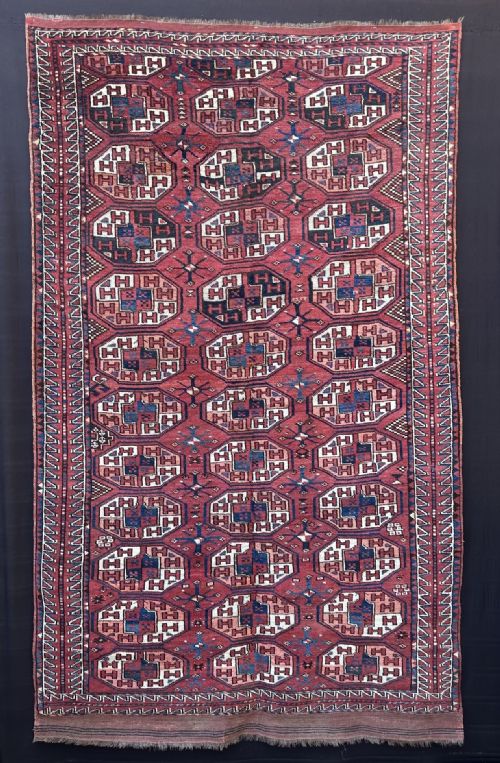



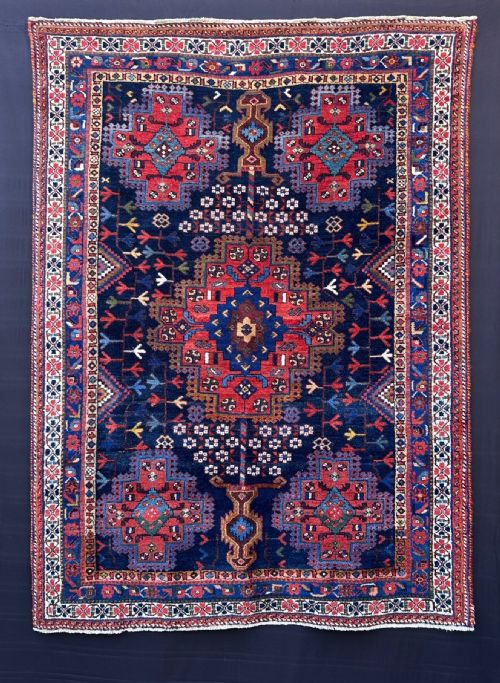
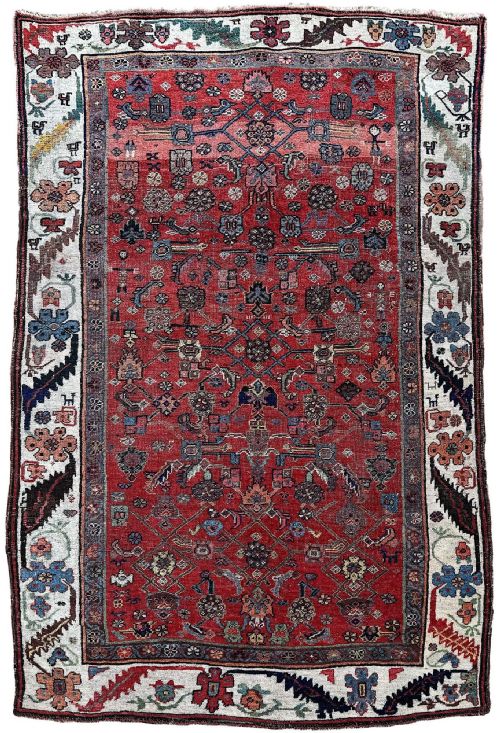
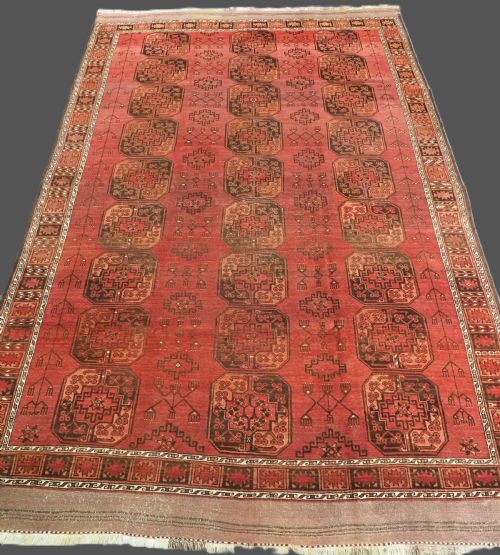
Antique Tribal Floor Rug
An antique tribal floor rug brings dense geometric wool weaving and rich regional character directly onto domestic floorboards.
Antique Tribal Floor Rug
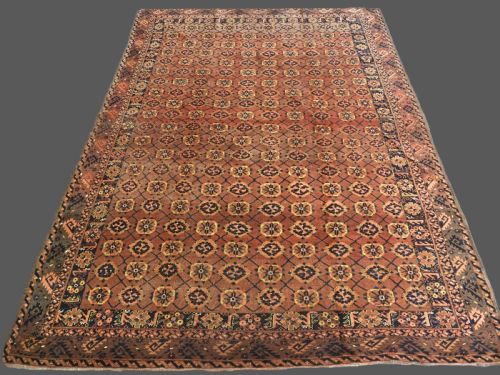
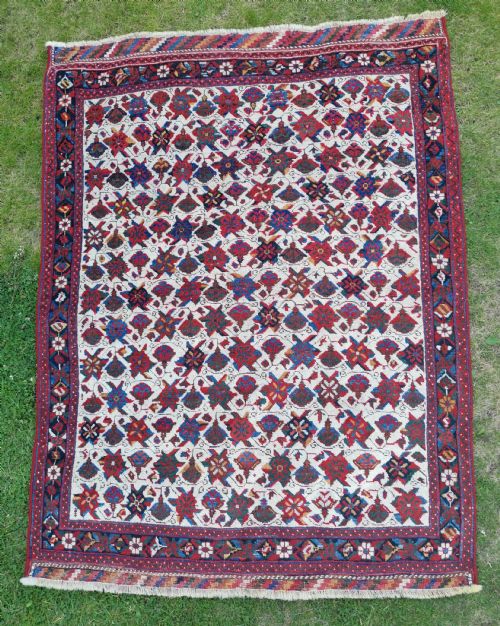
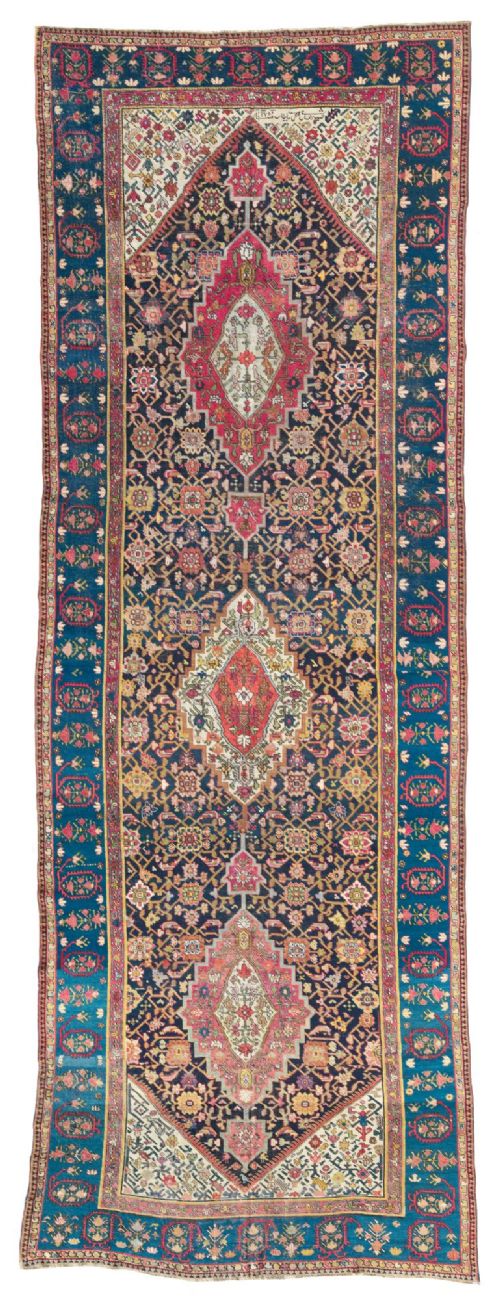
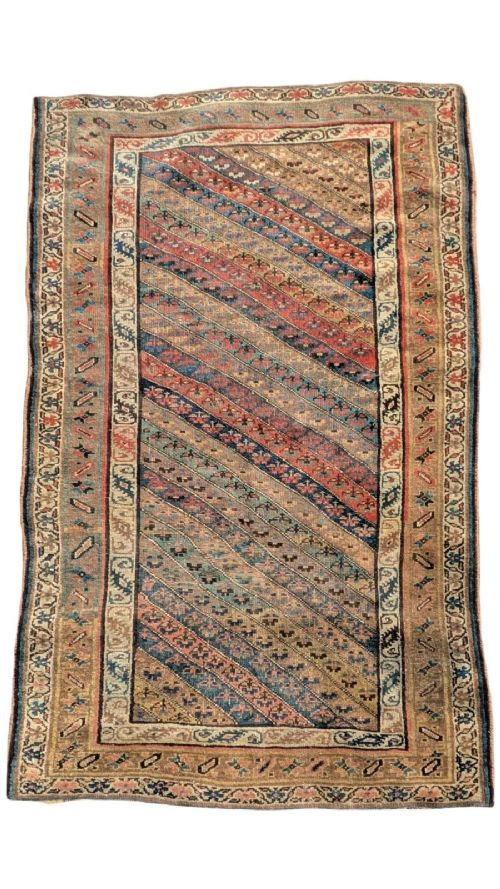
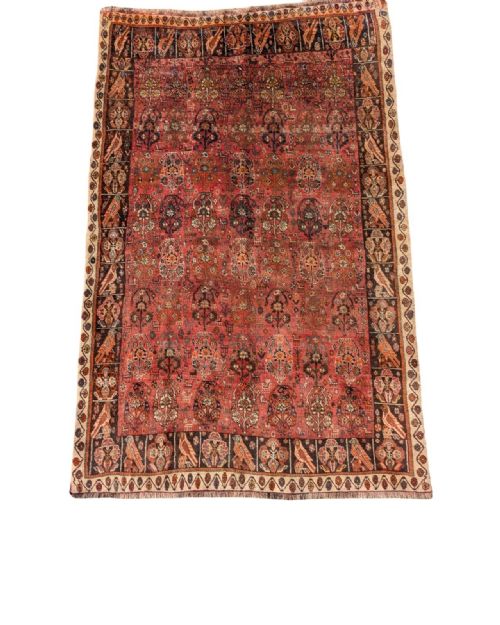
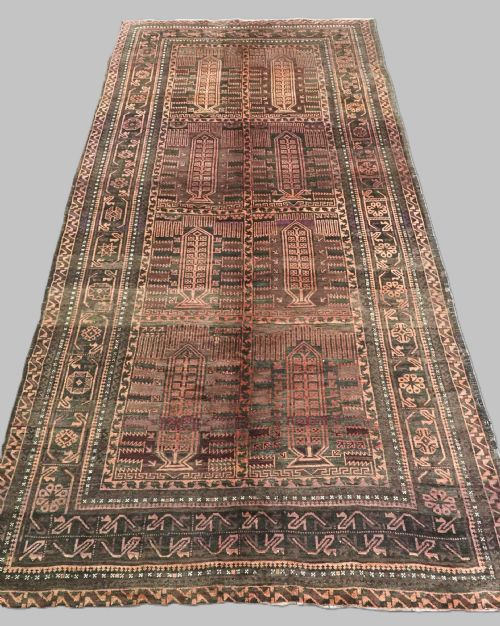
An antique tribal floor rug encompasses hand-knotted wool textiles originating from nomadic and village workshops across Persia, the Caucasus, Turkey, and Central Asia. These pieces range from compact hearth-sized rugs to generous room-sized carpets and long hallway runners.
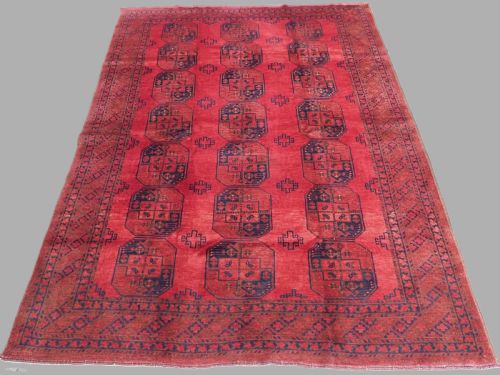
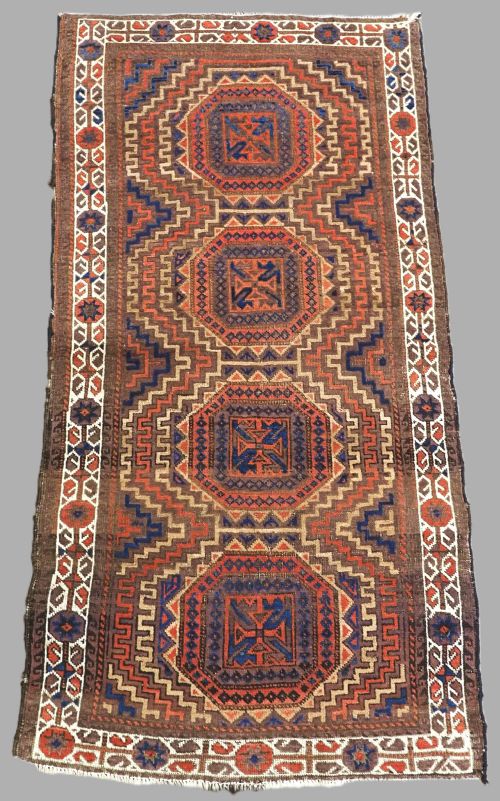
Makers include distinct tribal groups such as the Afshar, Bakhtiar, Kurdish, Khamseh, and various Turkmen and Caucasian communities. They produced functional floor coverings defined by geometric motifs, medallions, and repeat patterns tied to specific regional heritages.
Materials and construction
These floor textiles rely primarily on durable wool for the pile and foundation, frequently supported by cotton warps and wefts. Natural dyes provide the enduring palette, yielding deep reds, blues, and warm earth tones that mellow gradually over decades of wear.
Weavers knotted the wool by hand on upright looms using traditional local designs passed through generations. The density of the knotting and the quality of the wool determine the weight and handle of each individual carpet.
Current listings feature pieces dated across the nineteenth and twentieth centuries, utilising wool and natural dyes within traditional Persian, Caucasian, and Turkmen styles.
Evaluating the standard
Quality rests in the integrity of the wool, the precision and complexity of the tribal motifs, and the vibrancy of the natural dye palette. Strong, saturated colour combined with tightly packed knots distinguishes superior village and nomadic work from simpler commercial output.
Condition plays a role in how a piece presents on the floor, where even pile wear or historic edge repairs speak to genuine age and domestic use. The harmony of the design layout and the balance of secondary borders reveal the weaver's skill.
Kizyl Ayak Tribe·Ersari Turkmen·Teke Tribes·Bakhtiar
The Antique Tribal Floor Rug Glossary
- Gul
- A repeating octagonal or geometric medallion motif frequently found in Turkmen and Baluch tribal carpets. It often denotes specific clan or tribal identity.
- Kelleh
- A distinctive long format carpet proportion traditionally used in Persian domestic interiors. These formats function well in narrow spaces or alongside furniture arrangements.
- Warp
- The stationary vertical threads stretched across the loom upon which the rug is knotted. Cotton and wool are common warp materials in these pieces.
- Weft
- The horizontal threads passed through the warps after each row of knots to secure the pile. They bind the structure together firmly from edge to edge.
Antique Tribal Floor Rug: Frequently Asked Questions
How do I clean an antique rug?
Gentle surface vacuuming without a beater bar removes trapped dust and grit from the wool pile safely. Professional specialist washing remains necessary for deep cleaning to protect the natural dyes.
Avoid chemical spot treatments or soaking the foundation at home. Proper maintenance preserves the structural integrity of the wool and cotton fibres.
Can I put these rugs in hallways?
Long runner formats and narrow village carpets suit high-traffic corridors and entranceways effectively. Wool naturally resists dirt and withstands regular footsteps when placed correctly.
Using a quality underlay prevents slipping and cushions the foundation against hard flooring surfaces. This simple step extends the active lifespan of older textiles.
How do I date an older rug?
Stylistic markers, structural materials, and dye types offer clear clues to the decade of production. Traditional village pieces from the late nineteenth and early twentieth centuries display distinct regional colour palettes.
Hand-spun wool irregularities and natural dye variations point toward older manufacture before synthetic colorants became widespread. Comparing knot structures helps confirm the likely period.
Do these rugs suit modern interiors?
The geometric designs and earthy tones complement contemporary minimalist and traditional room schemes alike. Bold tribal medallions create a strong visual anchor on wooden or stone floors.
Placing a nomadic carpet in a modern space adds texture, warmth, and historic depth. The varied palette ties different room elements together harmoniously.