



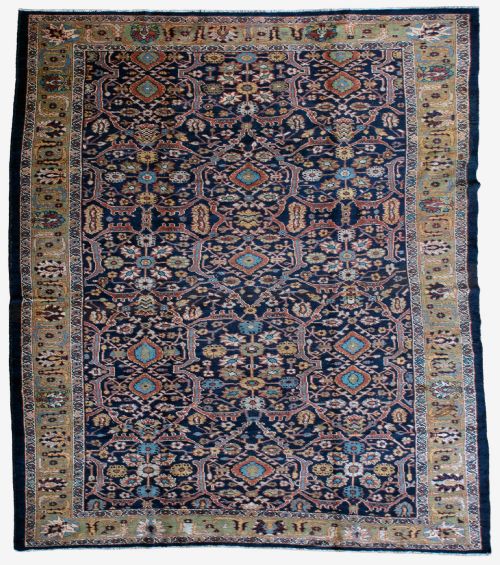
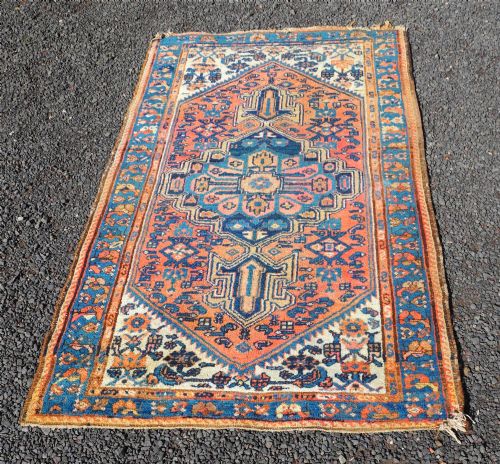
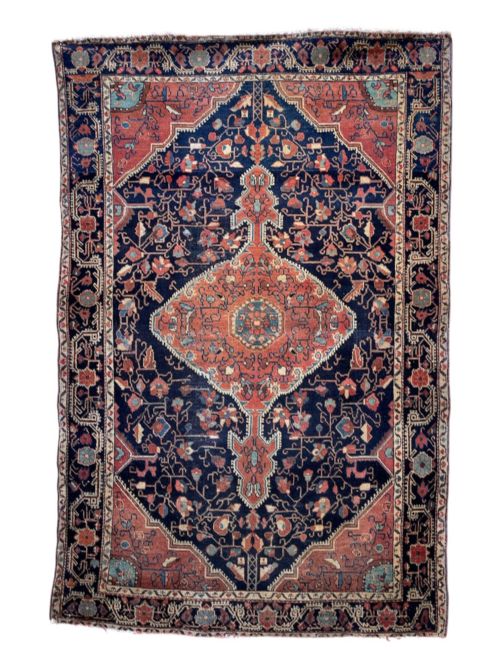
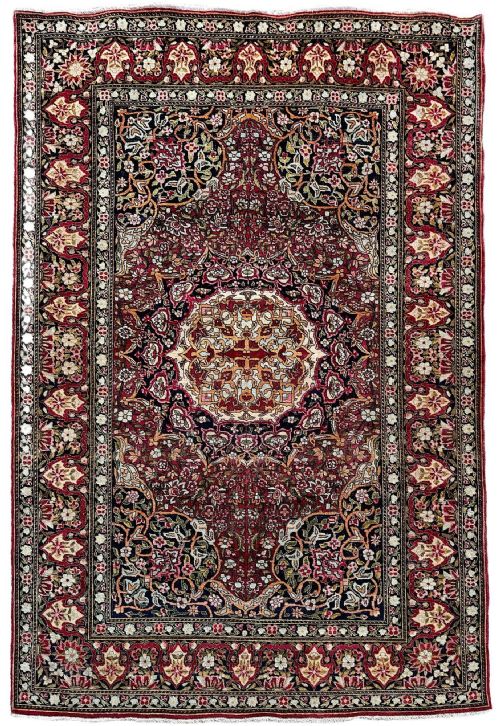
Hand Woven Oriental Carpet
These hand woven oriental carpet pieces bring centuries of knotting skill into modern interiors.
Hand Woven Oriental Carpet
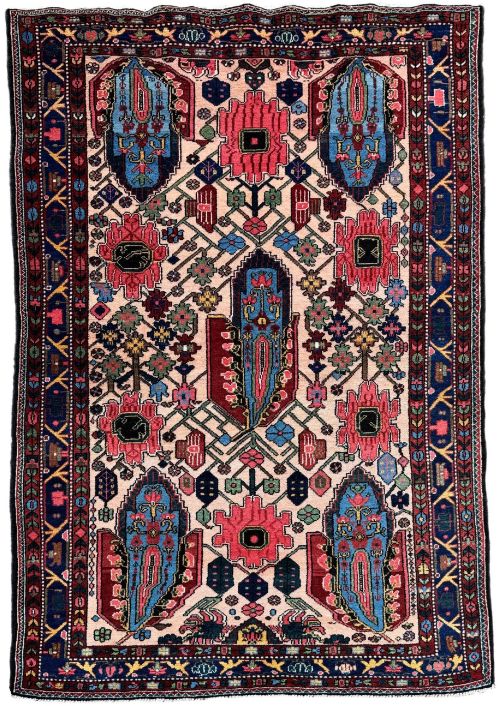
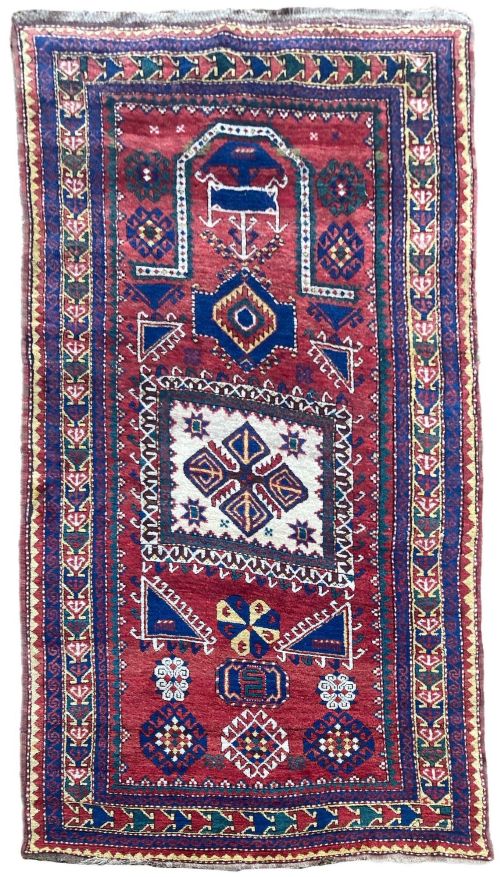
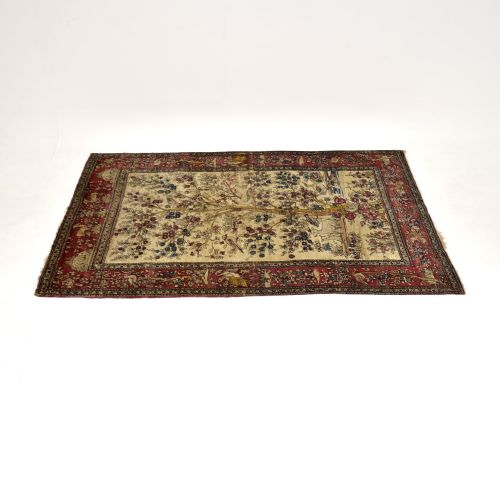
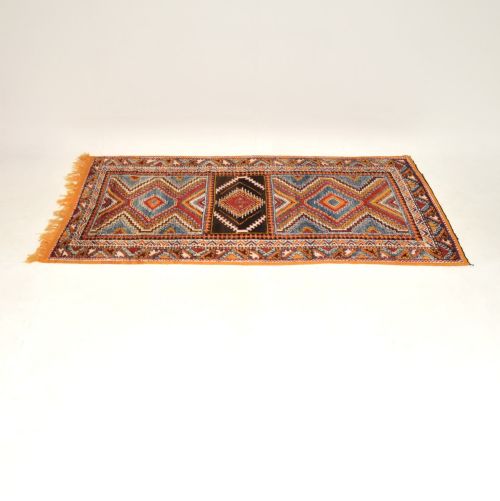
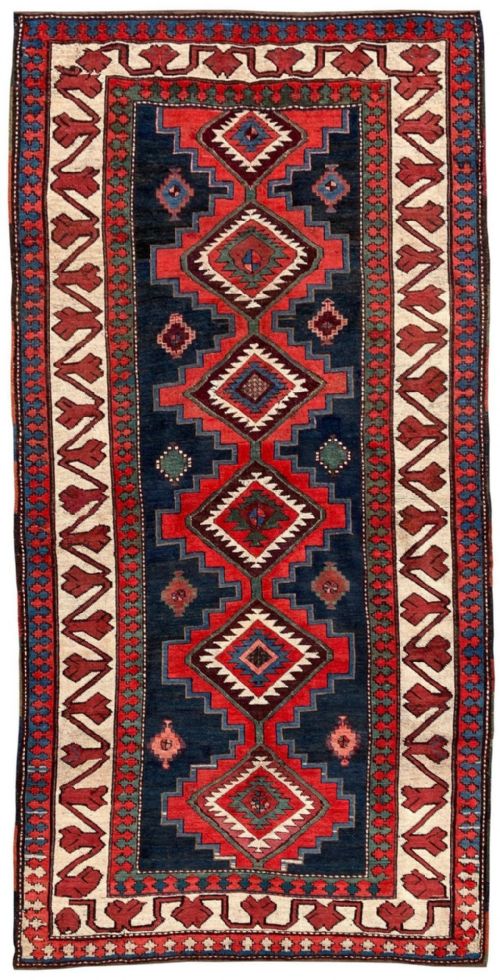
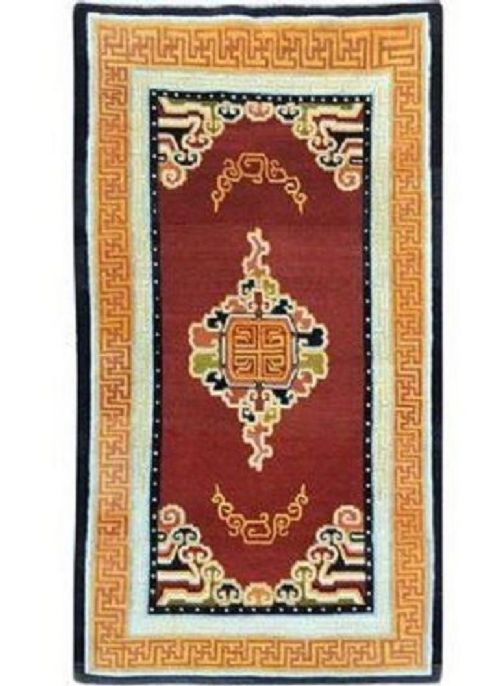
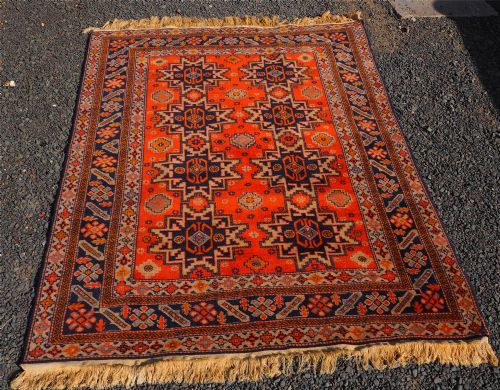
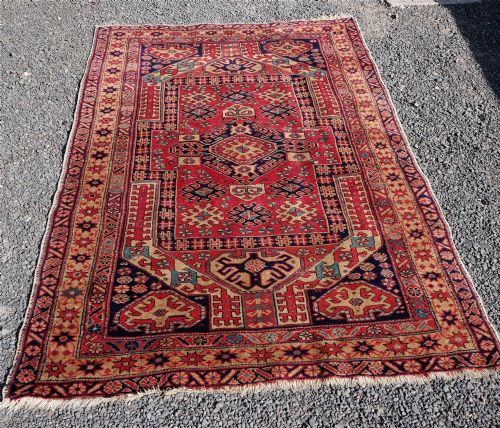
When you search for a hand woven oriental carpet, you encounter rugs and area rugs originating from Persia, Afghanistan, and the Caucasus. These floor coverings span the late nineteenth century through the early twentieth century, taking in village and tribal output from regions such as Kerman, Hamadan, Bidjar, and Sarough. You are most likely to meet room-sized and area formats woven by traditional hands using durable regional wool.
The aesthetic divides between geometric tribal layouts and curvilinear traditional designs. Pieces from South Persia display village character, whilst Afghan and Caucasian examples present robust regional motifs. Each rug represents a distinct weaving tradition passed down through generations of makers.
How they were made
Makers constructed these textiles using wool for the pile and foundation yarns, frequently paired with cotton for structural warp and weft threads. Hand knotting secured the pile to the foundation, creating a dense and resilient textile designed to withstand decades of daily use.
Weavers utilised natural dyestuffs to achieve rich colour palettes, developing deep tones that soften gracefully over time. The edges were typically overcast by hand to protect the structure from fraying.
Hand Woven Oriental Carpet Retail Price Guide 2026
Typical asking prices for hand woven oriental carpet among the pieces listed under this phrase on Sellingantiques today, from the lower quarter to the upper quarter. They describe what is for sale here now, not the wider market.
The recorded pieces span production dates from 1870 through the 1930s, constructed in wool and cotton across Persian and Afghan regions.
What varies in quality
Quality rests in the density of the knotting and the precision of the design execution. Tighter knots allow for sharper pattern definition and greater structural longevity under foot traffic.
The integrity of the wool and the depth of the dye work dictate the visual richness of the surface. Finer examples display balanced proportions and harmonious colour saturation across the entire field.
The Hand Woven Oriental Carpet Glossary
- Pile
- The vertical or diagonal loops of yarn that form the usable surface of the rug. This wool layer absorbs wear and displays the woven design.
- Warp
- The stationary longitudinal threads stretched on the loom before weaving begins. These parallel strands provide the foundational structure of the carpet.
- Weft
- The horizontal threads passed through the warp yarns to lock the knots in place. Together with the warp, they form the sturdy grid of the foundation.
- Knot
- The individual unit of yarn tied around the warp threads to create the pile. Different regions employ distinct knotting techniques.
- Field
- The central background area of the rug enclosed by the border. This space typically contains the primary medallions or repeating motifs.
Hand Woven Oriental Carpet: Frequently Asked Questions
Where were these rugs made?
These textiles originate from weaving centres across Persia, Afghanistan, and the Caucasus. Specific pieces link to regions such as Kerman, Hamadan, Bidjar, and Sarough.
Production occurred primarily within village and tribal communities where traditional knotting techniques remained central to daily life.
What materials make up the pile?
The pile consists predominantly of sheep wool, chosen for its natural resilience and capacity to hold rich dye colours. Foundation threads frequently incorporate cotton for added stability.
This combination of materials ensures the textile maintains its structural integrity over generations of use.
How do I care for an old rug?
Protect the textile by vacuuming gently without a rotating brush bar to avoid pulling the wool pile. Professional cleaning suited to antique wool ensures the fibres remain soft and secure.
Using a quality underlay prevents slipping and reduces friction between the rug and the floorboards.
How can I tell a tribal rug from a traditional one?
Tribal rugs typically feature geometric motifs, bold diagonals, and spontaneous designs created from memory by village weavers. Traditional city and workshop carpets often display refined curvilinear medallions and complex floral arrangements.
Examining the regularity of the knotting and the complexity of the border helps clarify the origin.