




Indigo Persian Carpet
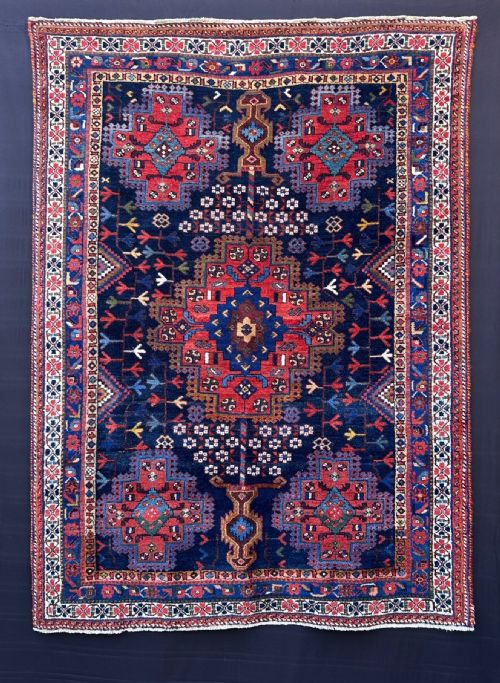
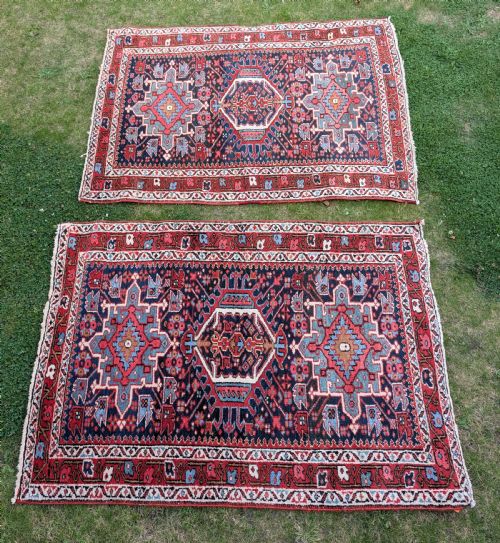
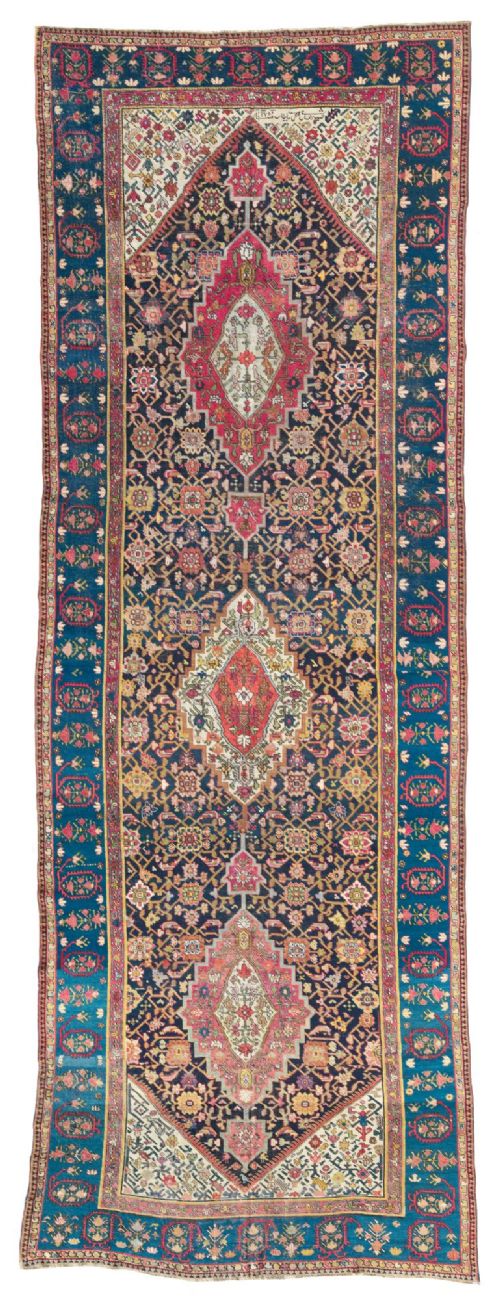
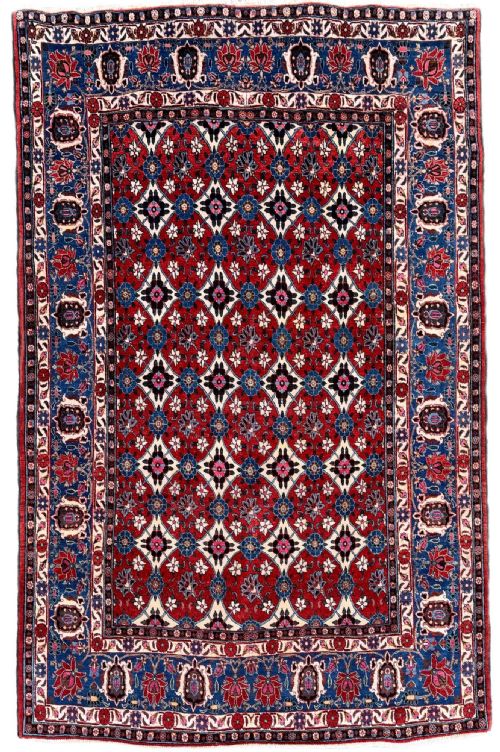
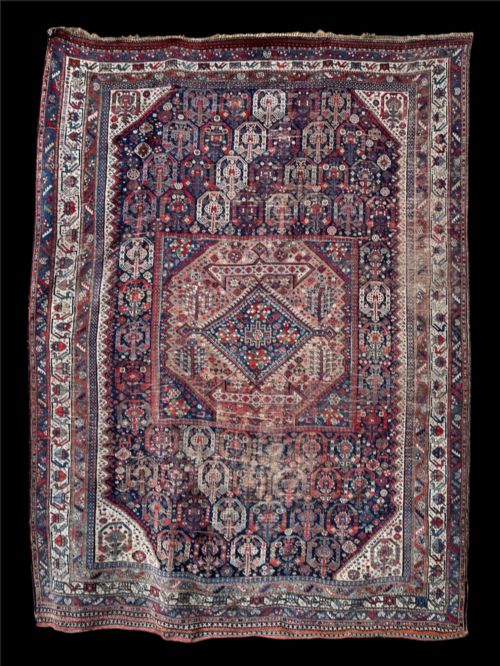
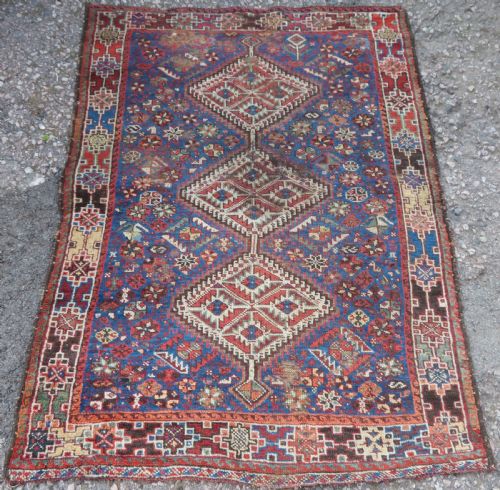
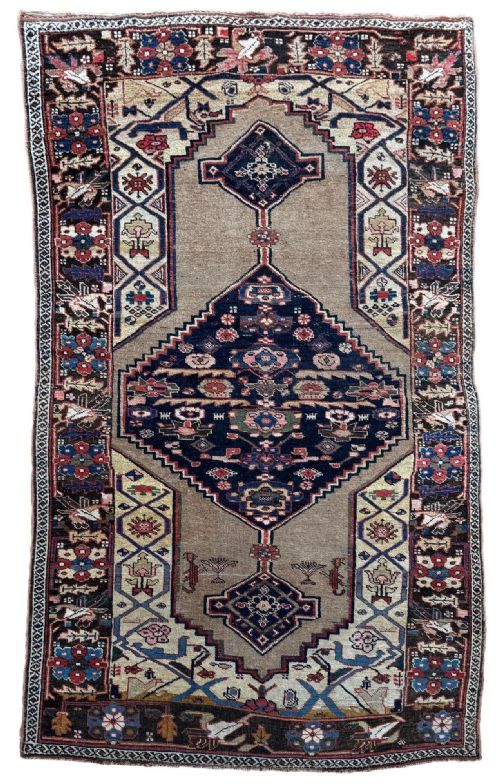
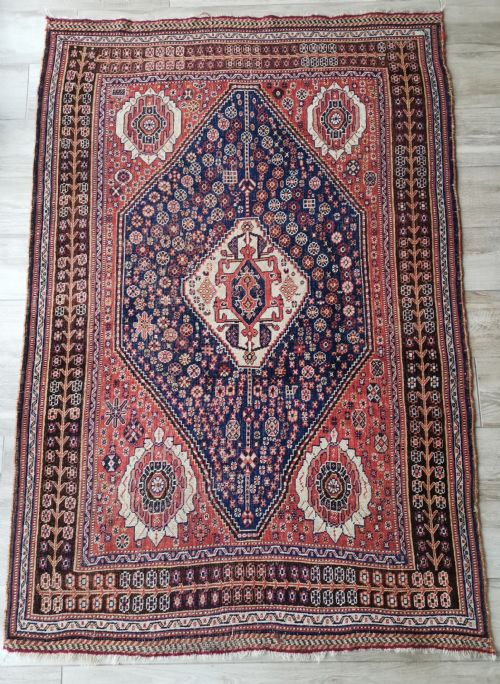
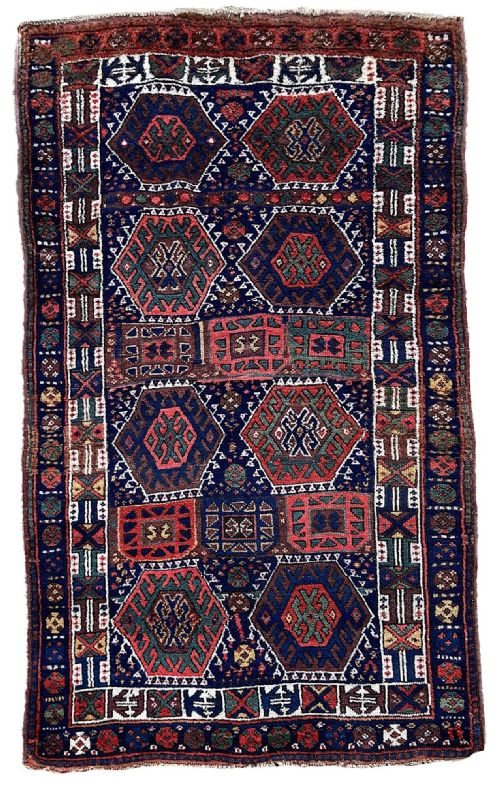
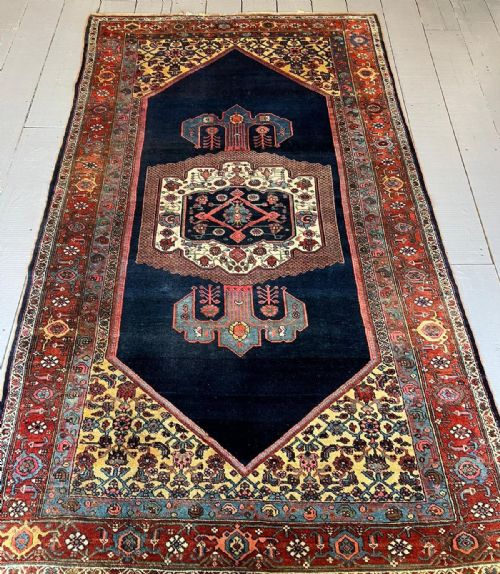
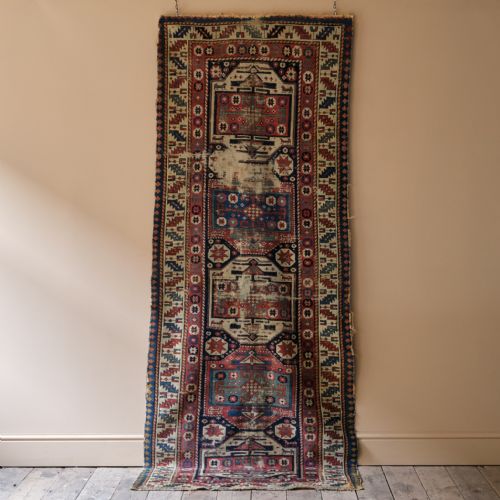
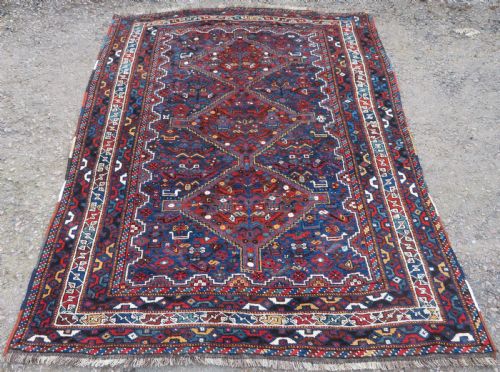
When you seek an indigo persian carpet, you are looking at hand-woven tribal and village floor coverings dominated by deep blue tones.
Indigo Persian Carpet
An indigo persian carpet encompasses traditional floor coverings produced across various regions and by numerous tribal confederacies, including Kurdish, Baluch, Afshar, and Qashqai weavers. These textiles range from smaller area rugs and prayer formats to large main carpets and long hallway runners.
The pieces available on this page date primarily from the nineteenth century through the early decades of the twentieth century. They represent the weaving traditions of distinct villages and nomadic groups, showcasing characteristic tribal designs and village patterns.
How they were made
Weavers constructed these carpets using hand-spun wool and cotton foundations, occasionally incorporating goat hair for added durability in the selvedges or structural elements. The yarns were dyed using natural materials to achieve deep indigo and secondary hues that develop rich patinas over time.
The construction relies on traditional hand-knotting techniques executed on vertical or horizontal looms, resulting in dense, durable structures capable of withstanding generations of daily use.
Indigo Persian Carpet Retail Price Guide 2026
Typical asking prices for indigo persian carpet among the pieces listed under this phrase on Sellingantiques today, from the lower quarter to the upper quarter. They describe what is for sale here now, not the wider market.
Listings feature pieces spanning from the mid-nineteenth century up to 1930, utilising natural dyes, hand-spun wool, and cotton.
What varies in quality
Quality in these textiles depends heavily on the precision of the knotting and the fineness of the wool used for the pile. Tighter weaves and well-sourced hand-spun materials yield greater structural integrity and longevity.
The depth and consistency of the natural dye work, particularly the rich indigo fields, distinguish the finer examples. Artistry in the execution of traditional motifs and balanced proportions also separate standard village pieces from exceptional collector examples.
The Indigo Persian Carpet Glossary
- Kelleh
- A large rectangular carpet format, typically longer than a standard room-size rug but narrower in proportion.
- Boteh
- A traditional teardrop or paisley motif representing a floral or cypress sprout, frequently found in regional weaving.
- Medallion
- A central decorative design element placed in the field of a carpet, often symmetrical and geometric in tribal pieces.
- Prayer Rug
- A smaller format featuring a mihrab or niche design used historically for daily prayers.
- Selvedge
- The finished side edges of a carpet, bound tightly to prevent the wool knots from unravelling along the margins.
Indigo Persian Carpet: Frequently Asked Questions
How do I identify a tribal rug?
Tribal rugs typically display geometric patterns, asymmetrical or spontaneous design variations, and earthy palettes produced by village or nomadic weavers.
These pieces reflect the personal traditions and local symbolism of the specific group who made them rather than formal workshop designs.
What is a runner rug used for?
Runner rugs are long, narrow formats designed specifically for hallways, corridors, staircases, and narrow transitional spaces within a home.
They protect high-traffic wooden floors while adding pattern and warmth to otherwise plain architectural areas.
How do I care for an antique wool carpet?
Care for antique wool carpets involves regular gentle vacuuming without a rotating brush bar and prompt attention to spills using mild water solutions.
Professional cleaning should be undertaken periodically by specialists familiar with natural dyes and historical textiles.
Are natural dyes easy to spot?
Natural dyes display subtle tonal variations and depth across the wool pile, often mellowing gracefully over decades of exposure to light.
Chemical dyes introduced later tend to remain flat in tone and may bleed or fade harshly compared to traditional botanical colourants.