



Baluch Tribal Carpet
A baluch tribal carpet brings dense geometric design and nomadic history directly onto the floor.
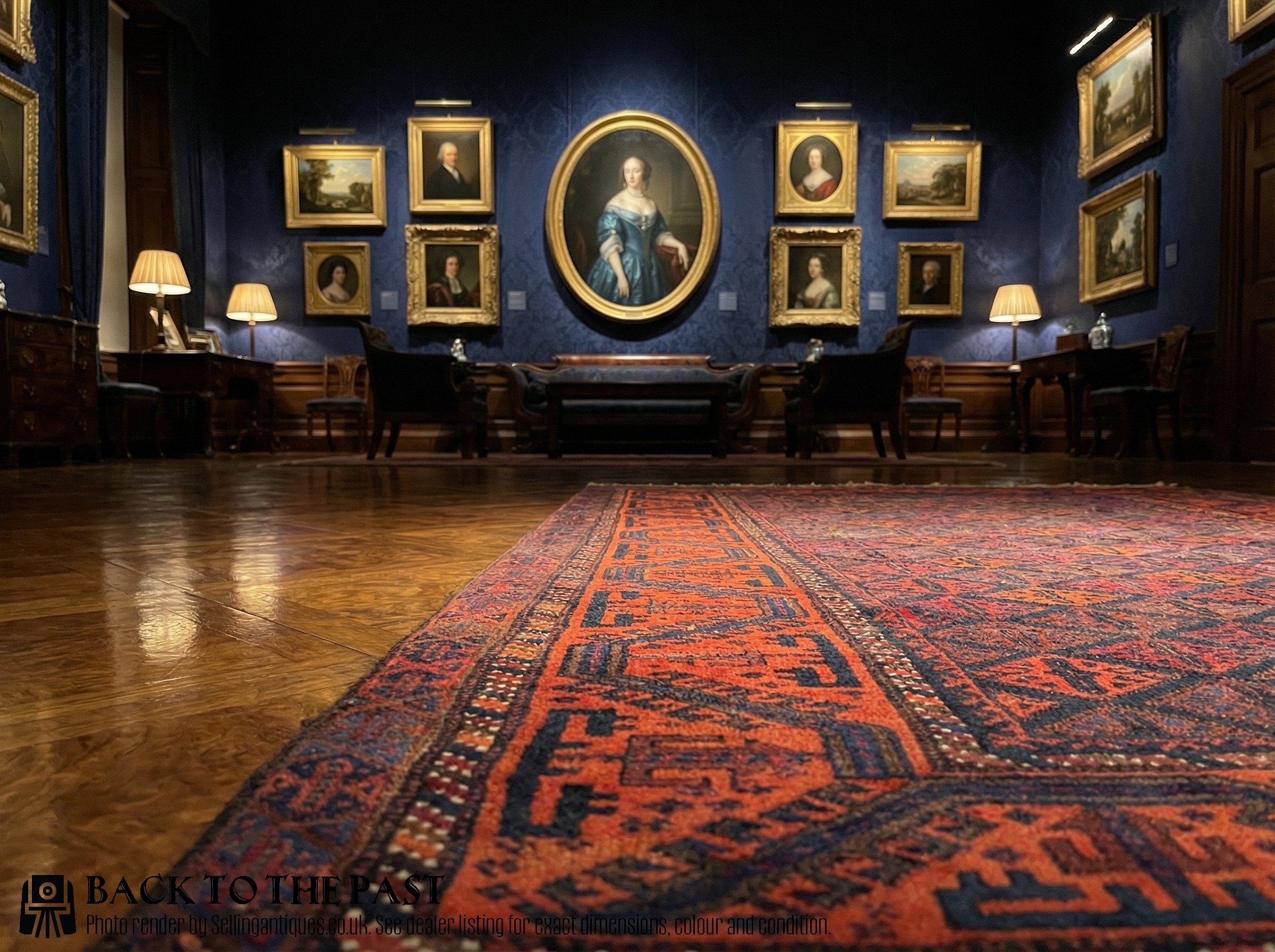
Baluch Tribal Carpet
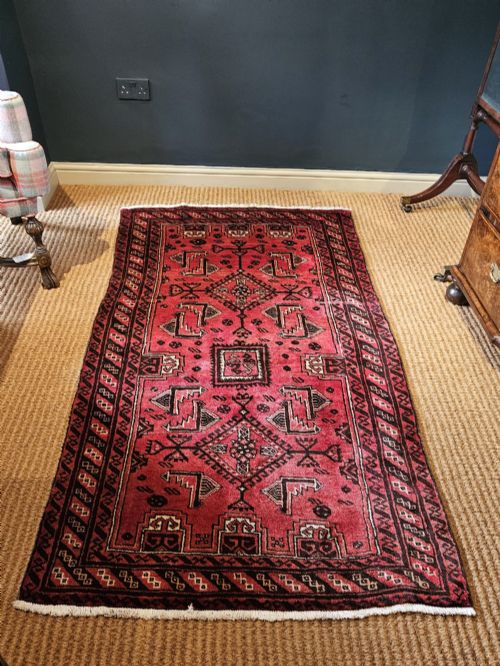
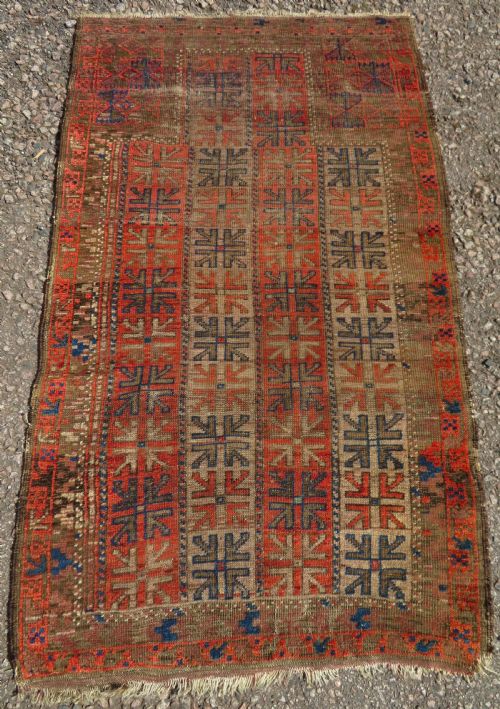
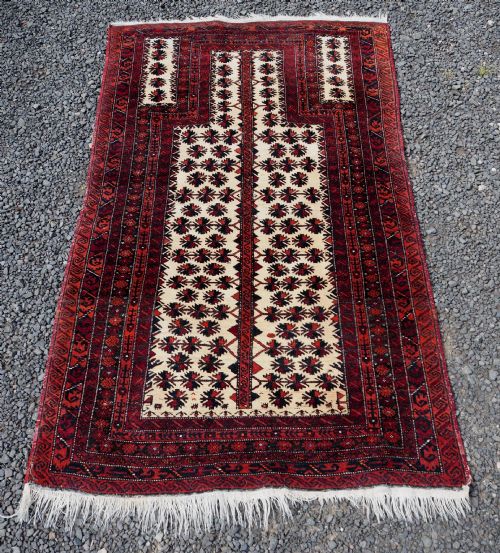
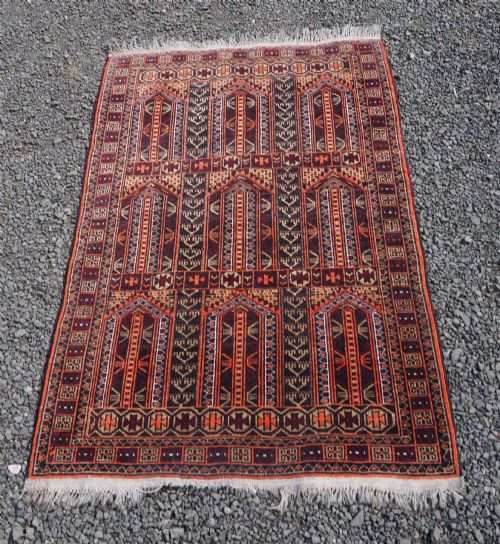
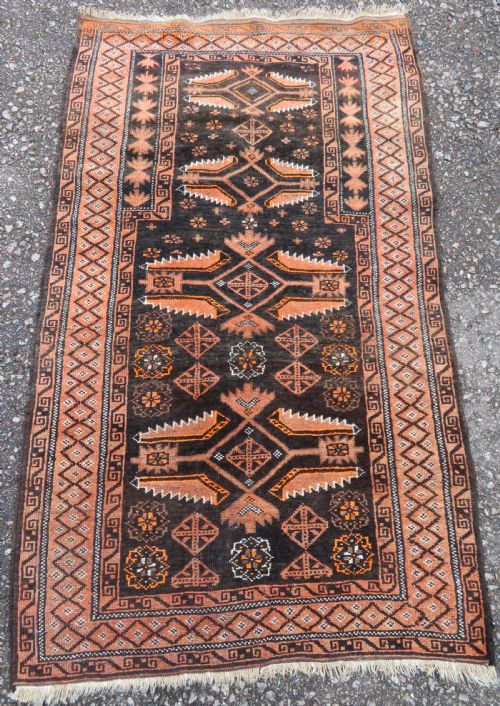
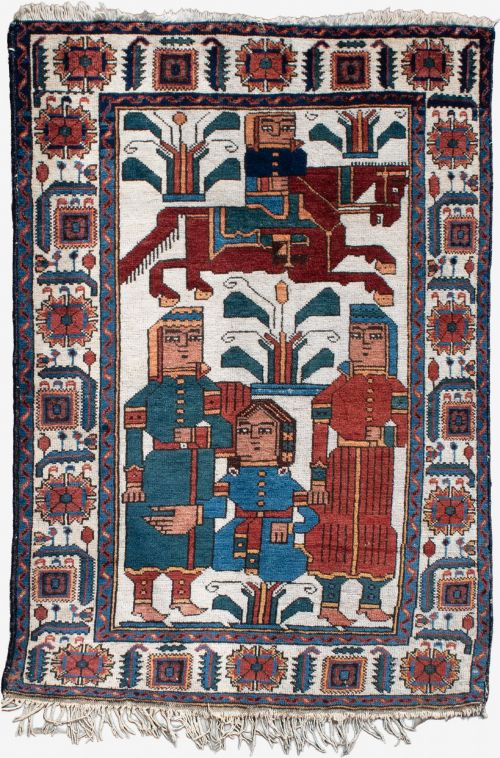
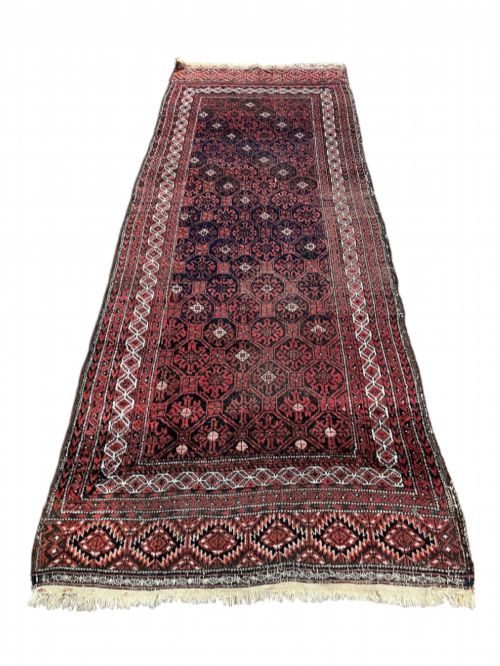
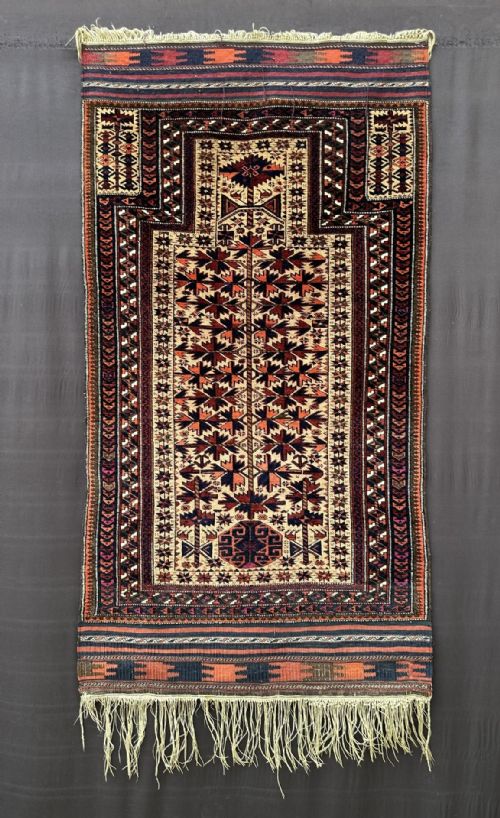
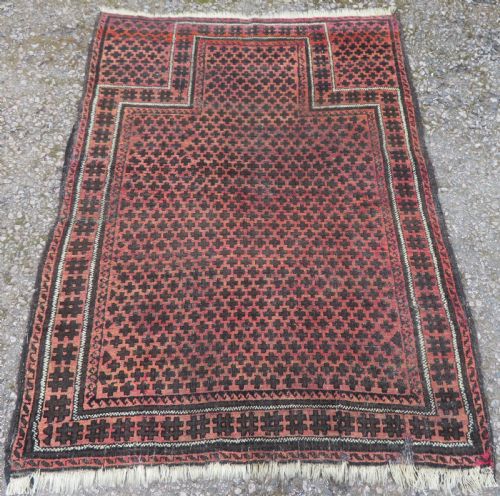
A baluch tribal carpet is a woven textile produced by nomadic and village weavers originating across regions such as Khorasan and Ferdows Province in Persia. These pieces typically manifest as rugs and area rugs displaying traditional tribal and nomadic aesthetics. Buyers encounter works attributed to specific regional sub-groups including Timuri, Salar Khani, Bahluli and Mahdad Khani.
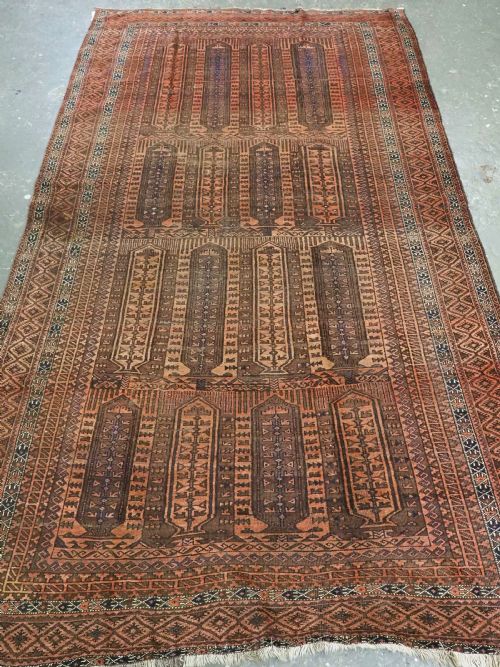
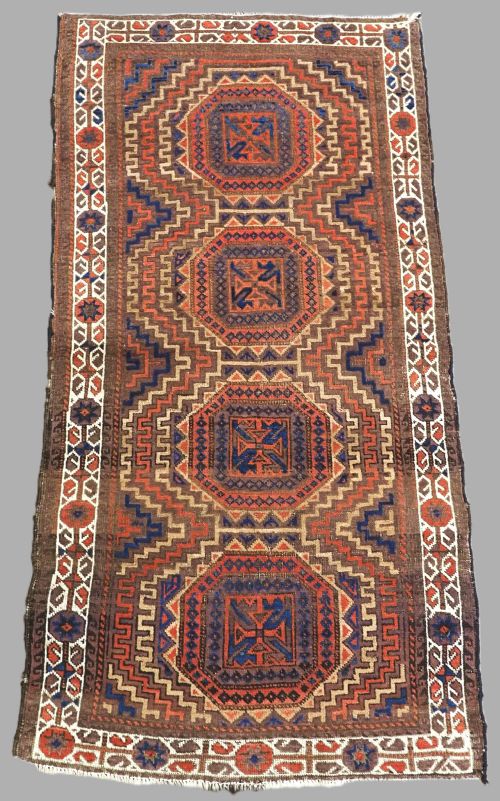
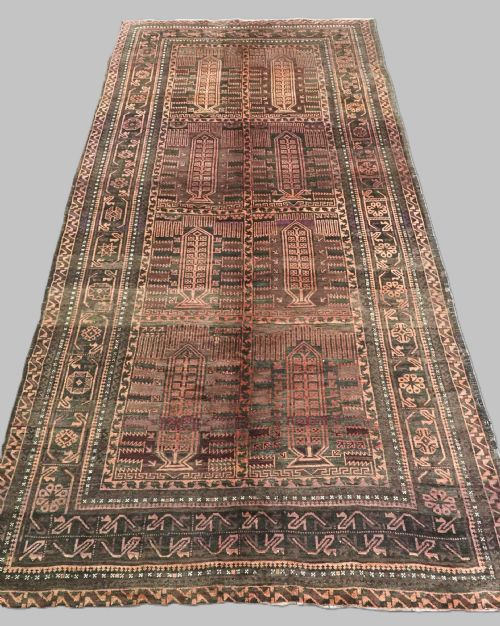
The visual vocabulary relies heavily on distinctive motifs such as the shrub design, calyx lattice, large gul patterns and ivory borders. Most examples date from the late nineteenth century through to the early decades of the twentieth century. The resulting floor coverings carry the authentic character of village and tribal weaving traditions from south-east Persia.
Materials and construction
Every baluch tribal carpet relies primarily on wool, often utilising hand-spun wool for the pile to achieve a tactile and irregular texture. Cotton is also integrated into the structural foundation of these woven works.
Weavers constructed these rugs by hand, knotting wool onto sturdy warps andwefts. The use of hand-spun materials ensures subtle variations in the absorption of natural dyes across the surface of each carpet.
Baluch Tribal Carpet Retail Price Guide 2026
Typical asking prices for baluch tribal carpet among the pieces listed under this phrase on Sellingantiques today, from the lower quarter to the upper quarter. They describe what is for sale here now, not the wider market.
Nomadic weavers often worked from memory entirely, letting geometric patterns evolve organically across the loom without preparatory sketches.
Assessing quality
Quality in a baluch tribal carpet rests on the crispness of the lattice or medallion design and the integrity of the wool. Finer spinning of the pile wool yields a tighter, more enduring handle.
The handling of traditional motifs such as the shrub design or large gul patterns reveals the weaver's individual skill. Strong geometric balance and well-preserved borders elevate certain pieces above standard village production.
The Baluch Tribal Carpet Glossary
- Gul
- A medallion or repeating octagonal motif commonly found in tribal weaving traditions. It often acts as the central visual anchor for the carpet.
- Calyx
- A botanical motif representing the outer floral covering of a bud, arranged in lattice structures across the field. This pattern structures the background geometry.
- Timuri
- A specific tribal attribution associated with weavers from the borderlands of Persia and Afghanistan. Pieces bearing this descriptor display characteristic nomadic palettes and structures.
- Khorasan
- A large historical region in north-east Persia known for extensive carpet production in both village and workshop settings. It remains a key geographic marker for authentic attributions.
- Hand-spun wool
- Yarn spun by hand rather than by industrial machinery, resulting in variable thickness and superior character. This material absorbs dye with rich tonal depth.
Baluch Tribal Carpet: Frequently Asked Questions
How do I clean my baluch tribal carpet?
Surface dust should be removed gently using a suction-only vacuum without a rotating brush bar. Professional textile conservators should handle wet cleaning to protect the hand-spun wool.
Avoid placing these historic rugs in areas of heavy moisture or direct, harsh sunlight. Proper placement ensures the natural materials remain stable over decades of domestic use.
Where were baluch tribal carpets made?
These carpets were woven by nomadic and village communities residing across south-east Persia and the wider Khorasan region. Specific sub-groups operated within defined tribal territories.
The weavers utilised local materials gathered from their immediate environment. Their nomadic lifestyle influenced the portable format and robust construction of the rugs.
Are these carpets suitable for heavy foot traffic?
Many of these pieces functioned originally as practical floor coverings within nomadic tents and village homes. The sturdy wool construction handles moderate daily use.
Placing a quality rug underlay beneath the textile provides additional cushioning and prevents slipping. This extra layer reduces friction between the wool pile and hard flooring.
How can I tell different tribal designs apart?
Design variations depend on specific motifs like the shrub design, calyx lattice or large gul patterns. Regional attributions such as Salar Khani or Bahluli often indicate distinct border treatments and colour distribution.
Comparing the handling of the wool and structural details helps differentiate between village workshops and nomadic productions. Reference works on Persian tribal weaving provide further guidance on specific group characteristics.