



Tribal Rug Cushion
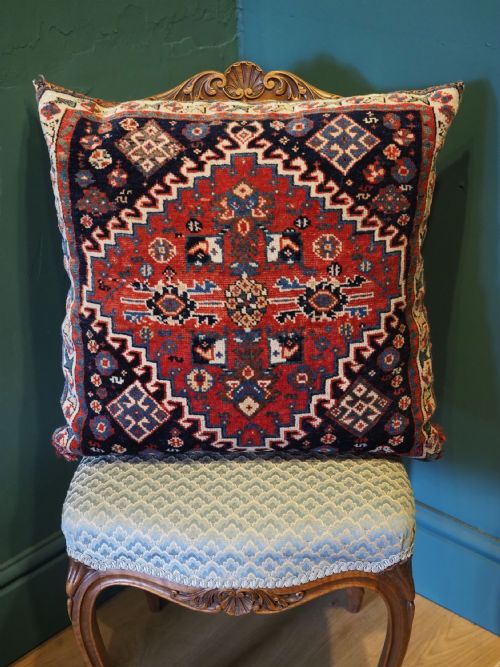
A tribal rug cushion repurposes nomadic bagfaces and flatweaves into tactile floor accents rich in heritage.
Tribal Rug Cushion
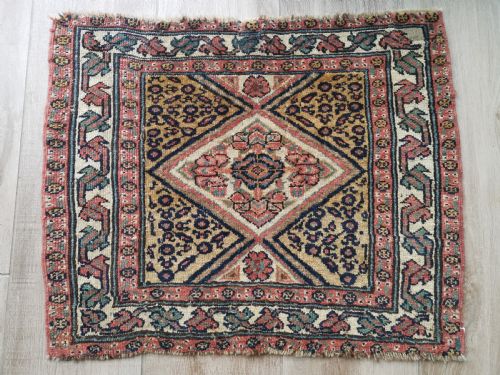
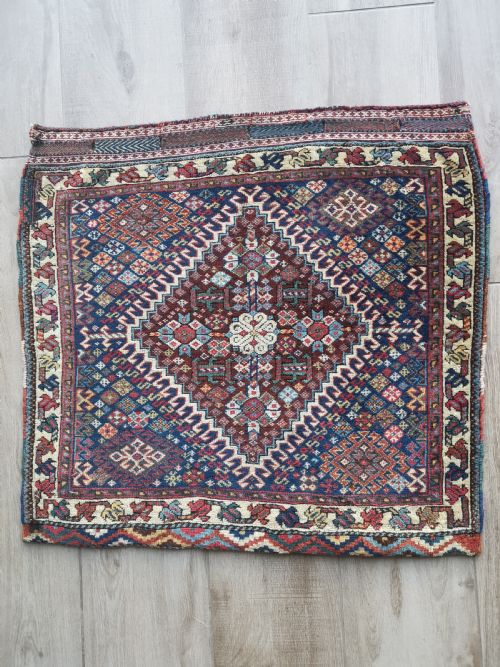
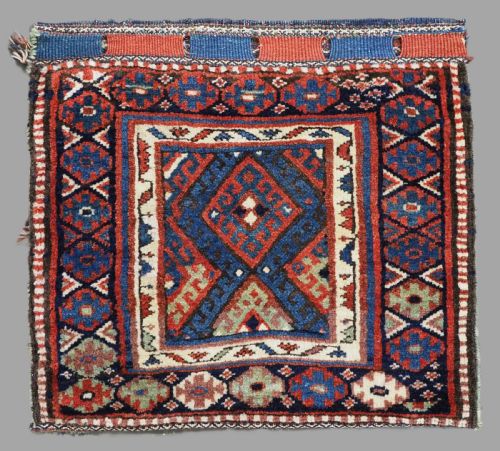
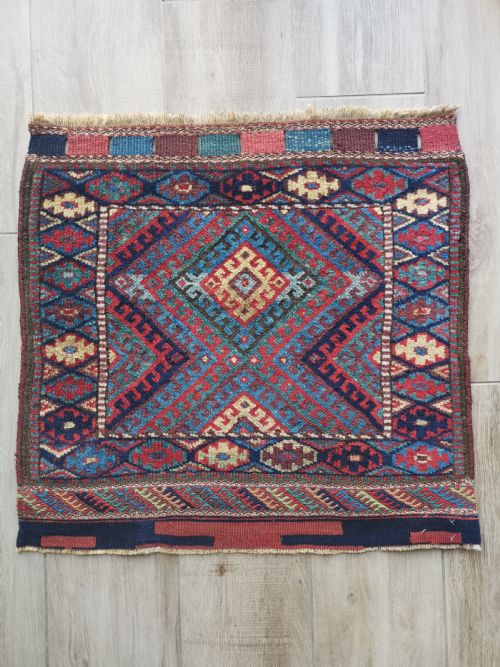
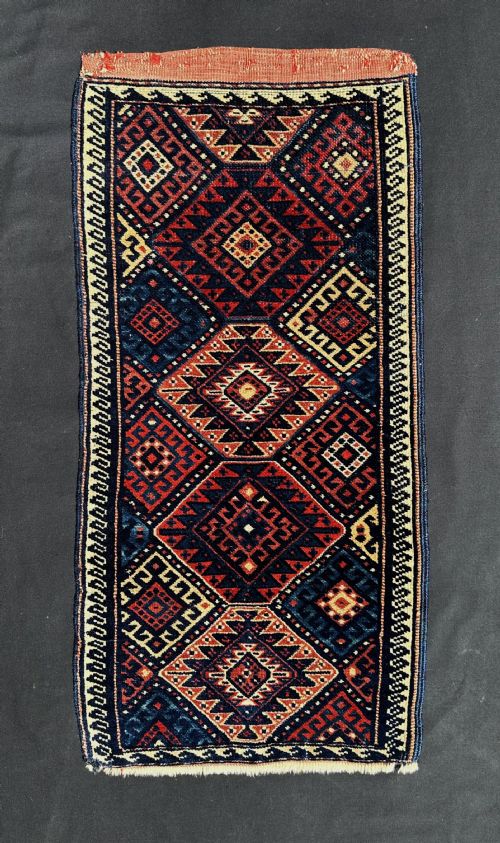
A tribal rug cushion is constructed from antique nomadic textiles such as saddlebags, bagfaces, torbas, and chuvals originating from Persian, Anatolian, and Central Asian regions. These pieces originate from nineteenth and early twentieth-century tribal groups including the Qashqai, Baluch, Tekke Turkmen, and Shahsevan, which utilised them originally for domestic storage and transport on animals.
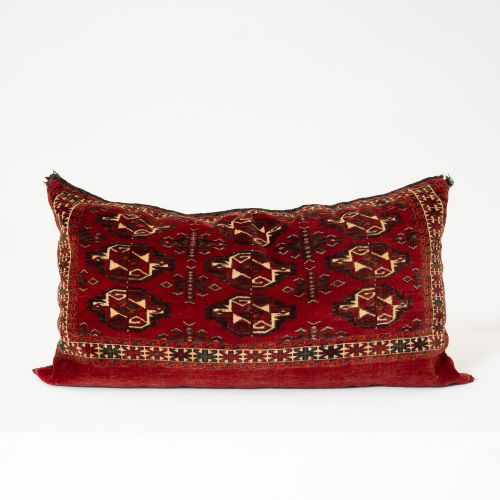
Buyers looking for a tribal rug cushion encounter forms transformed from functional utilitarian storage items into decorative home accessories. The most common manifestations on this page are individual bagfaces or paired saddlebags backed with complementary flatweave or plain weave textiles, retaining their original tribal motifs and proportions.
Materials and Construction Techniques
These textiles rely primarily on hand-spun wool and cotton, occasionally incorporating goat hair for structural durability and resilience in nomadic environments. Artisans employed natural dyes to achieve rich colour palettes across pile-woven surfaces and flatweave structures like Soumac.
Construction techniques combine sturdy pile knotting for bagfaces with flatwoven backs, often finished with tassels or kilim panels. The integration of wool warp and weft threads ensures the dense, hard-wearing texture characteristic of authentic nomadic weaving traditions.
Several bags retain their original plain weave backs and tassels, having transitioned from camel transport directly to the comfort of the sofa.
Assessing Quality in Nomadic Textiles
Quality rests upon the fineness of the weave, the clarity and complexity of traditional tribal motifs such as guls, and the vibrancy derived from natural dyes. Pieces retaining complete original backs, side cords, and structural elements command greater appreciation among collectors.
Condition and integrity dictate the upper tier of examples, particularly those maintaining tight knot density and minimal restoration. The balance between the decorative impact of the bagface and the sympathetic selection of the backing material determines the overall success of the finished cushion.
The Tribal Rug Cushion Glossary
- Bagface
- The decorative front panel of a nomadic storage bag, typically utilised today for the face of a cushion. These panels display the primary tribal designs and knotting.
- Torba
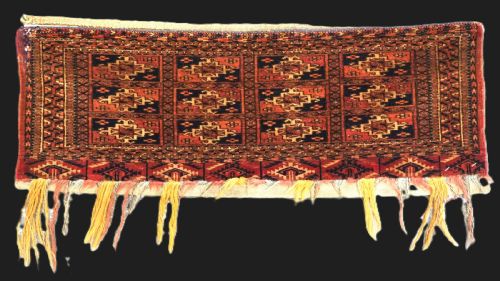
- A small horizontal storage bag traditionally used in Turkmen tents for domestic organisation. They translate well into rectangular cushion formats.
- Chuval
- A large Turkmen tent-storage bag designed for bedding and bulky possessions. Their expansive faces provide ample surface area for distinctive tribal gul patterns.
- Soumac
- A wrapping technique for flatwoven textiles that produces a sturdy, ribbed surface texture without pile knots. It adds tactile variation to nomadic pieces.
- Gul
- A repeated medallion motif associated with specific Turkmen and Central Asian tribes. Each design helps identify the regional origin of the weaving.
Tribal Rug Cushion: Frequently Asked Questions
What is a tribal rug cushion?
A tribal rug cushion is a decorative home accessory created by converting antique nomadic storage bags, such as bagfaces and torbas, into soft furnishings. They bring historical textile art into modern interiors through authentic pile and flatweave surfaces.
These pieces preserve the original hand-knotted wool and natural dye palettes of nineteenth and early twentieth-century tribal groups. Each cushion reflects the specific weaving traditions of regions across Persia, Anatolia, and Central Asia.
How were these tribal bags originally used?
Nomadic tribes utilised these textiles as functional storage containers for transporting possessions, grain, and bedding during seasonal migrations. They hung inside tents or rode packed across the backs of horses, camels, and donkeys.
Over time, these utilitarian objects became redundant for travel, prompting their preservation and conversion into cushions. Their durable construction allowed the decorative panels to survive decades of domestic use.
How do I care for a rug cushion?
Care for these wool textiles by vacuuming gently on a low suction setting without a rotating brush bar. Keep them out of direct sunlight to prevent natural dyes from fading over time.
Professional specialist cleaning is recommended for heavier maintenance rather than washing at home. Rotating the cushion periodically ensures even wear across the decorative surface.
How can I tell different tribal designs apart?
Tribal designs are distinguished by characteristic geometric motifs, border arrangements, and colour families tied to specific geographic regions. For instance, Turkmen weavers frequently employ octagonal gul medallions, while Baluch and Qashqai makers favour distinct field patterns and animal or tree elements.
Examining the weave structure, whether pile-knotted or flatwoven, also aids in identifying the producing tribe or confederation. Regional palettes, from deep indigo and madder reds to earthy browns, further indicate provenance.