


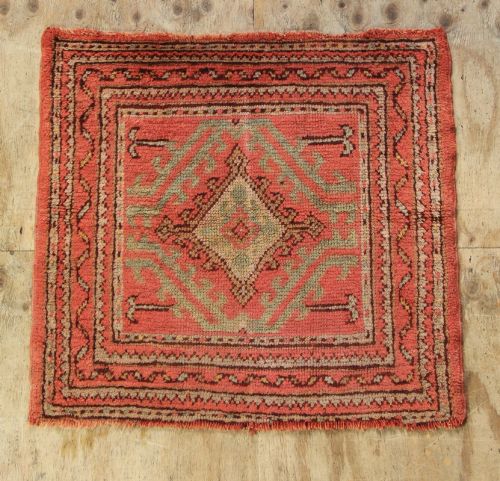

Traditional Turkish Wool Rug
A traditional turkish wool rug brings the tactile weight of an Anatolian village or town into a room through dense hand-knotted pile.
Traditional Turkish Wool Rug
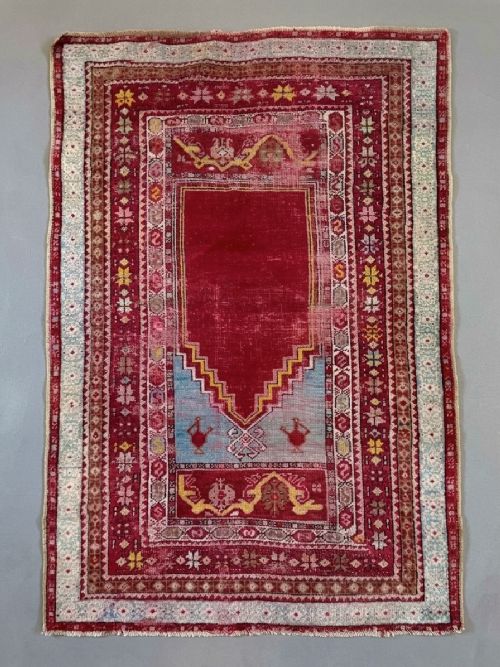
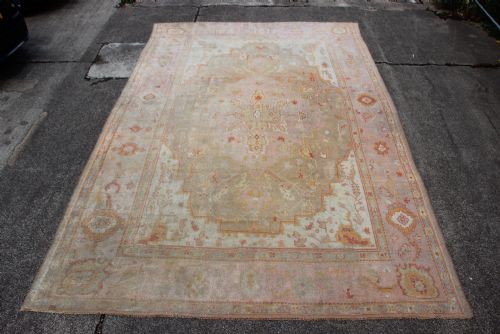
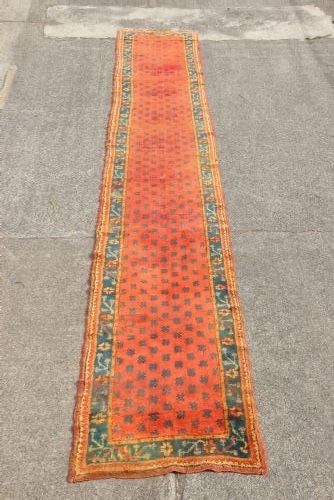
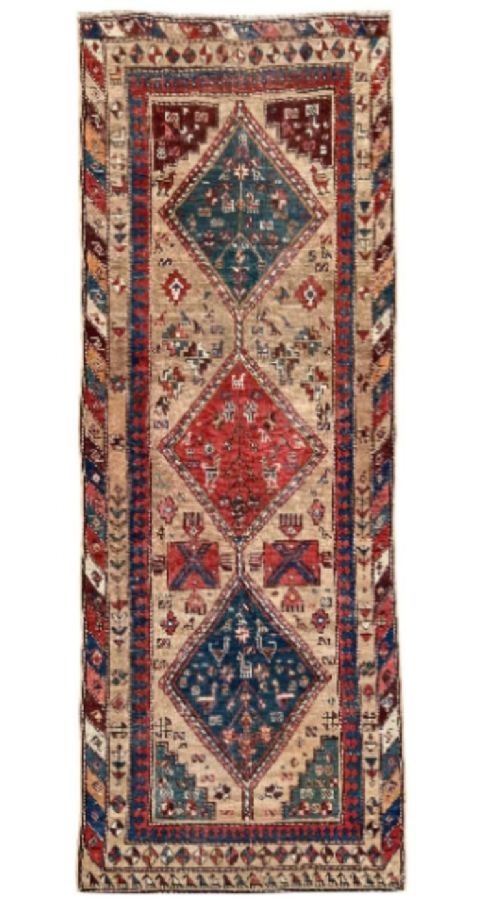
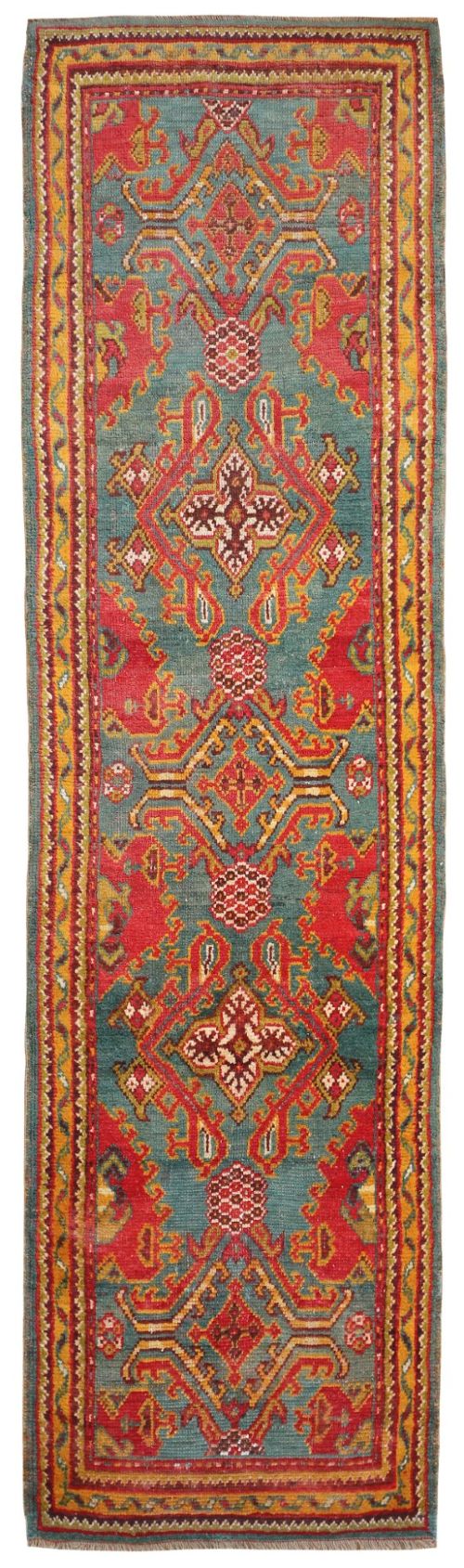
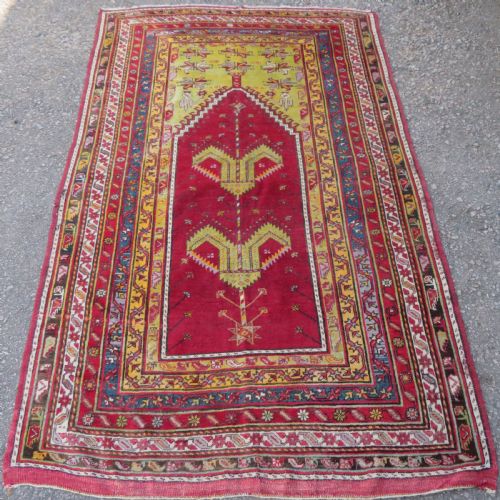
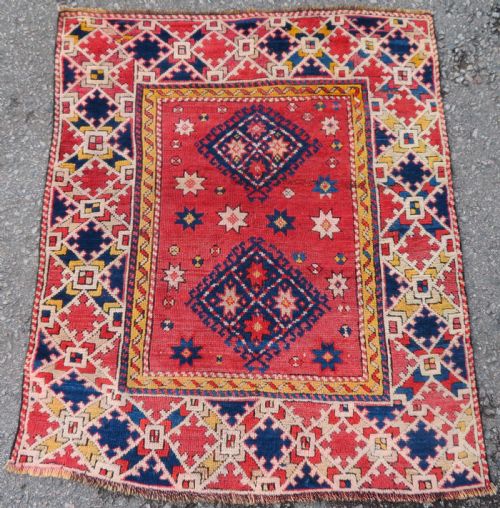
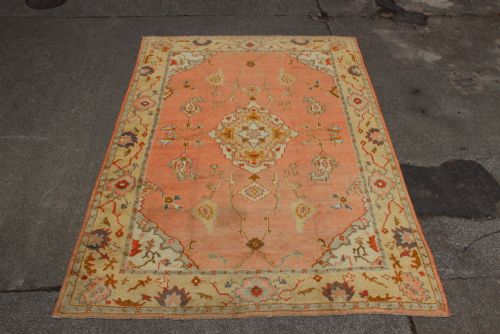
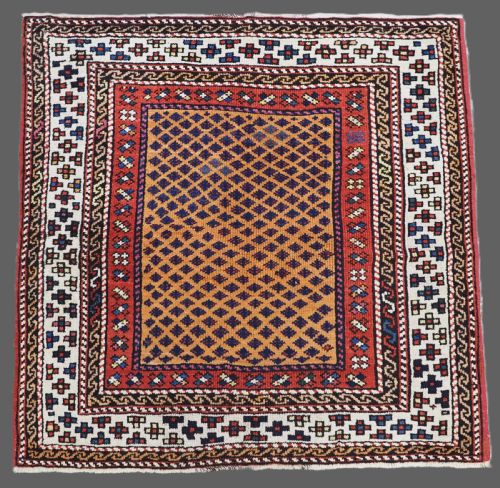
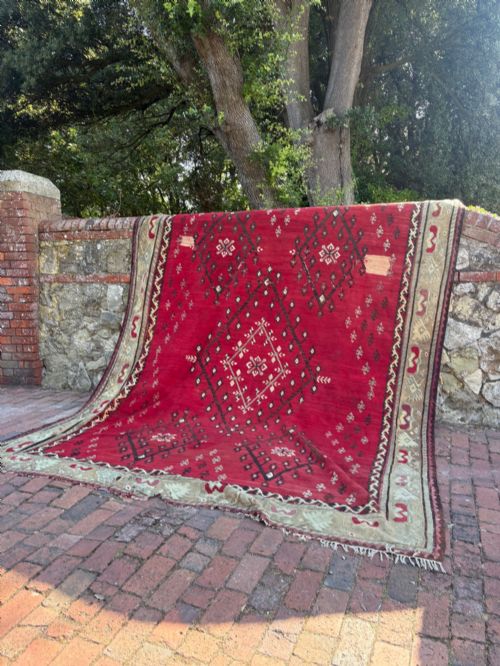
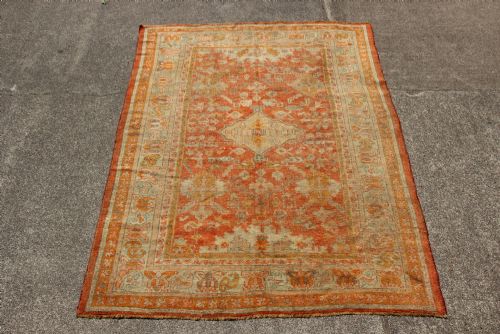
When searching for a traditional turkish wool rug, buyers encounter floor coverings originating from towns, villages, and tribal regions across Anatolia during the nineteenth and early twentieth centuries. The selection spans wide carpets, long narrow runners, small prayer rugs, mats, and flatweave kilims produced in centres such as Oushak, Bergama, Kirsehir, and Melas.
Most examples appearing here belong to the late nineteenth and early twentieth centuries, reflecting Ottoman and Anatolian aesthetic traditions. Forms range from large decorative carpets designed for grand rooms to compact village pieces intended for domestic floor use or prayer.
The objects also include cushions and runners utilising traditional flatweave and pile techniques. These pieces serve functional roles in contemporary interiors while displaying regional motifs handed down through generations of weavers.
What varies in quality
Quality in these floor coverings rests upon the fineness of the knotting, the balance of the composition, and the integrity of the wool foundation. Pieces displaying precise drawing in the central medallions and border systems generally command greater attention from collectors than simpler village work.
The handling of natural dye colour contributes significantly to visual success, where harmonious fading and depth of tone elevate a textile above standard commercial output.
Anatolian tribal and Ottoman styles dominate the inventory, incorporating flatweave kilim techniques alongside hand-knotted pile construction.
Oushak·Bergama·Kirsehir·Ghiordes·Melas
The Traditional Turkish Wool Rug Glossary
- Oushak
- A town in western Turkey renowned for large-scale decorative carpets with soft wool and expansive fields. These rugs often feature muted pastel or pale colour palettes.
- Prayer rug
- A textile featuring a distinct arched niche or mihrab design at one end, traditionally orientated towards Mecca during daily prayers. Such pieces were produced in towns like Kirsehir, Ladik, and Ghiordes.
- Kilim
- A flatweave textile produced without a pile by tightly interweaving warp and weft threads. These lightweight rugs and runners are found throughout Anatolian weaving traditions.
- Runner
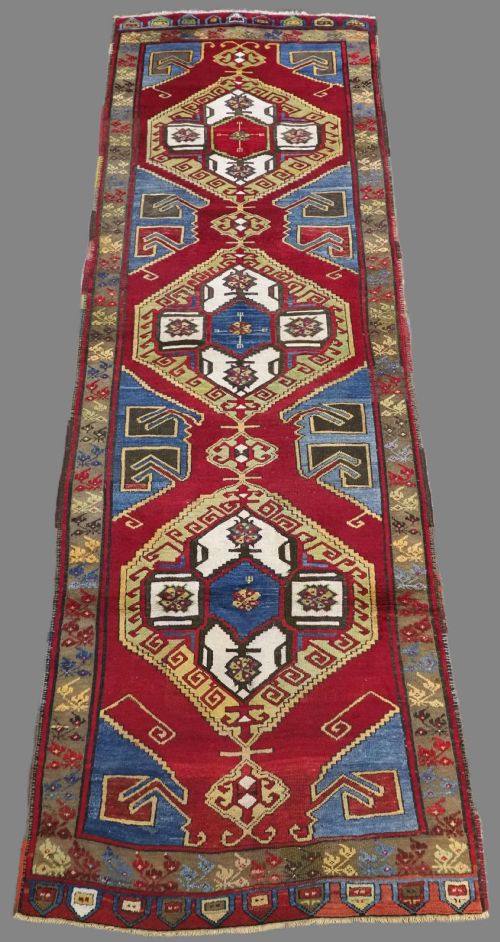
- A long, narrow carpet format designed for hallways, staircases, or corridors. These pieces typically repeat central medallions along an extended rectangular axis.
- Warp
- The vertical foundation threads stretched tightly on the loom before knotting begins. Cotton and wool are the primary materials utilised for these structural elements.
Traditional Turkish Wool Rug: Frequently Asked Questions
How do I place a runner?
Long narrow formats suit hallways, corridors, and narrow spaces where a punch of pattern softens wooden floorboards. Ensure the dimensions leave an even border of exposed floor around the edges.
Positioning furniture slightly off the textile prevents heavy chair legs from catching the hand-knotted pile or fragile edge bindings.
Can I use them in high traffic areas?
Dense wool construction allows these rugs to handle regular footfall in living rooms and dining spaces. Natural lanolin within the wool fibres provides inherent resilience against daily wear.
Placing a breathable underlay beneath the textile prevents slipping and reduces friction between the foundation and the floor.
How do I identify regional styles?
Village rugs from places like Bergama and Melas display bold geometric motifs and saturated colour palettes rooted in tribal traditions. Town pieces from Oushak feature more open floral fields with softer pastel or pale grounds.
Examining the weave structure, fringe finish, and border arrangements helps connect a piece to its specific Anatolian origin.
How do I care for antique wool?
Gentle vacuuming without a rotating brush roll removes dust from the pile without pulling at the structural knots. Professional cleaning tailored for antique textiles preserves the natural dyes and wool condition.
Keeping the textile out of direct, intense sunlight prevents fading of the natural tones over years of display.