
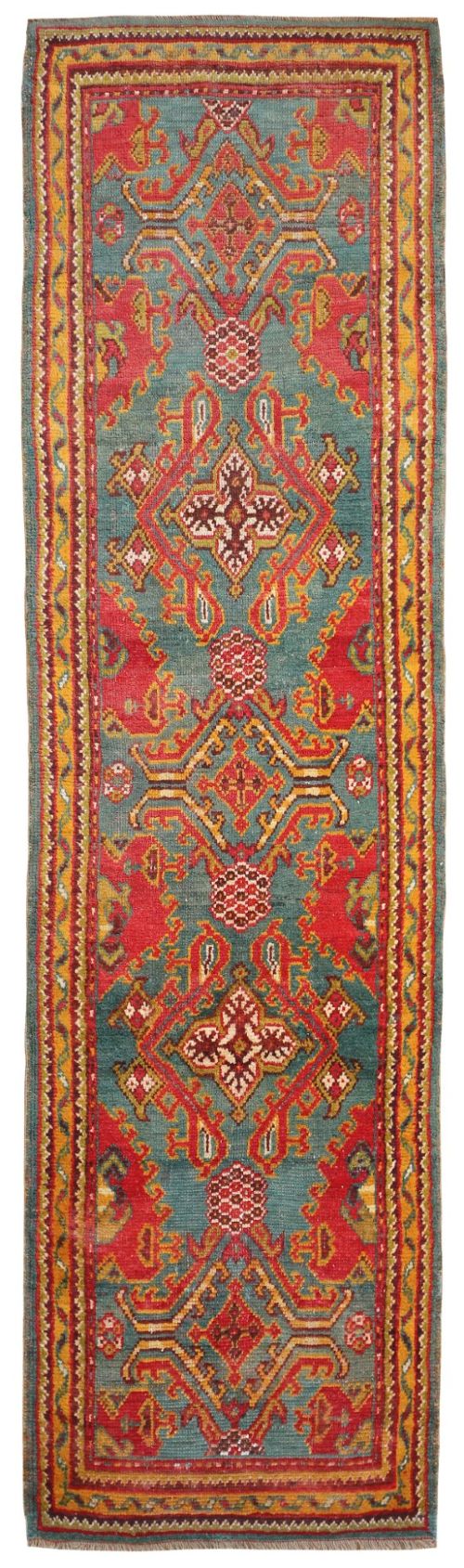
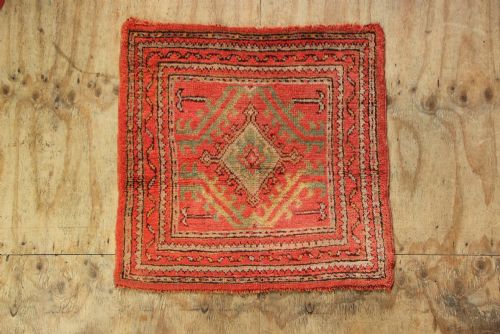


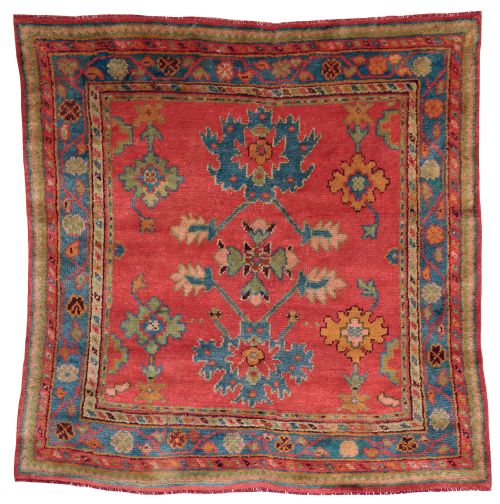


Red Oushak Rug
A red oushak rug brings distinct warmth and heritage to a room, offering the weathered, soft tones of traditional Anatolian weaving.
Red Oushak Rug
When you search for a red oushak rug, you encounter hand-knotted floor coverings originating from the town of Ushak in western Turkey. These pieces span from the late nineteenth century into the early twentieth century, carrying Ottoman and Anatolian design traditions. The selection includes everything from small square formats and runners to large decorative carpets.
The prevalent forms found here are room-sized carpets alongside smaller area rugs and kilims. Dating typically falls between the Victorian era and the nineteen-twenties, reflecting established weaving practices of those decades. Each piece displays the characteristic scale and pattern language associated with traditional Turkish output.
How they were made
The construction relies on natural wool and cotton foundations, occasionally incorporating soft angora wool for added texture. Weavers knotted these materials by hand on upright looms, using traditional Turkish knotting techniques passed down through generations. Natural dyes provided the characteristic red colour palette seen across the pieces.
The combination of hand-spun wool and cotton warps gives these floor coverings their characteristic drape and handle. Pile height varies depending on the specific period and intended function of the rug, from decorative carpets to flat-woven kilims.
Some runners show slight directional wandering in the weave, reminding every viewer of the human hands behind the loom.
What varies in quality
Quality in a red oushak rug rests primarily in the handling of colour and the subtlety of the wool. Finer examples display nuanced shifts in the red dye and a supple handle derived from superior fleece selection. The integrity of the foundational cotton and wool weave dictates the long-term durability of the piece.
Design execution and scale further separate examples across the range. A well-proportioned star oushak design or a balanced runner demonstrates greater artistic control by the weaver. The uniformity of the knotting and the preservation of the original edges and ends also contribute to the standing of an individual carpet.
The Red Oushak Rug Glossary
- Oushak
- A traditional style of rug originating from the town of Ushak in western Turkey. These carpets are known for their larger scale floral motifs and softer pastel or red colour palettes.
- Kilim
- A flat-woven carpet or rug produced without a pile. These pieces rely on interlocking the warp and weft threads to create geometric patterns.
- Angora wool
- A fine fibre harvested from angora goats or rabbits, sometimes utilised in these rugs for a softer pile and lustrous finish.
- Warp
- The vertical threads stretched tightly on the loom that form the structural foundation of the rug. Cotton is commonly utilised for this purpose in Turkish weaving.
- Weft
- The horizontal threads passed through the warps to hold the knots in place. Together with the warp, they form the sturdy backing of the carpet.
Red Oushak Rug: Frequently Asked Questions
How do I clean an antique oushak rug?
Gentle surface brushing and regular light vacuuming without a beater bar help maintain the wool pile. Professional specialist cleaning is necessary for deeper maintenance to protect the natural dyes.
Avoid harsh chemical treatments and excessive water immersion. Allowing the rug to breathe prevents moisture accumulation in the cotton foundation.
Where should I place a runner?
Runners suit narrow hallways, corridors, and bedside spaces where long, linear formats function best. Their slender proportions complement transitional areas without overwhelming the floor space.
Ensure an appropriate underlay is utilised beneath the rug to prevent slipping on hard flooring. This also reduces friction and wear on the antique wool pile.
Are these rugs suitable for daily foot traffic?
Hand-knotted wool construction provides durable performance for general residential use. The resilient natural fibres withstand everyday movement when paired with a quality rug pad.
Placing heavier pieces in moderate traffic areas preserves the integrity of the pile over time. Rotating the carpet periodically ensures even exposure and wear.
How do I date an antique rug?
Dating relies on examining the specific wool quality, dye composition, and structural characteristics typical of nineteenth and early twentieth-century production. Stylistic markers such as Ottoman design elements offer further chronological clues.
Comparing knot density and weave structure against documented examples helps confirm the period. Variations in the hand-spun wool provide insight into the manufacturing era.