

Traditional Table Candlesticks
Traditional table candlesticks are classic brass and silver pieces designed to hold light, and you want them for their weight and period presence.
Traditional Table Candlesticks
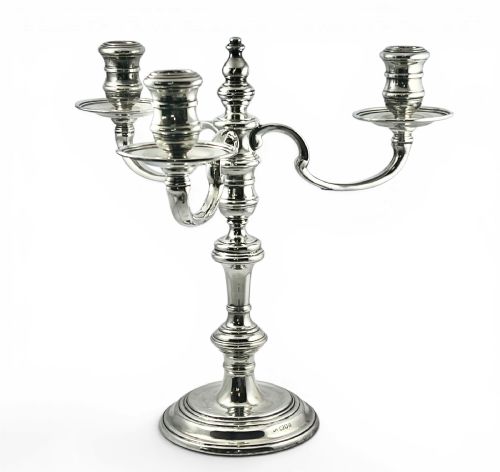
Traditional table candlesticks span the eighteenth, nineteenth and early twentieth centuries, drawing on Georgian, Victorian and Edwardian design. When searching for traditional table candlesticks, buyers encounter items intended to illuminate rooms through functional metalwork and turned wood.
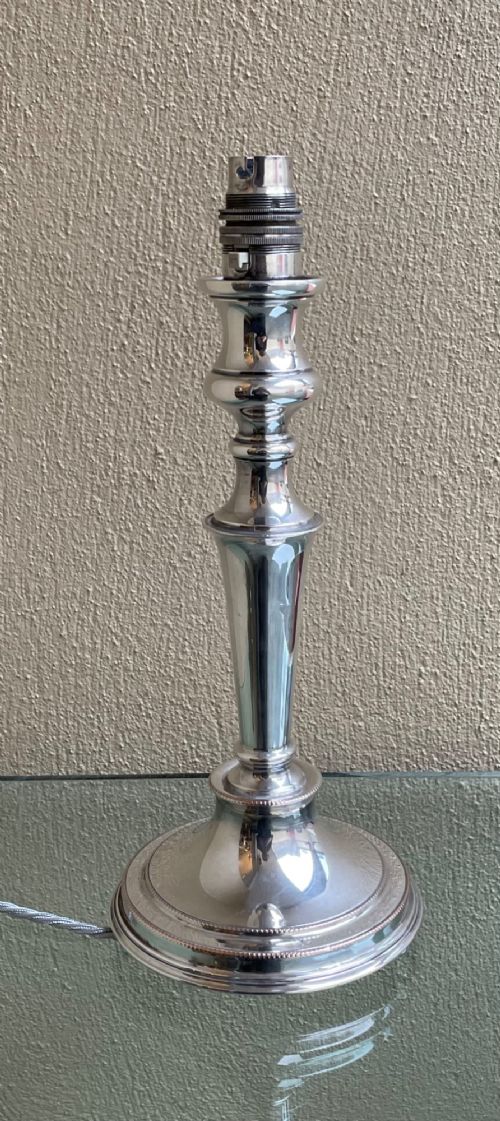
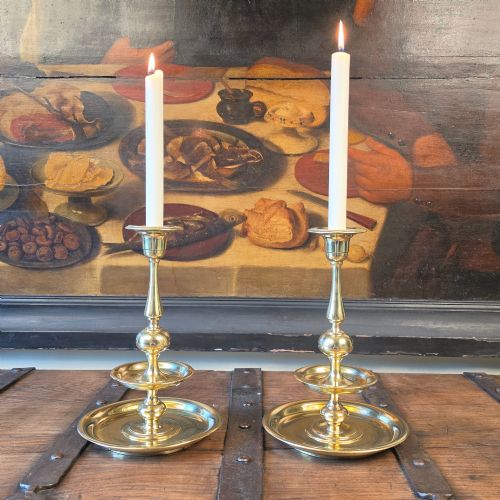
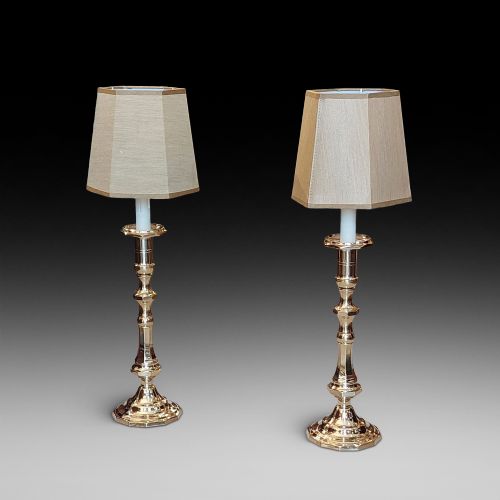
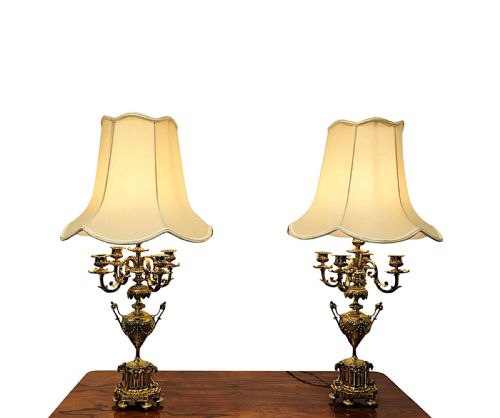
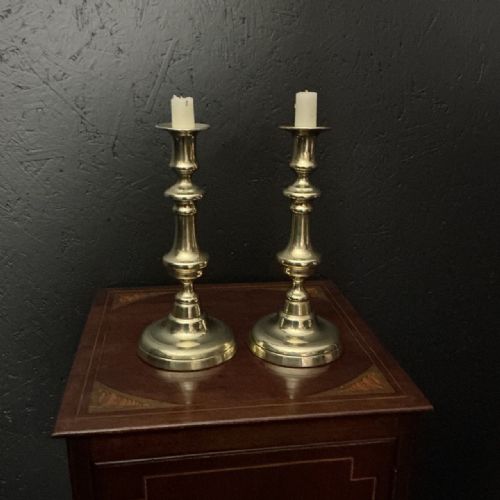
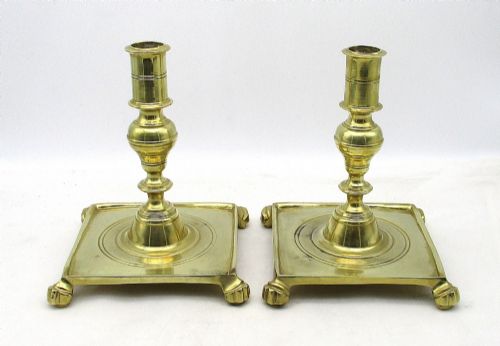
The selections on this page rely heavily on brass and silver plate, alongside wooden forms such as mahogany, oak and lignum vitae. These objects appear as single items, pairs and converted table lamps with shades.
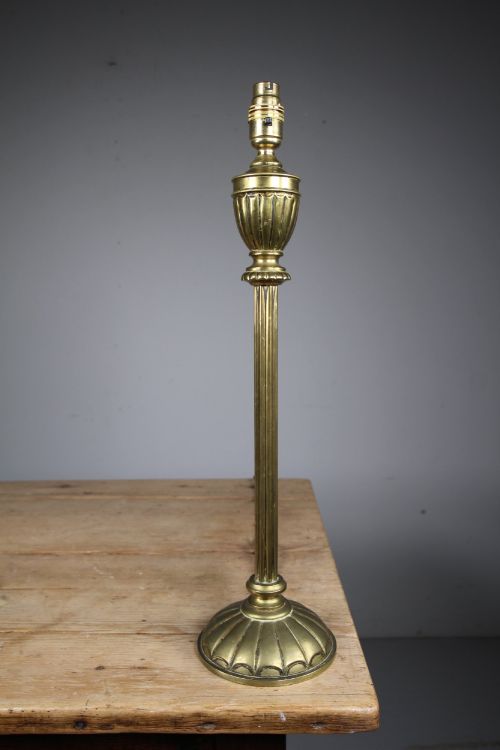
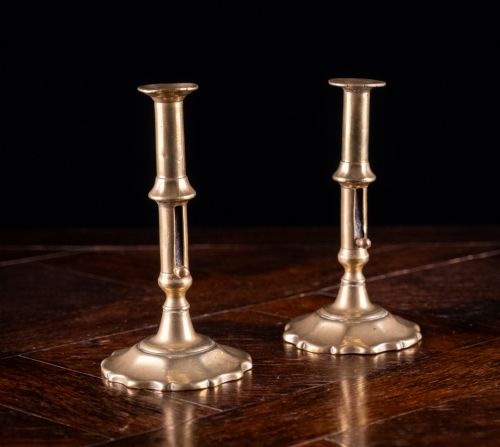
Examples range from early seamed brass ejector mechanisms to decorative ionic columns and twisted stems. Most pieces originate from English workshops, though Flemish and Indian examples also occur in the material.
How they were made
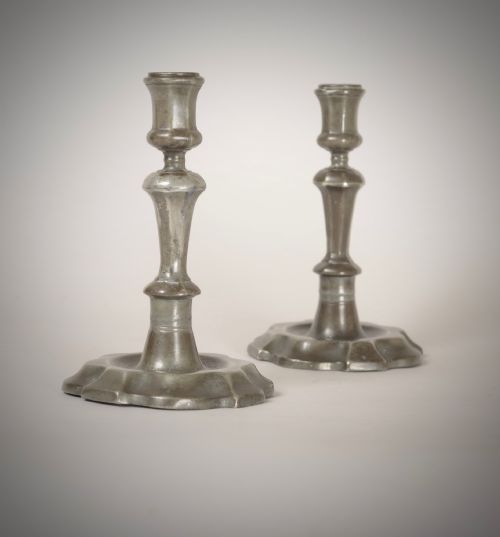
Makers utilised brass casting and silver plating techniques to form the rigid structures of these lighting pieces. Seamed brass construction involves joining shaped metal plates together, visible in older ejector models designed to push out candle stubs.
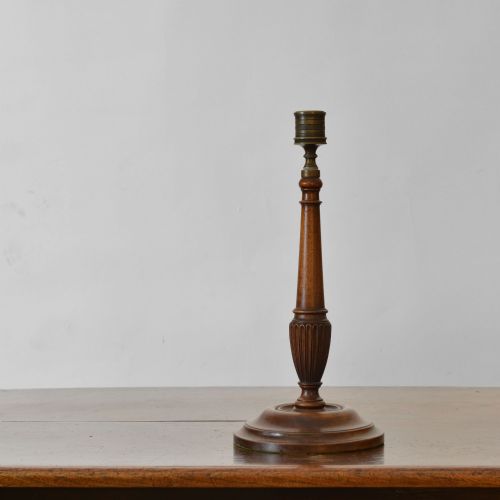
Wooden varieties utilise turned mahogany, oak, and dense lignum vitae shaped on lathes to create baluster and twist profiles. Silver plate coats base metals to provide a reflective surface finish that mimics solid silver.
Materials span brass, silver plate, mahogany, oak, lignum vitae and bronze across periods from the seventeenth century to the 1930s.
What varies in quality
Quality rests in the crispness of the casting detail and the original integrity of the metal or wood. Heavy gauge brass and solid timber sections indicate superior substance compared to lighter, later adaptations.
Proportion and balance determine the visual success of a piece, where classic architectural orders like ionic columns are rendered with correct proportions and clean turning.
Mappin & Webb
The Traditional Table Candlesticks Glossary
- Ejector
- A mechanism inside the stem that pushes the remaining candle remnant out for removal. This device often operates via a small slide on the side.
- Baluster
- A vertical architectural form with a swelling lower portion, frequently used for candlestick and lamp stems. It derives from stone balustrade design.
- Parcel Gilt
- A finish where portions of an object receive a thin application of gold leaf while other areas remain silver plated or exposed metal.
- Lignum Vitae
- A very dense, heavy hardwood prized for its dark grain and durability, used in nineteenth-century turned objects.
- Ionic
- An architectural order marked by scroll-shaped capitals, adapted by makers to decorate the upper shafts of brass candlesticks.
Traditional Table Candlesticks: Frequently Asked Questions
What is an ejector candlestick?
An ejector candlestick contains a mechanical slider inside the shaft designed to push out spent candle stubs easily.
This innovation appeared during the eighteenth and nineteenth centuries to simplify cleaning and relighting.
How do I date a brass candlestick?
Dating relies on manufacturing methods, such as seamed construction versus solid casting, and stylistic traits like Georgian proportions.
Changes in base weights and turning profiles also help distinguish eighteenth-century examples from later Victorian reproductions.
Were these candlesticks converted to lamps?
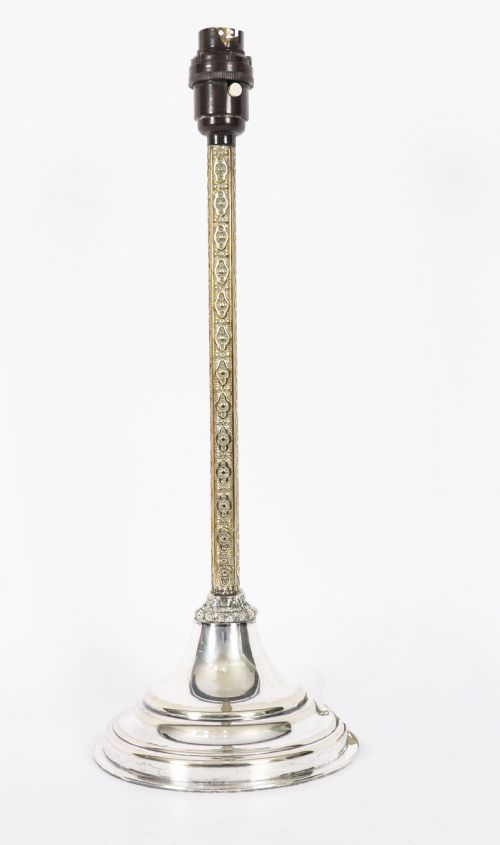
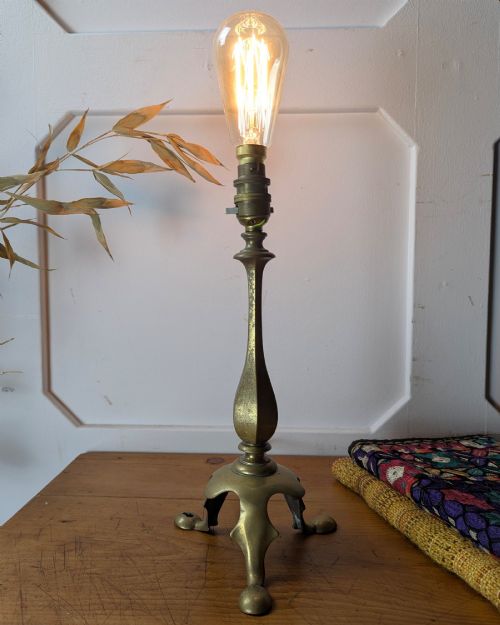
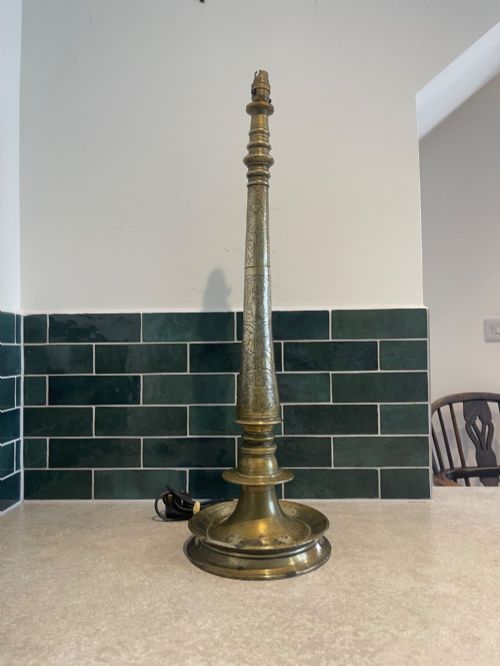
Many period candlesticks and candelabras receive electrical fittings later to serve as table lamps while retaining their original bases.
Wiring methods vary, but conversions allow traditional metalwork to integrate safely with modern interior lighting.
How do I care for silver plated candlesticks?
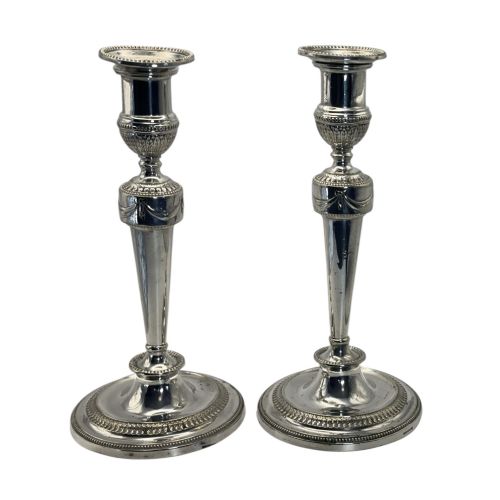
Silver plated pieces require gentle cleaning with a soft cloth to preserve the thin metal coating over the base metal.
Avoid harsh abrasive polishes that can wear away the plating on raised edges and decorative details over time.