


Vintage Oak Candle Stands
These vintage oak candle stands bring warmth and architectural character to a room, ranging from simple turned shapes to folk art carvings.
Vintage Oak Candle Stands
Vintage oak candle stands encompass a range of turned and carved timber supports designed to elevate a light source. The selection includes paired candlesticks from the early twentieth century alongside individual stands from the nineteenth century.
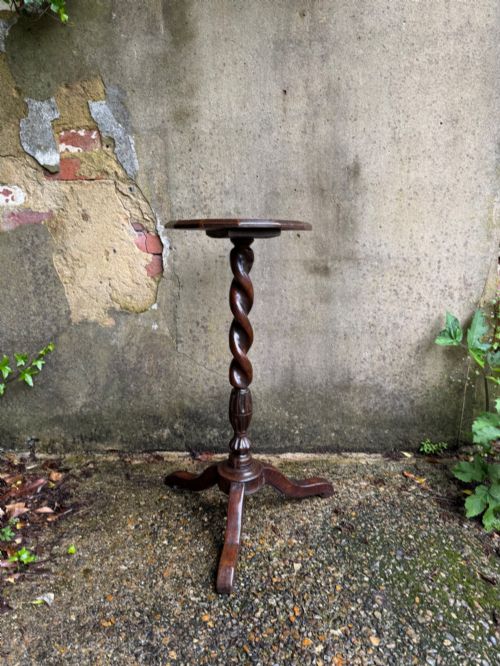
Buyers will encounter various forms, from barley twist shafts with brass fittings to folk art pieces shaped as figures carrying game. Smaller occasional tables and torcheres also appear under this heading, reflecting the varied terminology used for elevated stands.
The periods represented span from the eighteenth century through the Edwardian era and the 1920s. Styles draw upon Jacobean revival, Arts and Crafts, and rustic farmhouse traditions.
How they were made
Construction relies heavily on solid oak, frequently paired with brass socket tops and nozzles to hold candles securely. Turned components dominate, created on a lathe to form open barley twist shafts or smooth tapering columns.
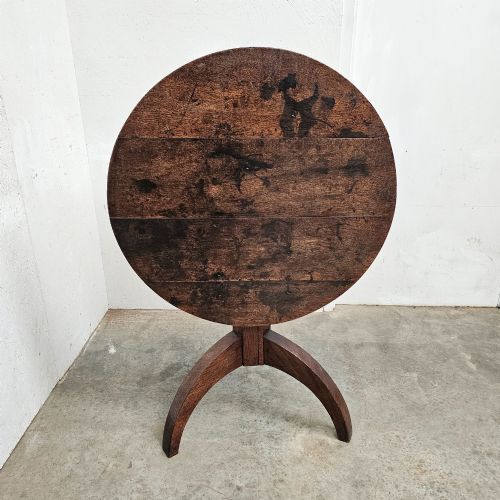
Carving and joinery techniques vary from hand-carved folk art figures to tilt-top mechanisms found on smaller occasional tables. Ebonised finishes, walnut, and mixed hardwoods occasionally supplement the primary oak material.
The listings feature oak alongside walnut, brass, and ebonised wood across items from the eighteenth century to the 1920s.
What varies in quality
Quality rests on the crispness of the turning and the proportion of the shaft relative to the base. Finely cut barley twists and balanced proportions distinguish better examples from simpler turned items.
The integration of brass components and the depth of hand-carving define the upper tier of pieces. Grain definition and the preservation of the original timber surface also influence the character of each stand.
The Vintage Oak Candle Stands Glossary
- Barley twist
- A spiral turning resembling a twisted rope, popular in furniture and candlesticks during revival periods. This decorative form creates movement along the vertical shaft.
- Torchere
- A tall ornamental stand designed to support a light source or decorative object. These elevated pieces often feature slender columns and sturdy bases.
- Tilt-top
- A table mechanism allowing the surface to pivot to a vertical position when not in use. This clever design saved space in period interiors.
- Folk art
- Items created by self-taught or traditional makers outside academic traditions, often featuring charming vernacular details. These pieces possess a distinct individual character.
- Arts and Crafts
- A design movement valuing hand craftsmanship and simple, honest materials over mass production. Pieces from this tradition emphasise the natural texture of the wood.
Vintage Oak Candle Stands: Frequently Asked Questions
How do I date a candle stand?
Dating relies on examining the timber grain, tool marks, and stylistic indicators such as twist profiles or brass fitting types. Eighteenth and nineteenth-century examples often display hand-tooling and deeper patina.
Twentieth-century pieces from the 1910s and 1920s frequently show standardised machining or specific revival motifs like Arts and Crafts chamfering. Comparing the construction methods to dated comparative pieces helps confirm the era.
Were these used for lighting?
These stands served a practical purpose in homes before reliable electric lighting, elevating candles to cast light further across a room. Taller floor-standing torcheres and table candlesticks positioned flames near seating areas for reading or working.
Over time, many of these wooden supports transitioned into decorative objects or were adapted to hold small lamps. Their primary function shifted from utility to display as interior illumination evolved.
How do I care for oak stands?
Maintaining vintage oak involves keeping the timber away from direct heat sources and rapid temperature fluctuations to prevent splitting. Occasional dusting with a dry cloth keeps the surface clean without damaging the patina.
Applying a suitable wax polish periodically nourishes the wood and enhances the grain depth. Avoid using harsh chemical sprays or excess water on both the oak and any attached brass elements.
What is a barley twist?
A barley twist is a spiral column carved or turned into wood, creating a helical pattern along the shaft. This decorative technique adds visual rhythm and texture to candlesticks and table legs.
The style saw major revivals during the seventeenth and early twentieth centuries. Open barley twists, where the air passes through the spiral turns, require skilled turning techniques.