
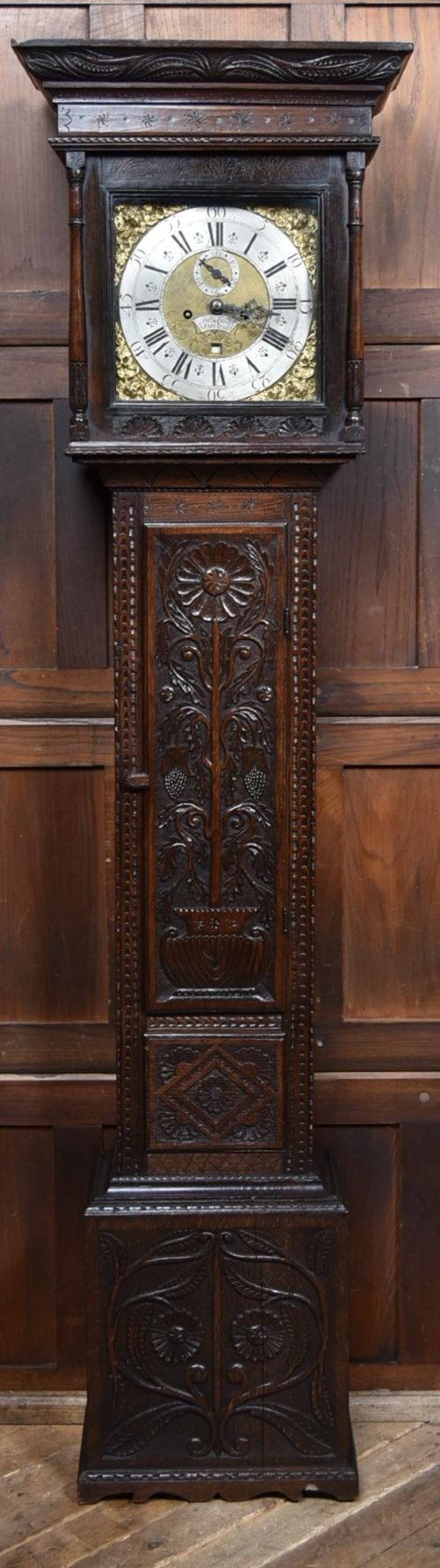
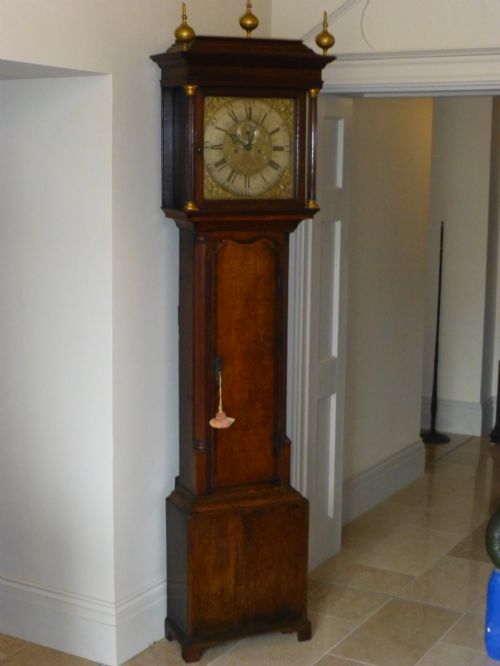
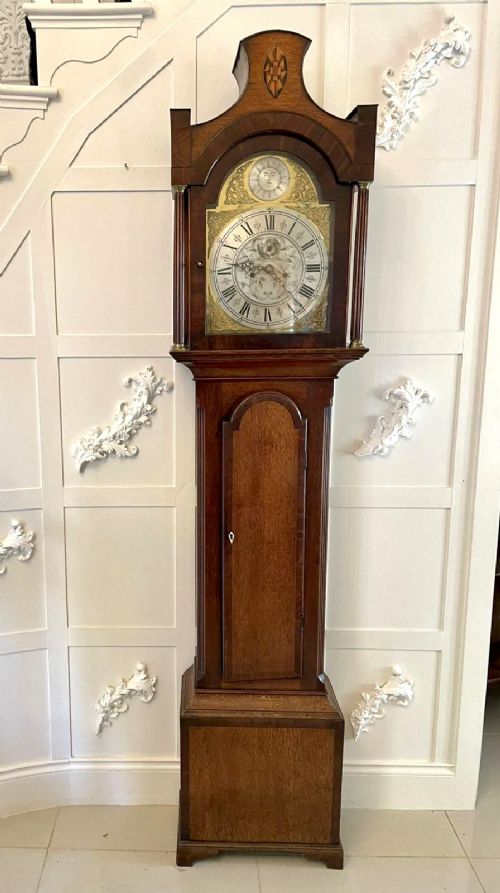
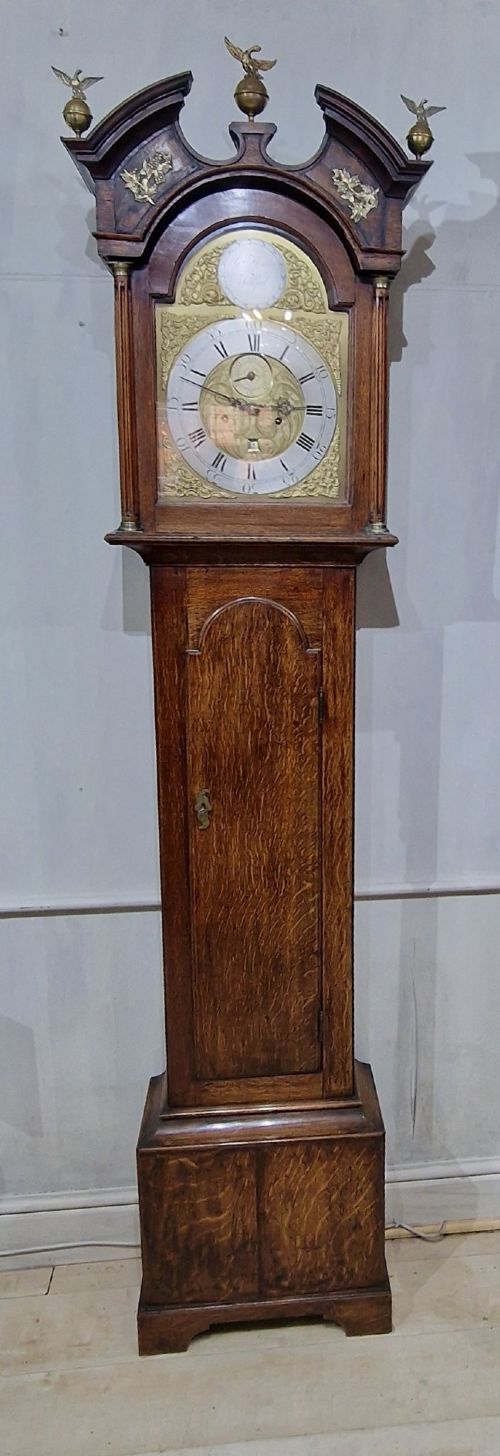
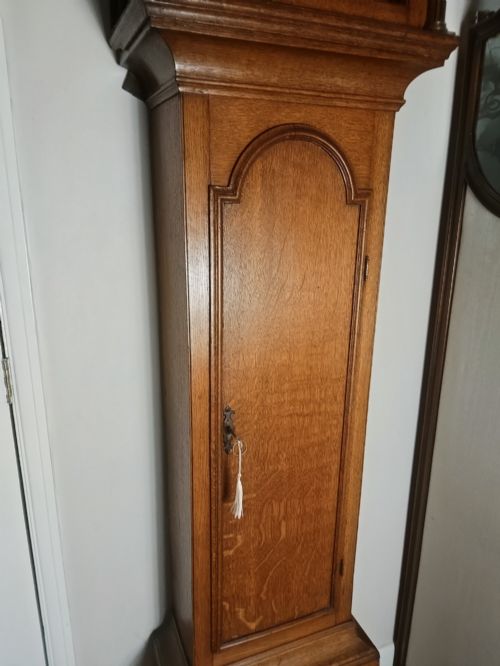
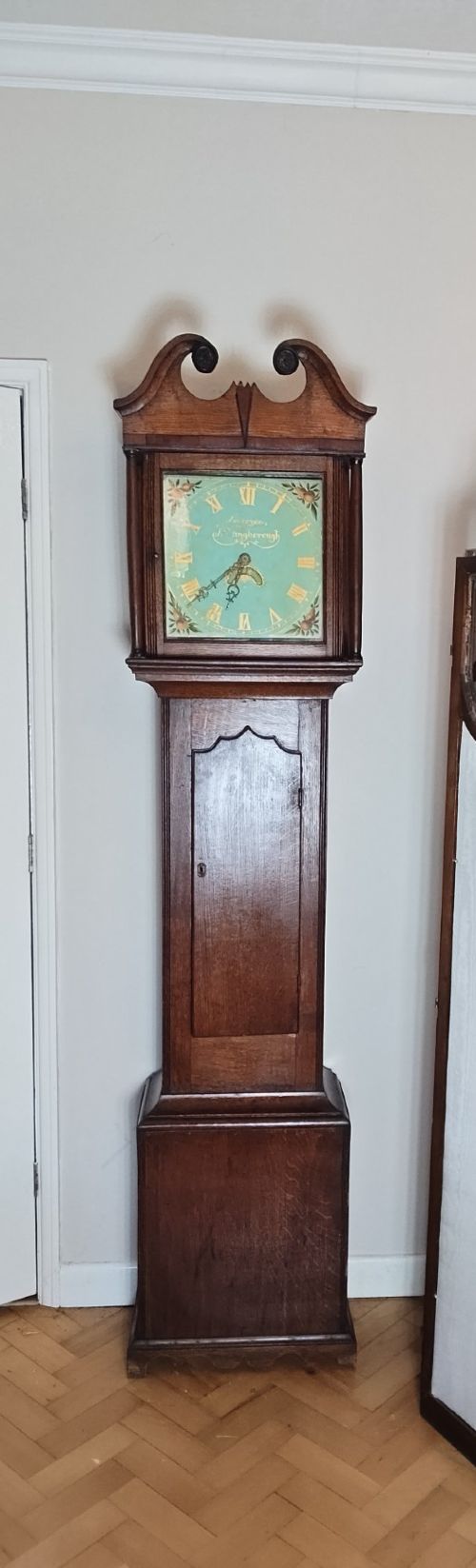
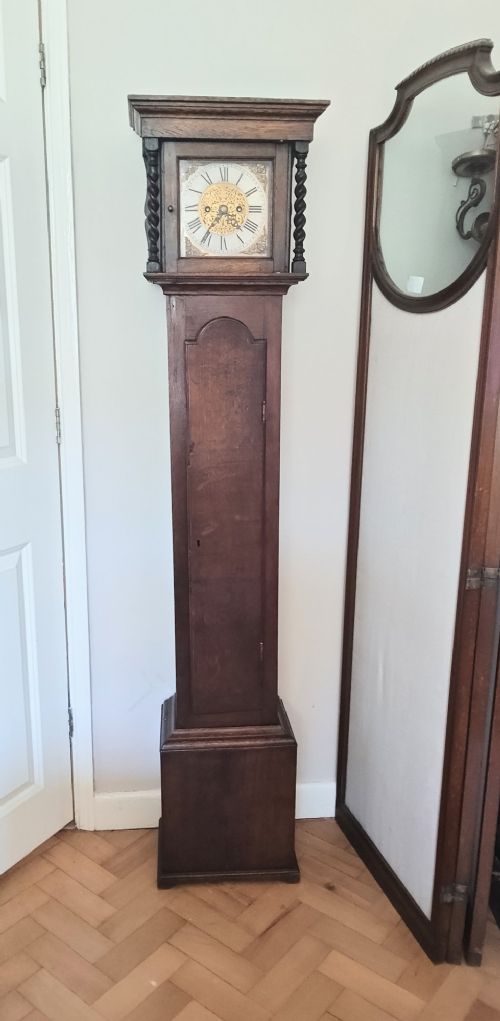
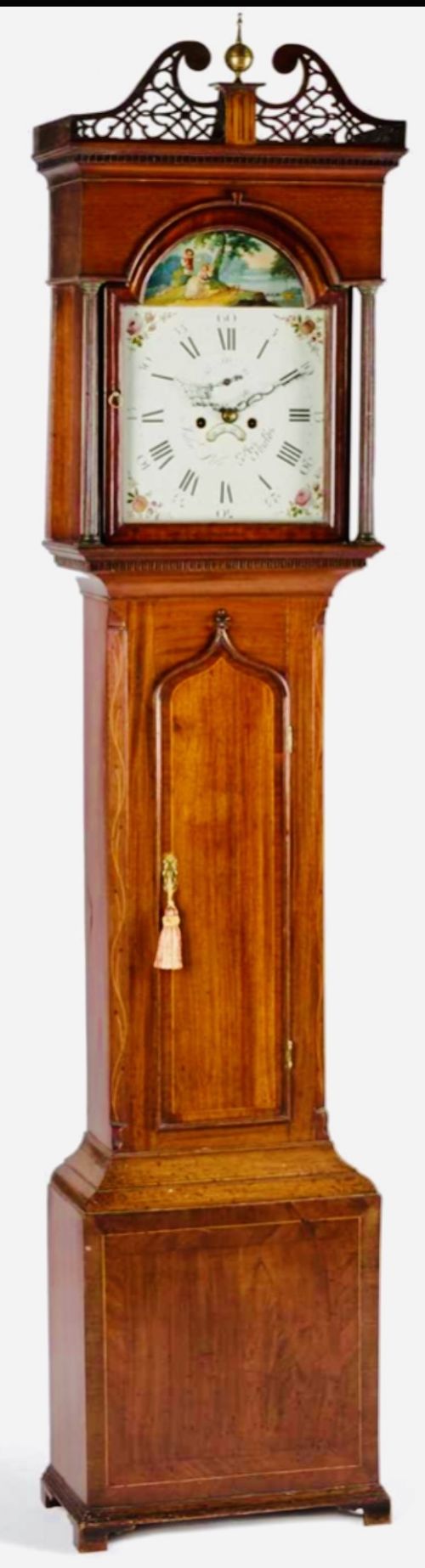
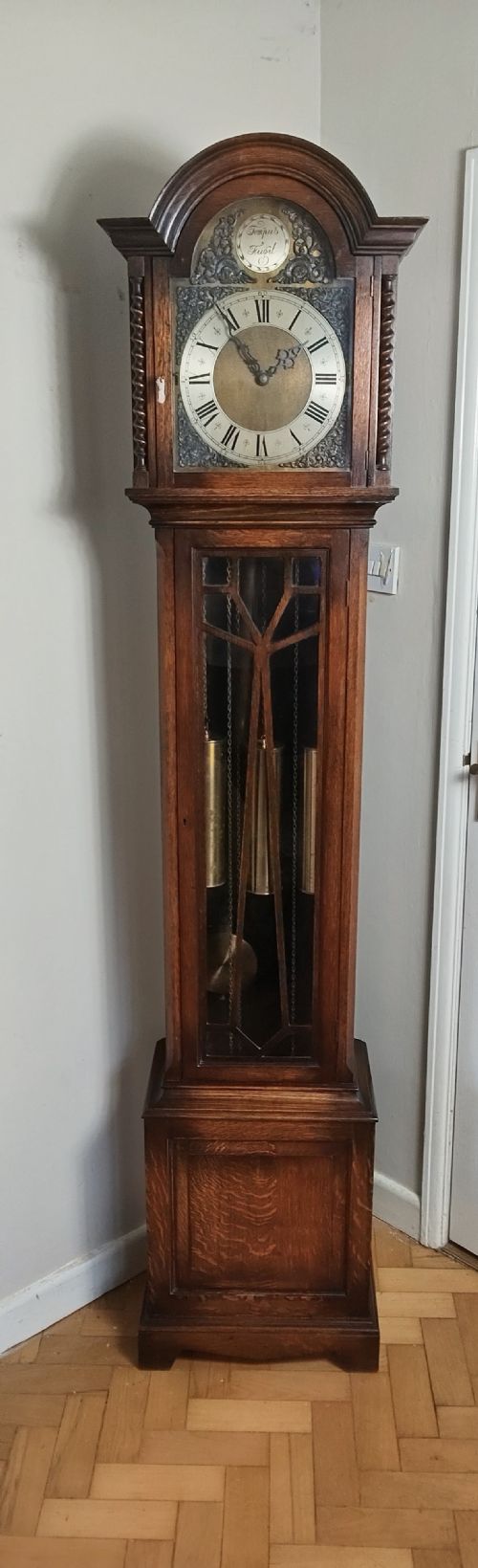
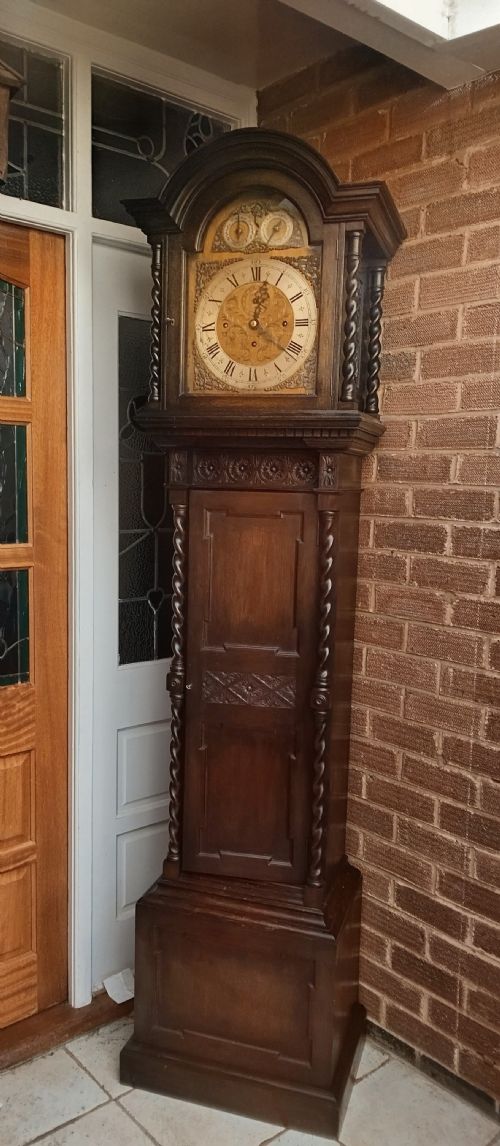
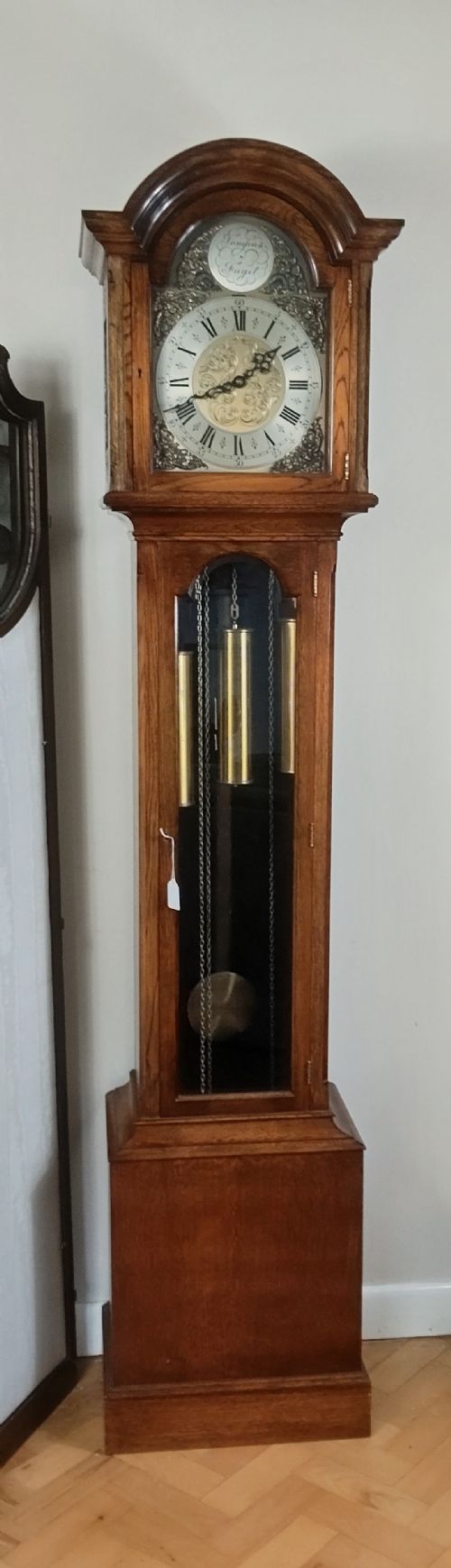


Traditional Oak Floor Clock
A traditional oak floor clock is a tall timepiece housing a pendulum and weights, bringing historic presence and mechanical movement into a room.
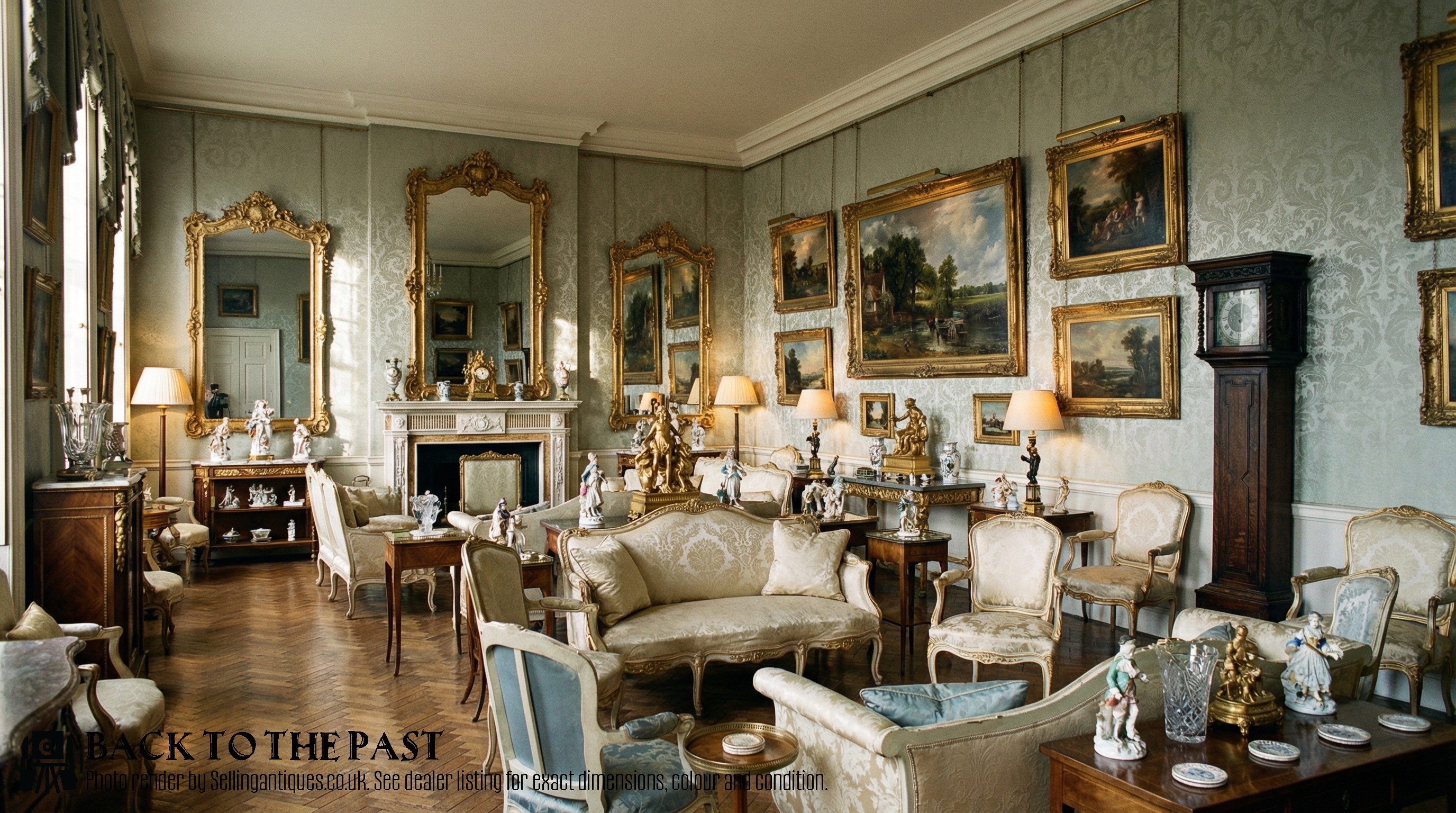
Traditional Oak Floor Clock
When you search for a traditional oak floor clock, you encounter tall timepieces encompassing longcase and grandfather clocks originating primarily from the Georgian period through to the Edwardian and later 1930s eras. These upright timepieces serve as both functional instruments and architectural furniture pieces within domestic interiors.
The most common versions met on this page span 18th-century and George III examples alongside smaller Victorian and Edwardian grandmother clocks. Variations include brass faces, painted iron dials, and timber cases banded with mahogany or walnut.
Makers ranged from provincial watchmakers signing their dials in towns such as Chester, Macclesfield, and Falkirk to later retailers like Bravingtons and Mappin & Webb. Cases vary from simple rustic oak housings to richly carved or crossbanded designs.
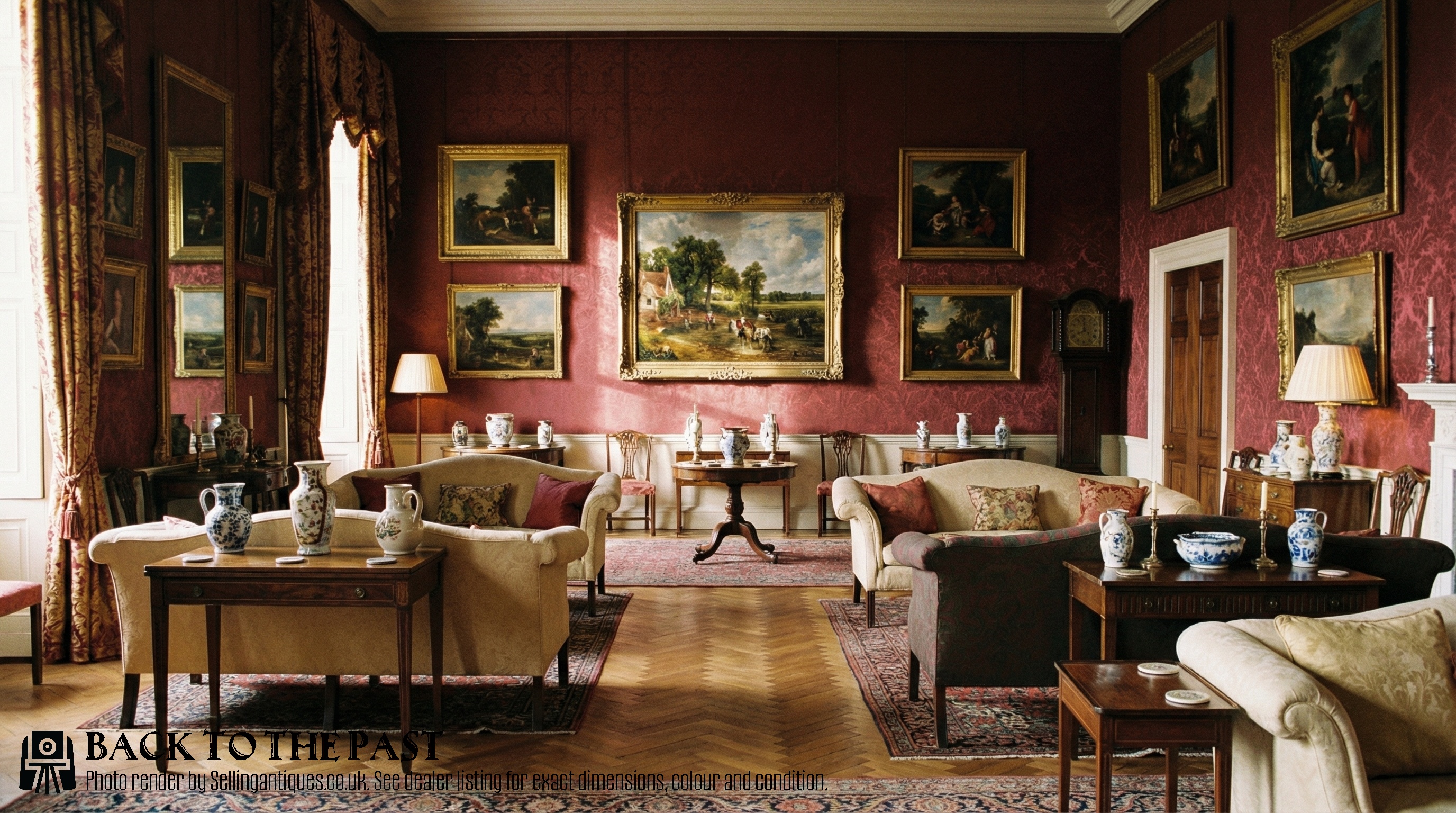
What varies in quality
The sophistication of the internal movement separates standard thirty-hour clocks from complex eight-day, quarter-chiming, or musical mechanisms utilising multiple tubes, bells, or weights. Dial artistry also defines grade, distinguishing simple brass faces from engraved or signed works by notable provincial makers.
Cabinet proportion and timber selection dictate overall merit, separating utilitarian regional cases from refined George III examples featuring mahogany crossbanding, brass spandrels, and architectural hoods.
Materials recorded on this page include solid oak, mahogany, walnut, brass, glass, iron, steel, and painted iron dials.
Jn° Smith·Smith of Chester·James Hendrie·Bravingtons·Richard Prew Of Tewksbury·John Wylde, Nottingham·Mappin & Webb
The Traditional Oak Floor Clock Glossary
- Longcase clock
- A tall pendulum clock housed in a wooden case consisting of a hood, trunk, and base. These pieces are often referred to as grandfather clocks depending on their height.
- Grandmother clock
- A smaller, more slender version of the traditional longcase clock. They typically date from the early twentieth century or Edwardian period.
- Chapter ring
- The circular ring on a clock face that bears the numeral markings for the hours. They are frequently engraved on brass dials.
- Crossbanding
- A decorative technique where thin strips of veneer, such as mahogany or walnut, are laid across the grain of the primary oak background. This adds visual contrast to the door or base.
- Spandrel
- The ornamental corner piece found on brass clock dials outside the chapter ring. Georgian examples often display cast brass scrollwork or cherub motifs.
Traditional Oak Floor Clock: Frequently Asked Questions
What is the difference between a grandfather and grandmother clock?
Grandfather clocks are full-sized tallcase timepieces dating mainly from the 18th and early 19th centuries. They stand over six feet tall and utilise heavy weights.
Grandmother clocks are scaled-down versions, generally produced during the Edwardian era or the 1920s and 1930s. They fit neatly into smaller modern rooms while retaining mechanical movements.
How do eight-day movements work?
An eight-day movement requires winding only once a week using a key inserted into holes on the dial face. Twin weights or springs supply the power needed for both the timekeeping and striking trains.
Simpler thirty-hour clocks require winding daily or twice a week and generally feature a single weight driving the whole mechanism.
How do I date an oak floor clock?
Dating relies on stylistic details of the dial, case architecture, and the signature of the maker inscribed on the brass or painted face. Georgian models often show square brass dials and plain oak trunks.
Later Victorian and Edwardian examples incorporate arched dials, carved panels, or quarter-chiming mechanisms that reflect the manufacturing tastes of those decades.
Where should I place a floor clock in my home?
Floor clocks require a stable, dry environment away from direct sunlight and strong temperature fluctuations to protect the wooden case and movement. A hallway, landing, or living room wall provides adequate clearance for the swinging pendulum and weights.
Securing the tall case to the wall via the bracket inside the hood ensures stability and prevents accidental tipping.