

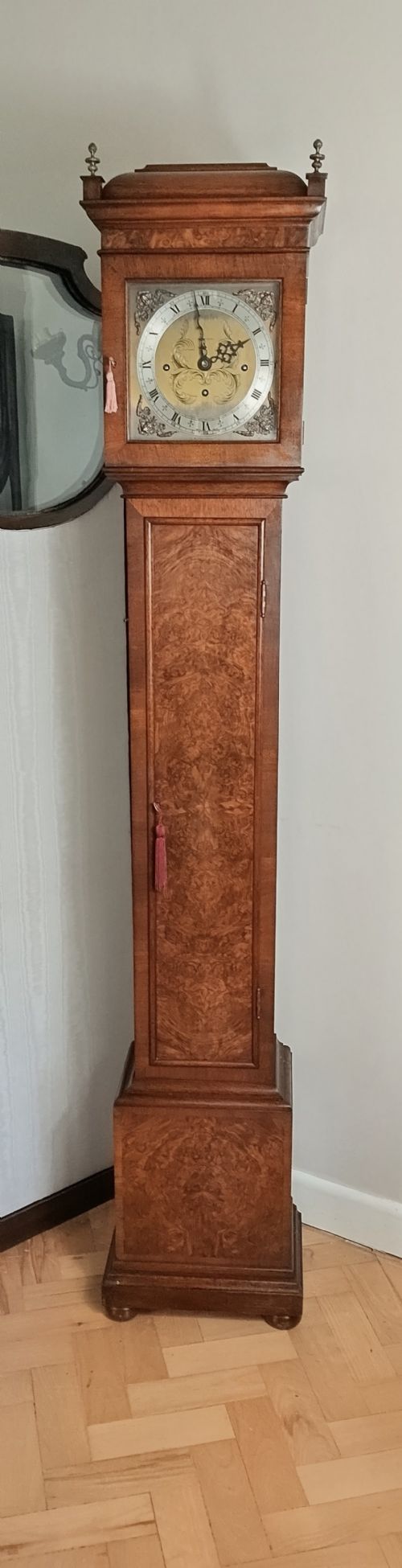
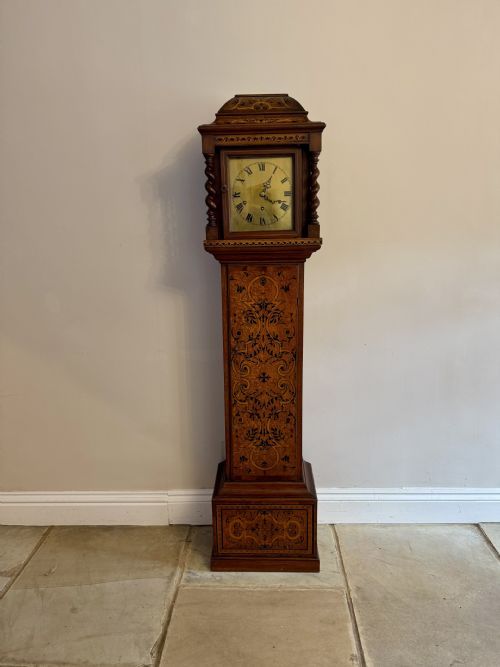


Brass Dial Grandmother Clock
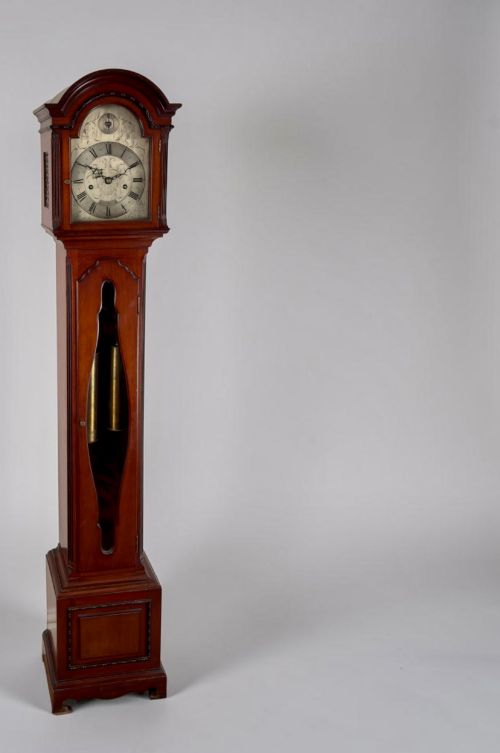
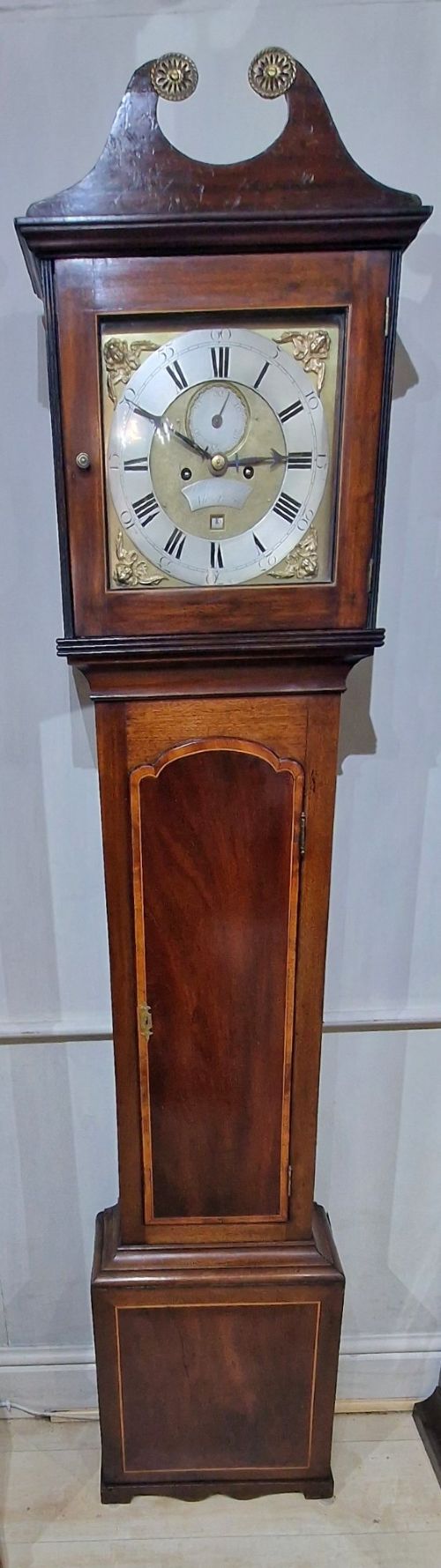
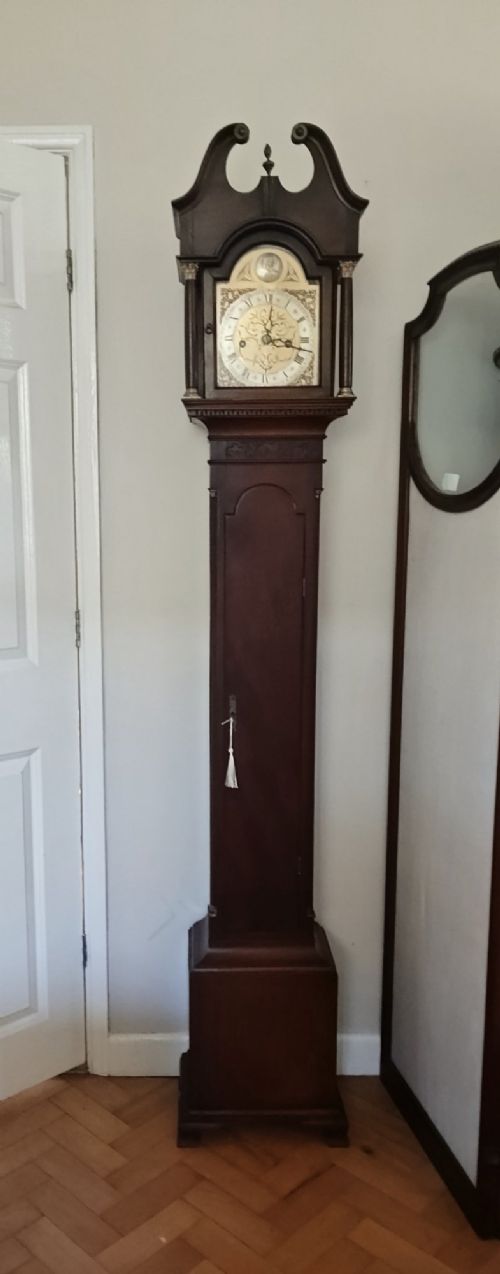
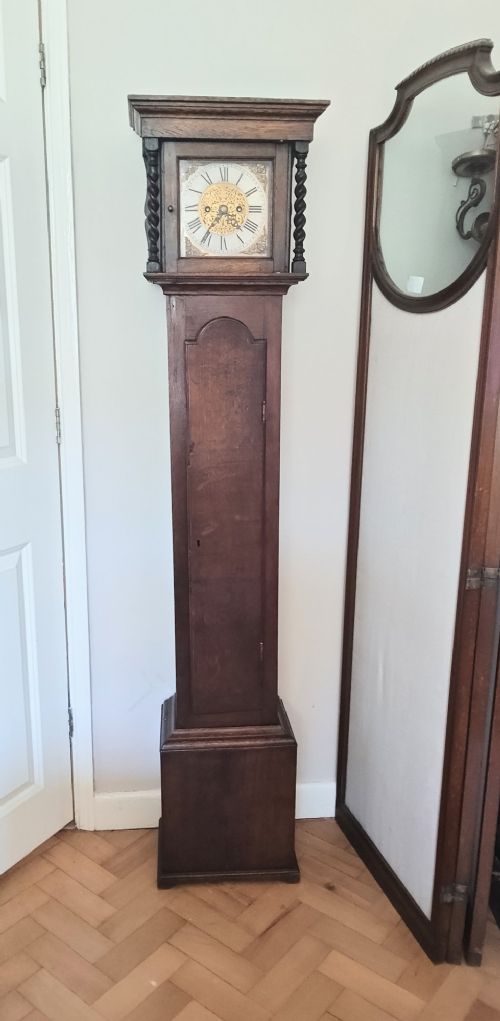
A brass dial grandmother clock offers the presence of a tall case timekeeper in proportions suited to modern rooms.
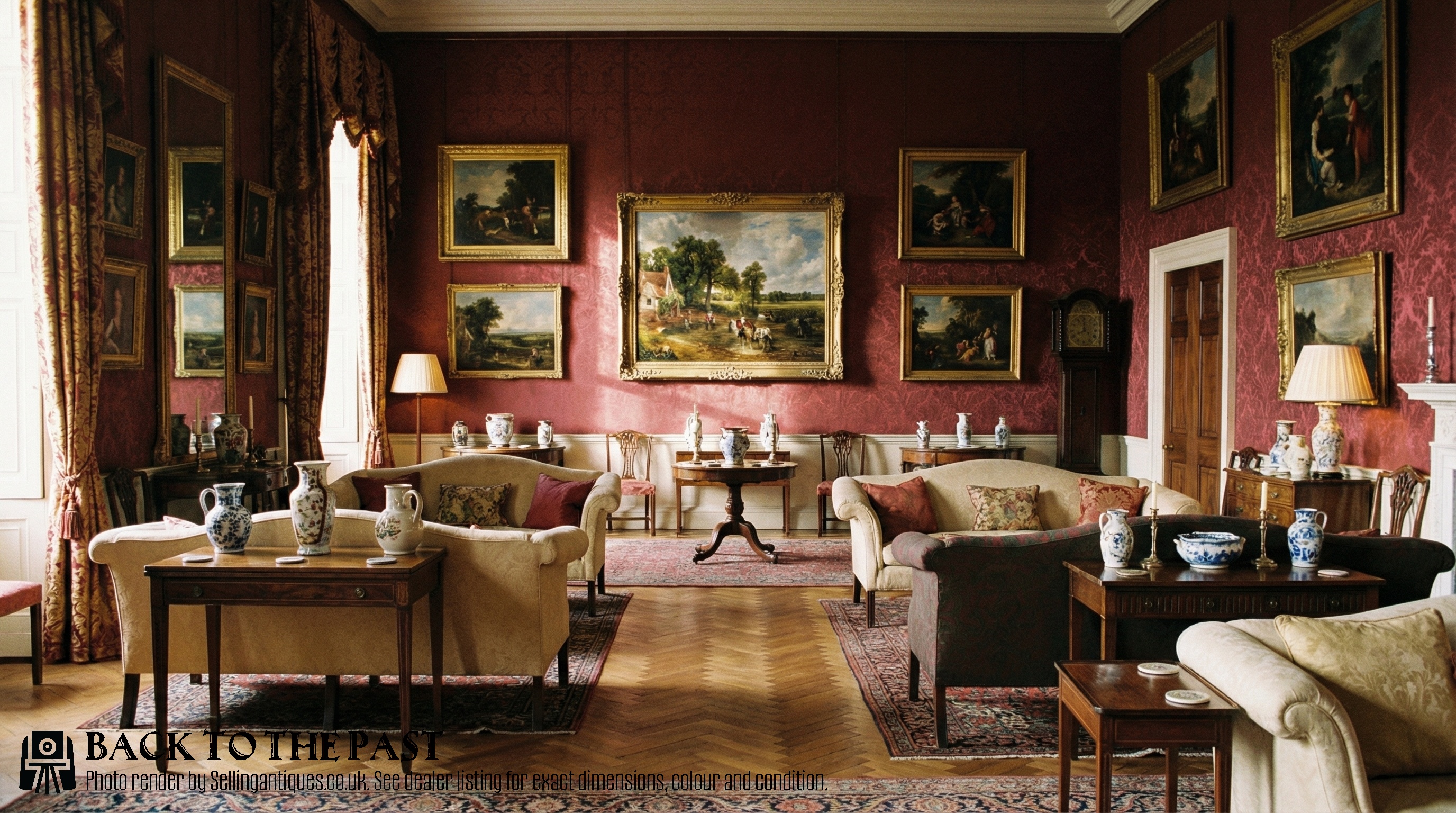
Brass Dial Grandmother Clock
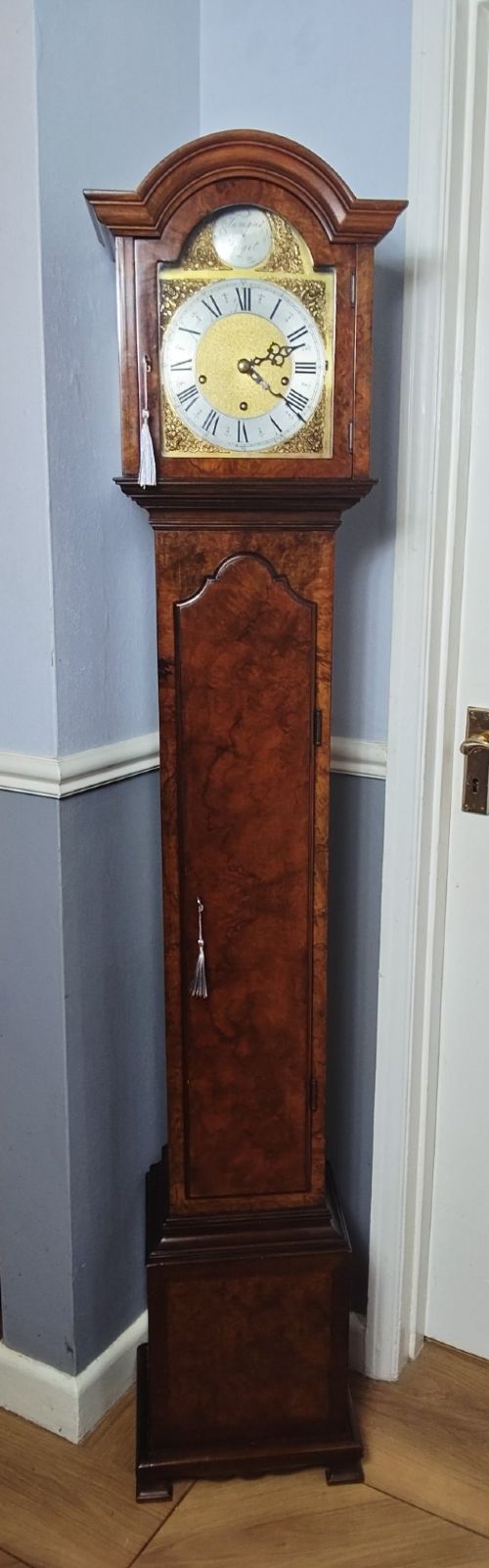
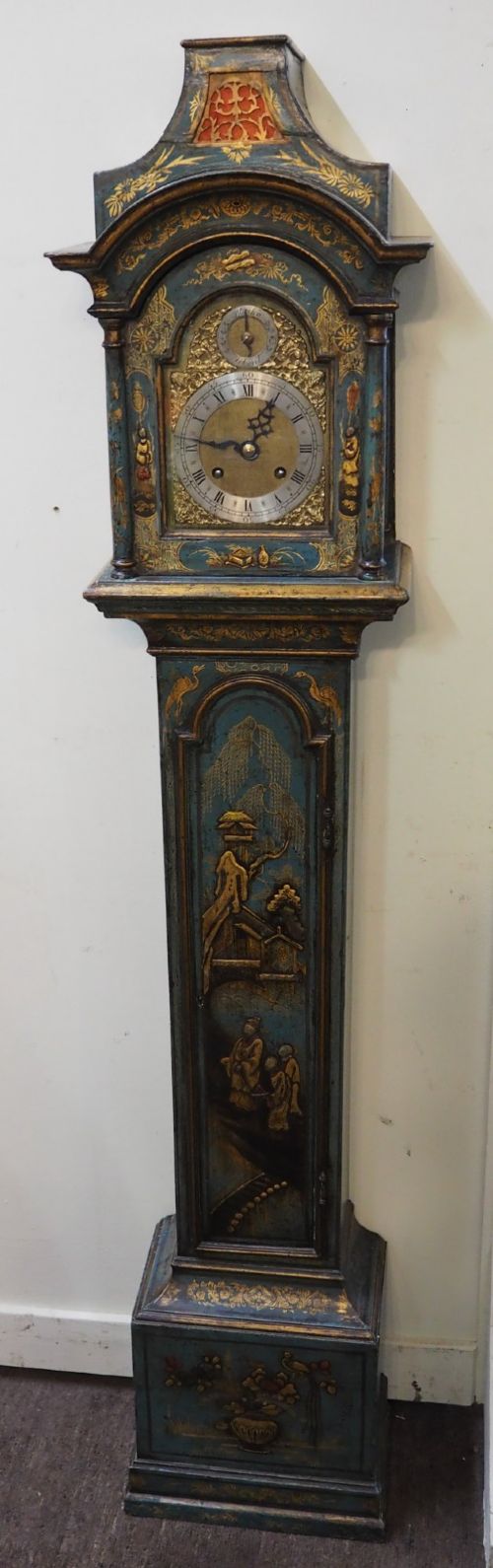
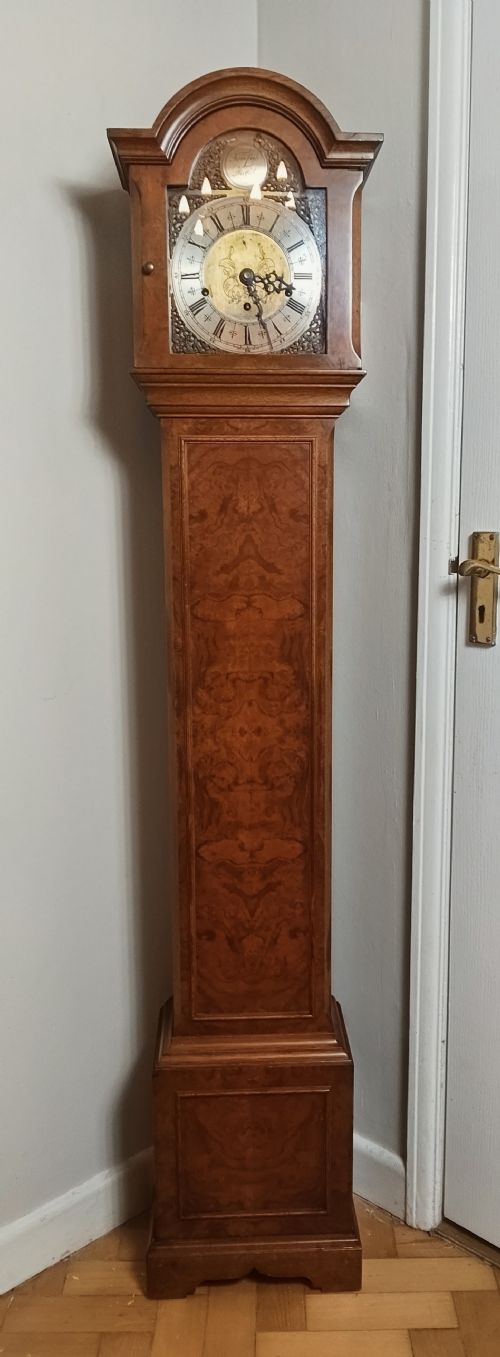
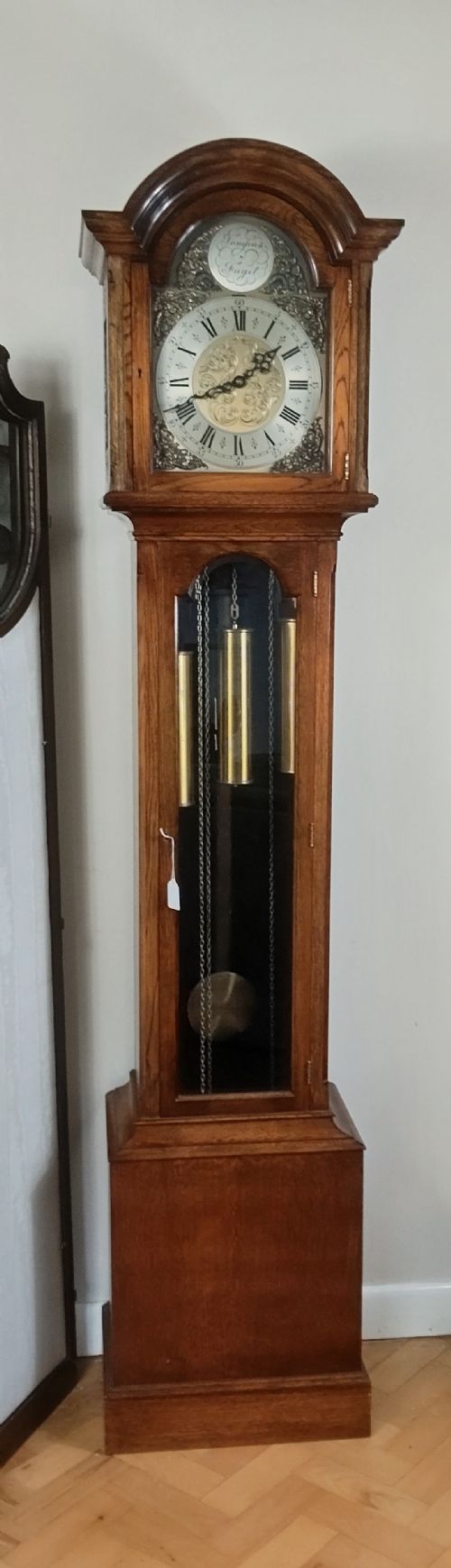
A brass dial grandmother clock is a reduced-scale floor clock, designed to stand in hallways or smaller reception spaces without dominating the architecture. The pieces met here span periods from the Georgian era through Edwardian revivals up to the mid-twentieth century, capturing shifts in domestic taste.
The forms encompass slim longcase clocks, miniature longcases, and designated grandmother clocks housed in compact wooden trunks. Most examples follow traditional floor-standing formats, retaining glazed trunk doors and brass faceplates while shrinking the overall height to more manageable dimensions.
Materials and construction
The structural carcasses rely primarily on timber solids and veneers, utilising mahogany, oak, walnut, and burr walnut alongside decorative applications of blue lacquer and marquetry inlay. These woods provide both stability for the upright trunk and a polished surface to frame the metal dialwork.
Some miniature floor clocks were affectionately dubbed daughter clocks by makers who wanted a playful counterpart to the traditional grandfather.
Factors of quality
Quality rests in the precision of the movement and the depth of the cabinet work, distinguishing simple timepieces from quarter-chiming musical instruments. Superior examples display carefully figured wood veneers, balanced proportions, and complex internal mechanisms built for reliable timekeeping.
The refinement of the brass dial engraving and the crispness of the case mouldings separate workshop standards. Higher grades show meticulous attention to internal acoustics and cabinetry joinery rather than surface decoration alone.
Gillett & Johnston·Elliott·JJ Elliot·Harrods·Dent of London
The Brass Dial Grandmother Clock Glossary
- Grandmother clock
- A reduced-scale floor clock standing lower than a traditional longcase. These pieces occupy less vertical space while retaining mechanical movements.
- Longcase clock
- An upright floor-standing timekeeper enclosed in a tall wooden case. Weights and pendulum hang freely within the trunk.
- Quarter chiming
- A mechanical capability to sound musical notes at each quarter-hour interval. This function requires additional gear trains within the movement.
- Burr walnut
- Timber harvested from walnut tree growths that produce complex swirling grain patterns. Cabinetmakers sliced these sections into decorative veneers for the case exterior.
- Marquetry
- The art of applying small pieces of wood veneer to form pictorial or geometric patterns on furniture surfaces. Craftsmen utilised contrasting timbers to create visual depth.
Brass Dial Grandmother Clock: Frequently Asked Questions
How tall is a grandmother clock?
These reduced-scale floor clocks stand noticeably lower than full-sized longcase timekeepers, making them adaptable to standard ceiling heights.
Their proportions allow them to fit comfortably in hallways and reception rooms where a taller case would overwhelm the space.
Where should I place my clock?
Position the case against a sturdy interior wall away from direct heat sources and heavy household vibrations.
Stable flooring ensures the pendulum swings evenly and the mechanical movement keeps accurate time without regular interference.
How do chiming movements work?
Internal gear trains release hammers against tuned rods or bells at designated hourly and quarter-hourly intervals.
Weight-driven or spring-driven power sources supply the energy required to lift the hammers and rotate the barrels.
How do I identify the period?
Examine the timber selection, cabinet style, and dial engraving methods to connect the piece with its manufacturing era.
Edwardian revivals often incorporate classic mahogany or oak forms, while mid-century examples utilise burr walnut veneers and cleaner structural lines.