
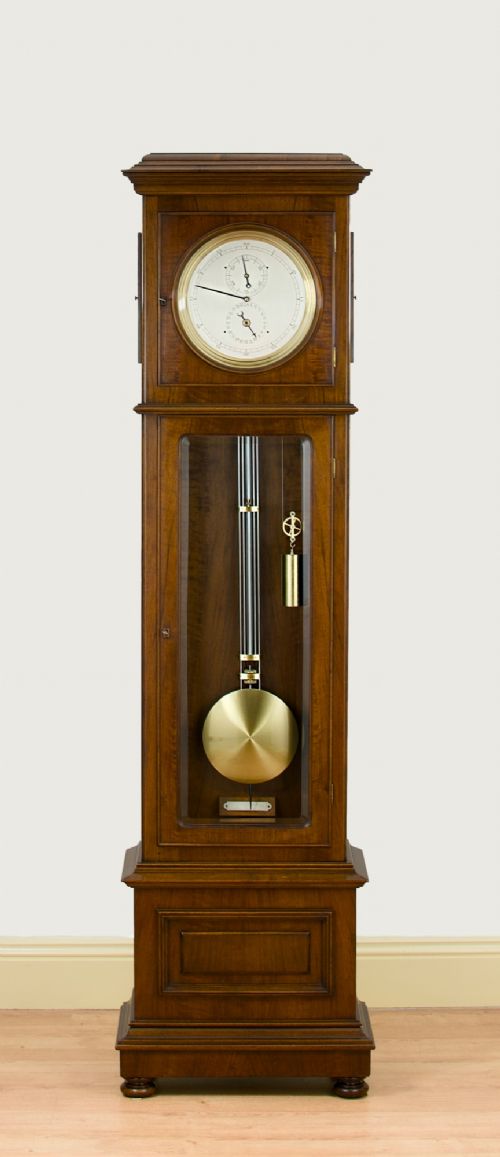


Edwardian Tall Case Clock
An edwardian tall case clock commands a room with architectural timber and mechanical precision.
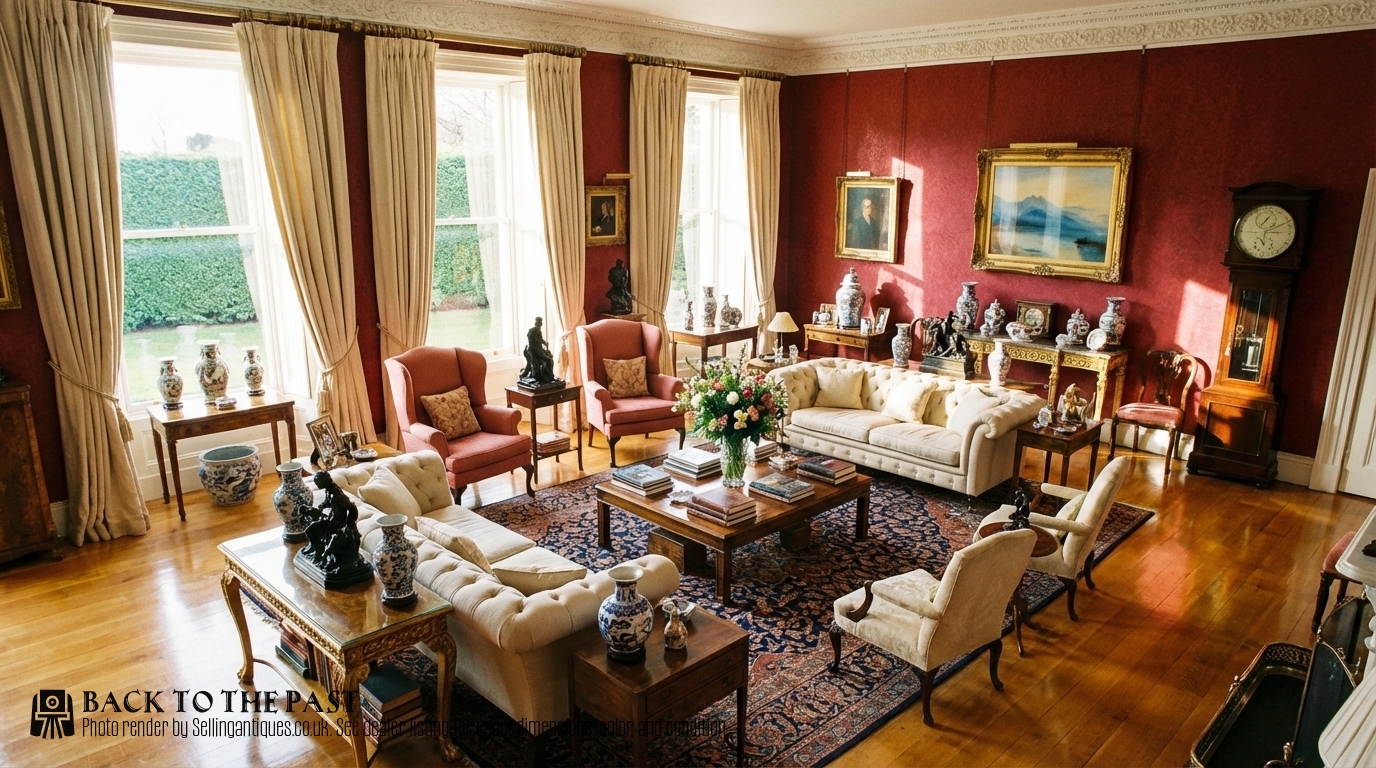
Edwardian Tall Case Clock
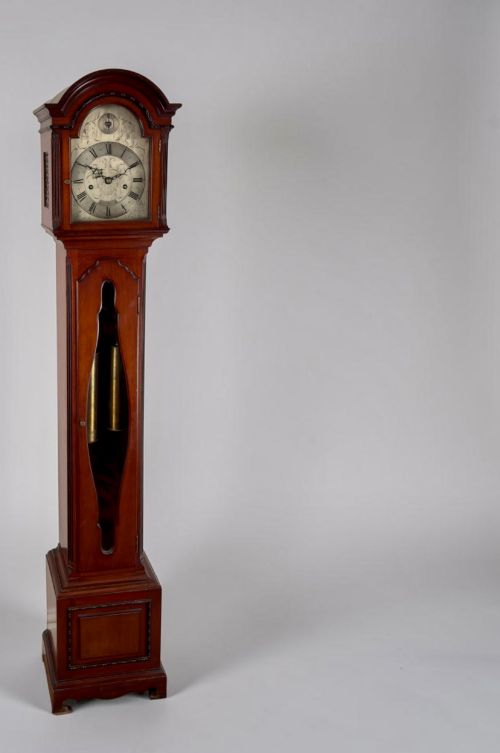
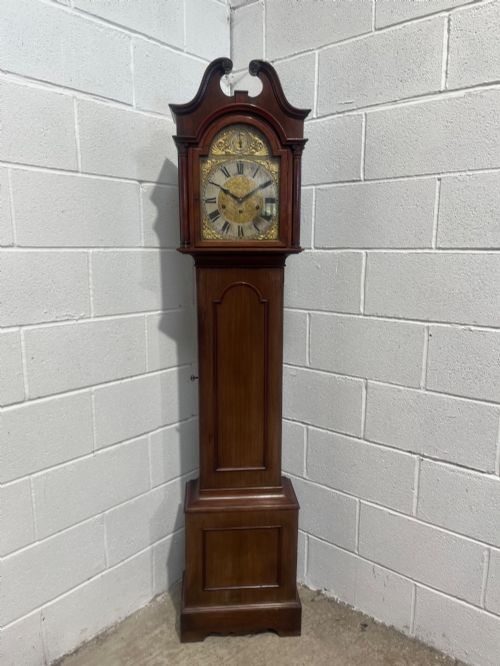
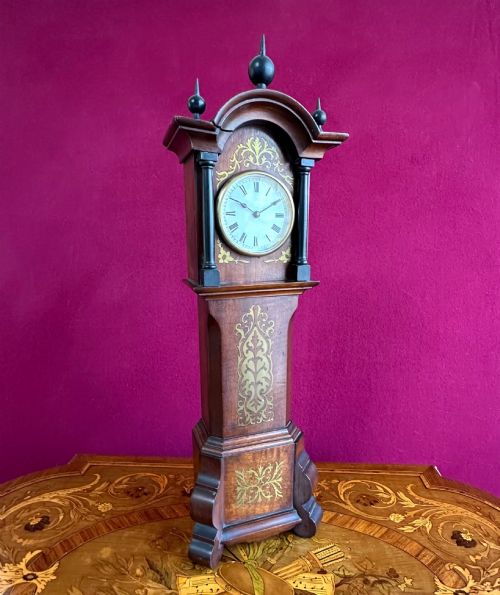
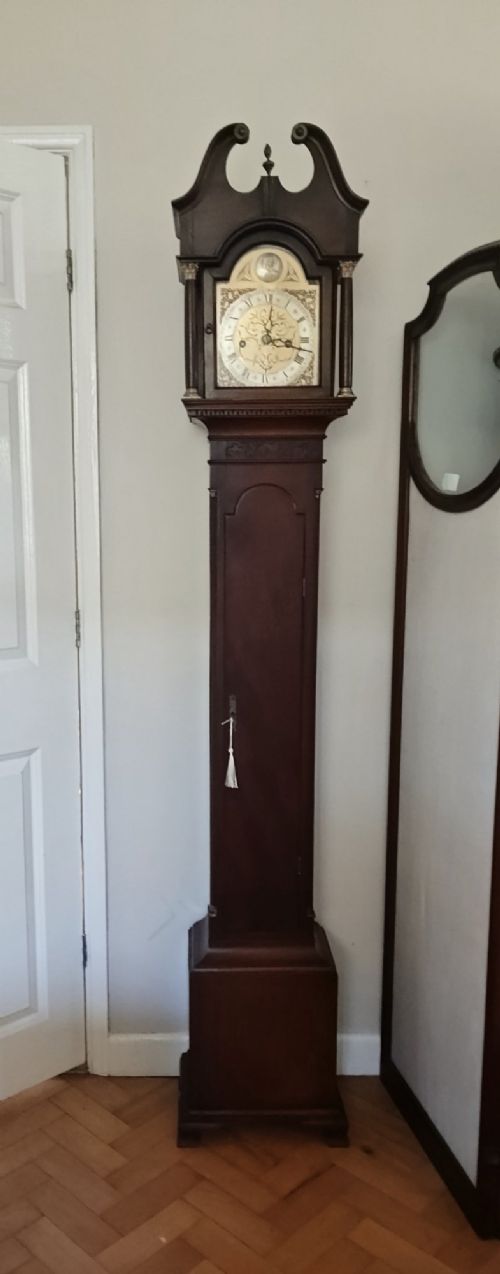
When you search for an edwardian tall case clock, you encounter upright timepieces spanning grand proportions down to slim grandmother and miniature formats. These floor-standing clocks incorporate longcase and grandfathers clock structures alongside smaller chiming variations.
The pieces present here stem primarily from the Edwardian era, alongside related 19th-century and 1920s examples. Makers and retailers of the period housed weight-driven and spring-driven movements inside tall timber housings.
Tall case clocks serve both functional timekeeping and domestic display. The selection includes mahogany, oak, and walnut timber builds featuring plain surfaces, marquetry, and carved revival details.
How they were made
Cabinetmakers constructed the tall cases using solid timbers and veneers including mahogany, oak, walnut, and various other woods. Woodworkers applied marquetry inlay and carved ornamentation to the exterior surfaces.
Clockmakers fitted brass dials, steel components, and glass panelling to protect the face and movement. Cases incorporated doors for pendulum access and weights to drive the internal gear trains.
Several clocks manage to chime multiple tunes, proving that Edwardian households took their daily soundtrack very seriously indeed.
What varies in quality
Quality rests in the execution of the timber case and the sophistication of the internal movement. Clocks featuring intricate carving, marquetry inlay, and multiple chime tunes represent higher production standards.
The presence of named makers or retailers adds distinction to a piece. Scale also varies, with miniature and slim proportions influencing desirability.
Gillett & Johnston of Croydon·Lenzkirch·Edward Shepley of Manchester·Mappin & Webb London·Lister & Sons·Dent of London·Maple & Co of London
The Edwardian Tall Case Clock Glossary
- Longcase clock
- A tall, weight-driven pendulum clock housed in a vertical wooden case. These timepieces stand directly on the floor.
- Grandmother clock
- A smaller, more compact version of a traditional longcase clock produced during the 20th century. They suit rooms with lower ceilings.
- Regulator clock
- A precision pendulum clock designed for exceptional timekeeping accuracy. They often feature simplified dials and clear seconds displays.
- Chiming clock
- A clock that plays musical tunes or chimes on the quarter hour, half hour, or hour using gongs or bells. Multi-train movements manage these sequences.
- Marquetry
- Decorative woodwork where pieces of veneer are fitted together to form pictorial or geometric patterns on the case surface.
Edwardian Tall Case Clock: Frequently Asked Questions
How do I wind an Edwardian tall case clock?
Winding requires raising the weights using a crank or key inserted into the dial face, depending on the specific movement design.
Take care not to over-wind the mechanism, stopping as soon as resistance is felt to protect the internal springs or cord systems.
What is the difference between a grandfather and grandmother clock?
A grandfather clock is a full-sized tall case clock standing typically over six feet tall, designed for spacious hallways.
A grandmother clock is a scaled-down version produced later, featuring shorter proportions that fit easily into modern domestic spaces.
Where should I place a tall case clock?
Position the clock against a sturdy interior wall away from direct sunlight, heating vents, and damp areas.
Placing it on a level floor ensures the pendulum swings evenly and the movement keeps accurate time.
How do I identify an Edwardian tall case clock?
Examine the timber, dial style, and construction methods to distinguish Edwardian examples from earlier Georgian or Victorian pieces.
Edwardian clocks often combine traditional proportions with revival styles, utilising mahogany or oak alongside mechanical chimes.