


Edwardian Oak Chiming Clock
An edwardian oak chiming clock brings together solid timber cases and intricate mechanical movements to fill a room with traditional hourly melodies.
Edwardian Oak Chiming Clock
When you search for an edwardian oak chiming clock, you encounter a variety of upright forms ranging from large floor-standing longcase examples to smaller desk and mantel pieces. The pieces listed across this page span the Edwardian period alongside late Victorian and early twentieth-century dates, reflecting the golden oak and darker carved styles of the era.
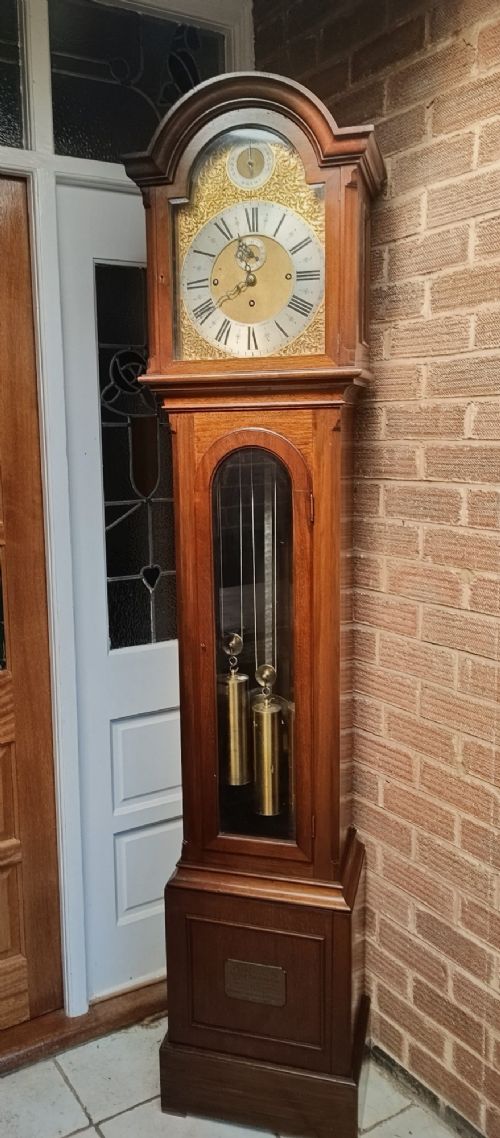
Grandmother and grandfather clocks dominate the taller end of the selection, frequently featuring slender proportions suited to domestic hallways rather than grand chambers. Mantel and bracket clocks provide a more compact alternative for desks or shelves, often equipped with visible glass panels or striking bells.
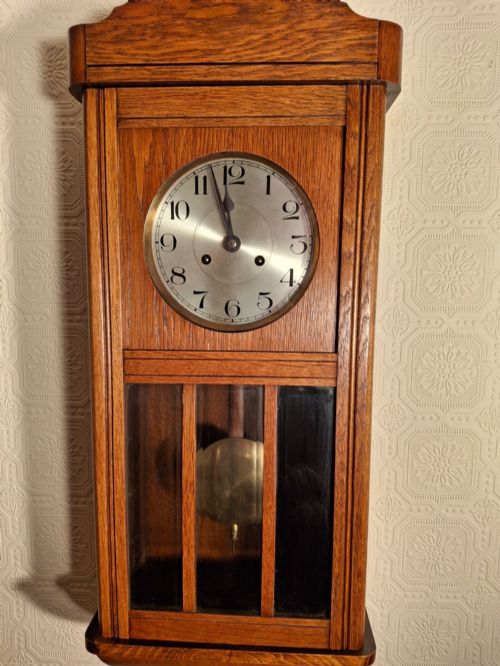
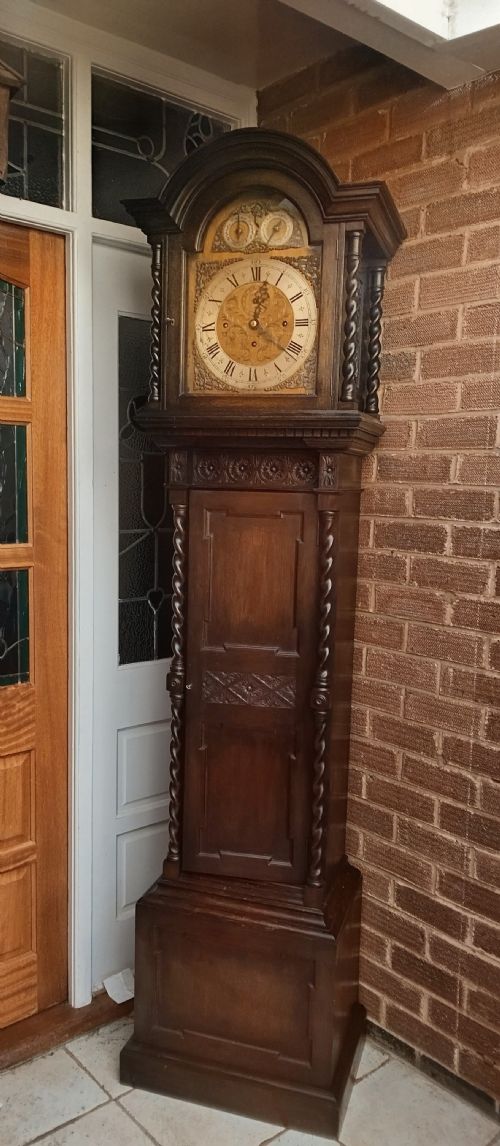
The timber casing itself shows considerable variety, from simple golden oak surfaces to heavily carved panels and barley twist columns. Movements range from eight-day timepieces to complex mechanisms playing multiple tunes on gongs or bells.
Quality and craftsmanship
The distinction between standard production and top-tier examples lies in the complexity of the internal movement and the crispness of the exterior carving. Multi-bell or multi-tune mechanisms by established makers represent a higher standard of horological engineering than simple hour-striking alternatives.
Timber selection and cabinetwork further divide the range, with superior pieces displaying carefully matched grain patterns, tight joinery, and well-proportioned architectural details rather than heavy-handed decoration.
Listings span the late Victorian period through to the 1930s, showcasing oak cases alongside glass and brass components.
The Edwardian Oak Chiming Clock Glossary
- Grandmother clock
- A slim, smaller version of the traditional longcase clock, standing shorter than a standard grandfather clock. These pieces suit rooms with lower ceilings while housing full mechanical movements.
- Bracket clock
- A portable clock originally designed to sit upon a wall bracket, though later examples served primarily as mantel clocks. They typically feature carrying handles on top and glazed side panels.
- Chiming movement
- A mechanical system that sounds fractions of an hour using multiple hammers striking bells, gongs, or rods. Common variations include Westminster, tubular bell, and multi-tune arrangements.
- Silvered metal
- A brass or copper dial component treated with a silver solution to create a bright, matte finish. This treatment enhances the legibility of the engraved numerals and chapter rings.
- Barley twist
- A decorative turning technique resembling a spiralling rope column. This detail frequently appears on the hood columns and side pillars of oak clock cases.
Edwardian Oak Chiming Clock: Frequently Asked Questions
Where should I place a longcase clock?
Position the clock against an interior wall away from direct sunlight, central heating vents, and damp exterior walls to protect the oak timber case.
A stable, level floor is essential to ensure the pendulum swings evenly and the mechanism keeps accurate time.
What is the difference between a mantel and bracket clock?
Bracket clocks historically featured portable designs with arched wooden cases and carrying handles, intended to sit on wall shelves. Mantel clocks developed later as decorative timepieces resting directly on fireplace surrounds or furniture.
Both types utilise compact spring-driven movements rather than falling weights.
How do I identify an Edwardian clock?
Look for construction traits typical of the early twentieth century, such as golden oak finishes, Arts and Crafts influences, and clear brass dials.
Compare the style of the numerals and case carvings with dated examples from the same era to confirm the period.