
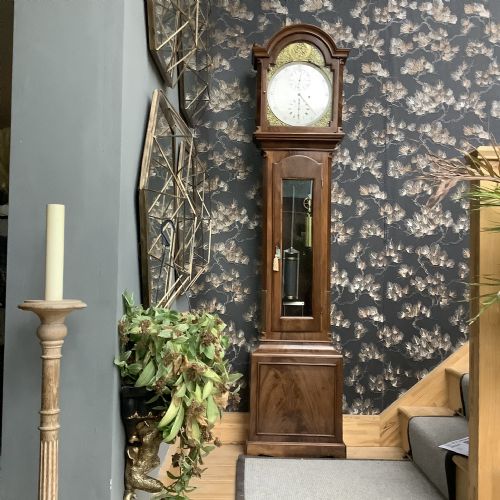
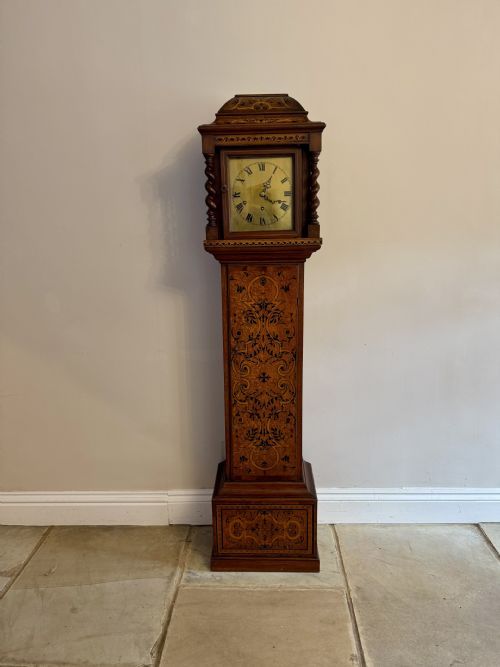
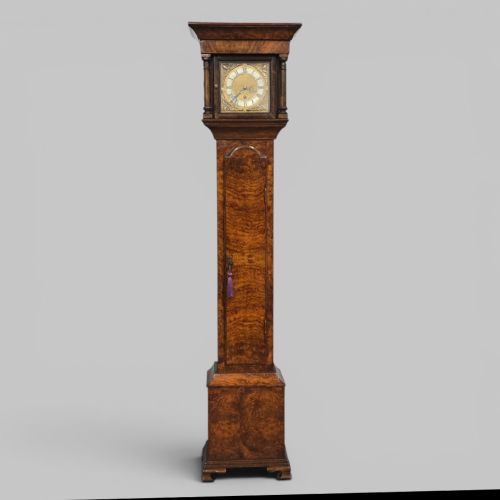

Vintage Chiming Longcase Clock
A vintage chiming longcase clock brings architectural presence and mechanical rhythm to a room, driven by brass movements and weight-driven chimes.
Vintage Chiming Longcase Clock
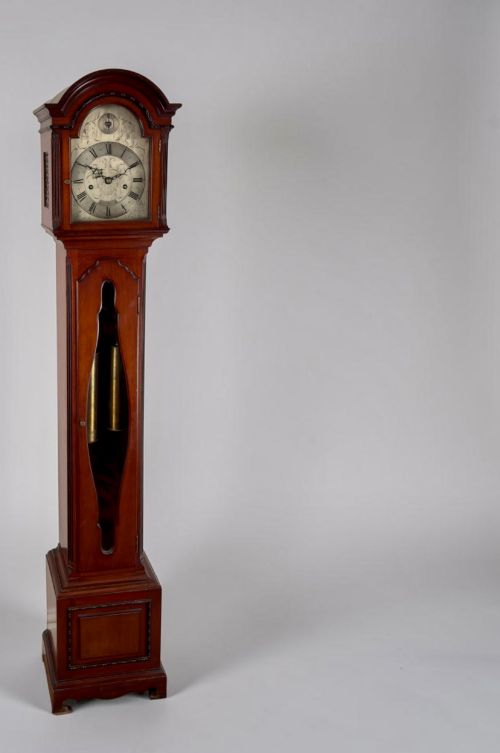
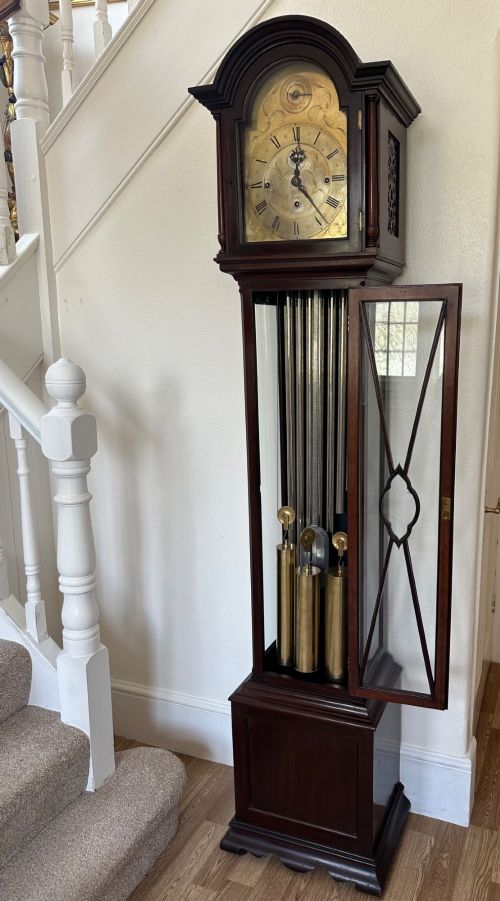
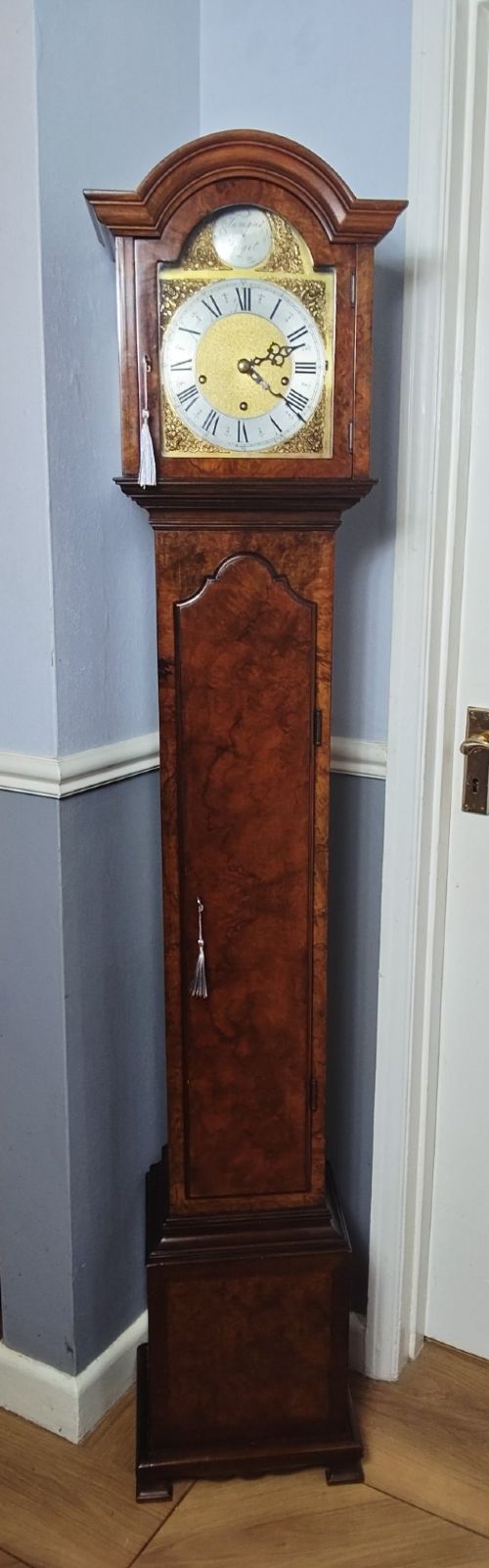
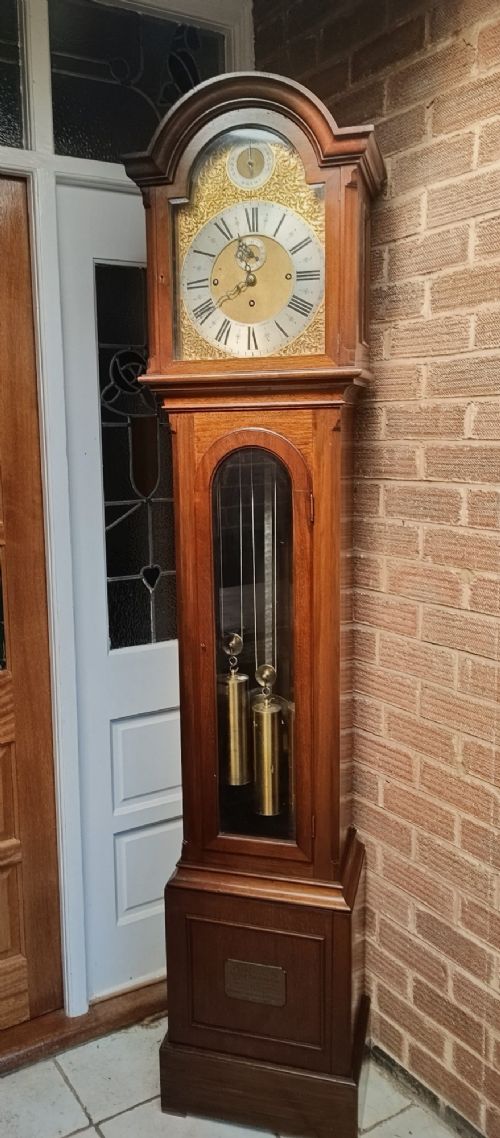
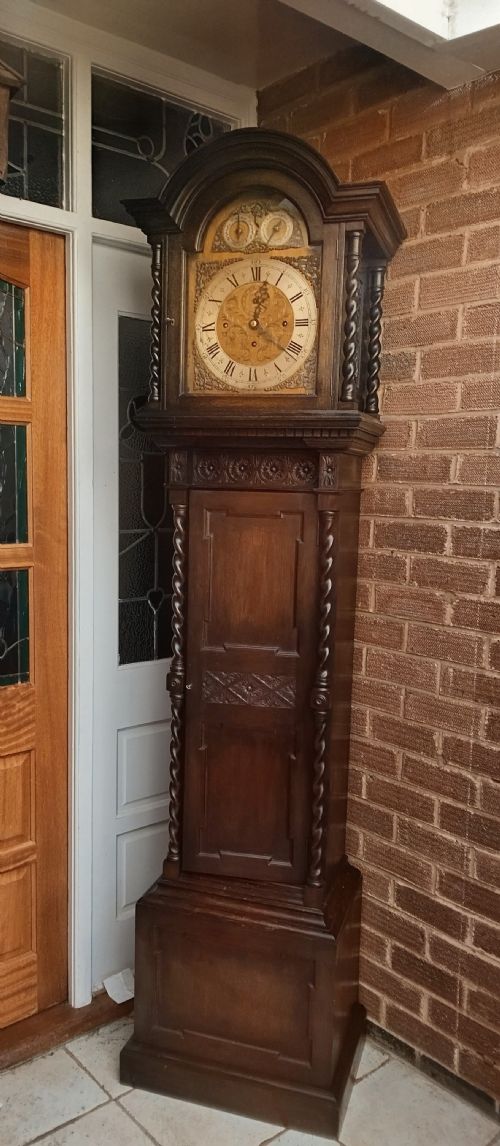
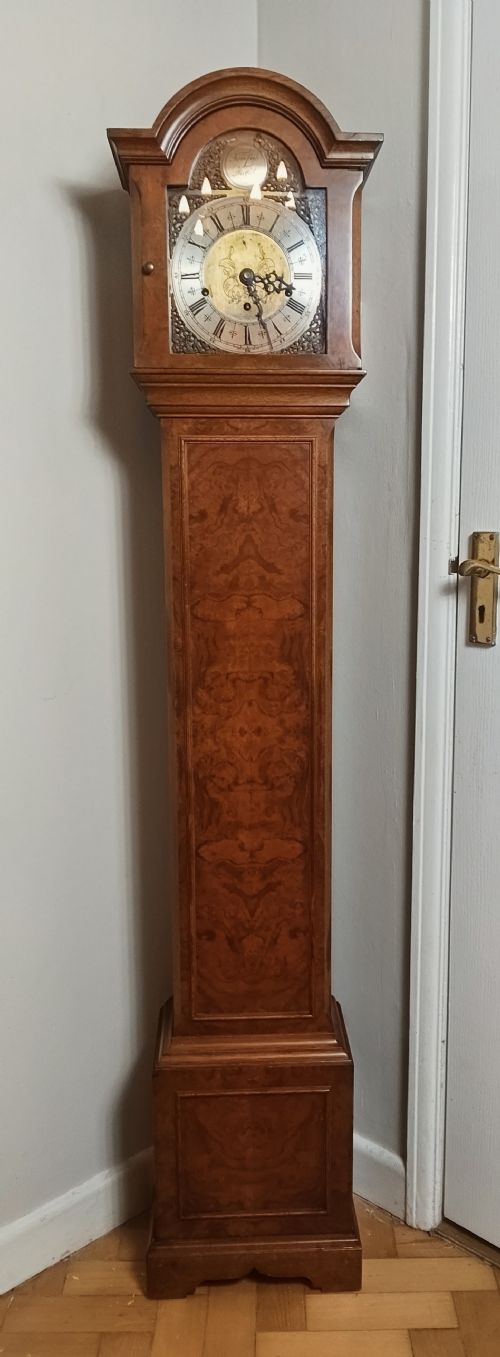
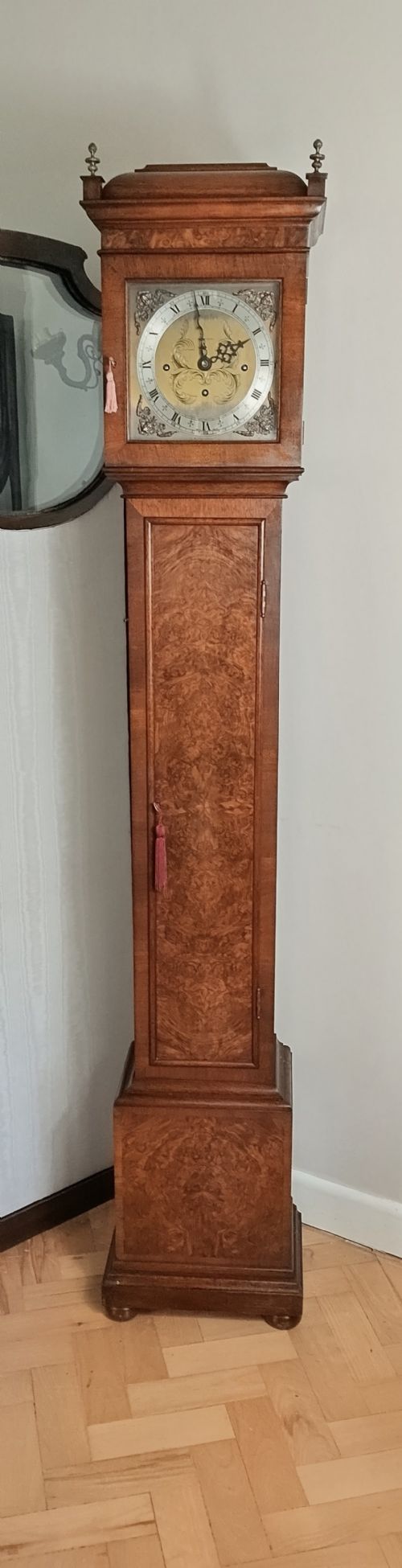
A vintage chiming longcase clock combines tall wooden cabinetry with pendulum-regulated timekeeping and musical chime mechanisms. These pieces span from the Victorian and Edwardian eras through the Art Deco period, offering variations in scale from full grandfather proportions down to smaller grandmother formats.
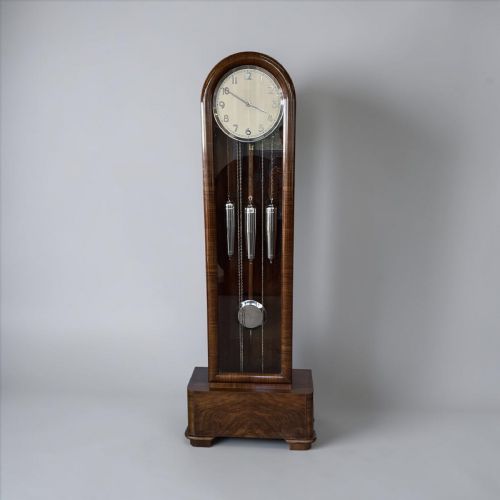
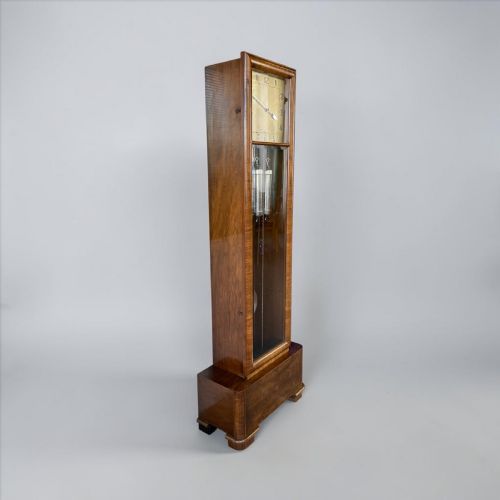
The selections on this page concentrate heavily on Edwardian and 1930s examples housed in mahogany, oak, and walnut. Buyers will encounter both grand three-train musical movements and more compact eight-day striking variations designed for domestic spaces.
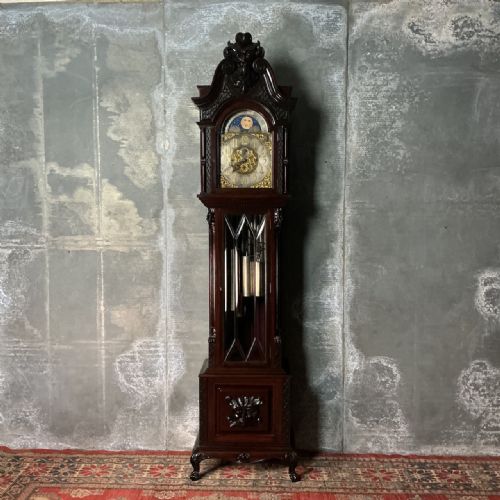
The fundamental architecture relies on a vertical wooden trunk enclosing the weights and pendulum, topped by a glass-fronted hood that protects the dial. Within this category, floor clocks integrate complex mechanical bells, gongs, or tubular systems that sound the quarters and hours.
Materials and construction methods
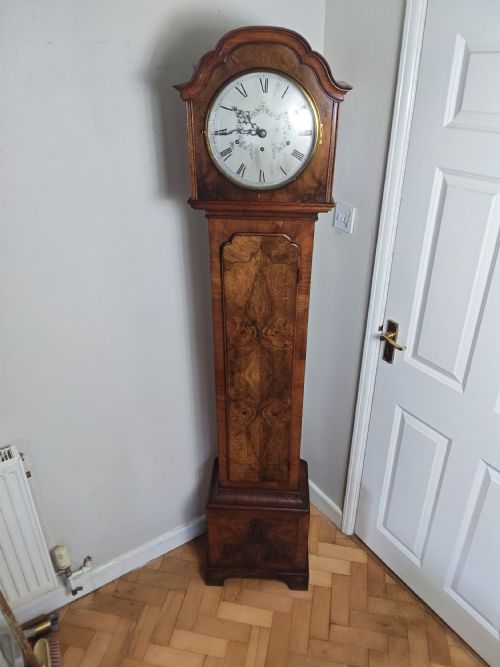
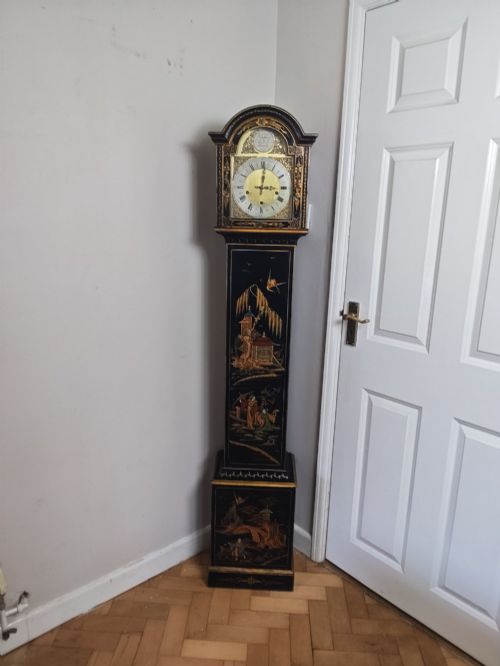
Cabinetmakers utilised solid woods and decorative veneers, applying mahogany, oak, and burr walnut alongside satinwood inlay and Chinoiserie decoration. Cases were constructed with hinged hood doors and trunk panels to allow access to the brass movements and hanging weights.
Internal mechanics depend on heavy brass gear trains, steel pinions, and suspended pendulums, often configured for three weights to power time, strike, and musical chime sequences. Sound is produced by hammers striking tuned gongs, bells, or hanging tubular rods fixed within the upper case.
Some models play multiple distinct tunes on a rotating pinned cylinder, turning a household timekeeper into a tiny mechanical concert hall.
Distinctions in craftsmanship
Quality reveals itself in the depth of timber selection, such as figured burr walnut and quarter veneered panels, alongside the precision of inlaid marquetry details. Superior cases exhibit balanced proportions, tight joinery, and substantial mouldings that frame the dial without distortion.
On the mechanical side, differentiation lies in the complexity and execution of the chiming apparatus, from simple hour strikes to multi-tune musical cylinders and tubular bell arrays. Finer movements operate with clean brass plates, crisp gear engagement, and well-finished acoustic components.
Gillett & Johnston·Elliott·Bravingtons·Enfield·Harrods·Lister & Sons
The Vintage Chiming Longcase Clock Glossary
- Grandmother clock
- A smaller version of the traditional longcase clock, typically standing at a reduced height while retaining weight-driven or spring-driven chiming movements.
- Three train
- A movement equipped with three separate gear trains to handle timekeeping, hour striking, and musical chime melodies independently.
- Tubular bell
- A system of suspended metal tubes struck by internal hammers to produce resonant, cathedral-like chime tones within the clock hood.
- Chinoiserie
- A decorative style employing hand-painted or lacquered oriental motifs, frequently applied to the wooden cases of certain musical clocks.
- Regulator clock
- A high-precision timekeeper designed for exceptional accuracy, often featuring a simplified dial layout and meticulous pendulum calibration.
Vintage Chiming Longcase Clock: Frequently Asked Questions
What is a grandmother clock?
A grandmother clock is a scaled-down version of the traditional floor clock, built with narrower proportions and a reduced height suitable for modern rooms.
Despite their smaller stature, these clocks frequently house sophisticated eight-day chiming movements and musical mechanisms comparable to larger grandfather clocks.
How do tubular bells work?
Tubular bell systems use a series of hanging metal tubes suspended inside the upper trunk of the clock.
When the movement reaches a quarter-hour interval, internal hammers strike these tubes to produce rich, resonant chimes.
Where should I place a longcase clock?
Longcase clocks require a stable, dry interior wall away from direct sunlight and heavy foot traffic to maintain pendulum equilibrium.
Adequate clearance behind the hood and trunk is essential for door access during winding and regulation.
How do I wind a chiming clock?
Winding involves using a specialised key to raise the internal weights or tension the springs via winding arbors on the dial face.
Care must be taken not to overwind the mechanism, and the chime sequence should be allowed to finish its cycle naturally.