
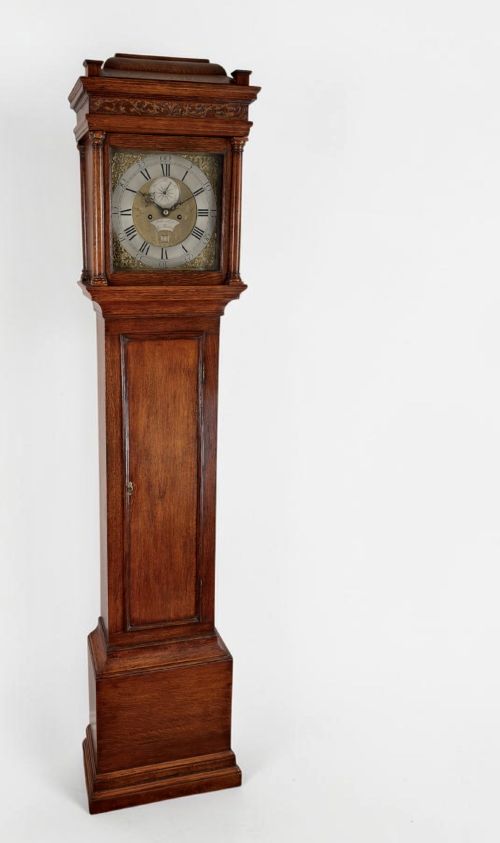
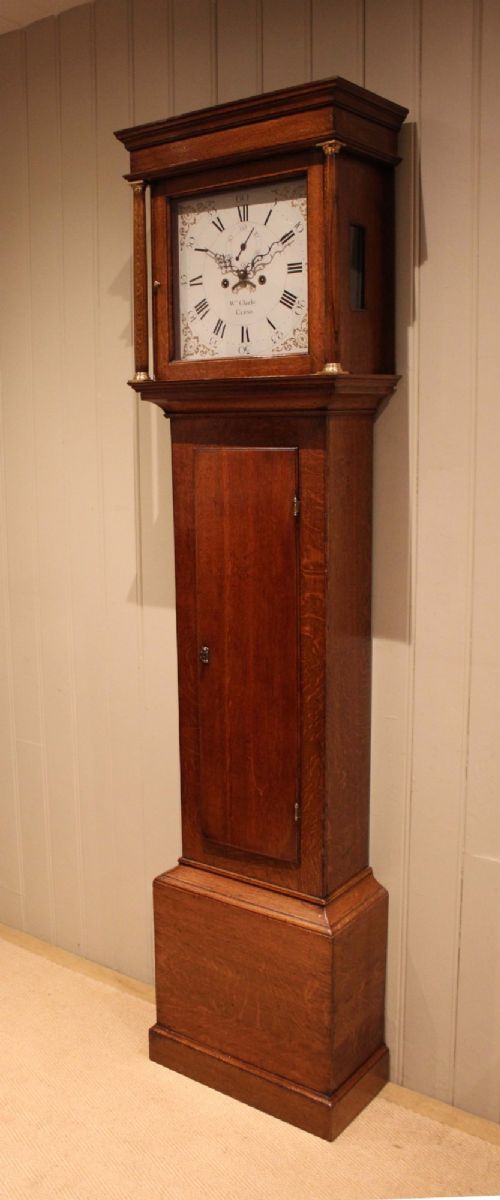
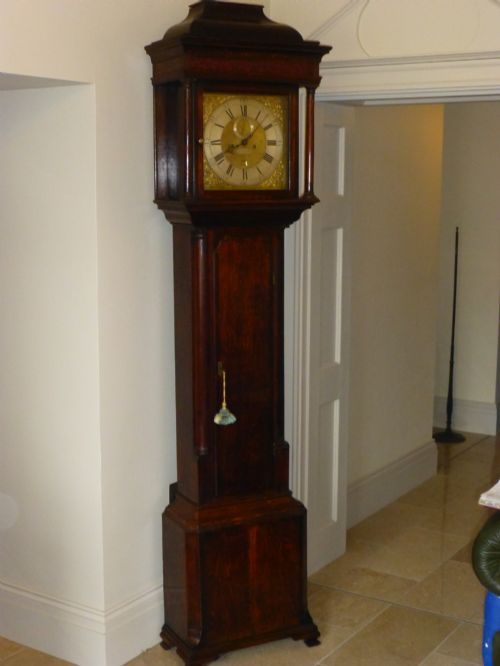
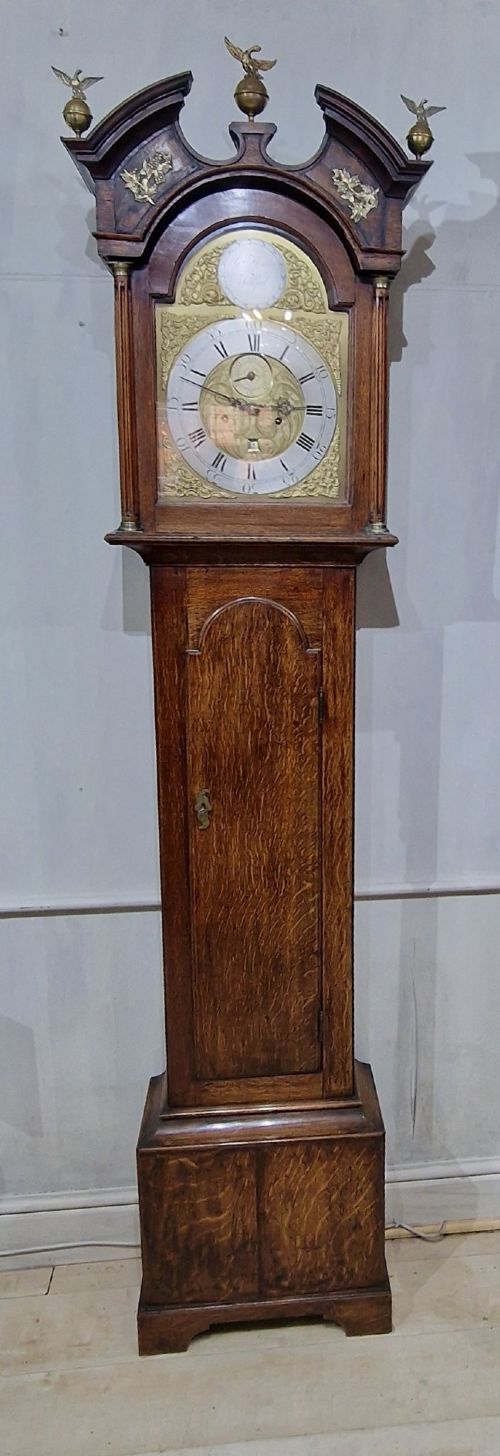


Antique Oak Standing Clock
An antique oak standing clock brings the measured rhythm of eighteenth-century and later timekeeping directly into a hallway or living space.
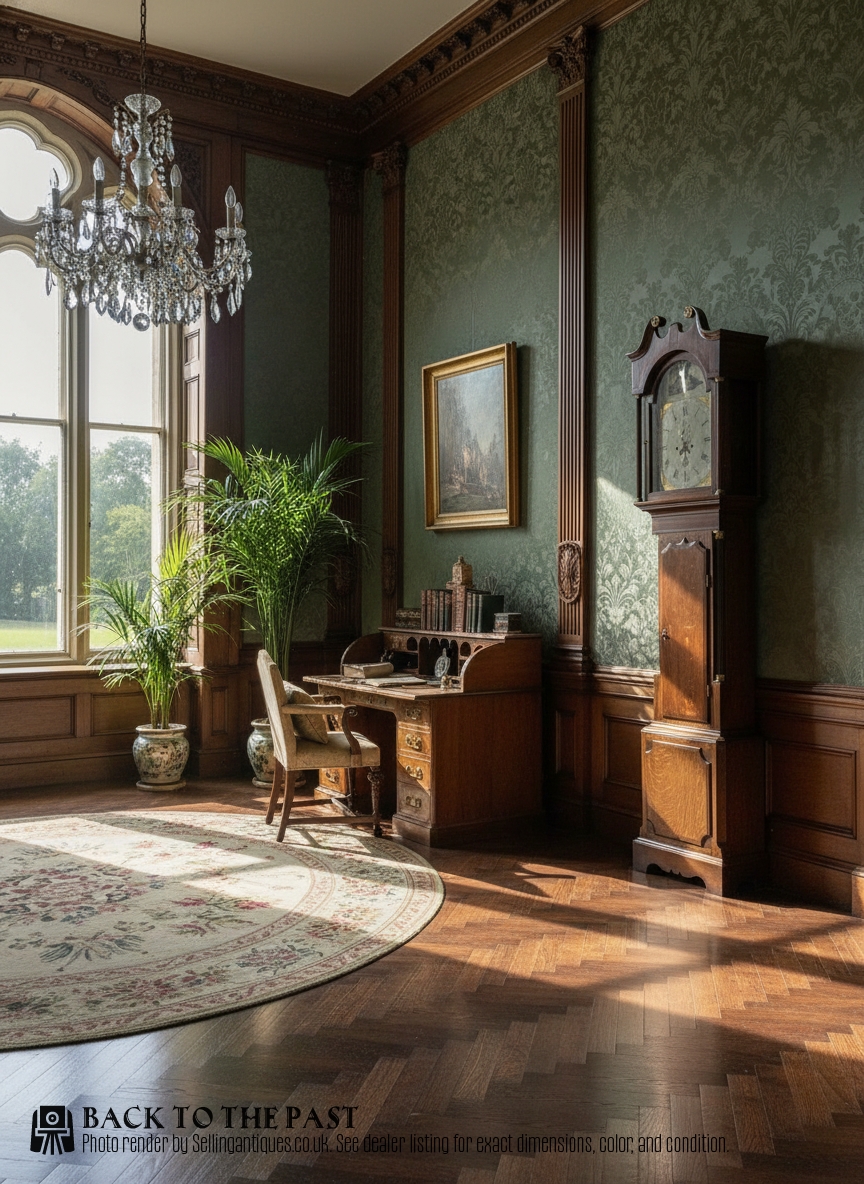
What are antique oak standing clocks
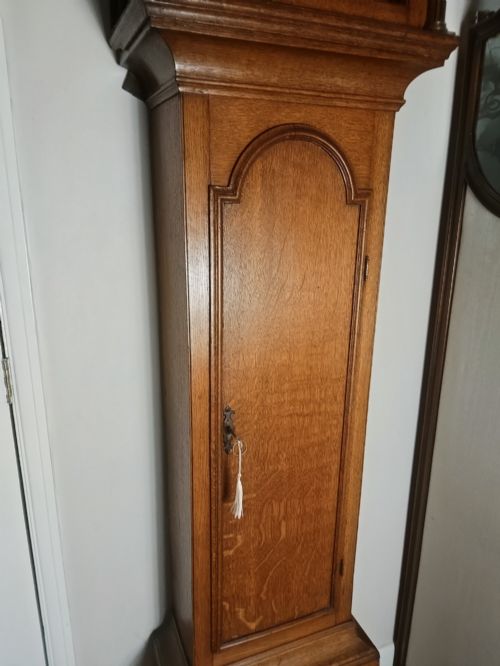
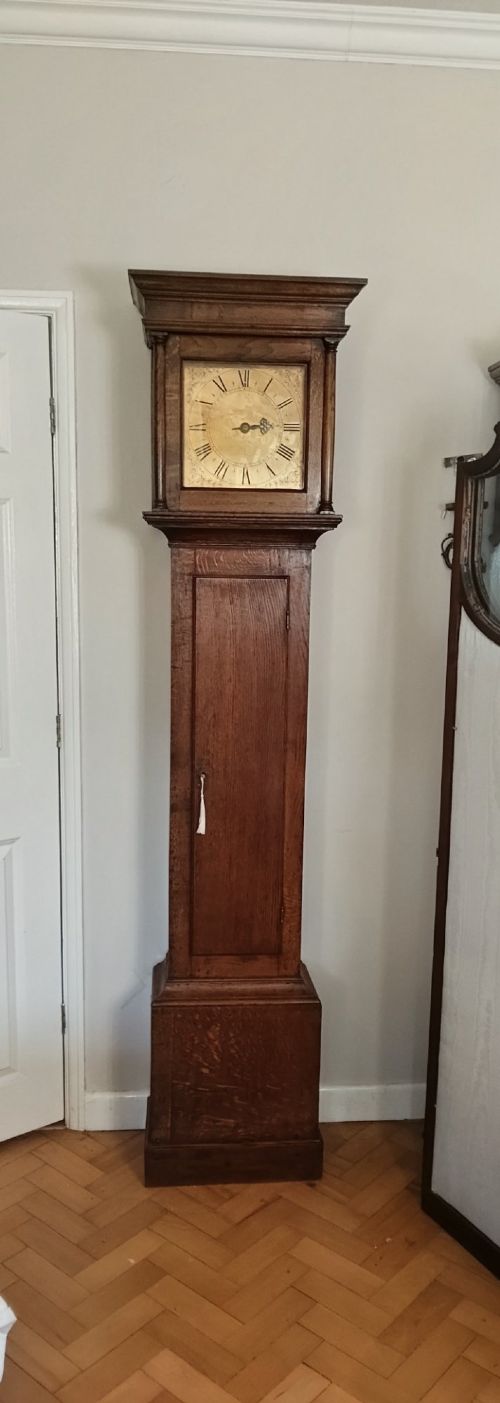
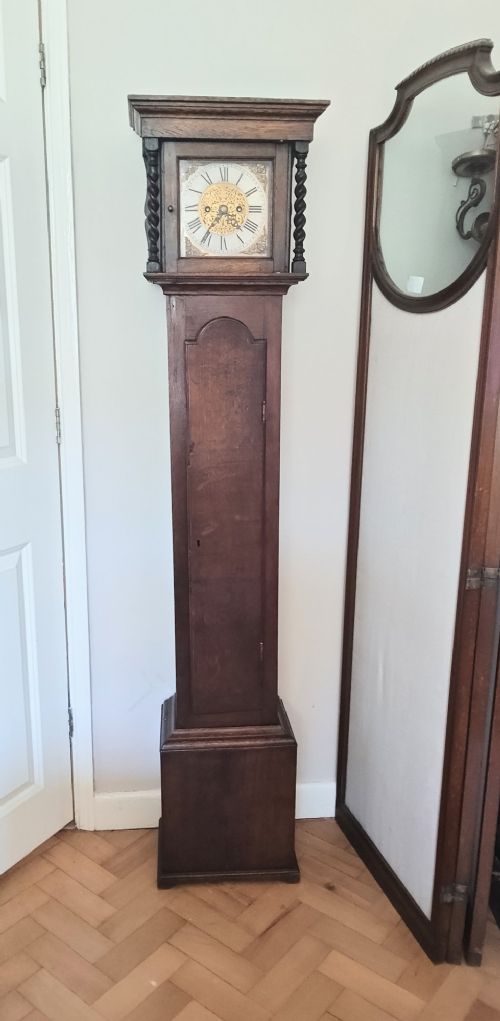
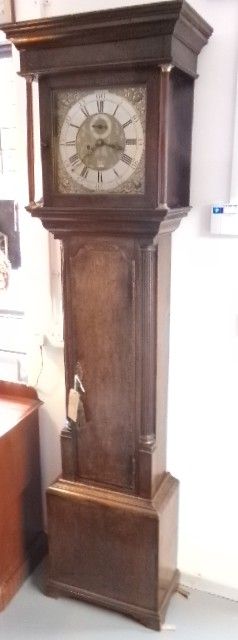
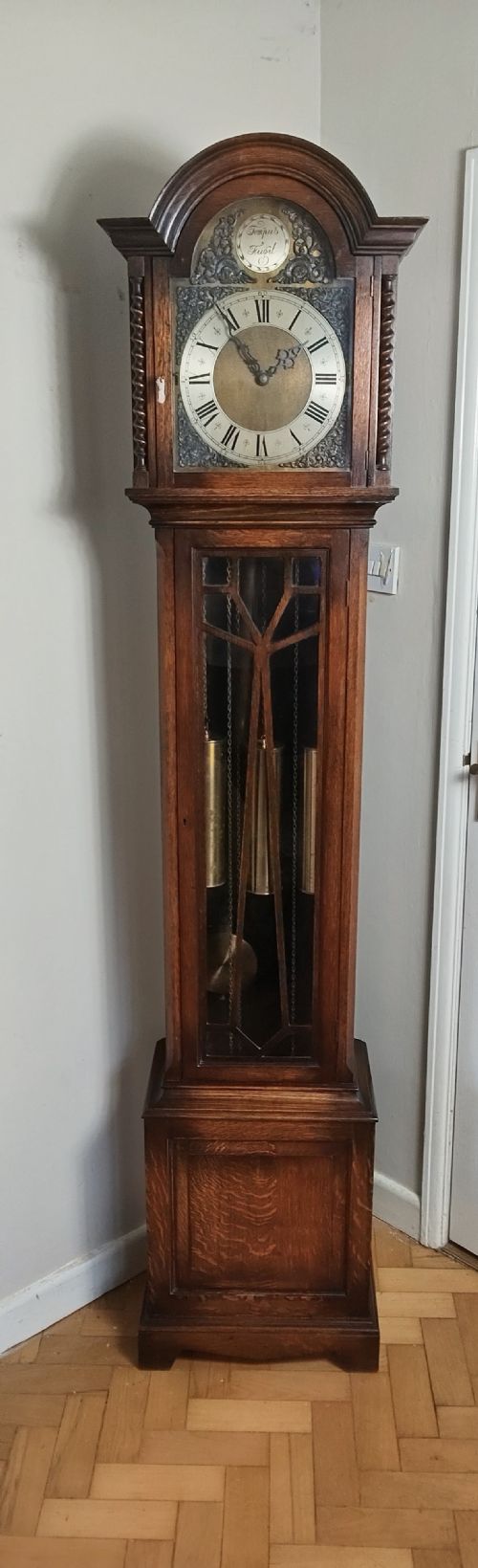
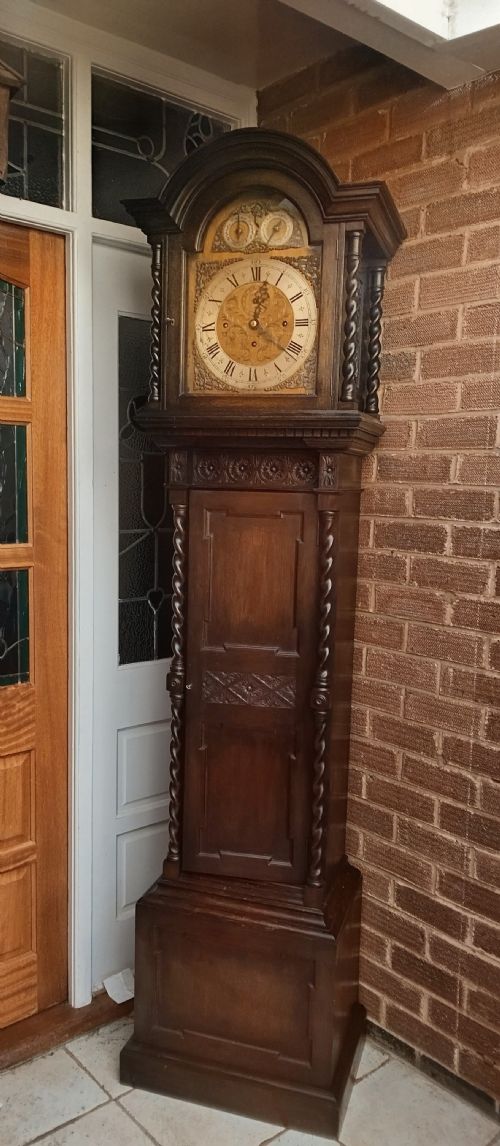
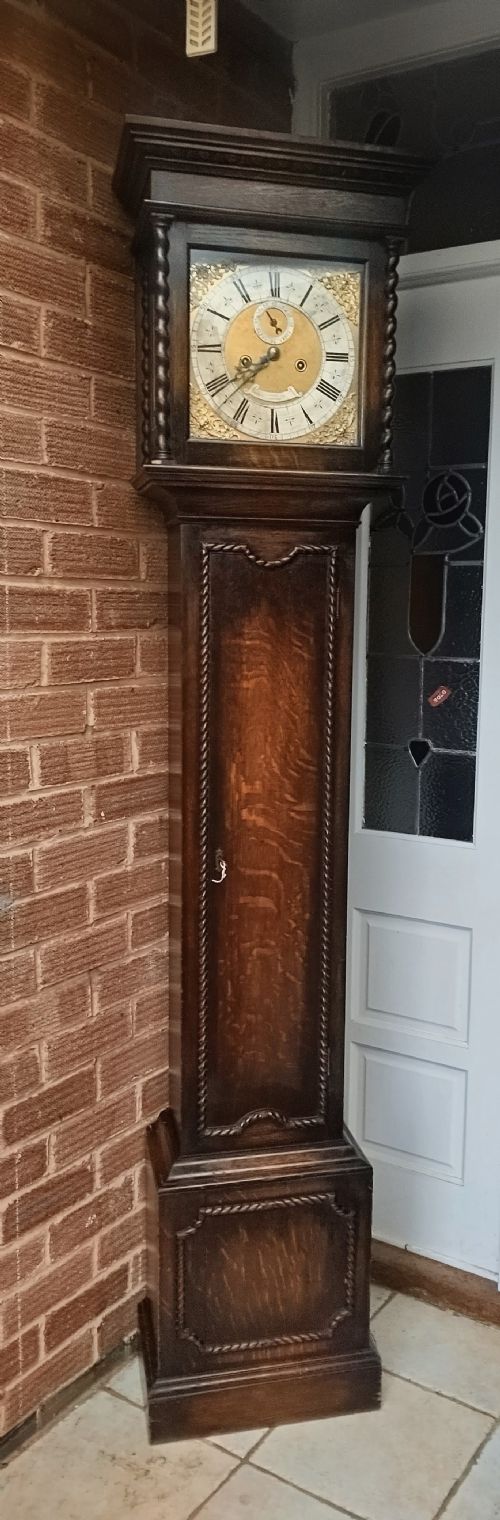
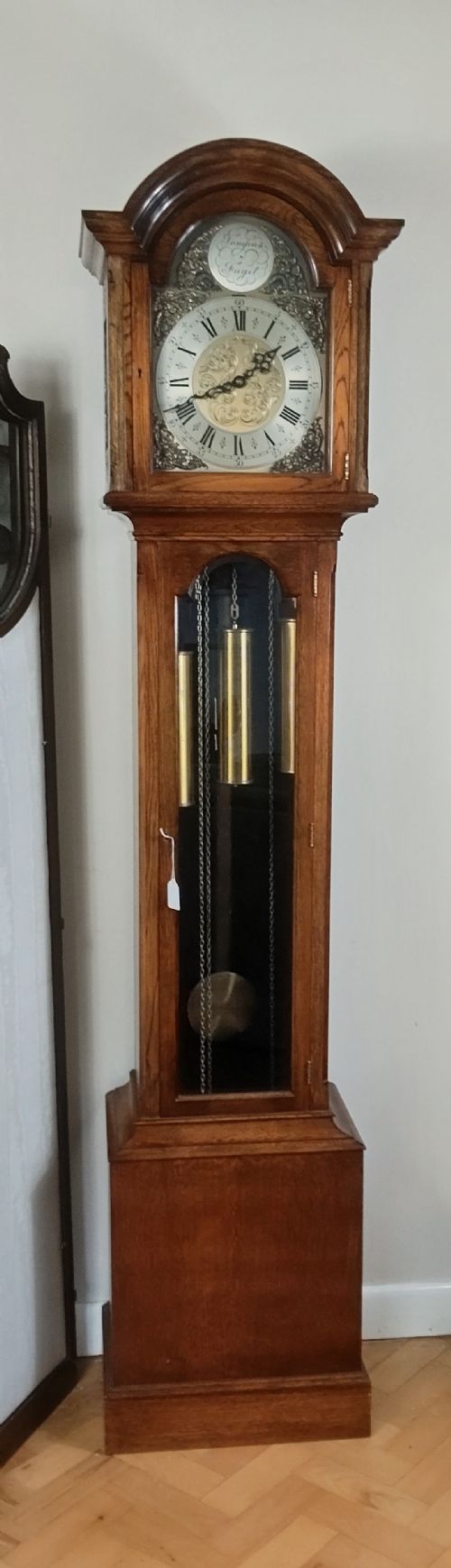
When you search for an antique oak standing clock, you are looking at tall floor-standing timepieces that dominate a room with their height and presence. These pieces primarily take the form of longcase clocks, often referred to as grandfather clocks, alongside smaller variants.
The versions you are most likely to meet on this page hail from the eighteenth century, the Georgian period, and later nineteenth-century revivals including Victorian and Edwardian examples. They combine sturdy cabinet-making with intricate internal movements designed to track hours, minutes, and sometimes musical changes.
Many of these clocks originate from regional makers across Britain, signed on the dial by provincial watchmakers. They serve both a practical domestic function and act as architectural furniture anchor points within a traditional interior.
How they were made
These clocks are built primarily from solid oak timbers, sometimes accented with mahogany banding, burr oak panels, or marquetry inlay. The timber provides a robust structural housing for the delicate weight-driven or spring-driven movements housed inside.
The visible faces incorporate brass components, such as engraved dials and spandrels, protected behind clear glass door panels. Cabinet makers constructed the tall cases in sections - trunk, hood, and base - allowing the timber to settle naturally while enclosing the pendulum and brass weights.
Retail Price Guide 2026
Typical UK retail prices for oak standing clock, calculated from the Sellingantiques database of over a million retail prices indexed since 2003. This retail price guide relies exclusively on Sellingantiques data; no external sources or auction records are used, so the figures do not describe the wider market.
Materials recorded across the inventory include oak, burr oak, mahogany, brass, and glass.
What varies in quality
The division between standard and superior examples rests heavily on the sophistication of the timber selection and the complexity of the dial. Pieces featuring burr oak, meticulous mahogany banding, or intricate marquetry inlay display greater cabinet-making ambition than plain counterparts.
The quality also reflects the prestige of the maker inscribed upon the brass face, alongside the mechanical capability of the movement, such as eight-day durations or musical capabilities rather than simpler thirty-hour setups.
Fisher Of Preston·Walker of Nantwich·Rowntree, York·Hugh Lough, Penrith
The Antique Oak Standing Clock Glossary
- Longcase clock
- A tall, weight-driven pendulum clock enclosed in a wooden case standing directly on the floor. These are commonly known as grandfather clocks and feature a trunk for the weights alongside an upper hood protecting the dial.
- Marquetry
- Decorative veneer work created by fitting small pieces of wood and other materials into patterns on the furniture surface. It frequently appears on eighteenth-century and Georgian pieces to enhance visual depth.
- Spandrel
- The ornamental corner piece set between the circular chapter ring and the outer edge of a clock dial. They are usually cast in brass and styled according to the period of manufacture.
- George III
- A design period spanning the late eighteenth and early nineteenth centuries characterised by refined proportions and classical revival details. Clocks from this era often integrate mahogany crossbanding into their oak bodies.
Frequently Asked Questions
What is an oak standing clock?
An oak standing clock is a tall floor-standing timepiece enclosed in a wooden housing, designed to protect a pendulum and weight-driven movement.
These pieces use solid oak as the primary structural material, often standing over six feet tall to accommodate the falling weights.
How do I set up a longcase clock?
Setting up involves securing the case to a stable wall, hanging the brass weights on their respective lines, and attaching the pendulum.
Careful placement on a level floor ensures the beat of the escapement remains even, allowing the movement to keep accurate time.
How do I identify a Georgian clock?
Georgian clocks date from the period of the Georges, typically displaying balanced proportions, brass dial faces, and regional maker signatures.
They frequently combine oak primary structures with mahogany banding or burr oak accents on the trunk door.
Where should I place a grandfather clock?
These clocks suit hallways, landings, or principal living rooms where adequate vertical clearance and a stable floor exist.
Placing them away from direct heat sources and exterior dampness protects the vintage oak timber and internal brass mechanics.