


Traditional Mechanical Clock
Traditional mechanical clock designs span centuries of brass, wood and glass engineering, offering movement and timekeeping that still anchor a room.

Traditional Mechanical Clock
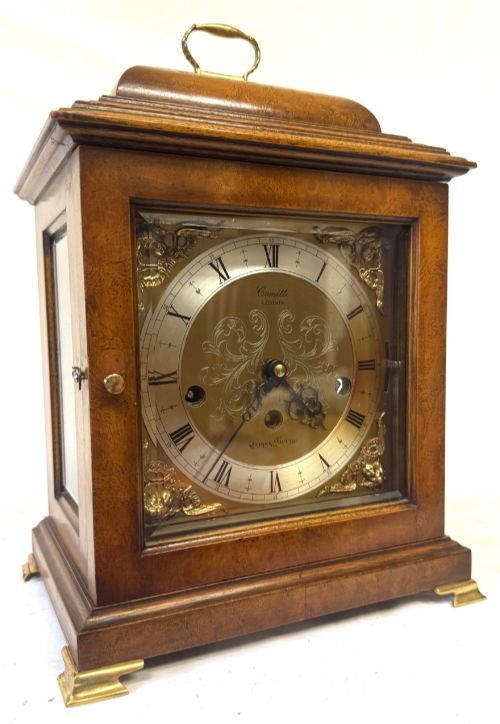
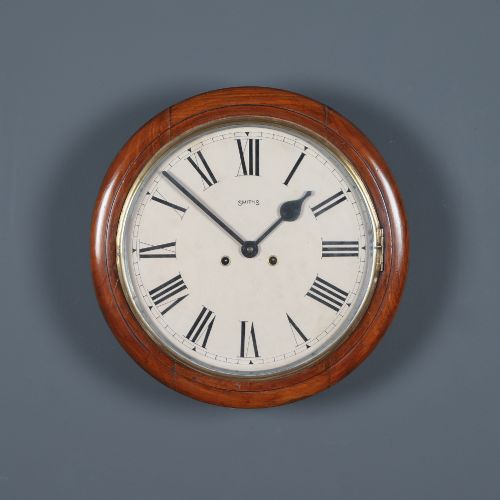
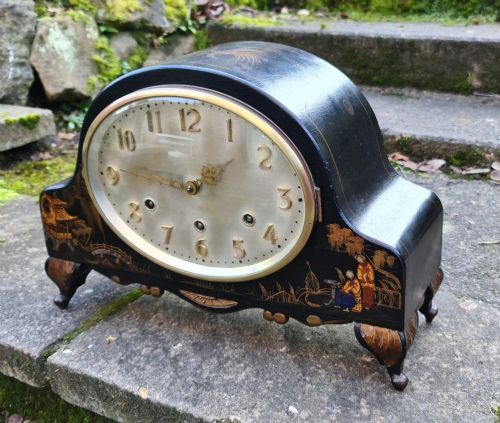
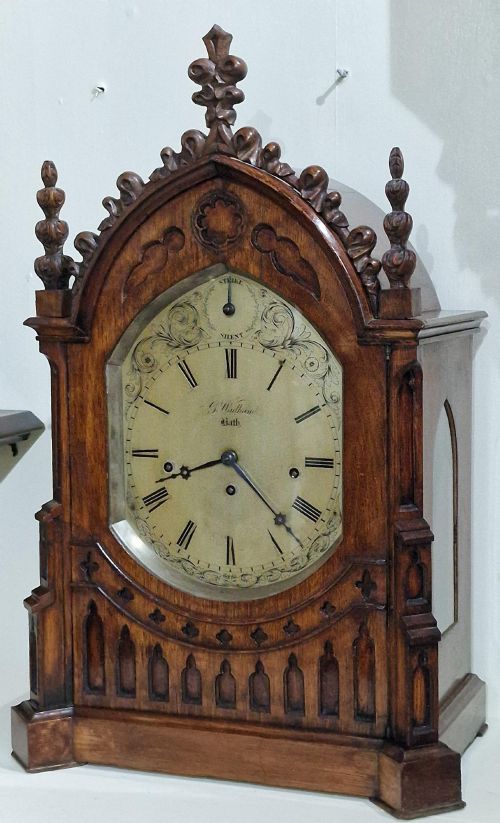
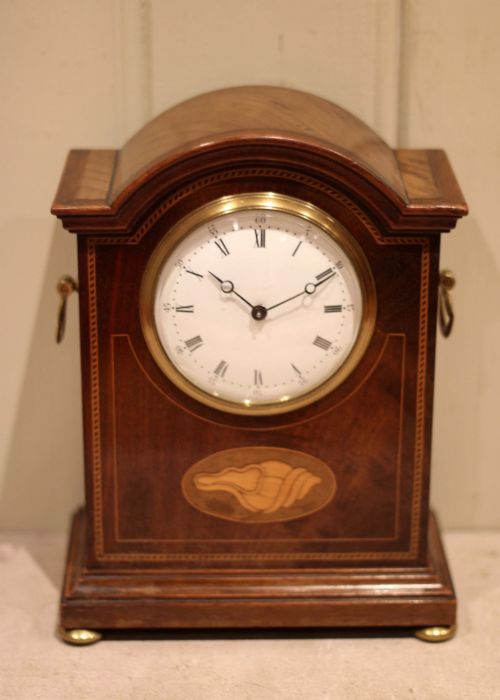
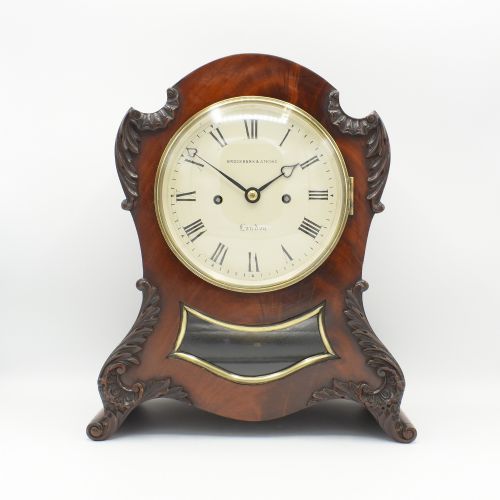
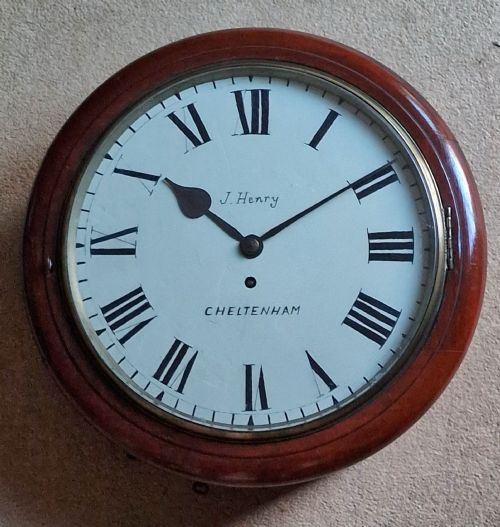
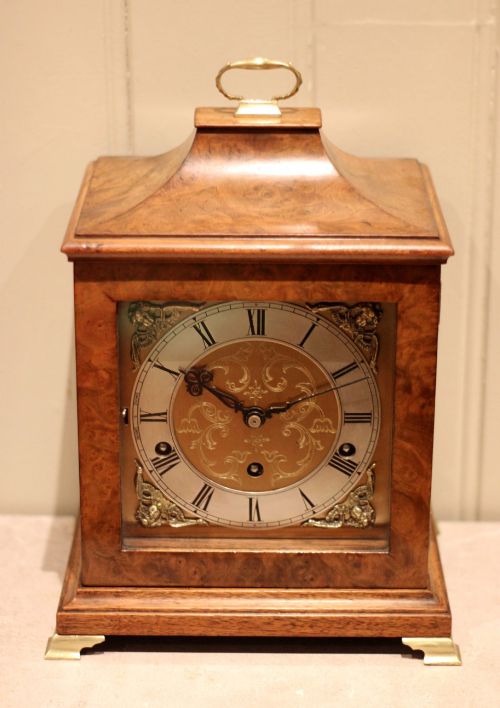
A traditional mechanical clock combines precise gear trains with pendulum or balance wheel regulation, originating across Victorian, Edwardian, Georgian and later periods. The selection here brings together mantel clocks, wall clocks, longcase clocks, carriage clocks and bracket clocks in various woods and metals.
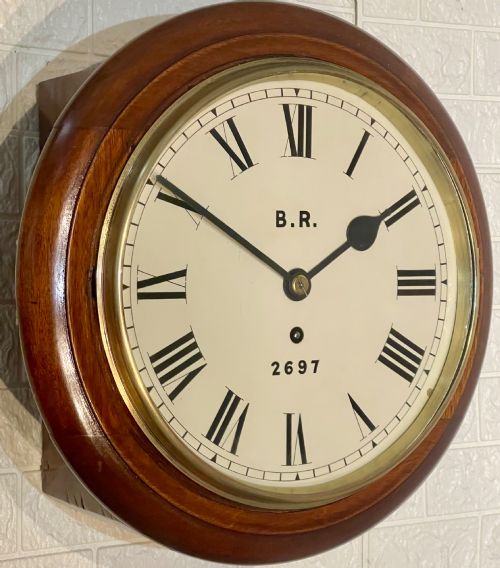
Buyers meet mantel clocks and wall dials most frequently, alongside bracket clocks and floor-standing longcase examples. These pieces utilise movements driven by weights or mainsprings, housed in cases shaped by styles from Regency to Art Deco.
Makers and regional makers mark dials and movements across English, French and German workshops. The form chosen depends on whether the clock sits upon a shelf, hangs on a wall or stands upon the floor.
Materials and construction
Cases utilise timber frames of mahogany, walnut, burr walnut, oak and inlaid veneers, paired with brass movements, enamel dials and protective glass panels. Iron and faux tortoiseshell appear in specific regional or period interpretations.
Movements rely on mechanical gear assemblies, including fusee mechanisms, anchor escapements and striking or chiming trains driven by brass weights or steel springs. Dials feature hand-painted numerals, brass bezels and cast details.
Traditional Mechanical Clock Retail Price Guide 2026
Typical asking prices for traditional mechanical clock among the pieces listed under this phrase on Sellingantiques today, from the lower quarter to the upper quarter. They describe what is for sale here now, not the wider market.
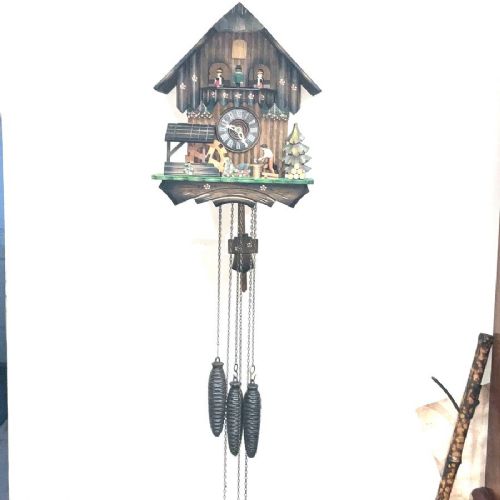
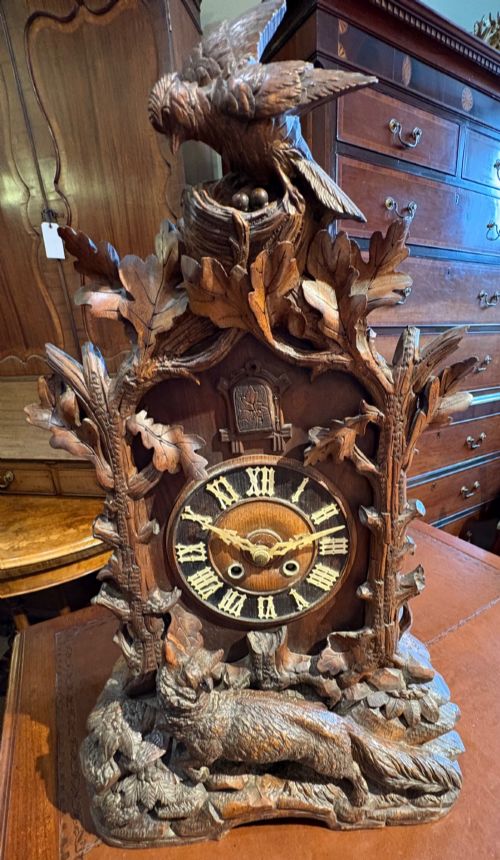
Automaton cuckoo clocks bring animated figures to life alongside traditional bird calls.
Distinctions in quality
The refinement of the mechanical movement dictates much of the standard, separating simple timepieces from complex triple-fusee, striking or quarter-chiming designs. Precision in gear cutting and the original condition of the escapement matter significantly.
Cabinetwork quality shows in the choice of timber, such as figured burr walnut or rich mahogany, and the crispness of carved details or brass mounts. Original dials, matching components and signed movements elevate a piece.
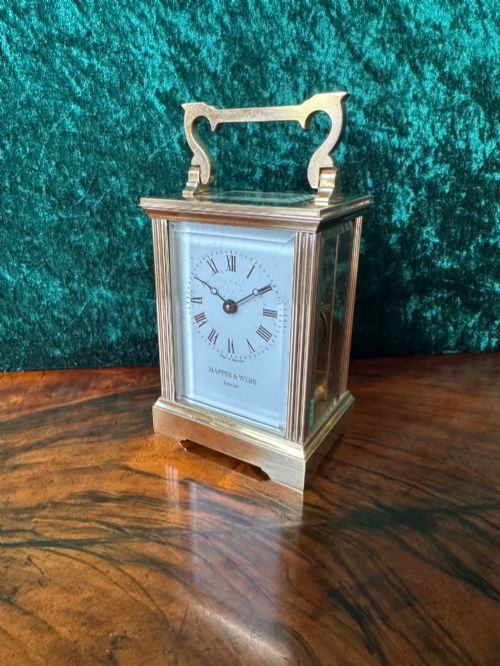
Mappin and Webb·H.A.C.·Comitti Of London·Brockbanks & Atkins
The Traditional Mechanical Clock Glossary
- Fusee
- A conical pulley used in mechanical clocks to maintain an even pull on the gear train as the mainspring unwinds. This mechanism helps ensure steady timekeeping throughout the running period.
- Escapement
- The mechanical linkage that controls the release of gear movement and delivers impulses to keep the pendulum swinging or balance wheel turning. It forms the heartbeat of any mechanical clock.
- Mantel clock
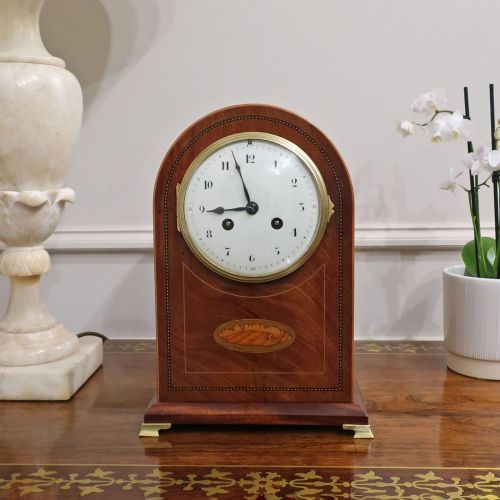
- A portable clock designed to stand on a fireplace mantel or shelf. These pieces feature decorative wood, brass or glass cases enclosing spring-driven movements.
- Longcase clock
- A tall pendulum clock enclosed in a wooden case that rests on the floor. Often called grandfather or grandmother clocks depending on their height, they utilise weight-driven movements.
- Carriage clock
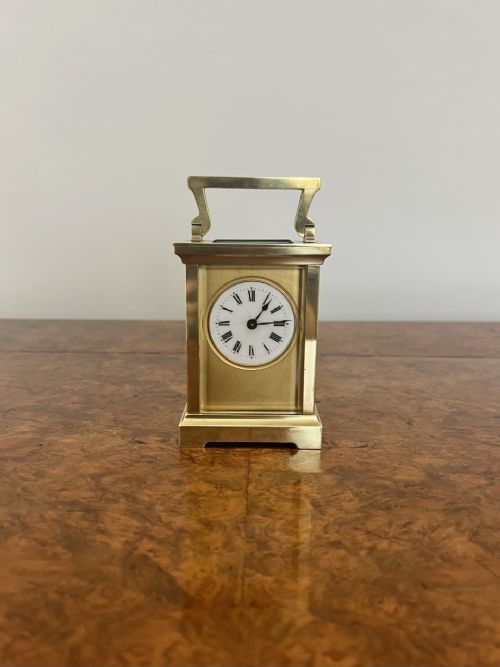
- A small, spring-driven clock originally designed for travel by carriage. They typically feature brass and glass cases with a swinging handle on top.
Traditional Mechanical Clock: Frequently Asked Questions
How do I wind a mechanical clock?
Winding requires inserting the appropriate key into the winding holes on the dial and turning it gently until resistance is felt. Care must be taken not to overwind the mainspring.
Different movements require winding at intervals ranging from daily to weekly or fourteen days, depending on the gear train configuration.
Where should I place a longcase clock?
Longcase clocks need a stable, level floor against a solid wall to ensure the pendulum swings evenly without catching. Placing them away from direct sunlight and draughts protects the timber case and movement.
Securing the tall case to the wall with appropriate brackets prevents accidental tipping in busy hallways or rooms.
How do fusee movements work?
A fusee movement uses a spiral-grooved cone connected to the mainspring barrel by a fine chain or cord. As the spring loses tension, the chain pulls higher up the cone's wider radius to maintain constant torque.
This clever mechanical arrangement compensates for the diminishing force of a relaxing spring, improving timekeeping accuracy.
Can I adjust the timekeeping speed?
Timekeeping adjustments are made via the pendulum rating nut located beneath the bob, or through a small regulating arbor on the dial for spring-driven platforms. Raising the bob makes the clock run faster, while lowering it makes it run slower.
Small adjustments should be made gradually over several days to allow the movement to settle into its new rhythm.