



Traditional Mantel Mirror
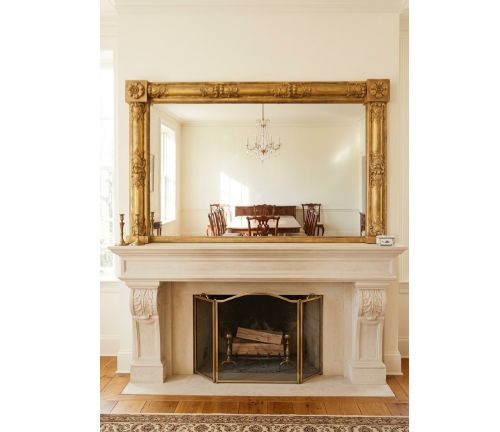
A traditional mantel mirror anchors a room above a fireplace, bringing light and scale to a period interior through its grand proportions and classic framing.
Traditional Mantel Mirror
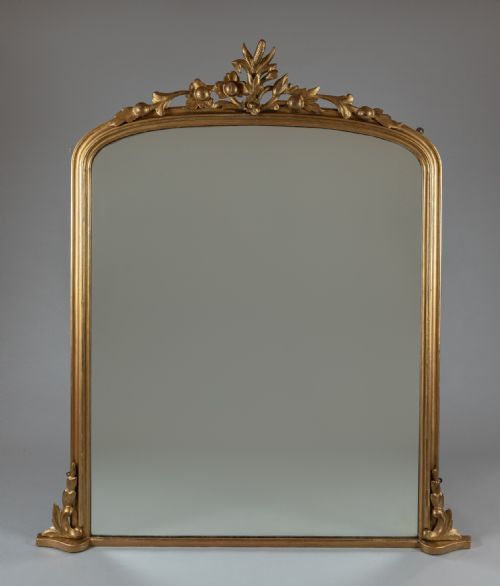
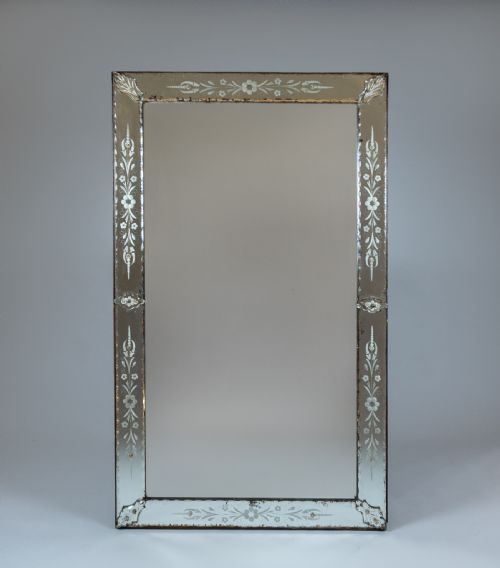
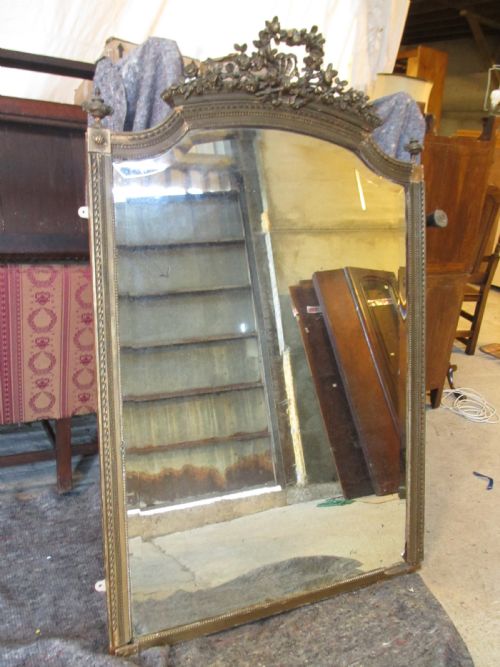
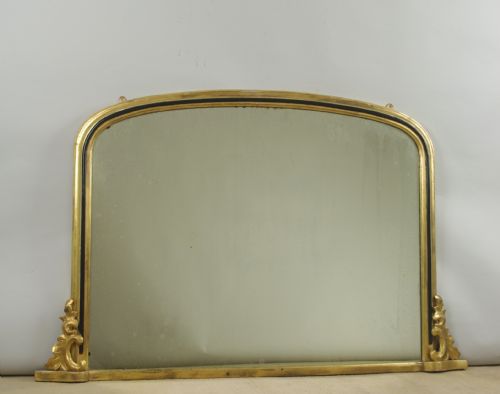
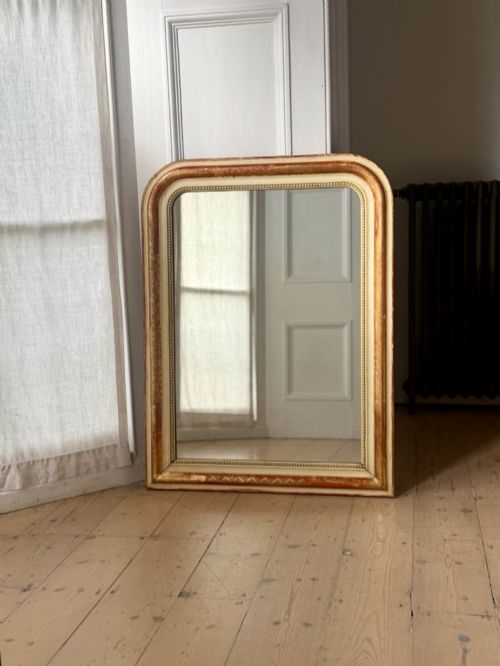
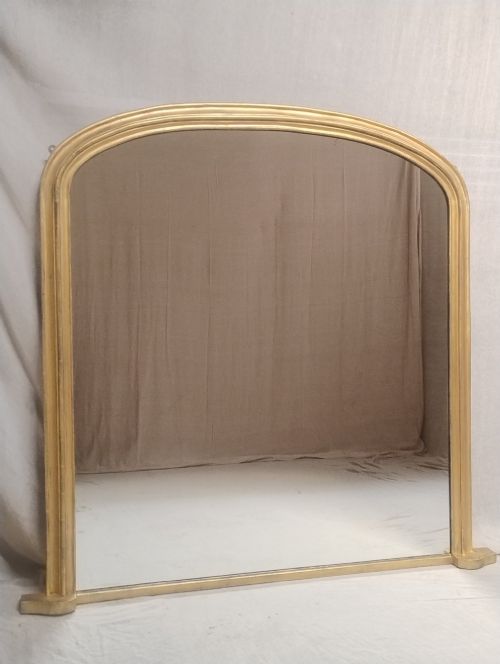
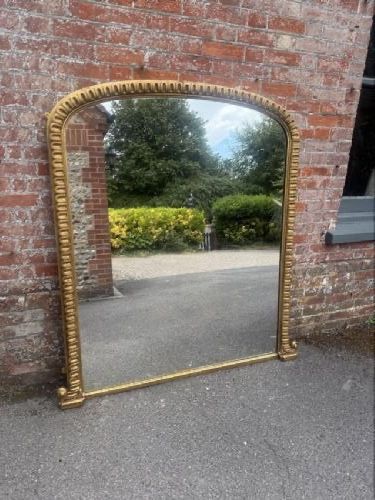
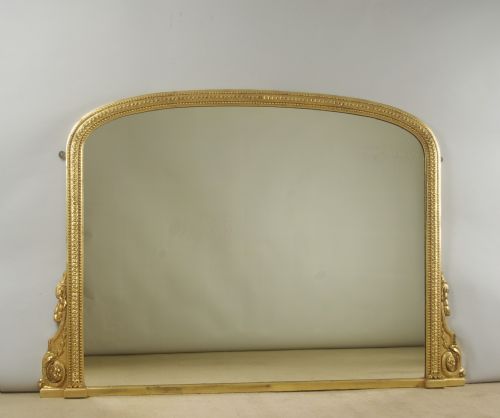
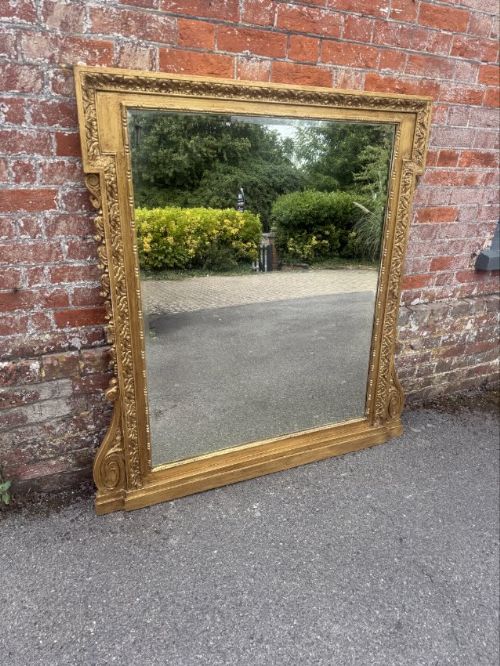
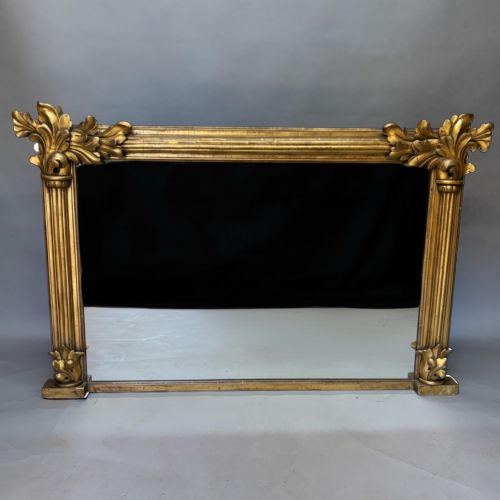
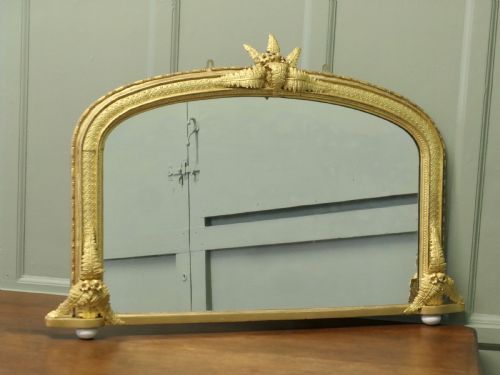
When you search for traditional mantel mirror, you encounter substantial looking-glasses designed to sit above a fireplace hearth. The pieces on this page span the nineteenth century through the early twentieth century, taking the form of overmantel mirrors, wall mirrors, and convex mirrors.
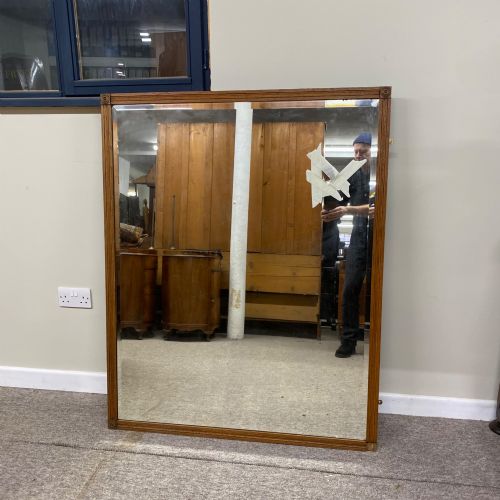
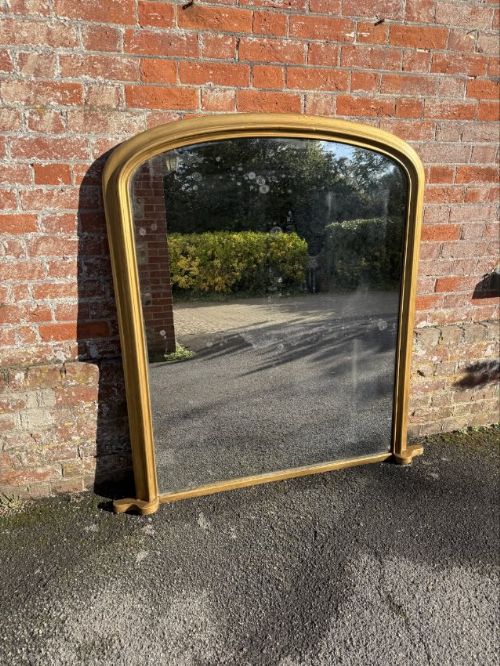
You meet Victorian and Edwardian examples in formats such as archtop shapes, large giltwood overmantels, and ebonised or walnut frames. These formats reflect the domestic architecture of their respective periods, offering generous proportions intended to reflect light deep into a reception room.
How they were made
Maker construction relies heavily on timber frames finished with gesso and composition ornamentation, often receiving layers of water or oil gilding. Other examples utilise solid woods such as walnut or ebonised wood left with polished or painted surfaces.
Glass panels are set within these heavy wooden and moulded surrounds, sometimes taking a convex form to provide a wide-angle reflection of the interior space. The combination of carved giltwood, composition mouldings, and heavy timber backing defines the physical structure of these pieces.
Traditional Mantel Mirror Retail Price Guide 2026
Typical asking prices for traditional mantel mirror among the pieces listed under this phrase on Sellingantiques today, from the lower quarter to the upper quarter. They describe what is for sale here now, not the wider market.
The listings on this site feature nineteenth-century and early twentieth-century periods, utilising materials such as giltwood, gesso, composition, walnut, and ebonised wood.
What varies in quality
Quality reveals itself in the depth and sharpness of the gesso moulding and the crispness of the giltwood finish rather than superficial surface shine. Pieces with refined joinery and well-proportioned archtop frames demonstrate a higher level of workshop execution.
The choice of materials also dictates the standard of the piece, with substantial giltwood and detailed composition work standing apart from simpler painted or plain wooden frames.
The Traditional Mantel Mirror Glossary
- Overmantel mirror
- A large looking-glass specifically proportioned to hang on the wall directly above a mantelpiece or fireplace surround. These items often feature horizontal or arched formats designed to match the width of the hearth below.
- Giltwood
- Timber, typically pine or gesso-coated wood, covered with a thin layer of gold leaf. This finish produces a warm, reflective metallic sheen that catches candlelight and natural daylight.
- Composition
- A mixture of whiting, resin, glue, and linseed oil pressed into moulds to create decorative relief ornament. It is commonly applied to wooden frames before gilding or painting.
- Convex mirror
- A round looking-glass with a curved surface that reflects a wide, panoramic view of the room. It is typically housed in a round frame often adorned with balls or reeded details.
- Ebonised wood
- Timber treated with chemical stains or dark paint to imitate expensive ebony. This dark finish was particularly popular during the nineteenth century for architectural and decorative framing.
Traditional Mantel Mirror: Frequently Asked Questions
Where should I hang a mantel mirror?
These mirrors are traditionally positioned on the chimney breast directly above a fireplace mantel, where their proportions balance the hearth below.
They can also be hung on a prominent wall in a hallway or reception room to create a strong focal point and reflect light.
How do I identify a Victorian mantel mirror?
Victorian examples often feature heavy giltwood frames, composition mouldings, and distinct architectural shapes like archtops or large rectangular overmantel formats.
Checking the timber construction and the nature of the mirror plate helps confirm the nineteenth-century origins of the piece.
Can I place these mirrors on the floor?
Large overmantel mirrors are often heavy enough to rest securely against a wall above a mantelpiece, though floor placement requires proper wall anchoring for safety.
Ensuring the heavy frame is securely fixed prevents accidental tipping in busy rooms.
What is an Edwardian mantel mirror?
Edwardian mirrors from the early twentieth century often show simpler designs compared to their heavily ornamented Victorian predecessors.
They may utilise lighter woods such as walnut and cleaner lines while maintaining the traditional function of gracing a fireplace.